Terry fleece fabric stands out as a top fabric choice for beginners. This material feels soft and comfortable, which makes sewing less stressful for new crafters. Many people like it because it works well for sweatshirts, bathrobes, and even towels. The fabric offers a nice balance of stretch and drape. It is also durable and absorbs moisture, so projects last longer. When picking terry fleece, always think about the weight, fiber blend, and what you want to make.
Key Takeaways
- Terry fleece fabric feels soft and warm. It is simple to sew. This makes it great for people who are just starting.
- Pick the best kind of terry fleece for your project. Cotton is good if you want comfort. Polyester is better if you need something strong.
- You should always wash your fabric before you use it. This stops it from shrinking later. It also helps your finished project fit better.
- Use the right needle and stitch for terry fleece. This fabric has a special texture. The right tools make sewing smoother.
- Think about how heavy the fabric is and what it is made of. This helps you choose the best one for your needs. Use lighter fabric for activewear. Use heavier fabric for comfy loungewear.
What Is Terry Fleece Fabric?
Terry fleece fabric is a popular material for making comfortable clothing and accessories. Many people choose it for sweatshirts, hoodies, and loungewear. This fabric feels soft and warm, which makes it perfect for cozy projects.
Did you know?
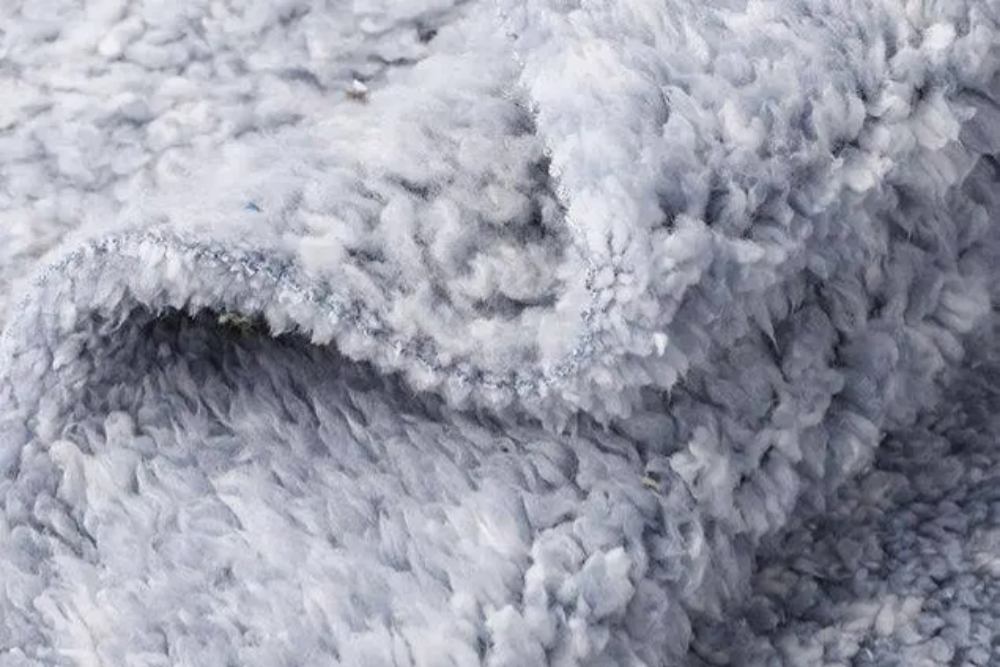
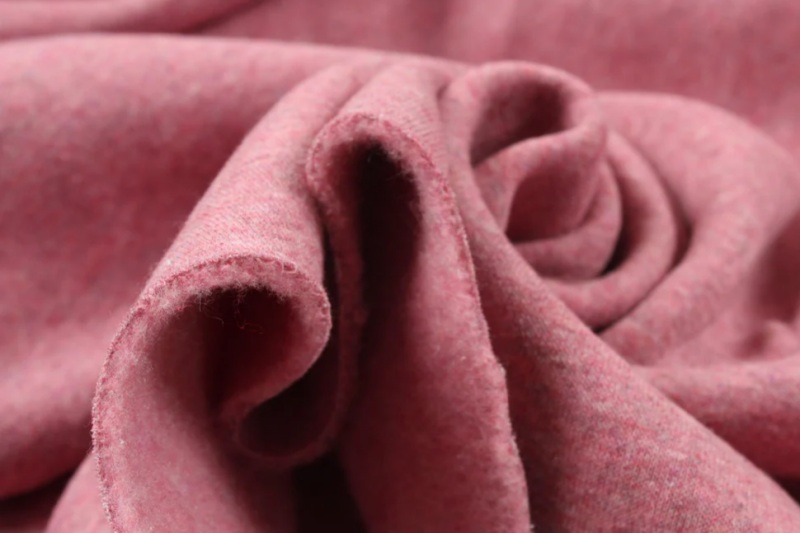
Terry fleece comes from terry fabric that goes through a brushing process. This process creates a soft fleece pile on the surface. The result is a fabric that feels warmer and softer than regular terry cloth. The texture is velvety, which adds comfort and style to any garment.
Here are some key features of terry fleece fabric:
- It is made from terry fabric that is brushed to create a soft fleece pile.
- The fabric is warmer and softer than raw terry fabric.
- It has a velvety texture, making it ideal for cozy garments like sweatshirts and hoodies.
Terry fleece fabric stands out from other knit fabrics because of its unique structure. One side of the fabric has a looped pile texture, while the other side is smooth. This is different from regular fleece, which has a fuzzy surface on both sides. The looped side gives the fabric a special look and feel. The smooth side makes it easy to sew and comfortable to wear.
Terry fleece is also lighter and more breathable than standard fleece. This makes it a good choice for activewear and everyday clothing. Fleece is heavier and keeps you warmer, so it works better for cold-weather outfits. Terry fleece gives you warmth without feeling too heavy.
When you pick terry fleece fabric, you get a material that is soft, warm, and easy to work with. It is a great option for beginners who want to make comfortable and stylish clothes.
Types of Terry Fleece Fabric
Cotton Terry Fleece
Cotton terry fleece is a popular fabric for sewing. It feels soft and gentle on your skin. This fabric soaks up moisture and lets air pass through. That makes it comfy for daily clothes. People use cotton terry fleece for robes, beach cover-ups, and costumes. It is also good for bibs and toys. These items feel nice because the fabric is soft and lets skin breathe. Cotton terry fleece is simple to sew, so beginners like it. Some french terry fabrics use only cotton fibers. This gives them a natural touch. Organic french terry uses cotton grown without chemicals. It is a smart pick for people who want eco-friendly fabric. Cotton spandex french terry has stretch. This helps clothes fit better and move with you.
Polyester Terry Fleece
Polyester terry fleece is a man-made fabric. It is strong and lasts a long time. This fabric does not wear out fast, even after many washes. It pulls sweat away from your skin. That keeps you dry and comfy. Polyester terry fleece is great for sports clothes. It is light, soft, and dries fast. The fabric does not wrinkle much and does not need ironing. But it can get static and may pill after a while. Polyester terry fleece is not as green as organic french terry. French terry and cotton spandex are different in how they work. Polyester blends are tougher. Cotton spandex french terry is softer and stretches more. The table below shows some good and bad things about polyester terry fleece:
| Advantages | Disadvantages |
|---|---|
| Water resistance | Builds up static |
| Breathable material | Not windproof in extreme weather |
| Resists wrinkles & creases | Should not be tumble-dried |
| Machine-washable (cold) | Can’t be washed at high temperature |
Blends and Alternatives
Many french terry fabrics mix cotton and polyester. These blends are soft and strong. Some blends have rayon or spandex for more stretch and comfort. Cotton spandex french terry is great for leggings, joggers, and tight tops. This blend stretches well and keeps its shape. Organic french terry is another choice for people who want natural fabric. It is soft and good for kids’ clothes and loungewear. Knowing the difference between french terry and cotton spandex helps you pick the right fabric. Cotton spandex french terry is more flexible. Organic french terry is all about comfort and being eco-friendly. The table below compares common fiber blends:
| Fiber Blend | Comfort Properties |
|---|---|
| 100% Cotton | Softness, breathability, moisture absorption |
| Cotton and Polyester | Enhanced softness and durability |
| Tri-blend (Cotton, Polyester, Rayon, Spandex) | Extra stretch, softness, and comfort |
Tip: Try different kinds of french terry, like organic french terry and cotton spandex french terry, to see what works best for your project. French terry comes in many blends, so you can pick the right mix of softness, stretch, and strength.
Choosing Terry Fleece Fabric
Match to Project
Selecting the right terry fleece fabric starts with your project. Ask yourself, “What can I make with french terry?” This question helps you focus on the purpose of your sewing. Some projects need soft, stretchy fabric, while others need more structure. For example, cotton spandex french terry works well for leggings, joggers, and fitted tops. French terry fabric is a good choice for sweatshirts, hoodies, and loungewear. If you want to make baby clothes or robes, look for organic options.
Here is a table to help you match fabric to your project:
| Factor | Description |
|---|---|
| Fabric Composition | The type of fibers used, which affects comfort and durability. |
| Weight (gsm) | The heaviness of the fabric, which changes how it drapes and feels. |
| Stretch Percentage | The amount of stretch, important for fit and comfort in garments. |
| Intended Use | The purpose of the fabric, such as for activewear, loungewear, or outerwear. |
Tip: Always think about the end use before you buy. Understanding your project helps you pick the best french terry fabric.
Weight and Drape
The weight of terry fleece fabric changes how it looks and feels. Lighter weights work well for layering pieces and summer clothes. Heavier weights give more warmth and structure, which is better for winter wear. The GSM (grams per square meter) number tells you how dense the fabric is. Higher GSM means thicker and warmer fabric.
Here is a table showing common weight ranges for different types of garments:
| Fabric Type | Weight Range |
|---|---|
| Standard Cotton Fleece | 10–14 oz |
| Heavyweight French Terry | 14–16 oz |
| Ultra Heavyweight Cotton | 16–20 oz |
| Wool Blends | 18+ oz |
If you wonder, “What can I make with french terry?” check the weight first. Cotton spandex french terry with a medium weight is perfect for sweatshirts and joggers. Heavyweight french terry fabric is best for hoodies and jackets. Lighter cotton spandex french terry is good for t-shirts and dresses.
Fiber Content
Fiber content affects how your fabric feels, stretches, and lasts. Cotton spandex french terry is soft, breathable, and stretches well. This makes it a favorite for activewear and fitted clothes. French terry fabric made from 100% cotton feels natural and absorbs moisture. Polyester blends add strength and help the fabric dry faster. Organic options are gentle on skin and better for the environment.
When you choose terry fleece fabric, read the label. Cotton spandex french terry is great for clothes that need to move with you. French terry fabric with rayon or polyester adds extra softness and durability. Think about who will wear the item and how often it will be washed.
Color and Pattern
Color and pattern make your project stand out. French terry fabric comes in many shades and prints. Popular choices include earthy tones, vibrant colors, stripes, and floral designs. Some trendy options are malibu blue stripe, tropical palm, sage, ecru, lilac, and baby pink.
Note: Pick colors and patterns that match your style and the person who will wear the finished item. Cotton spandex french terry in bright colors works well for kids’ clothes, while neutral shades suit adults.
Beginner Tips for Sewing
Prewashing Your Terry Fleece Fabric Before Sewing
Prewashing is an important step before you start sewing with french terry fabric. Washing and drying the fabric removes any chemicals from the manufacturing process. It also helps prevent shrinkage after your project is finished. Most french terry fabric will shrink a little, especially if it contains cotton. Always wash the fabric in cold water and tumble dry on low. This prepares the material for cutting and sewing. You can use a gentle detergent to keep the fabric soft. After washing, press the fabric with a warm iron to smooth out wrinkles. This makes it easier to measure and cut accurately.
Tip: Prewashing french terry fabric helps you avoid surprises later. Your finished garment will fit better and last longer.
Needle and Foot Choice
Choosing the right needle and presser foot makes sewing with french terry fabric easier. Thick fabrics need a strong needle. Use a ballpoint or stretch needle, size 80/12 or 90/14. These needles slide between the loops of french terry fabric without damaging the fibers. For heavy or layered projects, a walking foot helps feed the fabric evenly. This prevents stretching and puckering. Many sewing machines have a walking foot attachment. If you do not have one, sew slowly and guide the fabric gently.
| Needle Type | Best For |
|---|---|
| Ballpoint Needle | Knits and french terry |
| Stretch Needle | Stretchy french terry |
| Universal Needle | Lightweight french terry |
Stitch and Seam Tips
Stitch choice affects the strength and look of your seams. French terry fabric stretches, so use stitches that move with the material. A zigzag stitch works well for most seams. An overlock or serger stitch gives a professional finish and prevents fraying. Increase the seam allowance to ⅝ inch for extra security. This helps the seams hold up during wear and washing. Test your stitches on a scrap of french terry fabric before you sew the real project. Adjust the tension and stitch length for smooth results.
Note: Sewing with french terry is easier when you use the right tools and techniques. Practice on small pieces to build confidence.
Caring for Terry Fleece Projects
Washing and Drying
Proper washing and drying help terry fleece projects last longer. These steps keep the fabric soft and prevent damage. Always check the care label before cleaning your item. Here are some best practices for washing and drying terry fleece:
- Use cold water for washing. Cold water helps the fabric keep its shape and prevents shrinking.
- Turn garments inside out. This step reduces pilling and keeps the outside looking new.
- Choose a gentle detergent. Strong detergents can damage the fibers and make the fabric rough.
- Wash terry fleece with other soft fabrics. Mixing with rough items can cause abrasion and wear.
- Dry on the lowest heat setting. High heat can harm the fibers and cause shrinking.
Washing terry fleece too often can weaken the fibers. It is best to wash French terry items after every two or three wears unless they are very dirty. Overwashing can lead to pilling and fading, which makes the garment look old.
Maintaining Softness
Terry fleece feels best when it stays soft and fluffy. After many washes, the fabric can lose its softness. There are simple ways to restore and maintain the cozy feel:
- Use a mild detergent without optical brighteners. This keeps the color and fabric strong.
- Wash at a moderate temperature, such as 60 degrees Fahrenheit, to protect the fibers.
- Be careful with fabric softeners. Too much can leave a film on the fabric and reduce absorbency.
- Tumble drying on low heat can make the fleece fluffier. You do not need to use fabric softener every time.
- If the fabric feels stiff after drying, knead and rub it gently with your hands. This helps soften the fibers.
Tip: Taking care of your terry fleece projects helps them stay comfortable and last longer. Simple steps make a big difference in how your finished items look and feel.
Picking terry fleece fabric is simple when you know what matters. The table below shows key things to check:
| Property | Description |
|---|---|
| Material | Cotton or cotton blends |
| Texture | Loops on one side, smooth on the other |
| Warmth | Medium warmth, works for any season |
| Comfort | Soft and plush, great for relaxing clothes |
To get the best outcome:
- Use a ballpoint needle and a stretch stitch.
- Wash with cold water and lay flat to dry.
Begin with an easy project and believe in yourself. Each step helps you learn more. Soon, you will have something warm and comfy!
FAQ
What is the difference between terry fleece and regular fleece?
Terry fleece has loops on one side and a smooth surface on the other. Regular fleece feels fuzzy on both sides. Terry fleece breathes better and works well for lighter clothing.
Can I use terry fleece for baby clothes?
Yes, terry fleece is soft and gentle. Choose organic cotton terry fleece for sensitive skin. Wash the fabric before sewing to remove any chemicals.
Does terry fleece shrink after washing?
Terry fleece can shrink, especially if it has cotton. Always prewash and dry the fabric before cutting. This step helps your finished project keep its shape.
How do I stop terry fleece from pilling?
Wash terry fleece inside out. Use cold water and a gentle cycle. Avoid high heat in the dryer. These steps help reduce pilling and keep the fabric soft.
Is terry fleece good for summer clothes?
Lightweight terry fleece works for summer. It absorbs sweat and feels cool. Choose lighter weights for t-shirts, shorts, or dresses.