Jacquard fabric is made by weaving patterns into the cloth. A special jacquard loom does this job. The loom uses punched cards or digital files for instructions. Jacquard fabric is different because its designs are part of the weave. The designs are not printed or embroidered on top. The jacquard process lets each thread move by itself. This makes special patterns possible. The fabric often feels rich and has texture.
Textile experts say jacquard has three main qualities that make it special:
| Distinction | Description |
|---|---|
| Control of Warp Threads | Each warp thread moves alone for detailed designs. |
| Non-Repetitive Designs | Makes unique patterns that do not repeat. |
| Precision in Weaving | Allows more complex patterns than old methods. |
Learning how jacquard fabric is made helps people see its value. It also shows the skill needed to make each piece.
Key Takeaways
- Jacquard fabric has detailed patterns woven into it. This makes the fabric special and strong. The jacquard loom lets each thread move on its own. This helps make hard and unique designs. Picking fibers like cotton or silk changes how the fabric looks and feels. This also makes the fabric useful for many things. Jacquard fabric is tough and keeps its patterns for a long time. This makes it good for clothes, furniture, and home decorations. The jacquard process uses both art and machines. This makes fabric that is better and lasts longer than printed fabric.
What is jacquard fabric?
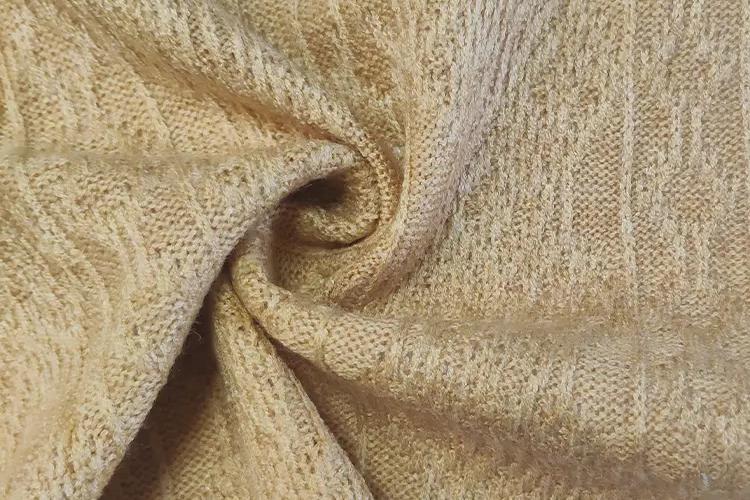
Definition and features
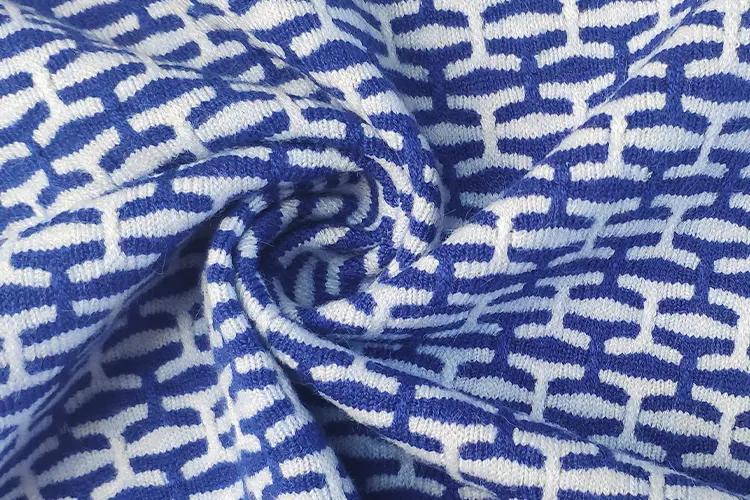
Jacquard fabric is a woven material with detailed patterns. These patterns are not printed or stitched on top. The designs are made in the fabric with a jacquard loom. This gives jacquard fabric a textured and sometimes raised feel. The fabric is strong and looks nice. People use jacquard for clothes, furniture, and home items.
Textile industry standards point out some main features of jacquard fabric:
| Characteristic | Description |
|---|---|
| Intricate patterns | Jacquard fabric has detailed patterns made by a special loom. |
| Durability | The fabric lasts longer than plain weaves because of its raised texture. |
| Versatility | It is used for many things, like fashion and home items, because it is strong. |
| Breathability | The fabric lets air pass through, so it is comfortable to use. |
Jacquard fabric is not like other patterned fabrics. It uses a special weaving method. Each warp yarn can move by itself. This lets people make many different designs and gives the fabric layers.
History and invention
Jacquard’s story started in France. Joseph Marie Jacquard made the jacquard loom in 1801. He showed it at a big event in Paris that year. The jacquard loom changed how people made fabric. It made weaving faster and let people make hard patterns easily. Before this, weavers needed helpers to make patterns. The new loom helped people work faster and made fewer mistakes. This invention was important during the Industrial Revolution.
what is jacquard fabric made of
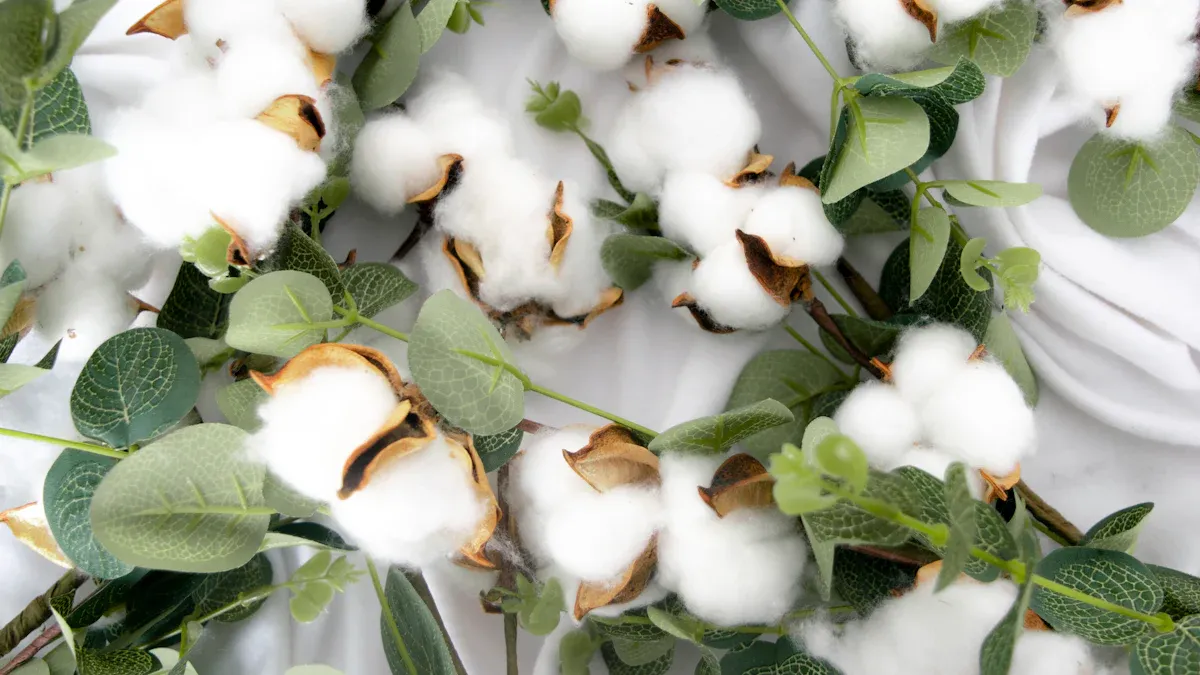
Jacquard fabric can be made from many kinds of fibers. Cotton is soft and lets air in, but it wrinkles. Silk is shiny and smooth, but it is easy to damage. Polyester is strong and does not wear out fast, but it does not feel as nice as natural fibers. Wool is warm and has texture, but it needs gentle washing. Many jacquard fabrics use mixed fibers. Blends mix the good parts of each fiber, so the fabric is stronger and can be used for more things.
Jacquard is liked because it can be made in many ways. The fiber you pick changes how the fabric feels and looks. That is why jacquard is used for many things, from fancy dresses to strong furniture.
Jacquard fabric process
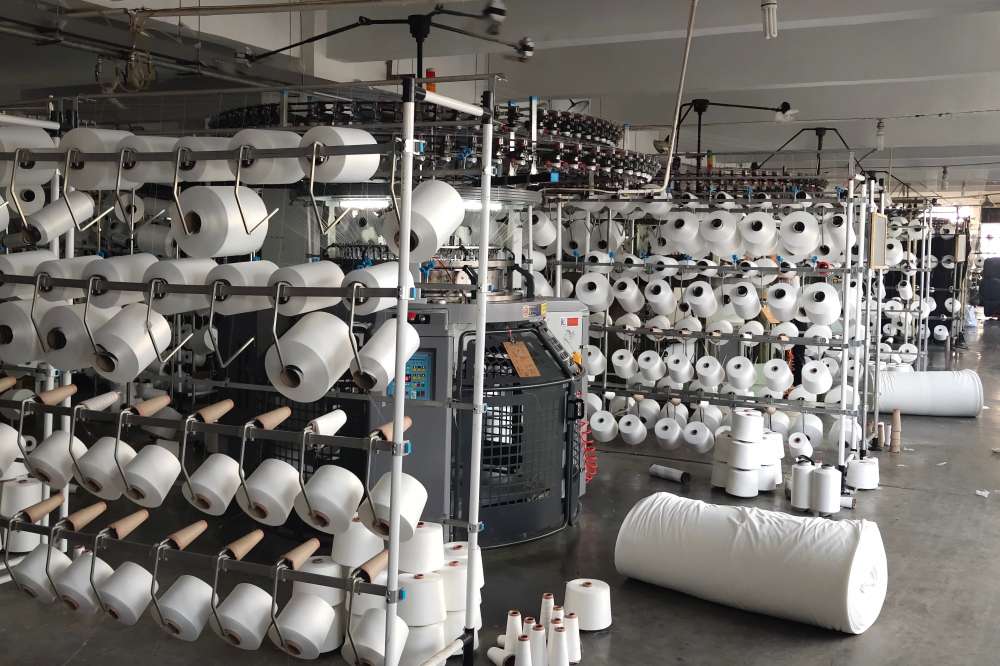
Design creation and pattern cards
Making jacquard fabric starts with a design. Designers draw patterns on paper or use computers. These patterns can be very detailed. After the design is done, it must be changed for the jacquard machine. This step is called drafting. Long ago, workers made holes in cards to show the pattern. Now, most factories use digital files instead.
When the design is finished, it goes through drafting. This means turning the design into something the jacquard loom can read. Workers make a punch card or a digital file. These give instructions for which warp yarns go up or down to make the pattern.
Switching from cards to digital files made things faster and more exact. Designers can now test and fix patterns quickly. This also lets them make more detailed patterns and waste less material.
Main steps in design and pattern preparation:
- Make the jacquard design with sketches or computer software.
- Change the design into a format for the jacquard machine.
- Get pattern cards or digital files ready for the loom.
Yarn selection and warping
Picking the right yarn is important for jacquard weaving. The yarn type and quality change how the fabric looks and feels. Factories use natural fibers like cotton and silk. They also use synthetic fibers like polyester and nylon. The choice depends on what the jacquard fabric will be used for.
| Criteria | Description |
|---|---|
| Fiber type | Natural fibers let air through; synthetics are strong. |
| Fiber grade and staple length | Better fibers and longer pieces make smoother, stronger yarn. |
| Yarn twist and ply | The twist changes how strong, soft, or textured the fabric is. |
After picking the yarn, warping is next. Warping means putting the warp threads on the jacquard loom. Each thread must be in the right place. This step is needed to make sure the pattern looks correct.
| Step | Description |
|---|---|
| Preparation of Warp Threads | Warp threads are put on the loom in order for patterns. |
| Influence on Pattern Accuracy | Good warp threads help the fabric last and keep the pattern right. |
Jacquard loom setup
Getting the jacquard loom ready is very important. The jacquard machine is not like normal looms. It has special parts for making hard designs.
- Spindle & Drive System: This holds and turns the yarn cones.
- Yarn Guide & Tension Device: These help the yarn move smoothly and stop breaks.
- Control Panel & Digital Interface: Workers use this to set patterns and speeds. It helps change designs easily.
- Jacquard Module: This part picks which warp threads to lift using digital instructions.
- Safety Features: Sensors and stops keep workers safe.
The jacquard machine lets each warp thread move by itself. This helps make detailed and special patterns. The setup must be done carefully so there are no mistakes when weaving.
Weaving and finishing
Weaving starts after the loom is ready. The jacquard machine follows the pattern to move the warp threads. The weft yarn goes through, and the fabric forms. This way, the jacquard loom makes patterns that are part of the fabric.
Stages of weaving and finishing:
- Spin raw materials into yarn.
- Feed yarn into the jacquard machine.
- Weave the pattern with the jacquard loom.
- Finish the fabric by washing, drying, and treating it.
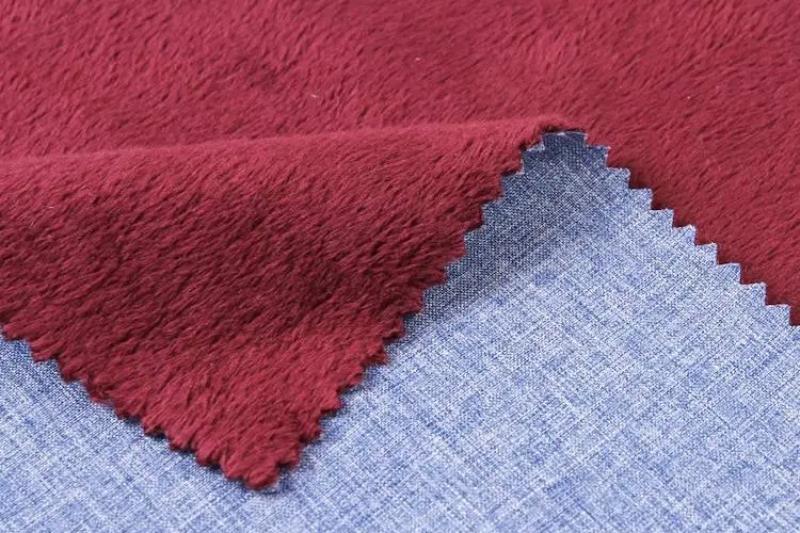
After weaving, the jacquard fabric is finished. This can mean dyeing, brushing, or adding coatings. Finishing makes the fabric look nicer and last longer. Some treatments make the fabric softer or give it special features like water resistance.
Finishing steps like dyeing and coating can make the fabric look better and work better. Softening treatments can make the fabric feel smoother and nicer.
Making jacquard fabric uses both art and technology. Every step, from design to finishing, helps make a fabric that is strong, pretty, and unique.
Jacquard weaving uniqueness
Jacquard loom vs. traditional looms
Jacquard weaving is special because of the jacquard loom. This machine uses punched cards or digital files. These control each warp thread by itself. Traditional looms cannot do this job. They work best for simple fabrics and repeating patterns. The jacquard machine lets people make complex designs in the fabric.
The jacquard loom changed how people made fabric. Before it, making detailed patterns needed many skilled workers. The jacquard machine let one person do the work. This made weaving faster and cost less money. The invention helped factories grow during the Industrial Revolution.
Here is a table that shows how jacquard looms and traditional looms are different:
| Feature | Jacquard Looms | Traditional Looms |
|---|---|---|
| Pattern Capability | Can make very detailed patterns | Best for simple fabrics |
| Production Speed | Slower for hard designs | Faster for simple fabrics |
Jacquard weaving uses new technology. The jacquard loom can lift each thread alone. This lets people make unique and detailed patterns.
Woven patterns vs. printed or embroidered
Jacquard fabric has patterns woven into the cloth. Printed fabrics have designs put on with ink. Embroidered fabrics use thread sewn on top. Jacquard weaving makes the pattern part of the fabric. This makes the fabric strong and helps it last longer.
- Jacquard patterns are very detailed and complex.
- The tight weave makes jacquard fabric strong and hard to wear out.
- Patterns in jacquard fabric do not fade or wash away easily.
- Embroidered parts can last through many washes if made well.
- Printed designs may not last as long, depending on the ink.
Jacquard fabric costs more to make than printed or embroidered fabric. The process uses colored yarns and special machines. But jacquard fabric needs less work after weaving. It also lasts longer and can be sold for more money, especially in luxury stores.
| Aspect | Jacquard Woven Fabrics | Printed/Embroidered Fabrics |
|---|---|---|
| Production Cost | 35-50% higher | Lower |
| Post-Weave Processing | 70% reduction | Higher |
| Product Lifecycle | 40% longer | Shorter |
| Premium Pricing Capacity | 300% in luxury markets | Variable |
Jacquard weaving makes patterns that are part of the fabric. This makes jacquard fabric special and valuable. The process uses both art and technology to make fabric that lasts and looks nice.
Uses and benefits of jacquard fabric
Typical Uses and Everyday Applications
Jacquard is used in many places at home and in clothes. People like jacquard because it looks nice and is strong. The way it is made lets people create many different things. Some common uses are:
- Evening gowns and wedding dresses
- Blazers, jackets, and skirts
- Curtains and drapery
- Cushion covers and throw pillows
- Bedspreads and bedding
- Table linens
- Wall hangings
- Upholstery for armchairs, sofas, ottomans, chairs, and headboards
Jacquard works well for both new and old styles. Designers use jacquard for both fancy and everyday things. The way jacquard is made helps people make items for bedrooms, living rooms, and dining rooms. Jacquard bedding can last five to seven years if you take care of it. Bedding with printed designs usually lasts only two to three years.
Jacquard is special in furniture and clothes because its patterns do not fade or peel off. This makes it a great pick for things people use a lot.
Major Advantages and Distinctive Benefits
Jacquard has many good points compared to other fabrics. The patterns are woven in, so they stay strong and clear. Jacquard is known for being tough and lasting a long time.
| Advantage | Description |
|---|---|
| Strength | Jacquard fabric is very strong and lasts a long time. |
| Pattern Longevity | Patterns are woven in, so they do not wear out or fade. |
| Elastic Recovery | Jacquard keeps its shape, with a recovery rate over 90%. |
| Color Fastness | Washing fastness reaches level 4-5; sun fastness reaches level 7-8. |
| Versatility | Suitable for both traditional and modern interiors. |
Jacquard keeps looking good even after many washes and lots of use. After 5,000 rub tests, jacquard still keeps 98% of its pattern. The way jacquard is made helps it not fade or lose its shape. People use jacquard for furniture, bedding, curtains, and clothes because it stays pretty and strong.
Jacquard mixes art and technology. The way it is made gives fabric that is useful and looks fancy.
The jacquard process has several important steps. First, designers make a pattern using special tools. Next, workers get the yarns ready by warping. Then, weaving happens on advanced looms. After that, finishing makes the fabric strong. Last, quality control checks if everything is good.
Jacquard fabric is used in many places because it looks nice and is tough.
| Industry | Common Use |
|---|---|
| Fashion | Dresses, accessories |
| Home Decor | Curtains, bedding |
| Furniture | Upholstery, cushions |
| Hospitality | Event decorations |
Lots of people like jacquard for its special patterns and careful work. This fabric inspires designers and stays popular with those who want something that lasts.
FAQ
What makes jacquard fabric different from other fabrics?
Jacquard fabric has patterns woven into the cloth. The design is part of the fabric, not printed or stitched on top. This process creates strong, long-lasting patterns.
Can jacquard fabric be washed at home?
Most jacquard fabrics can be washed at home. Use cold water and a gentle cycle. Always check the care label first. Some types, like silk jacquard, may need dry cleaning.
Is jacquard fabric suitable for upholstery?
Yes, jacquard fabric works well for upholstery. It is strong and keeps its shape. The woven patterns do not fade easily, making it a good choice for sofas and chairs.
What fibers are used to make jacquard fabric?
| Fiber Type | Common Use |
|---|---|
| Cotton | Clothing, bedding |
| Polyester | Upholstery, drapes |
| Silk | Dresses, scarves |
| Wool | Blankets, suits |
Jacquard fabric can use one fiber or a blend.