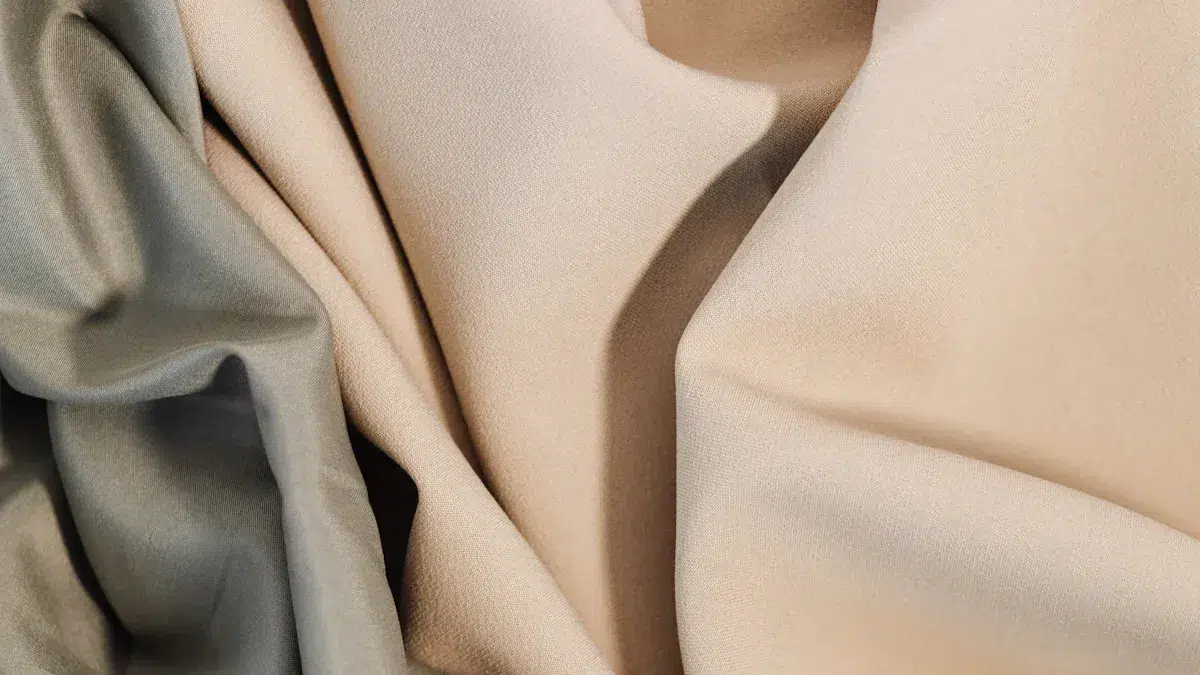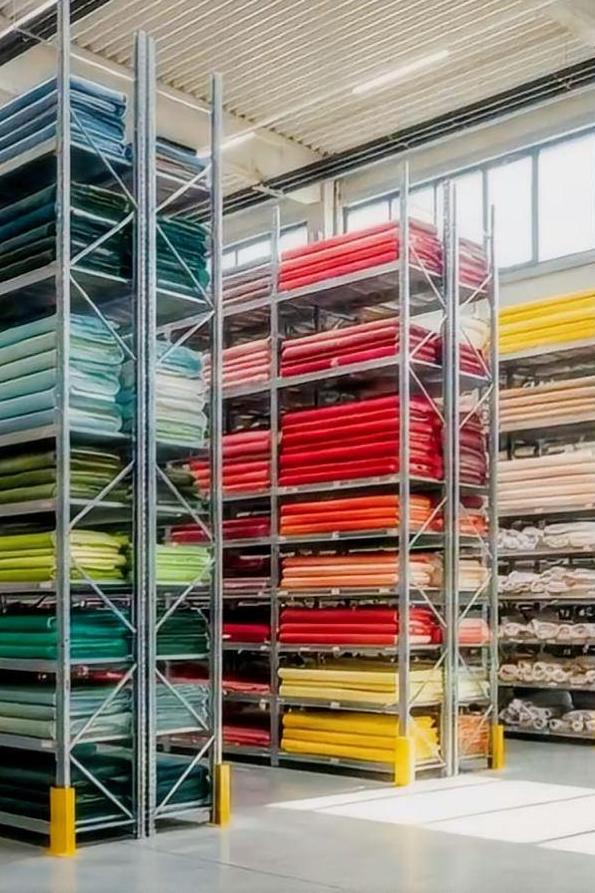
Jersey fabric is made with a special knitting method that uses natural or synthetic yarns. Makers start by making a digital model, picking fibers, and choosing the best knitting way. Machines knit yarn into shapes that make the fabric stretchy and soft. The fabric gets color and designs by dyeing or printing. Last steps are cutting and hemming, which get the fabric ready for clothes and other textiles.
Key Takeaways
- Jersey fabric is made with a special knitting method. This method makes the fabric stretchy and soft. It is great for many types of clothes.
- Natural fibers like cotton and wool are used. Synthetic fibers like polyester and spandex are also used. These fibers change how comfortable and strong jersey fabric is.
- The process to make jersey fabric has many steps. These steps are designing patterns, preparing yarn, knitting, dyeing, and finishing. Each step helps make the fabric high quality.
- There are different types of jersey fabric. Single and double jersey are two types. Each type has special features and uses. This makes them good for casual clothes, sportswear, and more.
- You need to care for jersey fabric the right way. Wash it in cold water and do not use high heat. This helps the fabric keep its shape and stay comfortable for a long time.
Materials used in the manufacture of jersey fabric
Natural Fibers: Cotton, Wool, Silk
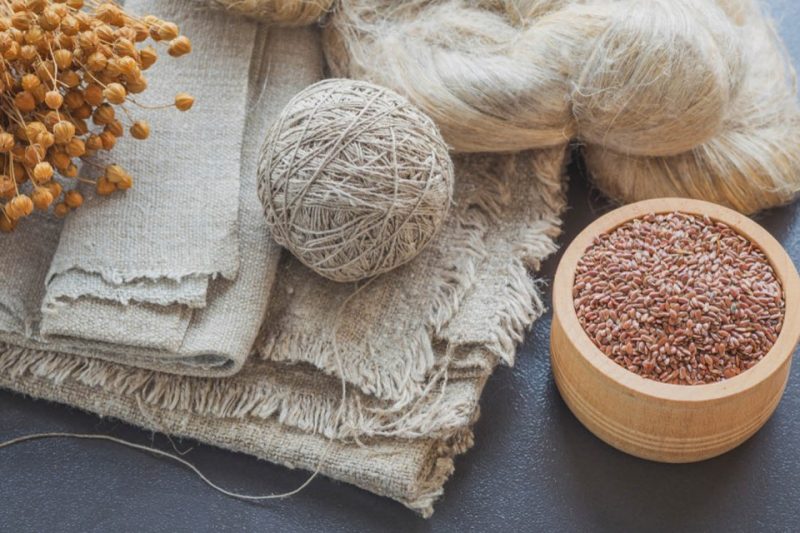
Jersey fabric uses many natural fibers. Cotton is the most common. It feels soft and lets air pass through, so it is comfortable for everyday clothes. Wool gives warmth and stretches well. It helps the fabric keep its shape and works best in cold weather. Silk adds a smooth touch and makes the fabric look shiny. It also helps control temperature, so clothes feel good in different seasons.
Other natural fibers sometimes appear in jersey fabric.
- Cotton: Most popular for softness and breathability.
- Hemp: Used in premium fabrics, known for strength.
- Linen: Comes from flax, chosen for high-quality textiles.
The table below shows how cotton, wool, and silk change the feel and use of jersey fabric:
| Fiber | Properties | Influence on Jersey Fabric |
|---|---|---|
| Cotton | Soft, breathable, absorbs moisture | Makes fabric comfy and good for warm weather. |
| Wool | Warm, stretchy, keeps moisture away | Adds warmth and helps fabric hold its shape. |
| Silk | Smooth, strong, controls temperature | Gives a fancy look and feels nice in many climates. |
Synthetic Fibers: Polyester, Viscose, Spandex
Synthetic fibers help jersey fabric last longer and stretch more. Polyester is strong and does not wrinkle easily. It dries fast and keeps colors bright. Rayon, also called viscose, feels soft and lets skin breathe. It makes the fabric smooth, like silk. Spandex gives jersey fabric extra stretch. Clothes fit better and move with the body.
The table below lists the main synthetic fibers and their benefits:
| Fiber | Advantages |
|---|---|
| Polyester | Strong, resists wrinkles, dries quickly, keeps colors bright |
| Rayon | Soft, breathable, absorbs moisture, feels like silk |
| Spandex | Stretches a lot, snaps back, fits close to the body |
Fiber choice changes how jersey fabric feels and works.
- Polyester makes fabric tough and hard to tear or shrink.
- Spandex lets fabric stretch and move easily.
- Viscose adds softness and comfort.
Tip: Mixing natural and synthetic fibers can make jersey fabric both soft and strong. This helps clothes last longer and feel better.
Jersey fabric manufacturing process
| Step | Description |
|---|---|
| Yarn Selection | Picking the right yarn makes the fabric smooth and helps prints look clear. |
| Weaving Process | This step makes the fabric even and smooth, which helps the quality. |
| Pre-treatment | This step cleans the fabric so dye sticks well and colors look bright. |
| Printing Process | Different ways of printing change how fast and bright the colors are. |
| Drying and Setting | This step keeps the pattern in place and stops shrinking. |
| Finishing Processes | These steps make the fabric feel better and work well for clothes. |
Yarn Preparation Steps
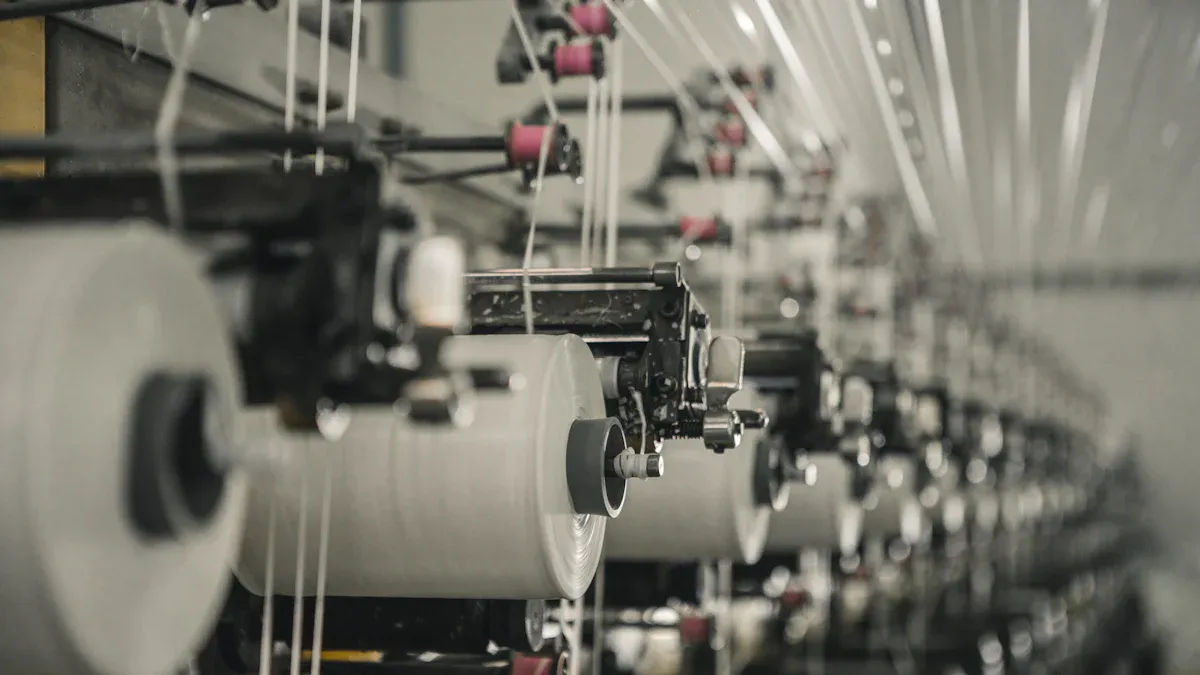
Yarn preparation is important for making good jersey fabric. First, fibers are opened and mixed together. Carding turns the fibers into long ropes called slivers. These slivers are pulled and spun into yarn. Ring spinning and open-end spinning are two common ways to make yarn. Keeping the right tension while winding and beaming stops the yarn from breaking.
- Open and mix the fibers.
- Card the fibers into slivers.
- Pull and spin slivers into yarn.
- Control tension when winding and beaming.
Tests check if the yarn and fabric are even. Tools like the Uster evenness tester measure how smooth the yarn is. The weight of the fabric is checked in grams per square meter. Shrinkage is tested by washing samples. Yarn twist changes how strong and soft the fabric is. Low-twist yarns make soft fabric. High-twist yarns make crisp fabric. Strong yarns help the fabric last longer. Flexible yarns make the fabric comfy and easy to wear.
- Yarn twist changes how the fabric feels and looks.
- Strong yarns make better fabric and help machines work well.
- Flexible yarns stop machines from wearing out and keep the fabric even.
- Good moisture absorption makes the fabric cool to wear.
- Smooth yarns help make fabric faster.
Knitting Techniques in Jersey Fabric
Knitting is the main part of making jersey fabric. Machines turn yarn into fabric using different ways. Circular knitting machines make tubes of fabric fast and without seams. Flat-bed machines make shaped pieces and give more control. Single jersey machines use one set of needles to make fabric with one face. Double jersey machines use two sets of needles to knit both sides, making thicker and stretchier fabric.
- Circular knitting machines make seamless fabric with a spinning cylinder and latch needles.
- Flat-bed machines use a carriage to shape the fabric.
- Single jersey machines are quick and save money.
- Double jersey machines make thicker fabric and allow more designs.
Single jersey knitting makes light fabric with a smooth side. One side has knit stitches and the other has purl stitches. This gives the fabric stretch and comfort. Ribbed jersey fabric has raised lines that add texture. Using Lycra yarn makes the fabric stronger and stretchier. Cotton and Lycra together make ribbed jersey fabric stretchy and tough.
- Single jersey knitting gives smooth, stretchy fabric.
- Ribbed jersey fabric has a special texture and strong stretch.
- The knitting way changes how soft and stretchy the fabric is.
Dyeing and Printing Methods
Dyeing and printing add color and patterns to jersey fabric. Reactive dyes and pigment dyes are used a lot. Piece dyeing colors the fabric before cutting. Garment dyeing colors finished clothes. Sublimation printing uses heat to put dye on synthetic fabrics like polyester. Pigment printing uses ink for a soft look on cotton, linen, and rayon. Reactive printing makes bright colors on natural fibers.
| Printing Method | Description |
|---|---|
| Sublimation Printing | Uses heat to put dye on synthetic fabrics like polyester and nylon. |
| Pigment Printing | Uses pigment inks for a soft look on cotton, linen, and rayon. |
| Reactive Printing | Uses reactive dyes for bright colors on cotton and linen. |
Different dyeing and printing ways change how the fabric looks and lasts. Pigment dyes give okay color and color stays on the surface. Reactive dyes give bright colors that go deep into the fabric. These ways help make bright colors, clear patterns, and soft fabric. The fabric stays comfy and does not fade after washing.
Tip: Picking the right dyeing and printing way helps jersey fabric keep its color and softness for a long time.
Finishing Steps for Jersey Fabric
Finishing steps make jersey fabric softer and stronger. Jet dyeing uses high-pressure machines to make fibers soft. Emerising makes the surface smooth by raising tiny fibers. Bio-wash takes away fuzz and stops pilling. Pre-shrunk treatment helps the fabric keep its shape after washing. Mercerization makes cotton jersey stronger and shinier.
- Jet dyeing makes fibers soft.
- Emerising makes the surface smooth.
- Bio-wash stops pilling.
- Pre-shrunk treatment keeps the fabric in shape.
- Mercerization makes the fabric strong and shiny.
These finishing steps help make great jersey fabric. The fabric feels soft, lasts longer, and keeps its shape and color after many washes. Good finishing makes the fabric comfy and useful for everyday clothes.
Note: Picking the right fabric and finishing steps is important for making fabric that is comfy and lasts a long time.
Types of jersey fabric
Jersey fabric comes in many forms. Each type has special qualities. The main types are single jersey and double jersey. There are other kinds too. These have different textures and uses. Knowing the differences helps people pick the right fabric.
Single Jersey: Structure and Uses
Single jersey is the most common type. It is made with one set of needles. This creates a single layer. The front side feels smooth. The back side has a little texture. This fabric is light and soft. Air moves through it easily. It stretches well but can curl at the edges.
Common uses for single jersey include:
- T-shirts, tank tops, and loungewear
- Athletic tops, shorts, and leggings
- Underwear and bras
People often wonder how jersey fabric is used every day. Single jersey works best for casual clothes and sportswear. It feels comfy and moves with your body. It lets air pass through, so it is good for bed sheets and pillowcases.
| Feature | Single Jersey |
|---|---|
| Structure | One set of needles, single-layer |
| Appearance & Feel | Smooth front, textured back |
| Thickness & Weight | Lightweight, soft, breathable |
| Stretch & Stability | Good stretch, tends to curl |
| Applications | T-shirts, dresses, casual wear |
Double Jersey: Structure and Uses
Double jersey is another main type. It uses two sets of needles. This makes a double-layer fabric. Both sides look and feel the same. The surface is firm and stable. Double jersey is thicker and heavier. It lasts longer than single jersey. It does not curl at the edges. It keeps its shape well.
Advantages of double jersey:
- Gives good recovery and less stretch
- Offers more warmth and less see-through
- Makes sewing and cutting easier
How is jersey fabric used in this form? Double jersey is great for jackets, skirts, and leggings. It is good for clothes that need to be firm, like polo shirts. People also use it for yoga pants and sweatshirts. These clothes need to be strong and not see-through.
| Feature | Double Jersey |
|---|---|
| Structure | Two sets of needles, double-layer |
| Appearance & Feel | Same on both sides, structured feel |
| Thickness & Weight | Thicker, heavier, more durable |
| Stretch & Stability | More stable, does not curl |
| Applications | Jackets, skirts, leggings, outerwear |
Other variations
There are other types of jersey fabric too:
- Stretch Jersey Knits: These are not see-through and stretch a lot. They are used for sportswear and tight t-shirts.
- Interlock Jersey Knits: These are strong and do not curl. They are good for polo shirts and sportswear.
- Jacquard Jersey Knits: These have double faces and fancy patterns. They are perfect for stylish clothes.
- Bamboo and Modal Blends: These come from natural sources. They break down easily and soak up moisture well. Modal soaks up more than cotton. Bamboo soaks up even more. Both are great for hot weather.
Each kind changes how jersey fabric feels and works. Some stretch more. Others are firmer or have cool designs. These choices show how many types of jersey fabric there are for different clothes.
FAQ
What makes jersey fabric different from other knits?
Jersey fabric uses a single-knit method. This gives it a smooth front and a textured back. It stretches more than woven fabrics. Most jersey fabrics feel soft and light.
Can jersey fabric shrink after washing?
Jersey fabric can shrink, especially if made from cotton or wool. Pre-shrunk treatments help reduce shrinkage. Always check care labels before washing.
Is jersey fabric good for hot weather?
Jersey fabric works well in hot weather. Cotton and bamboo jersey let air pass through. These fabrics absorb sweat and dry quickly.
Tip: Choose lighter jersey for summer clothes. Heavy jersey suits cooler days.
How do I care for jersey fabric?
Wash jersey fabric in cold water. Use gentle detergent. Avoid high heat when drying. Fold clothes to keep their shape.
| Care Step | Recommendation |
|---|---|
| Washing | Cold water, gentle |
| Drying | Low heat or air dry |
| Storage | Fold, avoid hanging |
What clothes use jersey fabric most?
Jersey fabric appears in T-shirts, dresses, leggings, and sportswear. Many brands use it for underwear and pajamas. It also works for bed sheets and pillowcases.