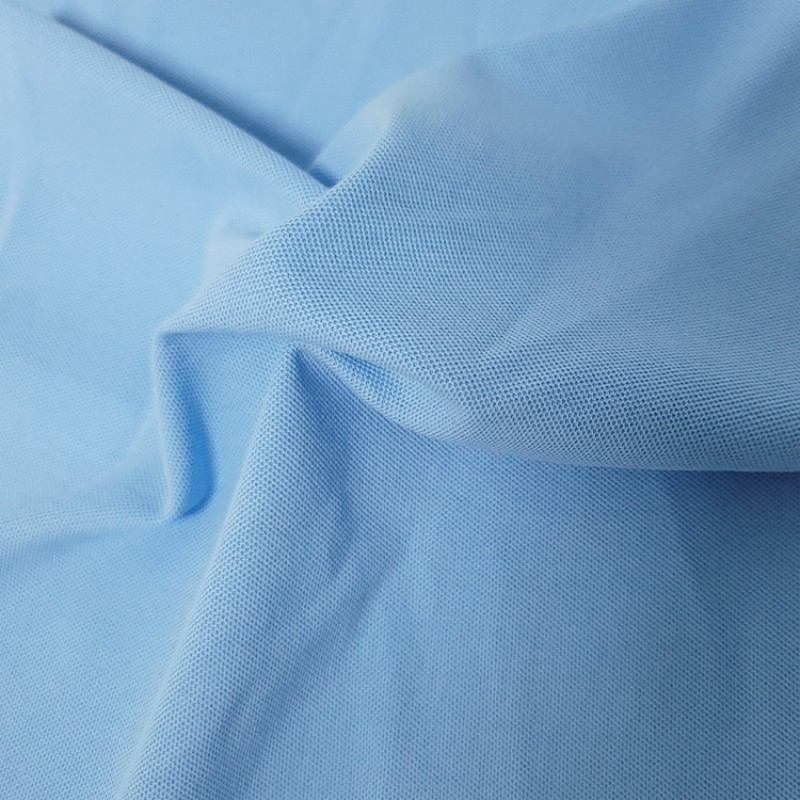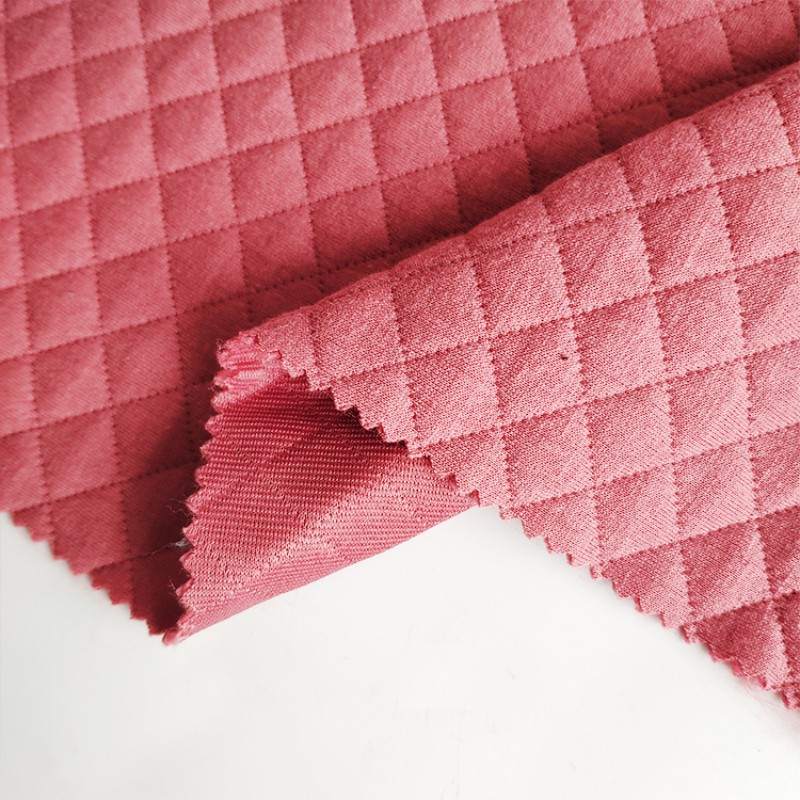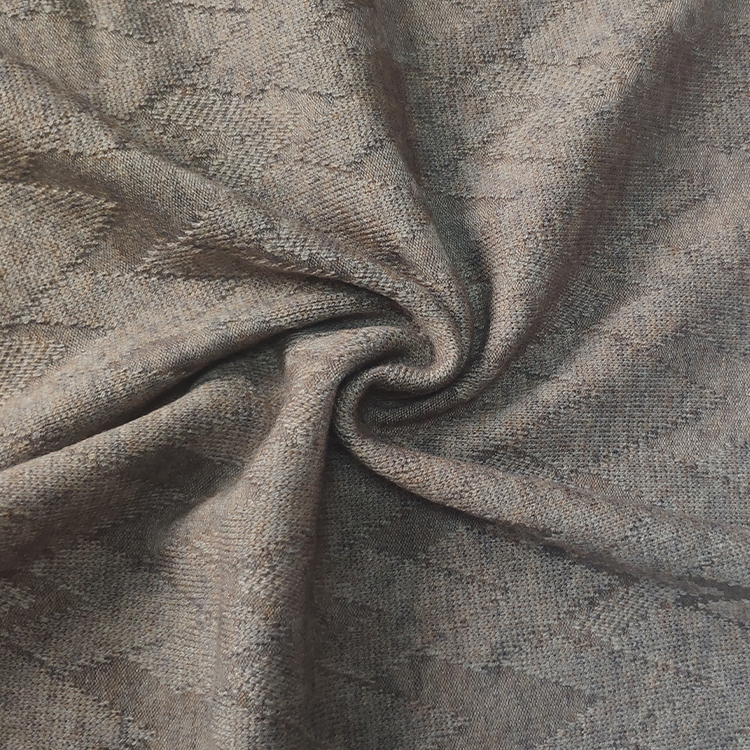
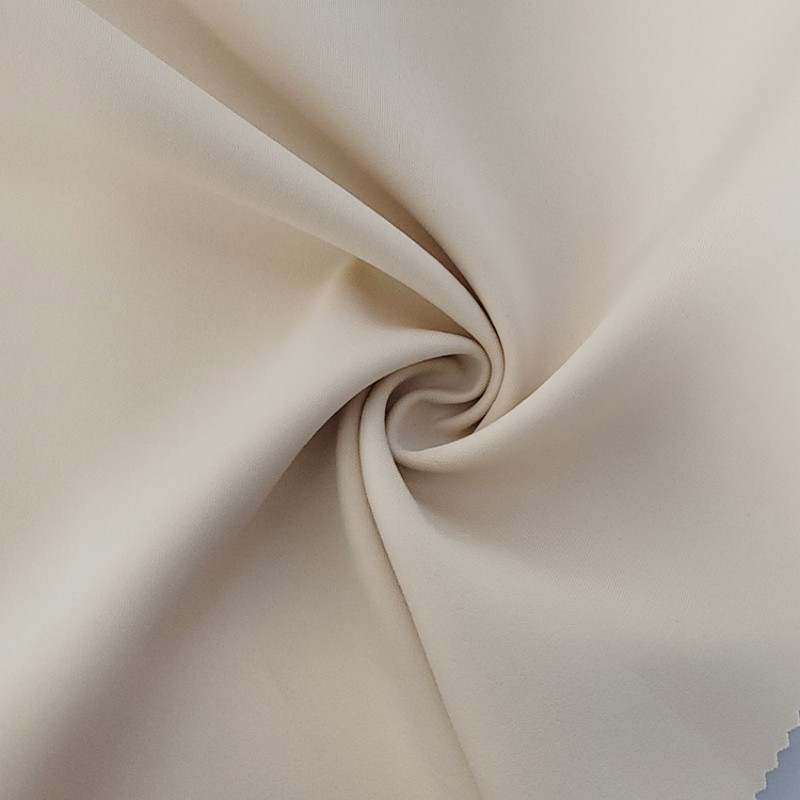
Bonded fabric excels at heat retention and wind resistance, while effectively wicking away excess moisture. Thanks to these practical properties, it is an ideal material for winter apparel. As a leading manufacturer of bonded and knitted fabrics, Starke delivers dependable fabric solutions that ensure warmth and all-day comfort in chilly conditions.
Key Takeaways
- Composite fabrics are ideal for winter clothing. They offer excellent warmth, windproofing, and moisture-wicking properties.
- When choosing winter clothing, consider layering. Start with a moisture-wicking, quick-drying inner layer, then add a warm mid-layer, and finally an outer layer to protect against harsh weather.
- Starke’s composite fabrics are environmentally friendly and certified. They are a wise choice for brands looking to produce eco-friendly winter clothing.
Bonded fabric explained
Manufacturing Methods of Composite Fabrics
Composite fabrics are made by bonding two or more layers of materials together. This special process helps to enhance the strength of the fabric. Many winter garments use polyester fabric because it is strong, durable, and easy to wash. The seam-bonding method is widely used in factories. This method does not use weaving or knitting techniques; instead, it bonds the fibers together, thereby enhancing the fabric’s strength and support. The following is the manufacturing process:
- Needles go down at certain angles and poke the fiber web.
- Yarn guides put stitching thread into the needle’s eye.
- Needles move up and make loops that join with the fibers.
- The machine locks these loops so the fabric stays strong.
Polyester fibers are often used for outer layers to help protect against wind and rain. Inner layers can be made of soft fleece or brushed polyester fibers for warmth. Starke uses modern machinery to produce high-quality bonded and knitted fabrics, offering a wide range of colors, weights, and finishes.
Types of Bonded Fabrics
Polyester bonded fabrics come in various types, each with characteristics suitable for winter wear:
- Warmth: Fleece-backed polyester keeps heat in well.
- Durability: Bonding makes polyester hard to rip.
- Comfort: Soft fleece or brushed polyester feels nice on skin.
- Breathability: Light polyester lets air move, so you stay dry.
Starke gives custom choices for every type. Their fabrics follow strict rules for safety and being eco-friendly.
| Certification |
|---|
| OEKO-TEX® STANDARD 100 |
| HIGG Index requirements |
| GRS (for recycled bonded fabrics) |
Benefits of bonded fabric for winter
.jpg)
Warmth and Insulation
Composite fabrics are ideal for winter wear because they effectively lock in heat. The multi-layered construction locks in heat for added comfort. Manufacturers typically use multi-layered constructions and often add a soft fleece layer. Tests show that the optimal composite temperature for polypropylene fibers is around 145˚C. This makes the fibers stronger and helps retain warmth. Starke’s composite fabrics use a new process to create a multi-layered structure for even better heat retention. Many jackets feature a three-layer construction: a strong outer layer, a soft inner layer, and a middle layer for extra warmth. These multi-layered structures help keep people warm even in frigid weather.
Windproof and Waterproof
Composite fabrics, due to their thick and dense structure, help prevent heat loss and effectively block cold winds. They are warm yet lightweight, providing protection from harsh weather while remaining comfortable.
| Feature | Bonded Fabric | Single-Layer Fabric |
|---|---|---|
| Air Permeability | 0 CFM | N/A |
| Wind Penetration | Eliminated | N/A |
| Convective Heat Loss | Prevented | N/A |
| Bulk | Less | N/A |
Composite fabrics are also effectively waterproof. Many winter coats made with composite fabrics can withstand heavy rain and snow, with waterproof ratings ranging from 5,000 to 20,000 mm.
| Water Resistance Rating (mm) | Breathability (g/m²/24h) | Weight (g/m²) |
|---|---|---|
| 5,000 – 10,000 | 3,000 – 8,000 | 220 – 320 |
| 8,000 – 15,000 | 3,000 – 10,000 | 280 – 500 |
| Up to 20,000 | N/A | N/A |
Moisture-wicking
Keeping your skin dry is crucial in winter. Bonded fabrics use synthetic fibers that quickly wick away sweat. These fibers absorb moisture 50% faster than natural fibers. The multi-layered structure rapidly absorbs sweat and dries quickly, keeping you comfortable during exercise or outdoor activities. Starke’s bonded fabrics absorb less than 1% of water (by weight), while natural fibers absorb more than 10%. This means bonded fabrics are quick-drying and warm.
| Property | Synthetic Fibers | Natural Fibers |
|---|---|---|
| Wicking Speed | Moves moisture 50% faster | Slower moisture transport |
| Drying Time | Dries faster than cotton | Retain water longer |
| Moisture Absorption | Absorbs <1% by weight | Absorbs over 10% by weight |
Comfort and Flexibility
The composite fabric is soft to the touch and allows for free movement. The fabric layers are made of fleece or brushed polyester, offering a comfortable feel against the skin. Starke allows brands to choose their desired weight, color, and finish. The fabric has excellent elasticity, allowing for movement and ensuring comfort all day long when wearing jackets and trousers. Certifications such as OEKO-TEX and GRS demonstrate that Starke’s composite fabric production methods are environmentally friendly.
- Fleece layers give warmth and softness.
- Flexible layers help you move easily.
- Eco-certified layers are better for the environment.
Best fabrics to wear in winter: Bonded fabric vs. others
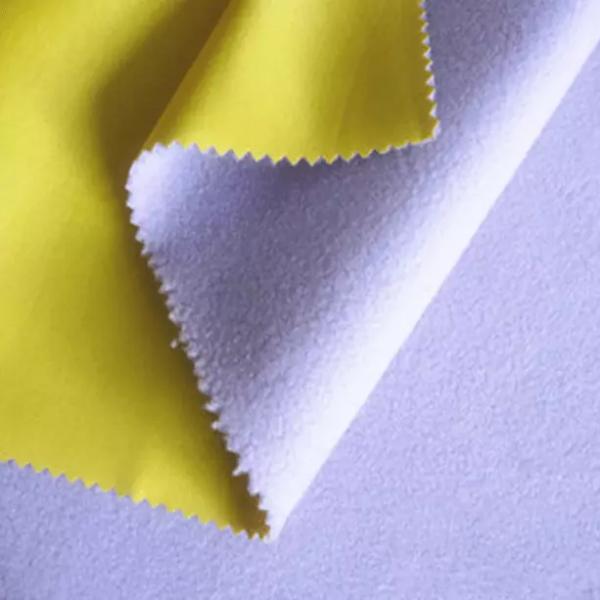
Choosing the right winter fabric helps with warmth and protection against the cold. Composite fabrics, wool, fleece, and down each have their unique advantages in terms of warmth.
Composite Fabrics vs. Wool
Both composite fabrics and wool provide warmth in cold weather. Wool, derived from sheep, has natural insulating properties. Composite fabrics, on the other hand, use a multi-layered structure to lock in heat and block out cold winds. Many winter coats use composite fabrics because they are lighter and more comfortable to wear.
| Aspect | Bonded Fabric Advantages | Wool Comparison |
|---|---|---|
| Warmth | Double-layer construction provides excellent insulation and warmth against the cold. | Wool is warm but can be heavier. |
| Weight | Generally lighter than wool, making it easier to wear for extended periods. | Wool can be heavier and bulkier. |
| Maintenance | Easy to care for; retains shape and softness after washing. | Wool requires more delicate care. |
Double-layered composite fabrics effectively lock in heat. Wool is also warm, but can feel heavy. Composite fabrics are lighter and more comfortable to wear, preventing fatigue even after prolonged use. Wool requires gentle washing and drying. Composite fabrics remain soft after washing and are less prone to deformation.
Composite Fabrics vs. Fleece
Fleece is a popular choice for winter clothing. It’s soft to the touch and provides excellent warmth. Composite fabrics often include fleece as one layer. This makes the garment even warmer and more windproof.
| Fabric Type | Insulation Properties | Weather Resistance |
|---|---|---|
| Bonded Fleece | Enhances warmth due to bonding with another fabric | Resistant to wind and other weather elements |
| Fleece | Various types with thermal performance | Lacks specific weather resistance details |
Composite fleece fabric combines two fabrics together for enhanced warmth. It effectively blocks wind and traps heat. While regular fleece is warm, it’s not as windproof as composite fleece. Composite fabrics are better suited for outdoor clothing because they offer better protection against harsh weather.
- Composite fleece is bonded together with other fabrics for increased warmth.
- It helps block wind and other harsh weather conditions.
Composite fabric is more durable than regular fleece. It’s less prone to tearing or pilling. Composite fabric can be washed in cold water, avoiding high temperatures. Regular fleece requires more careful washing to prevent damage.
| Property | Bonded Fleece | Traditional Fleece |
|---|---|---|
| Durability | Enhanced durability, resistant to tears, abrasions, and pilling | Less durable, more prone to pilling |
| Care Requirements | Machine washable, cold water, avoid high heat | Similar, but may require more caution |
| Insulation | Excellent insulation with air pockets | Good insulation, but less effective |
| Moisture-wicking | Absorbs moisture and dries quickly | Less effective moisture management |
Composite fabrics wick away sweat quickly, while fleece is less effective at doing so. Starke’s composite fabrics feature a special multi-layered structure to keep you dry and warm in winter.
Composite Fabrics vs. Down
Down, derived from duck or goose down, traps air and is extremely warm. Many winter outerwear uses down for warmth. Composite fabrics use a multi-layered structure to lock in heat and block out cold winds.
Down is very lightweight and stays warm in cold weather, making it ideal for jackets and coats. Composite fabrics are also lightweight and warm, and they are waterproof and windproof, making them ideal for outdoor clothing.
Down must be kept dry to retain warmth. Composite fabrics are waterproof and moisture-proof and dry quickly. Down requires gentle washing and air drying. Composite fabrics are easier to wash and less prone to deformation.
Down is portable and convenient for travel. Composite fabrics remain soft and comfortable. Both fabrics help you stay warm in winter. Starke’s bonded fabrics are environmentally friendly and can be produced in various ways to meet brand requirements.
| Feature | Bonded Fabric | Down |
|---|---|---|
| Warmth | Excellent insulation | High warmth-to-weight ratio |
| Weight | Lightweight | Lightweight |
| Weather Resistance | Wind and water resistant | Loses warmth when wet |
| Maintenance | Easy to care for | Needs gentle care |
| Moisture Management | Dries quickly | Slow drying |
Composite fabrics are one of the best choices for winter. They are warm, durable, and easy to care for. Wool, fleece, and down are also good options, but composite fabrics combine warmth and ease of use, making them ideal for winter clothing.
Best materials to keep you warm: Practical tips
How to Choose the Right Winter Clothing
The first step in choosing winter clothing is understanding your own needs. If you’re skiing, hiking, or going to school in cold weather, you’ll need to choose clothing suitable for your activities.
When choosing composite fabrics for winter sportswear, consider the following:
- Layering: Start with a base layer made of polyester or nylon. These help control sweat.
- Insulation Types: Thin bonded fabrics make good warm middle layers. They do not feel heavy.
- Moisture Management: Bonded fabrics move sweat away fast. This keeps your skin dry when you move.
- Weather Protection: The outside layer with bonded fabric blocks wind and water. This is good for winter style.
Starke offers you a wide range of options for your winter clothing. You can choose the color, weight, feel, and stretch. The table below lists some of the options you can select:
| Customization Aspect | Details |
|---|---|
| Color Matching | Pantone color matching available. |
| Weight Adjustments | Options range from 100 to 450 g/m². |
| Texture Modifications | Modify texture for soft drape or crisp structure. |
| Stretch Properties | Non-stretch, 2-way, or 4-way stretch options. |
| Eco-Friendly Materials | Bio-based TPU, GRS-certified recycled polyester, PFC-free DWR treatments. |
| Certifications Supported | OEKO-TEX Standard 100, Bluesign, and others. |
Starke’s composite fabrics are durable and environmentally friendly. These properties help the brand create long-lasting winter clothing capable of withstanding harsh weather.
Ultimate Warmth and Comfort
The key to staying warm in winter is layering. First, the base layer should have excellent moisture-wicking properties; nylon or polyester fabrics are ideal. The middle layer should be warm, such as composite fleece or special polyester fabrics. These fabrics lock in heat while being soft and comfortable to the touch. The outermost layer must be able to withstand wind, rain, and snow.
Here are some steps to staying warm and comfortable:
- Base Layer: Pick nylon or polyester to keep skin dry.
- Mid-Layer: Use bonded fabric or fleece for warmth.
- Outer Layer: Wear a waterproof top layer that blocks wind and water.
When you buy winter clothes, check these things for bonded fabric:
| Criteria | Description |
|---|---|
| Bond Strength | Look for over 800 g/in for strong hold. |
| Water Resistance | Pick 5,000 mm or more to stop rain. |
| Breathability | At least 5,000 g/m²/24hr for sports or play. |
| Stretch and Recovery | Good stretch helps clothes fit well and move with you. |
| Durability Metrics | 20,000 or more cycles in abrasion tests means it lasts long. |
| Weight and Thickness | 150–250 gsm is good for clothes; heavier for work gear. |
| Environmental Resistance | Should resist sun, mildew, and chemicals. |
Fused fabrics are not always the best choice.
Fused fabrics are suitable for most winter clothing. However, sometimes other fabrics may be superior. If you prefer natural fibers or warmer fabrics, consider other options.
- Base Layer: Merino wool (150-200g/m²) or special polyester keeps sweat away and helps control heat.
- Mid-Layer: Technical fleece (200-300g/m²), synthetic insulation like PrimaLoft or Thinsulate, or special down for warmth.
- Outer Layer: Good waterproof layers should have at least 15,000 mm waterproofing and 15,000 g/m²/24 h breathability.
Nylon is also a key fabric in winter sportswear. It’s strong, durable, and breathable. Some people prefer wool because it’s warmer. Fleece and synthetic fabrics keep you warm and dry quickly.
FAQ
Why are composite fabrics suitable for winter wear?
Composite fabrics have a multi-layered structure, thus effectively retaining warmth, preventing cold air from penetrating, and aiding in waterproofing. Many winter coats use a three-layer construction for added warmth and comfort.
Are composite fabrics easy to wash?
Composite fabrics can be washed in cold water and are less prone to deformation after washing. Most brands recommend against using high temperatures when tumble drying.
Are composite fabrics environmentally friendly?
Starke’s composite fabrics are OEKO-TEX Standard 100 and GRS certified. These certifications are more environmentally friendly and help the brand produce eco-friendly clothing.