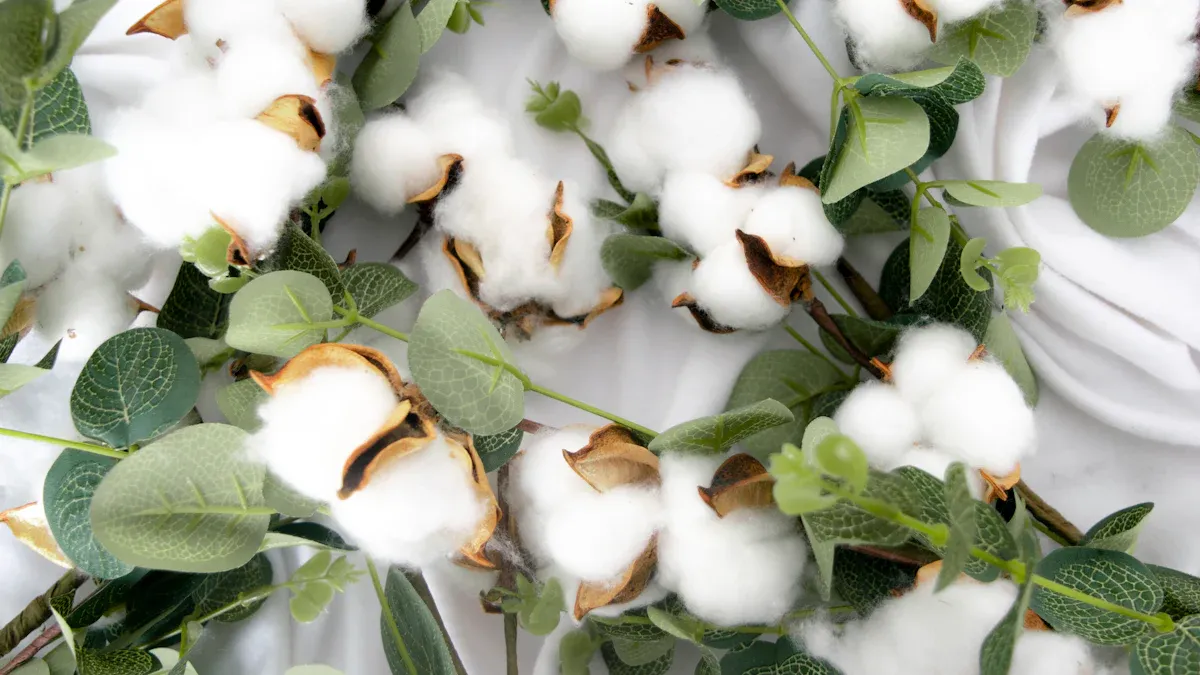
Organic cotton fabric can break down naturally. This fiber comes from the cotton plant and is mostly made of cellulose. Microbes can break down cellulose easily, which happens frequently in compost piles. If composting is done right, organic cotton fabric can break down in 1 to 5 months. In compost, cotton breaks down faster than synthetic fibers. Organic cotton fabric with natural dyes breaks down the fastest. Many people want products that are good for the planet, so they choose organic cotton fabric because it is safe and sustainable.
Key Takeaways
- Organic cotton fabric breaks down in compost. It takes 1 to 5 months. This is much faster than synthetic materials.
- Microbes in soil and compost help break down organic cotton. They break down cellulose. This makes organic cotton good for the environment.
- Pick pure organic cotton with no chemical treatments. Do not choose cotton with synthetic blends. This helps it break down better and lowers harm to nature.
- Composting organic cotton the right way helps keep the planet clean. It gives nutrients back to the soil. It also cuts down on landfill trash.
- Check for trusted labels like GOTS and USDA Organic. These labels show your cotton is truly organic and safe for the environment.
Is Organic Cotton Fabric Biodegradable?
Cellulose and Natural Fiber Structure
Organic cotton fabric can break down because it comes from the cotton plant. The main part of this fabric is cellulose. Cellulose is a natural polymer made from glucose units. These units join together to make strong fibers. Even though these fibers are strong, they are still natural and can break down over time.
- Cellulose is made of glucose monomers joined by β-glycosidic linkages.
- This makes fibers that are very strong and hard to break down.
- Microorganisms make enzymes called cellulases that help break down cellulose, which helps it biodegrade.
Studies show that cellulose fibers in organic cotton fabric can break down. Microorganisms in the soil make special enzymes called cellulases. These enzymes turn cellulose into simple sugars. Tests where cotton is buried in soil show that it can break down a lot. This proves that organic cotton fabric is a biodegradable material.
Microbial Breakdown Process
Tiny living things called microbes help break down organic cotton fabric. These microbes live in soil and compost piles. They use enzymes to break the cellulose in the fabric into smaller pieces. This can happen with or without oxygen. But compost piles with good air, water, and warmth help microbes work faster.
Note: Composting organic cotton fabric in a well-managed pile can help it break down faster. This means less trash in landfills and a cleaner planet.
How fast organic cotton fabric breaks down depends on the conditions. In the best compost piles, it can break down in about 1 to 5 months. Some studies say it can take up to 6 months in some cases. This is much faster than synthetic materials, which can take years to break down. Because of this, organic cotton fabric is special because it breaks down quickly and naturally.
Factors Affecting Biodegradability
Chemical Treatments and Dyes
Organic cotton fabrics do not all break down at the same speed. Chemicals and dyes can change how fast the fabric breaks down. Some finishes, like DMDHEU resin, make cotton harder to decompose. This resin lowers how much cotton can break down by about 6.5%. Some softeners, like amino-functional silicone, help cotton break down faster. These softeners can make cotton decompose 5.5% more. The finish or dye used is important. Fabrics with softeners break down faster than those with water-repellent or durable press finishes. Dyes such as C. I. Reactive Blue 19 can slow down the process. These treatments change how enzymes stick to cotton fibers. This affects how quickly microbes can break down the fabric. When picking eco-friendly materials, look for fabrics with fewer chemicals and natural dyes.
Environmental Factors Affecting Biodegradability
Where you compost organic cotton matters a lot. Microbes need good conditions to work well. The most important things are:
- Temperatures between 68°F and 104°F (20°C to 40°C) help microbes stay active.
- Enough water keeps microbes alive and helps them move nutrients.
- Plenty of air lets microbes break down cotton quickly.
If these things are missing, the fabric takes longer to break down. Composting organic cotton in a well-managed pile helps it decompose faster. This also supports using eco-friendly materials.
Blends and Additives
Many fabrics mix organic cotton with synthetic fibers like polyester. Cotton breaks down easily, but polyester does not. In blended fabrics, the cotton part breaks down first. The synthetic part stays in the environment for a long time. This means blended fabrics are not fully biodegradable. Picking pure organic cotton is better for the planet. It leaves less waste behind.
Organic Cotton vs. Other Materials
Conventional Cotton Comparison
Organic cotton and conventional cotton both come from the same plant. But they do not break down in the same way. Organic cotton breaks down faster and more fully in compost. This happens because it does not have as many chemicals. The table below shows how these types are different:
| Type of Cotton | Biodegradability in Compost | Notes |
|---|---|---|
| Organic Cotton | 99% in 84 days | Makes the end of its life cycle much better for the planet. |
| Conventional Cotton | Lower than organic cotton | Mixing with organic cotton lowers how much breaks down to 65%. |
| Blended Cotton | 65% biodegradability | Used a lot, but not as good for the earth as pure organic cotton. |
Organic cotton is a good choice for the planet. It uses fewer chemicals, so it keeps soil and water safe. Conventional cotton uses more pesticides and fertilizers. These chemicals can hurt nature and slow down how fast the fabric breaks down. Picking organic cotton helps cut down on waste and is better for the earth.
Synthetic Fibers Comparison
Synthetic fibers like polyester and nylon are not like organic cotton. They are made from chemicals that come from oil. These fibers do not break down quickly. The table below shows how long they take to go away:
| Material | Average Decomposition Time |
|---|---|
| Organic Cotton | 1-6 months |
| Synthetic Fibers | 20-200 years or longer |
Synthetic fibers can stay in nature for hundreds of years. They also make microplastic pollution worse. About 35% of all microplastics in the ocean come from these fibers. They do not help the soil. Instead, they can hurt the dirt and water.
Tip: Picking eco-friendly things like organic cotton helps keep trash out of landfills and lowers pollution. When organic cotton breaks down, it gives nutrients back to the soil. This helps plants grow and makes the soil better.
Farmers who grow organic cotton use safe methods. They do not use harmful chemicals. This helps bees and other animals and keeps nature healthy. These ways make organic cotton a great pick for green fashion and living.
Environmental Impact of Organic Cotton
Benefits of Biodegradable Materials
Picking organic cotton helps the earth in many ways. Farmers use safe farming methods that do not hurt nature. They do not use synthetic pesticides or fertilizers. This keeps the soil and water clean. Bees and other pollinators can live and work safely. Healthy ecosystems need clean water and soil. Using biodegradable materials helps cut down on landfill waste. Organic cotton breaks down fast and gives nutrients back to the soil. This makes it a smart choice for clothes and other things.
- Conventional cotton farming uses about 25% of all pesticides. These chemicals can make water and soil dirty.
- Making one regular cotton T-shirt uses over 2,700 liters of water. This can take away water from nature.
- Organic cotton farming lowers greenhouse gas emissions. It does not use synthetic fertilizers.
Many governments and groups want people to use sustainable materials. The European Green Deal asks companies to use recycled or reused materials. The fashion world is starting to use more organic cotton. These actions help keep the planet safe for the future.
Picking sustainable materials like organic cotton helps keep water clean, soil healthy, and makes the future better.
Limitations and Challenges
Organic cotton is good for the environment, but there are some problems. Some fabrics have chemical treatments or dyes. These can slow down how fast they break down. If people throw organic cotton in landfills, it may not break down quickly. Fabrics mixed with synthetic fibers do not break down all the way. They leave waste behind.
Rules and standards help make organic cotton farming better. The table below shows how these rules work:
| Aspect | Description |
|---|---|
| Certification Authority | GOTS Certification Bodies check and certify farms and factories. |
| Environmental Criteria | Strict rules on chemicals make sure they are safe. |
| Social Criteria | Workers must be treated fairly during production. |
| Processing Standards | All steps from making to selling must follow eco and social rules. |
How people use and throw away products matters a lot. To help the environment most, pick pure organic cotton and compost it. This helps keep pollution low and supports a green lifestyle.
Disposing of Organic Cotton Responsibly
Identifying Pure Organic Cotton
Picking pure organic cotton is important if you want it to break down. You should look for special tags and labels on the product. Some trusted labels are:
- GOTS (Global Organic Textile Standard)
- OEKO-TEX ORGANIC COTTON
- Organic Content Standard (OCS)
- USDA Organic seal
These labels mean the cotton follows strict farming and safety rules. The OEKO-TEX 100 Standard shows the fabric does not have over 100 bad chemicals. Pure organic cotton feels softer and lets air pass through better than regular cotton. You may see tiny flaws or color changes in the fabric, which is normal for natural fibers. Check brands and their supply chain to make sure you get real organic cotton. Sometimes, it is hard to know where cotton comes from, so always look for clear labels.
| Certification Name | Requirement for 100% Organic Cotton | Additional Notes |
|---|---|---|
| Organic Content Standard (OCS) | OCS 100 needs at least 95% | Focuses on how much organic fiber is in the product. |
| OEKO-TEX ORGANIC COTTON | Certifies materials made of 100% | Checks for harmful stuff and tracks cotton from farm to product. |
| OEKO-TEX STANDARD 100 | Not just for organic claims | Can certify blends but must show how much is organic if needed. |
Practical Tips for Composting Organic Cotton at Home
To compost cotton, cut the fabric into small pieces first. This helps it break down faster. Only compost cotton that is 100% organic and does not have fake dyes or finishes. Keep your compost pile warm, wet, and full of air. Do not add dairy, meat, or greasy foods because these slow things down. If your compost smells bad, mix it to add more air. If it smells like rotten eggs, turn the pile right away. Make sure your compost bin is closed so animals cannot get in.
Tip: If you take care of your compost pile, organic cotton will break down fast and help the soil.
Other Disposal Methods
If you cannot compost at home, there are other good ways to get rid of organic cotton. Many cities have places to recycle old textiles. Some brands let you send back old clothes for recycling. You can also give clean cotton items to shelters or charities. These choices keep cotton out of landfills and help the planet stay clean.
Organic cotton is special because it breaks down naturally. This helps cut down on textile trash. It needs less water and fewer chemicals than regular cotton. Using organic cotton keeps soil and water clean. When you compost organic cotton, old fabric becomes good soil. It does not end up as trash in landfills.
- Organic cotton does not use harmful pesticides or fake fertilizers.
- Throwing away and composting it the right way helps nature and supports green living.
Choosing organic cotton is a good idea for people who want to help the earth.
FAQ
Is organic cotton safe for sensitive skin?
Yes, organic cotton is soft and gentle. It does not have strong chemicals or pesticides. People with allergies or sensitive skin often pick organic cotton for clothes and bedding.
Can I compost colored organic cotton?
You can compost organic cotton with natural dyes. Do not compost fabric with fake dyes or finishes. These chemicals can slow down how fast it breaks down and may hurt your compost.
How do I know if my cotton is truly organic?
Check for labels like GOTS, OEKO-TEX, or USDA Organic. These show the cotton follows strict organic rules. Always look at the product tag or ask the seller to be sure.
Does organic cotton shrink more than regular cotton?
Organic cotton can shrink after you wash it, just like regular cotton. Wash in cold water and let it air dry to help stop shrinking. Always read the care label before you wash it.
Why is organic cotton better for the environment?
Organic cotton uses less water and no bad chemicals. It keeps soil and water clean. When it breaks down, it gives nutrients back to the earth. This helps plants, animals, and people stay safe.