Scuba fabric is not very breathable. Air does not move easily through it because it is thick. Breathable fabrics help cool the body. They do this by letting air and sweat move away. This helps people feel good in hot or cold places. If fabric cannot let out heat or sweat, the body can get too hot or cold. Picking the right fabric is important for comfort. This is extra important when you are active or when it is warm outside.
Key Takeaways
- Scuba fabric does not let air pass through. Its thick material stops air from moving. This makes it feel warm and heavy in hot weather.
- Picking the right scuba fabric is important. Thinner scuba fabrics let more air move. This helps you stay cooler and feel better when it is warm.
- Scuba fabric is good for clothes that need to keep their shape. It works well for dresses, jackets, and activewear. It is not the best choice for hot days.
- For more breathability, choose scuba fabrics with mesh or jersey knits. These styles let air move and help you stay comfortable.
- When you pick scuba fabric, think about your activity and the weather. Lighter fabrics are best for summer. Thicker ones work better when it is cooler.
What Is Scuba Fabric?
Scuba Fabric Features
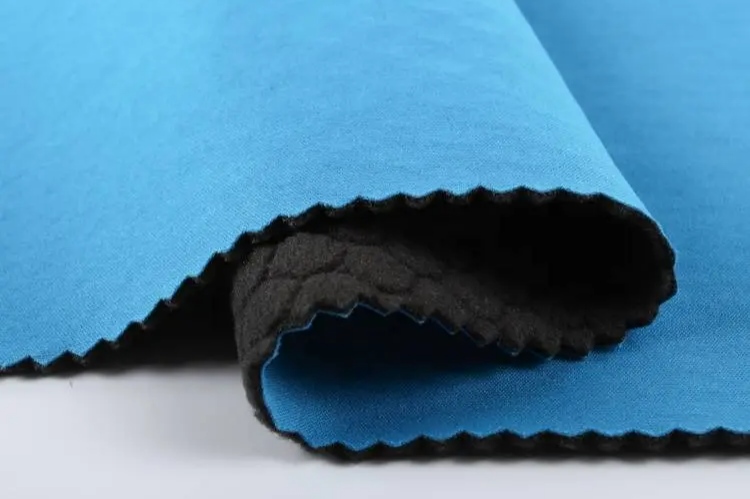
Scuba fabric is a modern textile used in many types of clothing. It is made from a blend of polyester and spandex or elastane. Some types also include rayon. The most common blends are 47% polyester, 43% rayon, and 10% spandex, or 90% polyester and 10% spandex. The fabric is created using a double-knit process. This process gives scuba fabric its thickness and stretch. The double-knit structure also makes the fabric smooth and strong.
Note: The production of scuba fabric starts with melting and shaping synthetic fibers into threads. These threads are then woven together to make a thick and stretchy fabric. This process helps the fabric keep its shape and last longer.
Scuba fabric is popular in fashion and sportswear. People use it for swimsuits, surfwear, and performance costumes. It is also found in jackets, outerwear, and activewear like leggings, hoodies, and sports bras. Designers like scuba fabric for form-fitting dresses and swaying skirts. Sports clothing often uses this fabric because it stretches and holds its shape.
Scuba fabric is not only stylish but also practical. It is known for being water-resistant, which means it can keep moisture away from the body for a short time.
Scuba Fabric vs. Neoprene
Scuba fabric and neoprene look similar, but they are different. Scuba fabric is made from polyester and spandex. Neoprene is a type of synthetic rubber. Neoprene is thicker and heavier than scuba fabric. It is used for wetsuits and diving gear because it keeps people warm in cold water. Scuba fabric is lighter and more flexible. It is better for clothing that needs to stretch and move with the body.
Scuba fabric is used in everyday fashion and sportswear. Neoprene is used for special gear in water sports. Both fabrics are strong, but scuba fabric is more comfortable for daily wear.
Scuba Fabric Breathability
How Breathable Is Scuba Fabric?
Scuba fabric does not let much air through. It is thick and made from polyester and spandex. The thickness stops air from moving in and out. Many people say scuba fabric feels warm and heavy. This is worse when the weather is hot. The double-knit makes the fabric even denser. Most people notice that air cannot pass through well. This can make you sweat and feel uncomfortable.
Some people talk about their scuba fabric clothes. Some say their clothes stay smooth and do not get fuzzy. Others say their clothes get fuzzy and pill after washing. Many agree that scuba fabric does not let enough air in. This makes it less comfy when it is warm.
- Thicker scuba fabric lets less air through. This can make you sweat and feel bad.
- Thinner scuba fabric lets more air pass. These feel cooler and more comfy.
- Thick scuba fabric can trap heat and make you feel hot.
Material and Structure Impact
The materials in scuba fabric affect how air moves. Polyester and spandex are both man-made fibers. Polyester keeps water out and does not soak up sweat. The double-knit design has two layers and a thin middle. This makes the fabric stretchy and warm. It also makes the fabric strong and helps it keep its shape.
Scuba fabric can pull sweat off your skin and dry fast. Polyester pushes water away. The fabric does not soak up sweat like cotton. It moves sweat to the top so it can dry. This helps keep you dry when you exercise. But thick scuba fabric can still trap heat if it is not thin.
Labs use tests to check how breathable scuba fabric is. These tests show how much air and sweat can go through.
| Testing Method | Description |
|---|---|
| ASTM D737 Air Permeability | Checks how fast air goes through fabric with set pressure, giving a number for breathability. |
| ASTM E96 Water Vapor Transmission | Measures how fast sweat vapor moves through fabric with set heat and wetness. |
| ISO 11092 Thermal and Water-Vapor Resistance | Tests both warmth and sweat movement in fabric. |
| JIS L1096 Air Permeability Test | Japanese test for air movement, used in Asian factories. |
Variations in Breathability
Not all scuba fabric is made the same way. Some types are thinner and let more air in. These feel cooler and more comfy. Other types are thicker and block more air. These can make you feel hot and sweaty.
Scuba fabric does not move sweat away like some sports fabrics. It can trap heat and sweat, especially when it is hot outside. People wearing scuba fabric in hot weather may feel too warm. The fabric works better in cool places or for short times.
Tip: Pick thinner scuba fabric if you want more air flow. Thicker fabric is better for warmth and shape.
Scuba Fabric vs. Other Fabrics
Cotton and Polyester Comparison
Cotton is a natural fiber. It lets air move through easily. People often choose cotton for hot weather because it feels cool and soft. Cotton also absorbs sweat well. Polyester is a synthetic fiber. It dries faster than cotton and does not soak up much water. Many sports clothes use polyester because it is light and dries quickly.
Scuba fabric is different from both cotton and polyester. It is thicker and has a tighter weave. This makes it less breathable. Air does not pass through scuba fabric as easily as it does with cotton or regular polyester. Scuba fabric is also water-resistant, which helps keep moisture away for a short time. Neoprene is another synthetic material. It is even thicker than scuba fabric and is used for wetsuits. Neoprene keeps people warm in cold water but does not let air in or out.
Comfort and Airflow Differences
Comfort depends on how much air can move through the fabric. Cotton feels cool and soft because it lets air and sweat escape. Polyester feels light and dries fast, but it can sometimes trap heat. Scuba fabric feels smooth and stretchy. It holds its shape well and looks neat. However, it does not let much air in. This can make people feel hot or sweaty, especially in warm weather.
Scuba fabric is less suitable in these situations:
- Hot summer days when you need cool, breathable clothes
- High-energy activities like running or sports
- Long periods in the sun or heat
- When you need clothes that stretch a lot for performance
Scuba fabric works better in cooler places or for short times in warm weather. It is a good choice for stylish outfits that need structure. It is not the best for staying cool during active or hot days.
Practical Uses and Comfort
When Scuba Fabric Works Best
Scuba fabric is good for cool weather or when you want clothes that keep their shape. It does not wrinkle much, so it is nice for fancy dresses, skirts, and jackets. People like to wear scuba suits to events because they look neat and sharp. Scuba tablecloths are used at parties and weddings because they hang well and do not stain easily.
Here are some clothes that work well with scuba fabric:
- Dresses and skirts that need to stay in shape.
- Jackets and coats that look smooth and modern.
- Tops that have special shapes or details.
- Work clothes that look neat and feel nice.
Some sports and activities use scuba suits because they stretch and last a long time. Scuba diving gear uses thicker neoprene, but some gear uses scuba fabric for more movement.
Limitations in Warm Weather
Scuba fabric can feel hot in summer or when it is humid. Its thick layers keep heat close to your skin. Many people say it feels too warm and makes them sweat a lot. Sweat cannot get out easily because air does not move through well. Some people do not like scuba tablecloths outside when it is hot.
Makers try to make scuba fabric cooler by using special ways to let air in. They use tiny holes, 3D shapes, and hollow threads. These help a little, but most scuba fabric still feels warm in hot places.
Note: Scuba fabric is not good for long times in the sun or for busy days in summer.
Best Garments for Breathability
Some styles help scuba fabric let in more air. Mesh weaves and jersey knits let air move better. These are good for tight tops or sports clothes. The table below shows which scuba fabrics let in more air:
| Fabric Type | Breathability Characteristics |
|---|---|
| Mesh Weaves | Lets in the most air, great for sports and activewear |
| Jersey Knit | Stretches well and lets air move, comfy for daily use |
| Plain Weave | Good mix of strength and breathability |
| Microfiber | Keeps sweat away and feels soft |
If you want to stay cool, pick lighter scuba fabric or ones with open weaves. For parties or inside events, thick scuba fabric is fine. For sports outside, choose clothes with mesh or jersey knit parts.
Scuba fabric does not let much air through, but it is comfy and keeps its shape for many things. The double-knit style stops air from moving, so it can feel hot. To help air move better, experts give these ideas:
- Pick lighter and looser weaves.
- Wear clothes with mesh parts or vents.
- Choose a fit that works for what you do.
| Climate/Activity Level | Recommendations |
|---|---|
| Summer | Loose fits and open necklines keep you cool. |
| Winter | Wear fleece or wool under for more warmth. |
Pick the right fabric for your weather and what you are doing to feel good.
FAQ
Is scuba fabric good for hot weather?
Scuba fabric is not the best choice for hot weather. It traps heat and does not let air move well. People may feel sweaty and uncomfortable in warm climates.
Can you wash scuba fabric in a washing machine?
Yes, you can wash scuba fabric in a washing machine. Use cold water and a gentle cycle. Avoid bleach and strong detergents. Air dry the fabric to keep its shape.
Does scuba fabric stretch a lot?
Scuba fabric stretches well because it has spandex. It returns to its shape after you pull it. This makes it good for fitted clothes and activewear.
Is scuba fabric waterproof?
Scuba fabric is water-resistant, not fully waterproof. It can keep out light rain or splashes for a short time. Heavy rain will soak through the fabric.
What clothes are best made with scuba fabric?
Scuba fabric works well for dresses, skirts, jackets, and fitted tops. It holds its shape and looks smooth. Many designers use it for stylish and modern outfits.