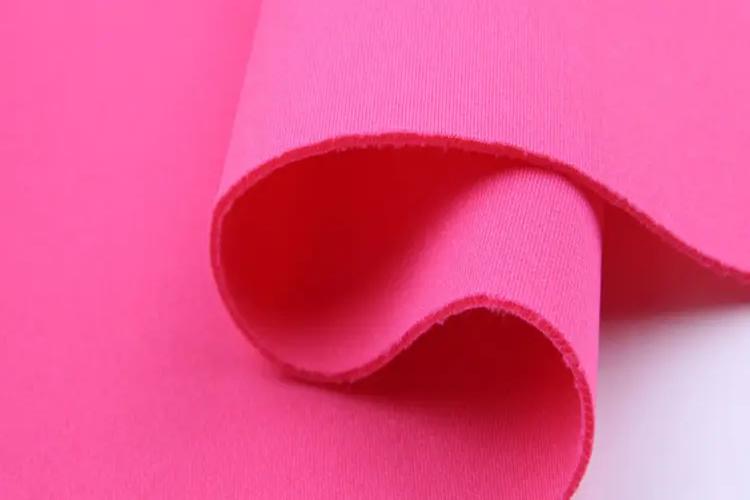
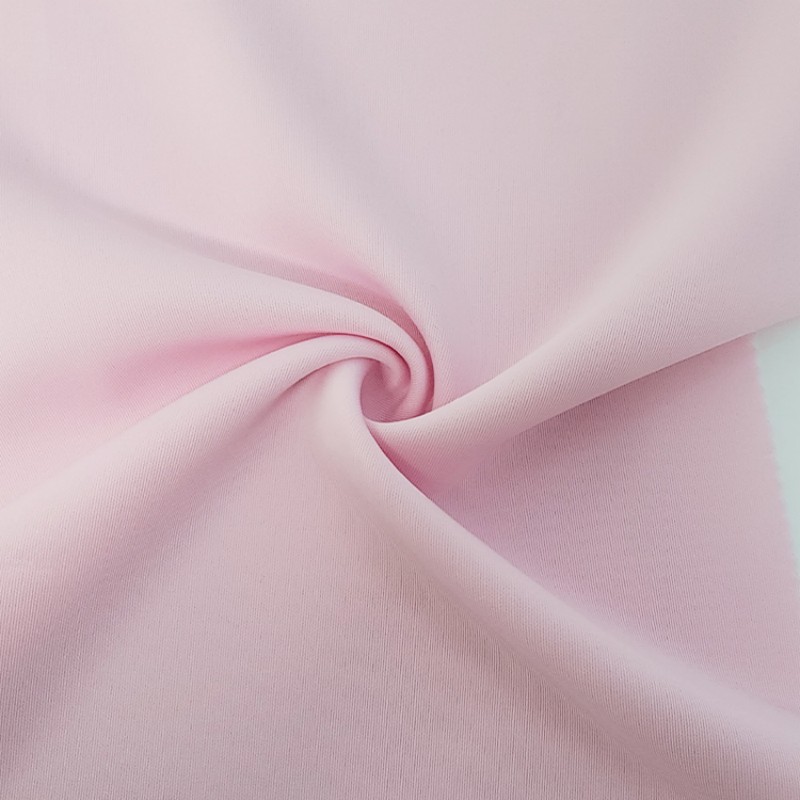
Scuba fabric is best suited for cool weather. When styled correctly, designers can also use it in summer. Starke’s premium diving fabric is versatile and can be used to create a variety of garments. This fabric is unique in that it resists deformation, is stretchy, and wrinkle-resistant. The main advantages of diving fabric are its durability and comfort. Many brands use it to make dresses, jackets, sportswear, and uniforms.
| Application Category | Examples of Use |
|---|---|
| Structured Garments | Dresses, skirts, jackets, blazers, bridal gowns |
| Activewear | Yoga leggings, athletic wear, sports uniforms |
| Professional Attire | Corporate uniforms, school uniforms, healthcare wear |
| Specialized Applications | Swimwear, wetsuit liners, cold-weather sports layers |
Key Takeaways
- Thick, warm diving fabric is perfect for cold weather.
- In summer, opt for lighter, more breathable fabrics, such as Starke’s breathable modal, for added comfort.
- Diving fabric is durable and resistant to deformation, making it ideal for dresses and jackets.
- In winter, layering diving fabric with other materials creates extra warmth and comfort.
- In hot weather, choose loose-fitting, light-colored diving clothing to stay cool.
Scuba Fabric Properties
Breathability and Airflow
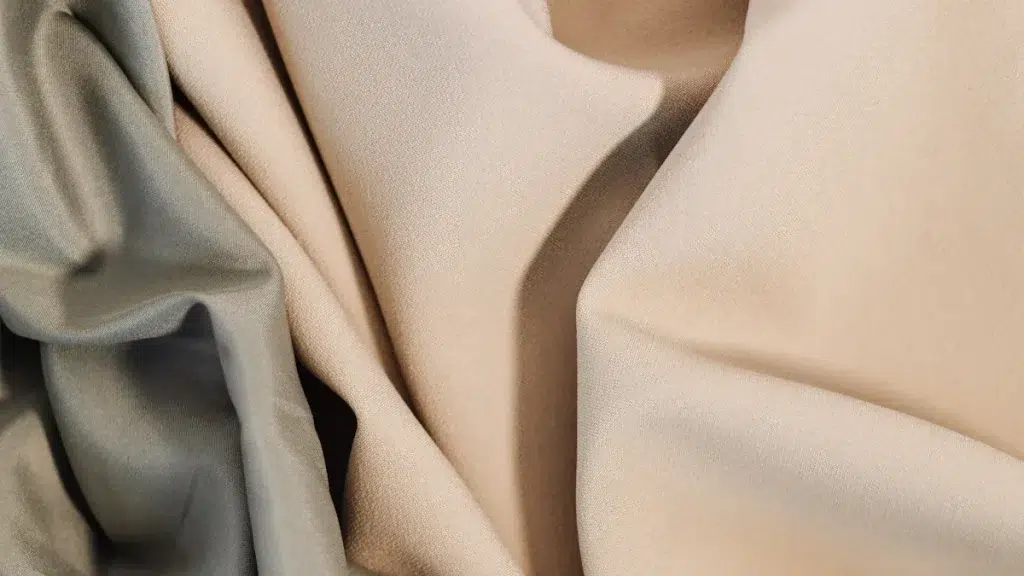
Diving fabrics are thick and dense, hindering airflow. Cotton fabrics are breathable, allowing air and sweat to escape and keeping you cool. Polyester fabrics dry quickly but tend to trap heat. Diving fabrics have poor breathability and can feel stuffy in warm weather. For a more breathable wearing experience, try lightweight fabrics like Starke’s breathable modal fabric.
- Scuba fabric does not let as much air through as cotton or polyester.
- Cotton lets air in and helps you stay cool.
- Polyester dries quickly but can keep heat inside.
- Scuba fabric is thick, so it blocks airflow.
Warmth and Insulation
Diving fabric is made of two layers of yarn woven together. These two layers of yarn are tightly bonded, making the fabric thick and smooth. This helps the fabric maintain its shape and lock in heat. Therefore, it performs exceptionally well in colder weather.
Diving fabric is made using a double-knitting process on special machines. This process gives the fabric a two-layer, tightly bonded structure. It is thicker and smoother than single-knit fabric.
Diving fabric retains its shape even after multiple wears. The double-knitting process makes it thick and durable. It is also less prone to wrinkling or water seepage. This makes it more durable.
Thickness and Weight
Diving fabric is thick, making it ideal for clothing that requires a crisp, structured look. It is elastic, so it conforms to the body and returns to its original shape. Starke offers a variety of types of diving fabric:
| Variant | Thickness | Comfort Level | Best Use |
|---|---|---|---|
| Diamond Quilted | High | Cozy | Jackets, outerwear |
| Smooth Modal | Medium | Soft | Dresses, skirts |
| Breathable Modal | Light | Cool | Summer tops, activewear |
Each fabric has a different feel and is best suited for specific seasons. Diamond-quilted fabric is warm and resistant to deformation. Smooth modal fabric is soft and flexible. Breathable modal fabric is more breathable and better suited for hot weather.
Scuba Fabric in Hot Weather
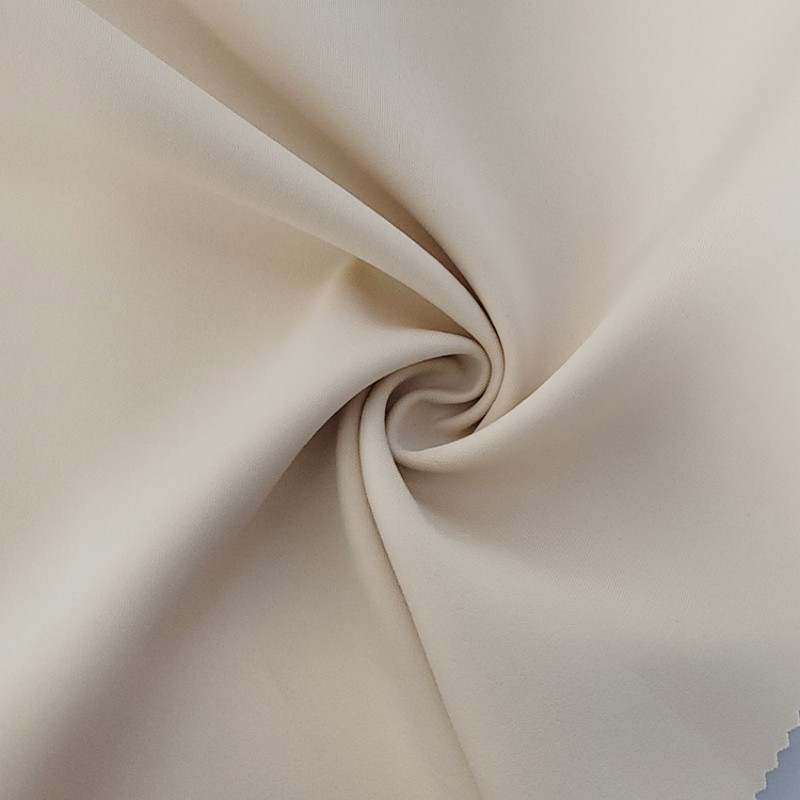
Comfort in Hot Weather
Diving fabrics are smooth and durable, commonly used in swimwear and sportswear. However, they can feel stuffy in summer due to their poor breathability. Double-knit construction helps trap heat. People wearing diving fabrics in hot weather may find them less breathable than cotton or mesh. Comfort in hot weather depends on the thickness and style of the garment. Starke’s breathable modal fabric is more breathable and helps keep the body cool. Designers often choose lighter diving fabrics for summer clothing.
Diving fabrics wick sweat away from the skin. This moisture-wicking property helps sweat evaporate quickly. Athletes and swimmers like this fabric because it keeps them dry during exercise. Sports summer fabrics, such as strong mesh, are even more breathable and cooler to wear. Diving fabrics are suitable for swimwear and sportswear, but in hot weather, lighter fabrics may offer better comfort.
Pros and Cons for Summer
| Advantages | Disadvantages |
|---|---|
| Structure and shape retention | Limited breathability |
| Durable and long-lasting | Heavy compared to lighter fabrics |
| Premium feel for structured garments | Can feel warm and stuffy in hot weather |
| Ideal for casualwear and modern apparel | Not suitable for high-intensity activities or lightweight clothing |
Diving fabric is resistant to deformation and has a clean appearance. Many designers use it in swimwear, dresses, and skirts. This fabric is durable and has a high-quality feel. Wearing diving fabric in summer can feel stuffy and heavy because it has poor breathability and can easily make you feel hot. For swimwear, its structure helps the garment fit the body and prevents it from shifting. For casual summer clothing, this fabric adds a touch of style, but may not be as cool as cotton or linen.
Tips to Stay Cool
When wearing diving fabric in summer, simply choose the right style and fabric. Here are some tips to stay cool:
- Select lighter variants, such as Starke’s Breathable Modal, for summer tops and swimwear.
- Pick looser styles that allow air to move around the body.
- Wear scuba fabric in short sleeves, skirts, or shorts to reduce heat.
- Use scuba fabric for swimwear because it dries quickly and holds its shape in water.
- Pair scuba fabric garments with lighter accessories to stay cool.
Tip: Choose light colors for scuba fabric garments. Light colors reflect sunlight and help keep the body cool.
Designers can use scuba fabric for swimwear and activewear in the summer. They select thinner fabrics and loose fits to improve comfort. People who want to stay cool in hot weather should look for breathable options. Starke’s range includes variants that work well for summer season styles. The right choice helps people enjoy both style and comfort in hot weather.
Scuba Fabric in Cold Weather
Warmth and Insulation
Diving fabric performs best in colder seasons because it provides a warm and comfortable wearing experience in cold weather. The double-knit construction creates two layers that effectively trap air. This air acts as a barrier, keeping heat firmly locked around the body. The thickness of the diving fabric helps block cold winds. People who wear diving fabric in winter will find it to have excellent warmth retention. This fabric is elastic and conforms to the body, locking in heat without feeling constricting. The smooth surface also helps prevent cold air from penetrating.
The double-knit design provides superior protection against the cold. It locks heat near the skin and effectively blocks cold winds. This construction makes diving fabric a wise choice for those who want warm and comfortable clothing in cold weather. In addition, this fabric has good moisture-wicking properties, preventing sweat from lingering on the skin. This characteristic further enhances comfort in cold weather, especially during outdoor activities.
Advantages and Disadvantages of Winter Wear
Diving fabric offers many advantages for winter clothing. The following table lists its main advantages and disadvantages:
| Benefits | Drawbacks |
|---|---|
| Excellent heat retention | Moderate warmth compared to fleece or wool |
| Moisture management | Less effective in extremely cold conditions |
| Comfort due to thickness and stretch | May not provide enough insulation for harsh winter conditions |
People choose diving fabric for winter clothing because of its warmth and comfort. This fabric is stretchy, soft to the touch, and allows for free movement. It retains its shape even after multiple wears. While diving fabric provides good warmth, it may not be as warm as thick wool or fleece in extremely cold weather. For most cold days, diving fabric is sufficient to provide warmth and comfort. It’s ideal for making jackets, dresses, and skirts during the colder months.
Diving fabric is known for its excellent warmth and insulation. It helps keep the body warm and dry. This fabric is durable and long-lasting. Many people like to wear it in winter because it keeps clothes crisp and looking neat.
Styling Tips for Cold
Layering helps people stay warm in cold weather. Scuba fabric works well for layering because it is thick and holds its shape. Here are some popular styling trends for winter:
- Start with a snug base layer made from quick-drying, breathable material to wick moisture and keep you dry.
- Add an insulation layer, such as fleece, over your base to trap heat.
- For very cold days, layer two scuba fabric pieces of different thicknesses.
- In moderate cold, wear a single scuba fabric garment with an insulation layer underneath.
- Adjust your layers based on temperature, wind, and activity level.
- Protect your hands, feet, and head with gloves, boots, and hats to prevent heat loss.
- Make sure all layers fit comfortably and allow you to move freely.
Tip: Choose scuba fabric jackets or blazers for extra warmth and comfort during cold days. Pair them with scarves and hats for added style and protection.
When used to make coats, dresses, and skirts, diving fabric provides a warm and comfortable wearing experience. It can be layered with other fabrics to enhance warmth. For example, a diving fabric dress paired with a fleece jacket can keep you warm in cold weather. This fabric is stretchy, so it fits well with other clothing, allowing for freedom of movement and comfortable wear.
Diving fabric has excellent warmth retention properties in winter. It effectively blocks cold air and locks in body heat. Those who want to stay warm and comfortable in cold weather should consider creating their winter wardrobe with diving fabric.
Scuba Fabric vs Other Fabrics
Compared to Summer Fabrics
Scuba fabric stands out from traditional summer fabrics like linen and cotton. Linen feels crisp and cool because it lets air move through easily. It absorbs moisture quickly and dries fast, so it keeps the body cool during hot days. Cotton also absorbs sweat, but it holds onto moisture longer. This can make cotton feel damp in high humidity. Both linen and cotton allow more airflow than scuba fabric.
- Linen: High air flow, dries quickly, feels cool.
- Cotton: Absorbs sweat, holds moisture, can feel warm.
- Scuba fabric: Blocks most airflow, holds warmth, feels structured.
People often choose linen or cotton for summer because these fabrics help the body stay cool. Scuba fabric works best for structured summer garments or swimwear, especially when designers use lighter variants.
Compared to Winter Fabrics
Winter fabrics like wool and fleece trap heat and keep the body warm. Wool feels soft and insulates well, even when wet. Fleece is thick and fluffy, holding in warmth during cold weather. Scuba fabric also keeps warmth close to the body, but it feels smoother and stretches more than wool or fleece. It does not get heavy when damp and dries quickly.
| Fabric | Warmth Level | Stretch | Structure | Best Use |
|---|---|---|---|---|
| Wool | High | Low | Soft | Sweaters, coats |
| Fleece | High | Medium | Fluffy | Jackets, blankets |
| Scuba fabric | Medium-High | High | Firm | Dresses, blazers |
Scuba fabric gives a modern look and holds its shape better than most winter fabrics. It works well for jackets, skirts, and dresses in cold weather.
When to Choose Scuba Fabric
Textile experts recommend scuba fabric for many reasons:
- The smooth texture feels comfortable on the skin.
- The fabric stretches and keeps its shape, making it great for activewear and fitted styles.
- The water-repellent finish helps keep the wearer dry in light rain or splashes.
- Scuba fabric offers high UV protection, which is helpful for outdoor summer activities.
- Designers use it for swimwear, sports bras, and stylish summer or winter outfits.
Tip: Choose scuba fabric for garments that need structure, stretch, and a polished look. It works well for both summer and winter when you pick the right variant and style.
Scuba fabric fits many needs. People can wear it for sports, fashion, or even professional uniforms. It stands out when the design calls for comfort, shape retention, and a modern finish.
Scuba fabric is best for cold days. Designers can use it in summer if they style it right. People should know about the fabric and pick the right type for each season. Starke’s scuba fabric can stretch, lasts long, keeps water out, and holds in heat.
- The thick feel keeps you warm in fall and winter.
- It keeps water out, so it works for swimwear and summer fun.
- It holds in heat, so it is good for jackets and coats.
Starke has different types for every season. People can pick the one that feels best and looks good to them.
FAQ
Why is diving fabric ideal for sportswear?
Diving fabric is quick-drying and highly elastic. Athletes love it because it wicks away sweat quickly, helping to keep the body comfortable during exercise. This fabric is breathable and prevents overheating.
Does diving fabric keep you cool in summer?
Designers often choose lighter diving fabrics for summer clothing. This fabric is breathable, helping to keep you cool. Its quick-drying properties keep the wearer comfortable in hot weather.
Is diving fabric suitable for winter clothing?
Diving fabric is perfect for cold weather. Its double-knit construction effectively insulates against cold winds. This fabric is breathable and quick-drying, keeping you dry and comfortable.
How does diving fabric compare to other quick-drying fabrics?
Diving fabric is durable, quick-drying, breathable, and smooth to the touch. Other quick-drying fabrics only wick away sweat, but diving fabric retains its shape and keeps you looking neat.
Is diving fabric breathable enough for everyday wear?
Many people like to use diving fabric for everyday clothing. This fabric is breathable and quick-drying, keeping you feeling fresh and comfortable all day long.