Scuba fabric is a good choice for many things. This fabric is strong, feels nice, and looks smooth. People think scuba is easy to wash at home. Good scuba fabric keeps its shape after you wear it a lot. Many people pick scuba for clothes and bags because it feels soft and looks tidy.
Scuba fabric is strong and comfy, so it is a smart pick for people who want fabric that lasts.
Key Takeaways
- Scuba fabric is strong and stretchy. It feels comfortable to wear. This makes it great for clothes and accessories that need to last a long time.
- Good scuba fabric keeps its shape. It does not wrinkle easily. It is simple to take care of. This helps you look neat and tidy.
- Scuba fabric has polyester and spandex mixed together. This makes it tough and bendy. It fits many body shapes well.
- Scuba fabric can be used for many things. You can use it for activewear, dresses, jackets, and bags. It dries fast and pulls sweat away from your skin.
- Think about how well scuba fabric lets air through. It might not be the best for hot days or loose clothes.
What Makes High-Quality Scuba Fabric?
High-quality fabric stands out because it lasts long, feels comfortable, looks neat, and is easy to care for. Scuba fabric meets these standards in many ways. The benefits of scuba fabric include its strength, soft feel, and tidy look. Many brands now focus on making fabric that is safe for people and the planet. Scuba fabric often follows industry standards for sustainability and durability.
Durability and Strength
Scuba fabric is known for its thickness and durability. The blend of polyester and spandex makes it tough and long-lasting.
- The textile industry now looks for fabric that meets ISO standards and supports sustainability.
- Many brands work toward Cradle to Cradle Certified GOLD-level standards, which means the fabric is high-quality and safe for reuse.
- Scuba fabric resists wear and tear, so it is a smart choice for clothes and bags that need to last.
Comfort and Fit
Scuba fabric feels soft and stretches well.
- The benefits of scuba fabric include its stretchiness, which comes from elastane.
- Wearers say scuba does not restrict movement, making it great for activewear.
- The fabric hugs the body comfortably and suits many body shapes.
- Scuba fabric is soft on the skin and keeps you comfortable all day.
- The breathable texture lets air flow, so you stay cool even on warm days.
- Moisture-wicking and quick-drying features keep you dry during activities.
Appearance and Structure
Scuba fabric stands out because of its smooth look and strong shape. Its thickness and elasticity help garments keep their form. The fabric gives a polished silhouette and smooths out curves. Scuba fabric works well for bodycon dresses, jackets, and suits.
- Medium-weight scuba fabric holds crisp pleats and keeps shapes sharp.
- Heavyweight scuba fabric adds more support for structured garments.
Simple Maintenance and Hassle-Free Care
Scuba fabric is easy to care for at home.
- Hand wash in cold water with mild detergent or use a delicate cycle in a mesh bag.
- Air dry flat or hang, but avoid direct sunlight and dryers.
- Iron with low to medium heat using a pressing cloth.
- Keep away from rough surfaces to prevent snags.
- Wash with similar colors and avoid bleach to keep colors bright.
The benefits of scuba fabric make it a top pick for people who want quality, comfort, and style.
Properties of Scuba Fabric
Scuba fabric is special because it has many good features. These features make scuba fabric popular for clothes and sportswear. The way scuba fabric is made gives it these qualities.
Scuba Fabric Composition
Scuba fabric is made from polyester and spandex. Polyester makes the fabric strong and helps it last longer. Spandex lets the fabric stretch and move with your body. This mix makes scuba fabric tough and comfy. The blend also helps the fabric keep its shape after many washes. That is why people use scuba fabric for neat and well-fitting clothes.
Polyester and spandex together make scuba fabric strong and stretchy. This helps the fabric stay in shape after you stretch it.
Stretch and Shape Retention
Scuba fabric can stretch in many directions. This makes it great for tight clothes. The amount of spandex changes how much the fabric can stretch and snap back.
- An 85/15 polyester-spandex blend makes the fabric stretch more and bounce back better. This is good for activewear and clothes that need to move with you.
- A 90/10 blend gives more shape and structure. This works well for clothes that need to hold their form.
- Scuba fabric is stretchier and smoother than ponte knit. It feels springy, so it is good for fitted dresses and leggings.
Scuba fabric fits many body types because it stretches well. It does not sag or lose its shape easily.
Wrinkle Resistance
Scuba fabric does not wrinkle much. Even if you fold or stretch it, it stays smooth. This makes it a smart pick for travel and busy days.
- Scuba fabric looks neat after packing or wearing for a long time.
- The fabric bounces back and stays tidy all day.
- Many people pick scuba for dresses, skirts, and jackets because it keeps its shape and does not crease.
Scuba fabric is easy to care for and does not wrinkle much. You do not need to iron it often or worry about messy clothes.
Texture and Feel
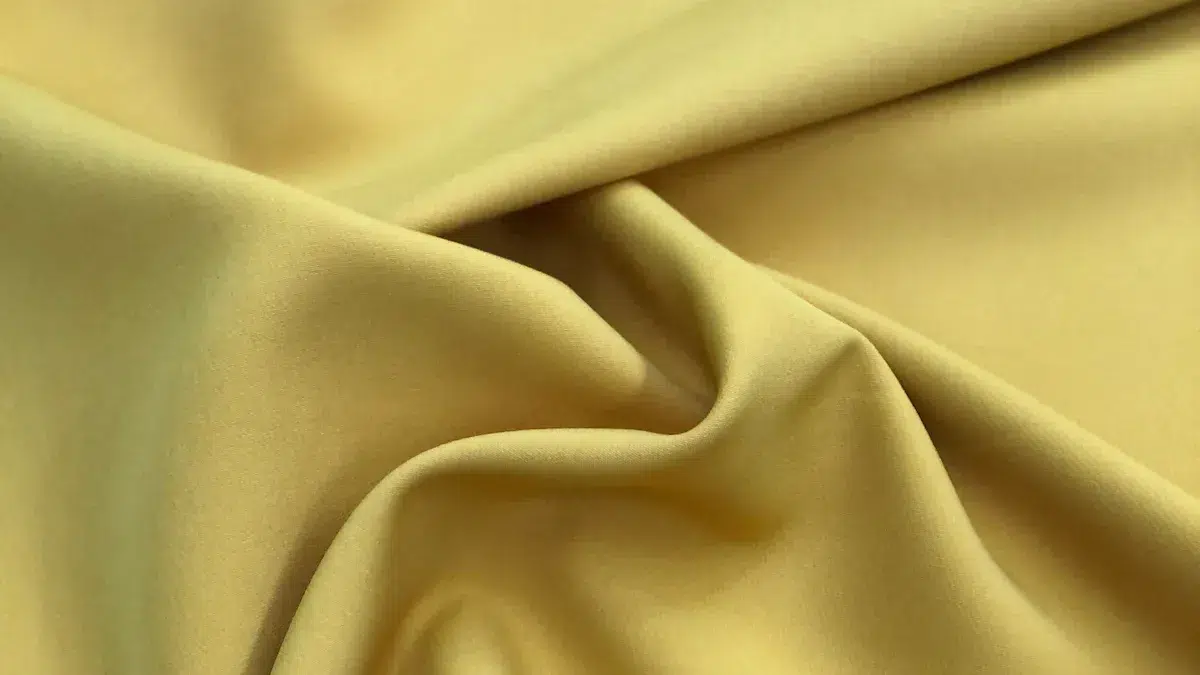
Scuba fabric feels different from other double-knit fabrics. It has a smooth surface and feels a little springy. This makes it nice to wear and soft on your skin.
| Fabric Type | Texture Description | Weight and Drape Characteristics |
|---|---|---|
| Scuba Fabric | Smooth texture, slightly springy feel | Heavier, provides more structure for form-fitting designs |
| Scuba Crepe | Crepe-like texture, grainy appearance | Lighter, offers more drape suitable for flowing garments |
- The smooth feel of scuba fabric makes clothes comfy and soft.
- The stretch and shape holding help you move easily and keep clothes looking sharp.
- Scuba fabric keeps its color, so clothes stay bright after many washes.
- Scuba fabric is useful for activewear, casual outfits, and travel clothes.
Scuba fabric is water-resistant and wicks away moisture. These features help keep you dry and comfy during activities or in different weather.
Scuba fabric is strong, stretchy, wrinkle-resistant, and feels good. Its special mix and features make it a top pick for designers and everyday people.
When to Choose Scuba Fabric
Best Uses for Scuba Fabric
Scuba fabric is liked because it works for many things. People use it for clothes and accessories that need to stretch and last a long time. This fabric keeps its shape and feels comfy.
Here is a table that shows where scuba fabric is used and why people like it:
| Garment Type | Reason for Use |
|---|---|
| Leggings and Pants | Stretchiness gives comfort, lets you move, and looks smooth. |
| Jackets and Outerwear | It is tough and water-resistant, so it keeps you warm and dry. |
| Swimwear | It fits well, dries fast, and does not soak up water. |
| Activewear | It stretches and lasts, so you can move and feel good. |
| Accessories | It is strong and flexible, so it works for bags, shoes, and headbands. |
Designers pick scuba fabric for dresses and skirts. The fabric stretches and holds its shape, so it is good for tight clothes. Scuba is also great for workout leggings, sports bras, and tops. These clothes need to move with you and stay in shape after many wears. Scuba fabric helps clothes look neat and last longer.
People also use scuba fabric for jackets and coats. It is water-resistant and holds its shape, so it is good for outerwear. Bags and headbands are made from scuba fabric because it is strong and bends easily.
When Not to Use Scuba Fabric
Scuba fabric is not right for every project. Sometimes you need a different fabric.
Scuba fabric has some problems. It does not let air flow well, so it can feel hot unless you wear sleeveless clothes. You should wash it before sewing to stop shrinking. You also need special tools and ways to sew it.
Scuba fabric can feel warm and does not let air pass through like thin fabrics. For summer clothes or hot days, pick a fabric that breathes better. Scuba is not good for loose or flowy clothes because it keeps its shape and does not hang softly. If you want soft and light clothes, try cotton or rayon.
Most people use scuba fabric for tight, shaped, or sporty clothes. If you want clothes that hang softly or let air in, another fabric is a better choice.
How to perform quality control on scuba knit fabric
Quality control helps make sure scuba fabric meets high standards. This process checks for problems before the fabric is used to make clothes or accessories. Good quality control keeps products strong, neat, and comfortable.
Inspectors look at the fabric under good light. They check both sides of the scuba fabric. They use their hands to feel for any lumps or rough spots. They also stretch the fabric gently to see if it returns to its shape.
Here are some common defects found during quality checks:
- Holes and tears can appear in the fabric. These may start small but can get bigger during sewing.
- Stains and discoloration show up as spots from oil, dirt, or dye.
- Slubs and neps look like thick knots or bumps on the surface.
- Skewing and bowing happen when threads do not line up straight. This can make patterns look crooked.
- Color shading means some parts of the fabric are lighter or darker than others.
- Crease marks are lines or folds that do not go away.
- Pilling shows as tiny balls on the surface.
- Snags are loops that get pulled out of the fabric.
- Broken filaments are snapped fibers that weaken the fabric.
- Edge defects affect the sides of the fabric roll.
Tip: Always check a sample from each roll of scuba fabric before cutting. This helps catch problems early.
Inspectors also test the stretch and recovery of scuba. They pull the fabric and see if it snaps back. They check if the fabric holds its shape after stretching. They look for even color and a smooth feel.
A table can help track what to check:
| Checkpoint | What to Look For |
|---|---|
| Surface | Smooth, no bumps or holes |
| Color | Even, no shading or stains |
| Stretch | Good recovery, no sagging |
| Edges | No fraying or defects |
Quality control makes sure scuba fabric is ready for sewing. Careful checks help prevent waste and keep products looking their best.
Scuba fabric is strong and feels nice to wear. Many people pick scuba for clothes and bags because it lasts long. It keeps its shape after you use it a lot. The fabric dries fast and feels soft, so it is good for busy days. Designers like scuba fabric because it has bright colors and cool patterns. Scuba is great for sportswear, dresses, and bags. Think about what you need before you choose scuba fabric.
- Scuba fabric is tough, lets air in, and is easy to clean.
- Its stretch and shape make it good for lots of things.
- It dries fast and looks bright, which makes people like it.
FAQ
Is scuba fabric waterproof?
Scuba fabric does not block all water. It keeps out light rain and splashes. Heavy water can get through. People use it for jackets and bags. It keeps you dry for a short time.
Can you iron scuba fabric?
Iron scuba fabric with low or medium heat. Put a pressing cloth on top to protect it. High heat can hurt the fibers. Most wrinkles go away with gentle ironing.
Does scuba fabric shrink after washing?
Scuba fabric almost never shrinks. Polyester and spandex help it stay the same size. Wash it in cold water and let it air dry. Always read the care label before you wash it.
What is the difference between scuba and neoprene?
| Feature | Scuba Fabric | Neoprene |
|---|---|---|
| Weight | Lighter | Heavier |
| Flexibility | More flexible | Less flexible |
| Use | Clothing, bags | Wetsuits, gear |
Scuba fabric is softer and lighter than neoprene. Neoprene is thick and used for wetsuits.