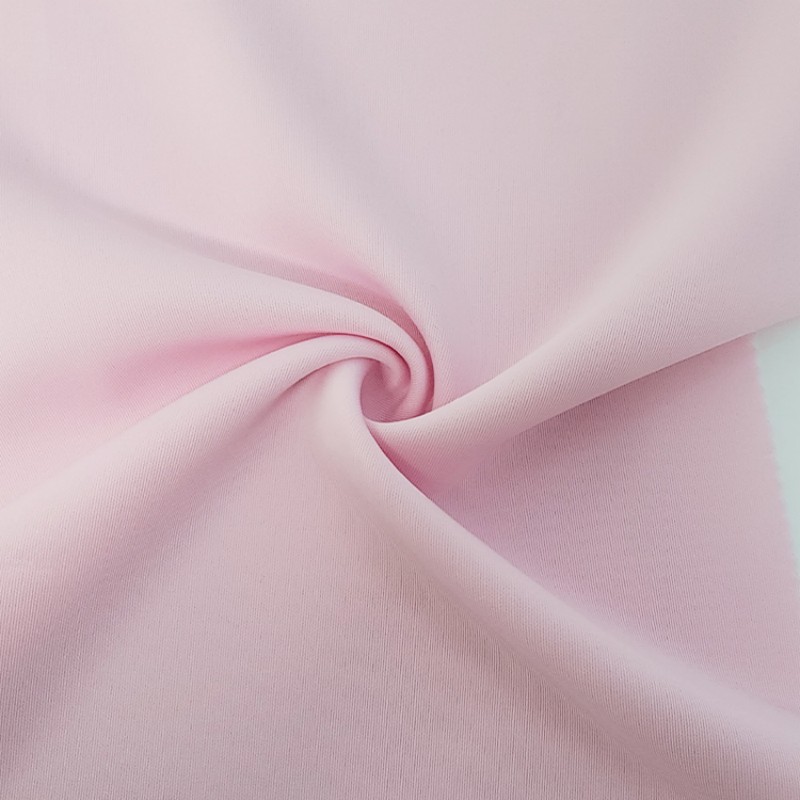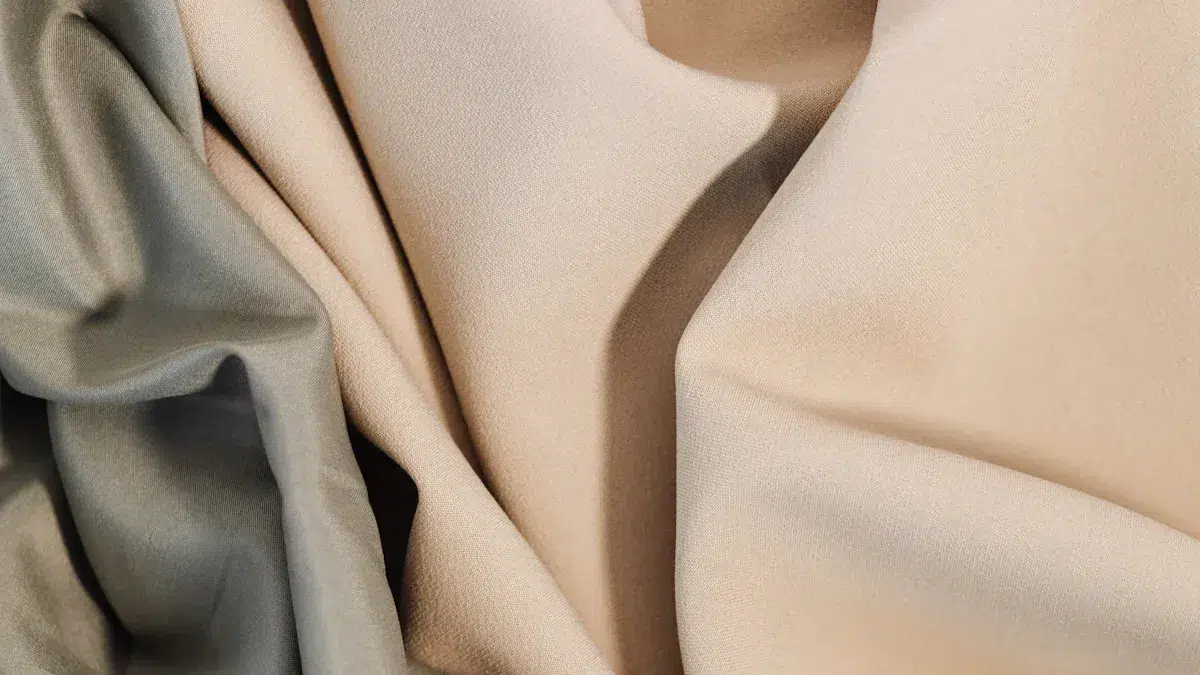
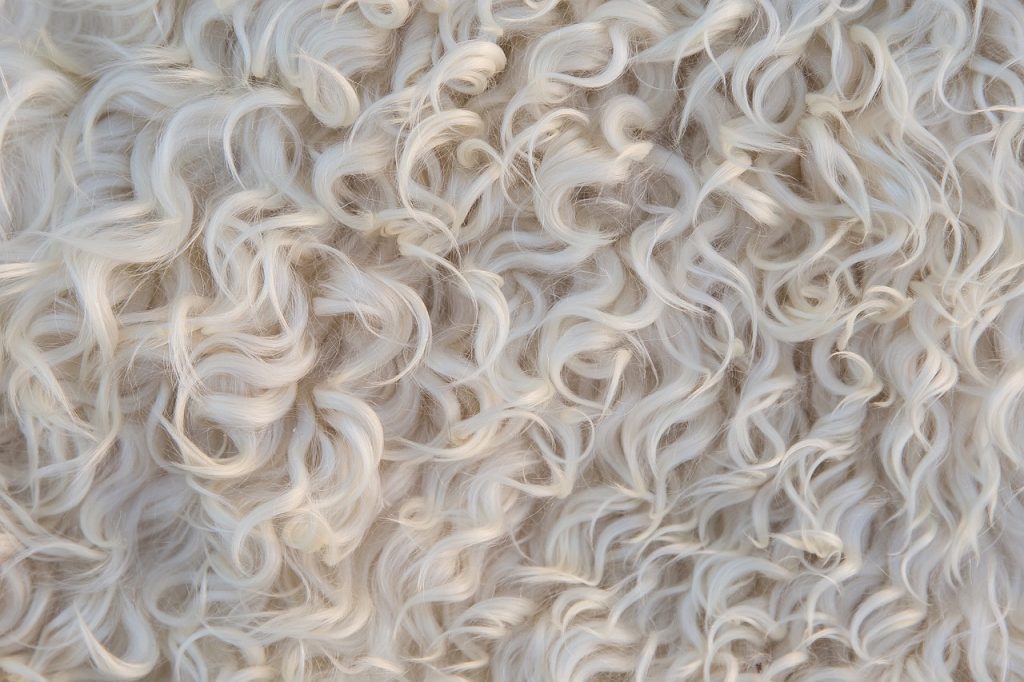
Polyester fabrics are manufactured in a wide range of woven and knitted constructions, including taffeta, satin, chiffon, oxford, ripstop, fleece, jersey, and double-knit fabrics. Polyester is one of the most widely used synthetic fibers in the global textile industry due to its durability, versatility, and cost efficiency. Each type of polyester fabric has unique performance advantages. Understanding these differences helps buyers select the ideal fabric for apparel, home textiles, and outdoor products.
| Type | Description |
|---|---|
| Polyethylene Terephthalate (PET) | The most mainstream textile polyester; high strength, stable shape retention and cost-effective for wide applications. |
| Plant-Based Polyester | Derived from renewable plant raw materials to lower petroleum reliance; only compostable under industrial conditions, not naturally biodegradable. |
| PCDT Polyester | Higher elasticity, softer drape and heavy-duty durability; ideal for home upholstery and premium decorative fabrics. |
Key Takeaways
- Polyester mainly falls into PET, PCDT, plant-based, recycled and pure polyester, each with tailored performance for different scenarios.
- Select fabric by usage: sportswear prioritizes breathability, moisture-wicking and stretch; home textiles focus on softness, stain resistance and draping.
- Prioritize fabrics with OEKO-TEX 100 and GRS certifications to guarantee safety, eco-friendliness and reliable composition.
What Is Polyester Fabric?
Basic Properties Of Polyester
Polyester is one of the most widely used synthetic fibers, favored for high tensile strength, lightweight texture and low water absorption. It retains shape after repeated laundering and delivers excellent tensile and flexural performance.
Naturally wrinkle-proof and shrink-resistant, polyester outperforms most natural fibers in service life, making it perfect for mass production in apparel, home textiles and outdoor equipment. As a professional polyester fabric manufacturer, Starke adopts standardized eco-friendly production for recycled and virgin polyester. Polyester can also blend with cotton, spandex and other fibers to enrich functionality. Its stable physical properties support stable large-scale orders and customized development to meet diverse market demands.
Production Process of Polyester Fabrics
Polyester raw materials originate from petroleum feedstocks. Crude oil is refined to extract ethylene and terephthalic acid monomers, which synthesize into PET—the core raw material for polyester fiber.
Molten PET is extruded via a spinneret into continuous filaments, then cooled, solidified and stretched to enhance toughness and elasticity. Processed yarn is wound onto beams before weaving or knitting. Grey fabrics go through dyeing, heat setting and functional finishing. Starke implements strict quality control throughout sampling, production and finishing, ensuring fabrics fit casual wear, sportswear, home furnishings and outdoor goods.
Main Types Of Polyester Fabric
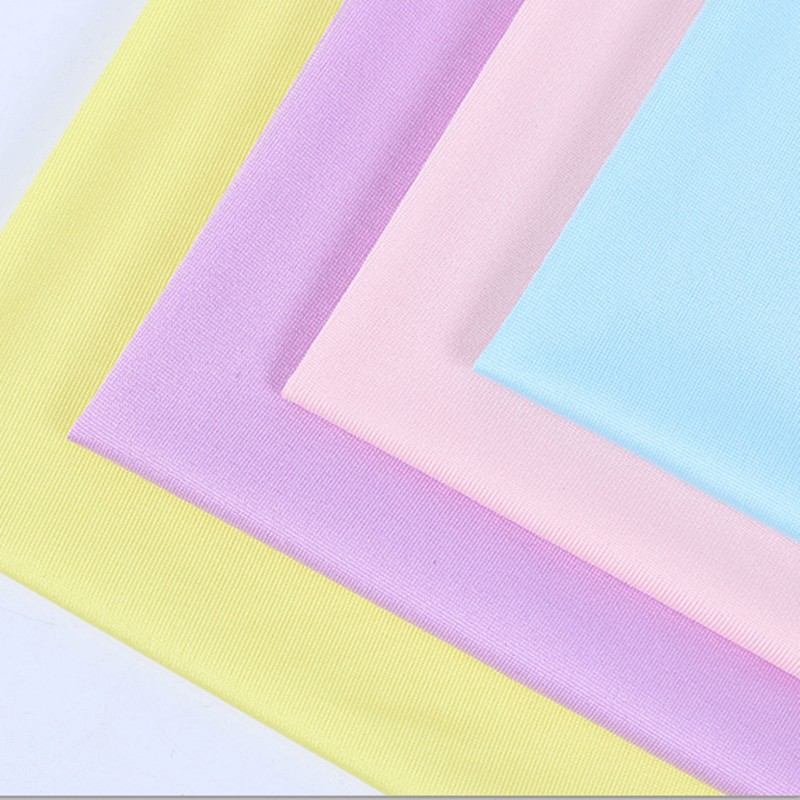
Polyester fabrics are categorized by chemical structure, raw material source and weaving method. Each type has distinct traits to support manufacturers, wholesalers and brands in material selection.
PET (Polyethylene Terephthalate)
PET dominates global textile polyester production. It features high durability, low water absorption, good chemical resistance and stable dimensional stability at an affordable cost.
Common uses cover daily apparel, lining fabrics, uniforms and sportswear. Starke supplies fully tested PET fabrics certified by OEKO-TEX 100, free of harmful substances for safe garment and home textile production.
| Key Properties | Common Applications |
|---|---|
| Chemical Resistance | Outdoor fabrics, workwear |
| High Strength | Sportswear, backpack fabrics |
| Lightweight | Daily apparel, lining fabrics |
| Low Water Absorption | Swimwear, quick-dry activewear |
| Dimensional Stability | Uniforms, home textiles |
PCDT Polyester
Compared with standard PET, PCDT provides better elasticity, stretch recovery and a softer hand feel. It balances durability and draping performance, perfectly suited for curtains, sofa upholstery and heavy-duty home textiles.
Although new sustainable polyester variants grow in niche markets, PET still leads the industry due to cost advantages and versatility.
Plant-Based Polyester Fiber
This eco-friendly polyester adopts renewable resources such as sugarcane and corn starch, reducing dependence on petroleum. Some raw materials come from agricultural waste to avoid competing with food crops.
According to industry LCA reports, plant-based polyester can cut carbon emissions by up to 58% and lower the product carbon footprint significantly. Important note: Most plant-based polyester is not naturally biodegradable; it only decomposes under professional industrial composting conditions. It is widely used in outdoor jackets and casual wear, with industrial applications expanding as production costs drop.
Fabric Type Comparison
| Fabric Type | Production Cost | Durability | Environmental Impact |
|---|---|---|---|
| PET | Lower | High | Moderate petroleum reliance; fully recyclable |
| PCDT | Moderate | Higher | Similar carbon footprint to PET with better wear resistance |
| Plant-Based Polyester | Higher | Medium | Renewable raw materials; low carbon, industrial compostable only |
Recycled Polyester
Recycled polyester (rPET) is regenerated from post-consumer PET bottles and waste textiles. Raw materials undergo cleaning, crushing and melting to form new fibers, effectively reducing plastic waste and environmental burden.
Qualified recycled polyester complies with GRS and OEKO-TEX 100 standards to verify raw material authenticity and product safety.
100% Polyester Fabrics
This fabric is made from pure polyester fiber and offers good tensile strength, quick-drying properties, and easy care, making it widely used in clothing, home textiles, and outdoor products.
Starke offers a variety of pure polyester fabrics, including diving fabrics, knitted fabrics, Roma cloth, and fleece. We offer customization services and strictly control the quality throughout the entire production process to ensure reliable quality and competitive prices. The fabrics are suitable for the production of casual wear, outdoor clothing, and professional sportswear, and are known for their durability and ease of care.
| Feature/Use | Description |
|---|---|
| Durability | High tensile strength, abrasion-resistant and long-lasting |
| Quick-drying | Fast water evaporation, ideal for active and outdoor use |
| Easy to clean | Machine washable, minimal daily maintenance |
| Moisture-resistant | Hydrophobic surface, suitable for sports and outdoor gear |
| Chemical-resistant | Resists daily chemical erosion for longer service life |
| Lightweight | Reduces garment weight and improves wearing comfort |
| Breathable | Air permeability varies by weave; knitted polyester delivers better comfort |
| Stain-repellant | Resists daily stains, perfect for apparel and home furnishings |
| Common Uses | Casual wear, sportswear, home textiles, outdoor equipment |
Fabric Type Overview
Mainstream polyester categories include PET, PCDT, plant-based, recycled and 100% pure polyester. Each has unique functional strengths to match apparel, home textile and outdoor manufacturing demands.
Common Uses Of Polyester Fabric
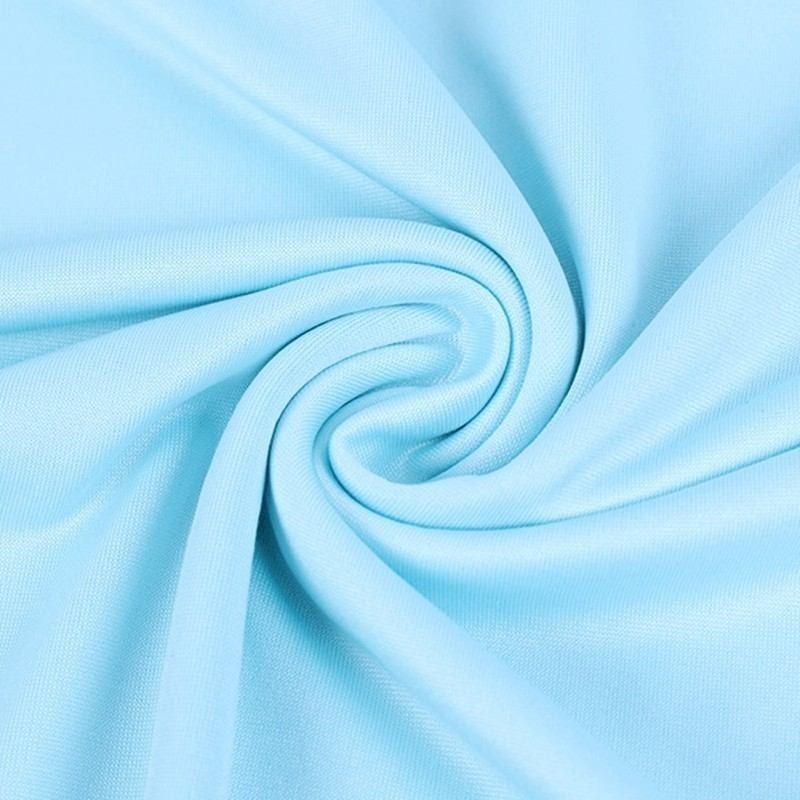
With balanced performance and cost advantages, polyester covers multiple industries. Manufacturers select variants by functional needs. Its soft texture and stable structure make it a staple for apparel, home textiles and outdoor gear.
Apparel and Accessories
Polyester is favored by fashion brands for bright color fastness, affordability and easy care. It is widely made into shirts, trousers, suits and all kinds of sportswear. Premium polyester offers soft hand feel and long service life for daily wear. Starke customizes weight, color and functional finishes for casual and activewear fabric orders.
Home Textiles
Polyester is a mainstream choice for curtains, bed sheets, cushions and sofa upholstery, combining aesthetics and practicality. It is stain-resistant, wrinkle-proof, durable and available in rich color options.
Outdoor And Sports Gear
Outdoor and sports fabrics require high durability. Polyester features toughness, tear resistance and moisture management, commonly used for backpacks, jackets, tents and sports accessories. Functional finishes such as waterproof, windproof and anti-static can be customized for harsh outdoor environments.
Advantages and Disadvantages of Polyester Fabric
Advantages of Polyester
Polyester is widely popular among manufacturers due to its many excellent properties. It has excellent strength and lifespan, is not easily deformed, and has excellent wrinkle resistance, reducing the need for ironing.
Many woven and knitted polyester styles feature great quick-drying performance. Specially engineered polyester fabrics also achieve good air permeability, making them ideal for travel and sportswear. It is tear-resistant, abrasion-resistant, and resistant to sun fading, maintaining its appearance and performance even after prolonged use. It can be processed into a variety of products suitable for various scenarios.
Disadvantages of Polyester
Polyester fabrics also have some inherent disadvantages. The table below lists common shortcomings of different types of fabrics.
| Disadvantage | Description |
|---|---|
| Threat to the ecosystem | Polyester production uses fossil fuels and releases toxins into water, risking the environment. |
| Not very breathable | Some types lack breathability, causing discomfort, though microfiber types are exceptions. |
| Difficult to decompose | Polyester takes hundreds of years to break down, producing methane gas and impacting climate. |
| Damaging microfibers | Washing polyester releases microplastics, harming marine life and affecting human health. |
Polyester Vs. Other Fabrics
Polyester Vs. Cotton
Cotton is natural plant fiber while polyester is synthetic chemical fiber, each with distinct pros and cons. Polyester excels in durability, quick drying, wrinkle and stain resistance, ideal for uniforms and sportswear. Cotton offers softer touch and better breathability but costs more due to farming and complex processing, preferred for loungewear and bedding.
Note: All LCA data below are sourced from public textile industry life cycle assessment studies.
| Criteria | Polyester | Cotton |
|---|---|---|
| Origin | Synthetic (oil) | Natural (plant) |
| Renewable | NO | YES |
| Biodegradable | NO | YES |
| Microplastics | YES | NO |
| Land Degradation | NO | YES |
| Affects Biodiversity | NO | YES |
| Global Warming (CO₂-eq/1kg) | 10.2 kg CO₂ | 9.3 kg CO₂ |
| Energy Use (MJ-eq/1kg) | 184 MJ | 98 MJ |
| Water Scarcity (m³/1kg) | 2.9 m³ | 124 m³ |
| Water Pollution (PO₄-eq/1kg) | 0.0031 kg PO₄ | 0.0167 kg PO₄ |
Polyester Vs. Nylon
Both are synthetic fibers with differentiated scenarios. Nylon has higher moisture regain, softer hand feel and excellent abrasion resistance. Polyester features stronger water repellency, faster drying speed and better UV stability under long sun exposure. Nylon is often used for ropes and parachutes; polyester dominates sportswear, outdoor jackets and bags.
| Feature | Polyester | Nylon |
|---|---|---|
| Moisture Absorption | Very low (<0.5%) | Moderate (2-5%) |
| Drying Speed | Faster | Slower |
| Durability | Good | Excellent |
| UV Resistance | Strong | Weaker |
Polyester Vs. Rayon
The two differ greatly in skin-friendliness and durability. Rayon has soft texture and elegant draping but absorbs heavy moisture and loses strength when wet. Polyester feels sleek, easy to wash and quick-drying, though basic styles have average ventilation. Rayon suits soft dresses and blouses; polyester fits uniforms, home textiles and sportswear.
| Fabric Type | Feel on Skin | Care Requirements | Typical Uses |
|---|---|---|---|
| Polyester | Smooth, sometimes less breathable | Easy to care for, quick-drying | Activewear, uniforms, home furnishings |
| Rayon | Soft, smooth, drapey | Highly absorbent, less durable when wet | Garments requiring a softer drape |
Choosing The Right Polyester Fabric
Assessing Your Needs
Manufacturers, wholesalers, and suppliers need to first identify the actual application scenario, as various polyester materials offer unique functional advantages. Sweat-wicking, quick-drying fabrics are suitable for sportswear production; soft, stain-resistant fabrics are ideal for home textiles; and durable, quick-drying fabrics are ideal for outdoor gear.
Tips For Shopping And Care
When sourcing polyester fabrics, the flexibility of customization is worth considering. Starke offers a reliable one-stop service covering the entire process from ordering to final delivery. Personalized adjustments to fiber composition, fabric weight, width, color, density, and finish are supported, along with professional consultation.
| Customization Options | Support Services |
|---|---|
| Fiber content | Expert fabric and process analysts for help |
| Weight | Documents and test reports made for customer needs |
| Width | Certificates for safety and environmental rules |
| Color | Fast and precise development processes |
| Density | Help with tracking and checking recycled content |
| Finishing processes | Follows international standards |
FAQ
What certifications should manufacturers look for when selecting polyester fabrics?
Factory and supplier companies should look for OEKO-TEX 100 and GRS labels. These labels indicate that the fabric is safe and environmentally friendly.
How can suppliers customize polyester fabrics for different applications?
Suppliers can choose fiber composition, weight, width, color, and finishing processes. Starke offers expert guidance and customization options for sportswear, home textiles, and outdoor gear.
Is polyester fabric suitable for outdoor products?
Polyester fabric is moisture-wicking, sun-resistant, and stain-resistant. Manufacturers use it in products such as jackets, backpacks, and tents because it is strong, durable, and quick-drying.