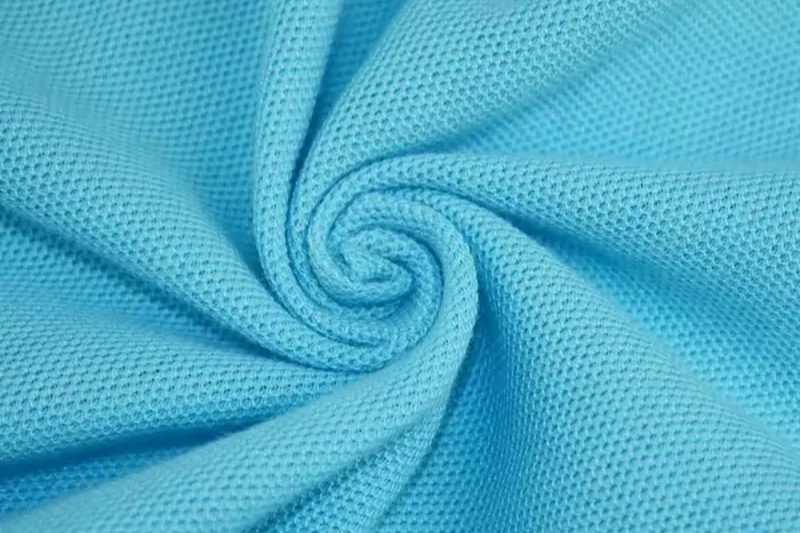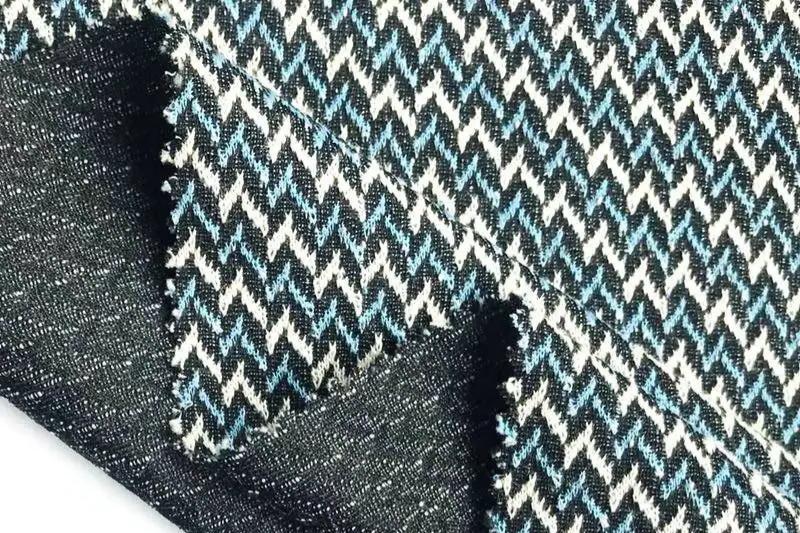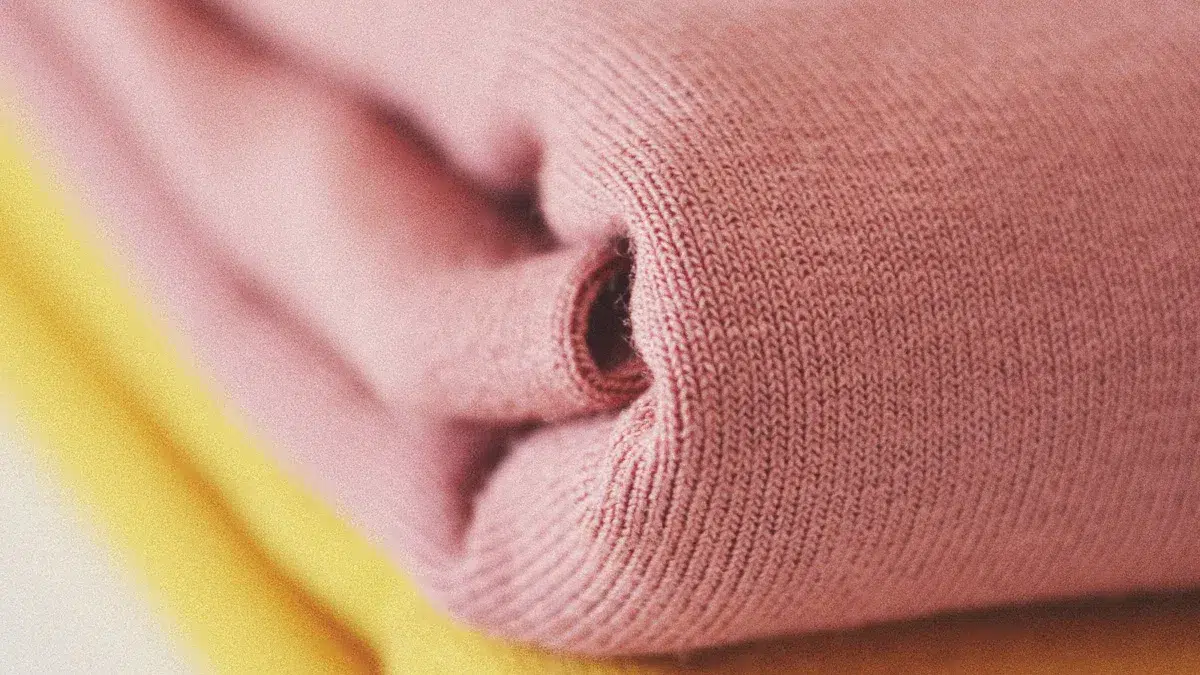
The main difference between regular fleece and sherpa fleece fabric is their feel and warmth. Sherpa fleece fabric features a soft, raised surface that traps 30% more heat than standard fleece. This makes sherpa fleece fabric ideal for keeping warm in cold rooms or at night. In contrast, regular fleece feels smoother and lighter, which helps the fabric breathe and keeps you comfortable for longer periods.
| Feature | Fleece Blanket | Sherpa Fleece Fabric Blanket |
|---|---|---|
| Weight (per sq. yard) | 5.3 oz | 7.1 oz |
| Drape Flexibility | High | Moderate |
| Best Use Case | Layering, active lounging | Stationary warmth |
Key Takeaways
- Sherpa fleece holds 30% more heat than regular fleece. This makes it great for cold days. Fleece feels lighter and smoother. It works well for layering clothes and sports. Both fabrics are simple to wash and keep clean. Sherpa needs extra care to stay soft. Think about what you need. Pick fleece if you want comfort and air flow. Choose sherpa if you want warmth and a cozy feel.
What Is Fleece?
Material & Texture
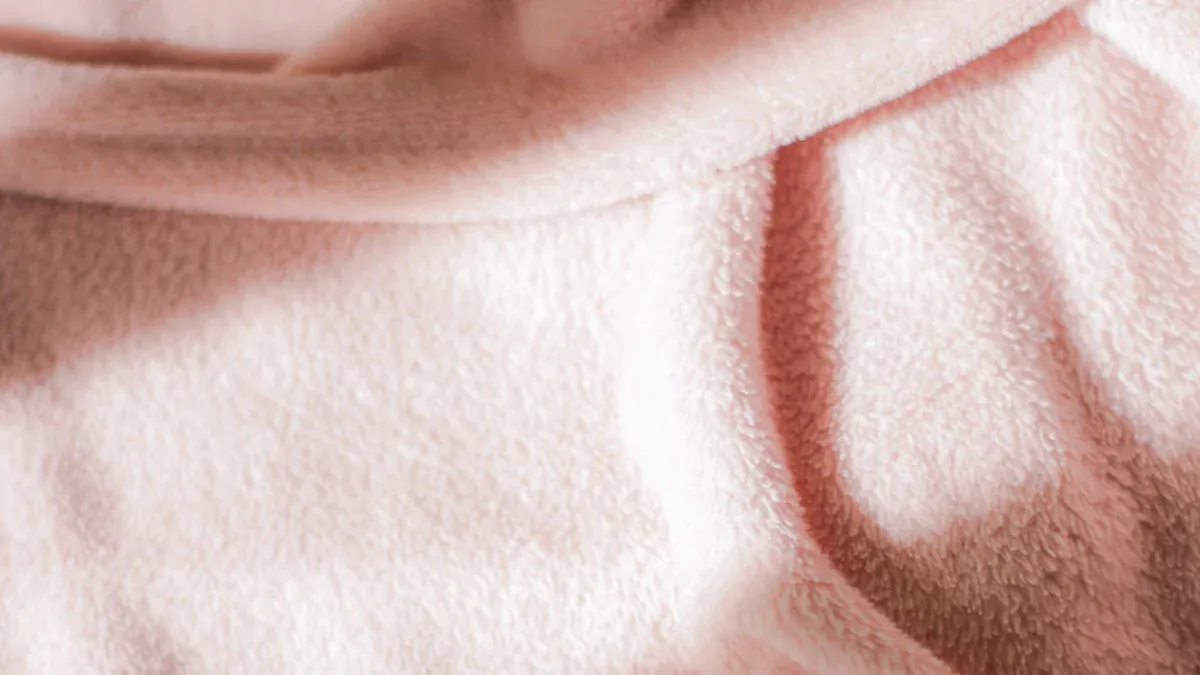
Fleece is a fabric that keeps you warm and comfortable. Most fleece comes from polyester, which is made from plastic. Some fleece uses cotton, hemp, or recycled materials. These fibers make fleece special in different ways. Polyester fleece is used for outdoor clothes because it is light and dries fast. Cotton fleece feels soft and is good for relaxing at home. Some fleece mixes bamboo, wool, or rayon to change how it feels.
Fleece feels different from other synthetic fabrics. It is soft and fluffy because of how it is woven and brushed. This makes the surface smooth and gentle on your skin. The pile surface has cut fibers on both sides. These fibers create tiny air pockets. The pockets help keep you warm when you move around. Fleece also keeps moisture away and lets air pass through. This helps you stay comfortable while being active.
| Material | Description |
|---|---|
| Polyester | Main material, made by weaving fibers and brushing for softness |
| Cotton | Natural fiber, sometimes blended for extra comfort |
| Hemp | Used in some fleece for a natural touch |
| Recycled Polyester | Made from reused plastic, eco-friendly option |
| Organic Cotton | Sustainable choice for fleece production |
| TENCEL™ | Another sustainable fiber used in some fleece fabrics |
Common Uses of Fleece Fabric
Fleece fabric can be used in many ways. People wear it for clothes and accessories. Polar fleece is found in jackets, hats, gloves, and blankets. Microfleece is thin and light, so it works well for sports and outdoor clothes. Fleece blankets are great for home and outside. Many hoodies, sweatshirts, and pajama pants use fleece for extra comfort. Fleece is also used in scarves, ear warmers, and pet beds.
Tip: Fleece fabric is simple to wash and dries fast. This makes it a good choice for busy families and people who like being outdoors.
Fleece is picked because it is warm, soft, and keeps you dry. Its special feel and materials make it great for active wear and cozy things at home.
What Is Sherpa Fleece Fabric?
Material & Texture
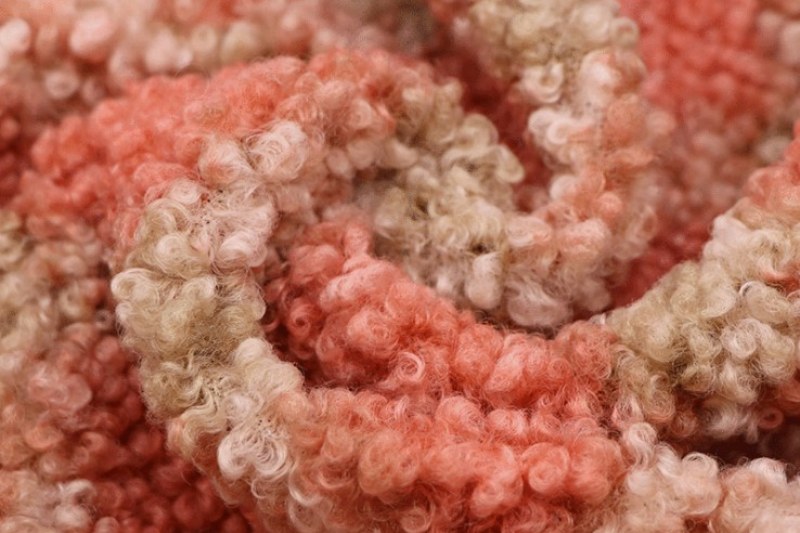
Sherpa fleece fabric is liked for being warm and soft. Most sherpa fleece fabric is made from polyester. Some sherpa fabric uses acrylic or other fake yarns. The fibers are spun, woven, or knitted to make the fabric. After the base is made, the fibers are treated to make a soft, fluffy surface. This step gives sherpa fleece fabric its special feel.
Sherpa fabric looks and feels like real sheepskin. The surface is curly and soft, like lamb’s wool. The pile is thick and fluffy, so it holds heat well. The back of sherpa fabric is smooth and knit or woven. This makes it easy to sew and nice to wear. Sherpa fleece fabric is often softer and fluffier than real sheepskin. It is warm and easy to care for, so people use it in cold weather.
Note: Sherpa fleece fabric is sometimes called warm sherpa fabric because it keeps you cozy in winter.
| Feature | Sherpa Fleece Fabric |
|---|---|
| Main Material | Polyester, acrylic |
| Texture | Curly, soft, fluffy pile |
| Back | Smooth knit or woven |
| Warmth | High, traps heat |
| Care | Easy to wash and dry |
Common Uses of Sherpa Fleece
Sherpa fleece fabric is used in many things. People pick sherpa fabric for warmth and comfort. You can find sherpa fleece fabric in jackets and hoodies. Many winter coats have sherpa inside. Hats, gloves, and boots use sherpa fabric to keep you warm. Blankets, throws, and pillows use sherpa fabric for coziness. Pet beds and pet clothes also use sherpa fleece fabric. Sleeping bags and neck pillows for travel often have sherpa fabric for extra warmth.
- Outdoor apparel (jackets, hoodies)
- Winter coats (inner lining)
- Hats, gloves, boots
- Blankets, throws, pillows
- Pet beds, pet clothing
- Sleeping bags, neck pillows
Sherpa fleece fabric is picked for things that need warmth, softness, and easy care. The fluffy pile and smooth back make sherpa fabric a great choice for cold days and cozy places.
Fleece vs Sherpa: Key Differences
Warmth & Insulation
Sherpa and fleece both keep you warm, but they do it differently. Sherpa fabric has a thick, fluffy surface. It traps air and keeps heat close to your body. This makes sherpa great for winter clothes and blankets. Fleece is lighter and smoother. It works well for layering or for mild weather.
| Fabric Type | Insulation Value Under Pressure | Heat Retention Comparison |
|---|---|---|
| High-Pile Fleece | 85% | Deep air chambers give strong insulation |
| Polar Fleece | 65% | Not as good at keeping heat in |
| Sherpa Fleece | 15-20% more heat retention | Micro-pockets help hold heat better |
Sherpa fleece has a bumpy surface that makes warm air pockets. This helps sherpa keep you warmer than regular fleece. People pick sherpa for cold winters because it blocks cold air and keeps heat in.
Tip: For very cold days, sherpa blankets or jackets are usually best.
Softness & Comfort
People like fleece and sherpa because they are soft. Sherpa feels thick and fluffy, almost like real sheepskin. It gives deep softness that feels cozy. Fleece is lighter and smooth. It feels gentle on your skin and is not heavy.
| Fabric Type | Softness Description | Comfort Level Description |
|---|---|---|
| Sherpa Fleece | Thick, plush feel like sheepskin, deep softness | Heavy feel can be less comfy in warm rooms |
| Fleece | Light and soft, lets air flow | Good for mild weather, smooth touch, not heavy |
Sherpa is good for people who want a cushioned, snuggly feel in winter. Fleece is better for those who want comfort without extra weight. Some people say sherpa feels too warm indoors, while fleece stays comfy longer.
Weight & Thickness
How heavy and thick the fabric is changes how you use it. Sherpa is heavier and thicker. It adds warmth but is less flexible. Fleece is lighter and thinner. It is easy to move in and good for layering.
| Fabric Type | Thickness | Insulation | Best Use |
|---|---|---|---|
| Sherpa Fleece | Heavier and thicker | Gives lots of warmth | Deep winter use |
| Fleece | Lighter and thinner | Lets you move easily | Spring, fall, or mild winter days |
- Sherpa: Heavy and thick, best for deep winter, gives lots of warmth.
- Fleece: Light and thin, good for spring and fall, lets you move freely.
Sherpa is often used inside jackets and boots because it adds bulk and warmth. Fleece is good for active wear and lighter blankets.
Breathability & Moisture-Wicking
Breathability and moisture-wicking help you stay comfortable. Fleece pulls sweat away from your skin and dries fast. This makes it popular for sports and outdoor activities.
- Fleece fabrics, including sherpa, pull sweat away and keep you dry.
- Sherpa gives great insulation but is less breathable than other fleece.
- Sherpa is best for sitting still in cold places.
Regular fleece lets air pass through and is good for people who move a lot. Sherpa can feel stuffy if you wear it indoors or when you are active.
Care & Durability
Both fleece and sherpa are easy to care for. Sherpa needs a bit more care to keep it soft and in shape.
- Look at the care instructions for your sherpa item.
- Turn sherpa fleece inside out to protect the soft side.
- Use a gentle wash cycle.
- Wash with cold or lukewarm water.
- Pick a mild detergent with no scent or dye.
- Do not use fabric softeners to keep it soft.
- Do not overload the washer to stop rubbing.
- Run an extra rinse to get rid of all detergent.
- Air dry sherpa fleece to keep it soft.
- Shape it while damp to keep its form.
Sherpa fleece looks like sheep’s wool and is used inside hoodies and coats. It is strong and lasts well in winter clothes. Fleece is also strong and keeps its color after many washes. Fleece is easier to care for and dries faster.
| Factor | Fleece Lining | Sherpa Lining |
|---|---|---|
| Color Retention | Excellent | Good, unless dyed unevenly |
Cost Comparison: Fleece vs Sherpa Fabric
The price depends on the material and how it is made. Sherpa fleece costs more because it is thicker, softer, and takes more work to make. Fleece is usually cheaper and comes in many types.
| Type of Fleece Fabric | Average Price Per Yard (Retail) |
|---|---|
| Standard Polyester Fleece | $4 – $6 |
| Anti-Pill Fleece | $6 – $9 |
| Plush / Sherpa Fleece | $8 – $12 |
| Microfleece | $5 – $8 |
| Printed / Custom Fleece | $9 – $15 |
Sherpa fleece costs more to make because it feels nice and is warm. Fleece is cheaper and easier to find in stores.
Note: If you want something affordable for daily use, fleece is a good pick. For extra warmth and softness in winter, sherpa is worth the higher price.
| Attribute | Fleece | Sherpa |
|---|---|---|
| Warmth | Light and thin, good for mild weather | Heavy and thick, best for deep winter |
| Softness | Soft and comfy | Plush and cushioned |
| Thickness | Thin, easy to layer | Thick, adds bulk |
| Breathability | Breathable, good for active use | Less breathable, can feel stuffy |
| Moisture-wicking | Pulls sweat away, dries fast | Holds moisture longer |
| Care | Easy to care for, affordable | Needs more care, costs more |
| Durability | Strong, cost-effective | High quality, often lasts longer |
| Price | Usually lower because it is simple to make | Often higher because it is harder to make |
Fleece and sherpa fleece fabric both have special advantages. Fleece is light and good for layering. It also works well as a fleece blanket. Sherpa fleece gives more warmth and feels soft and thick. It is great for cold days or as a faux fur blanket. Sherpa fleece is bigger and feels extra cozy. This helps a lot during winter walks or when hanging out. Think about how much warmth, softness, and easy care you want before picking the best fabric for your needs.
FAQ
What is the main difference between fleece and sherpa?
Fleece feels smooth and light. Sherpa has a fluffy, wool-like surface. Sherpa traps more heat and feels thicker. Fleece works well for layering and active wear. Sherpa is best for extra warmth.
Can you wash fleece and sherpa in a washing machine?
Yes, you can wash both in a machine. Use cold water and a gentle cycle. Turn sherpa inside out. Avoid fabric softeners. Air dry for best results.
Which fabric is better for people with allergies?
Both fleece and sherpa are usually made from synthetic fibers. These fibers do not hold dust or pet hair easily. Many people with allergies choose fleece or sherpa for this reason.
Does sherpa fabric shed or pill?
Sherpa can shed or pill if washed roughly. Use a gentle cycle and mild detergent. Air drying helps keep the fabric soft and reduces shedding.
Is fleece or sherpa more eco-friendly?
Some fleece and sherpa fabrics use recycled polyester. Look for labels that say “recycled” or “eco-friendly.” These options help reduce waste and are better for the environment.