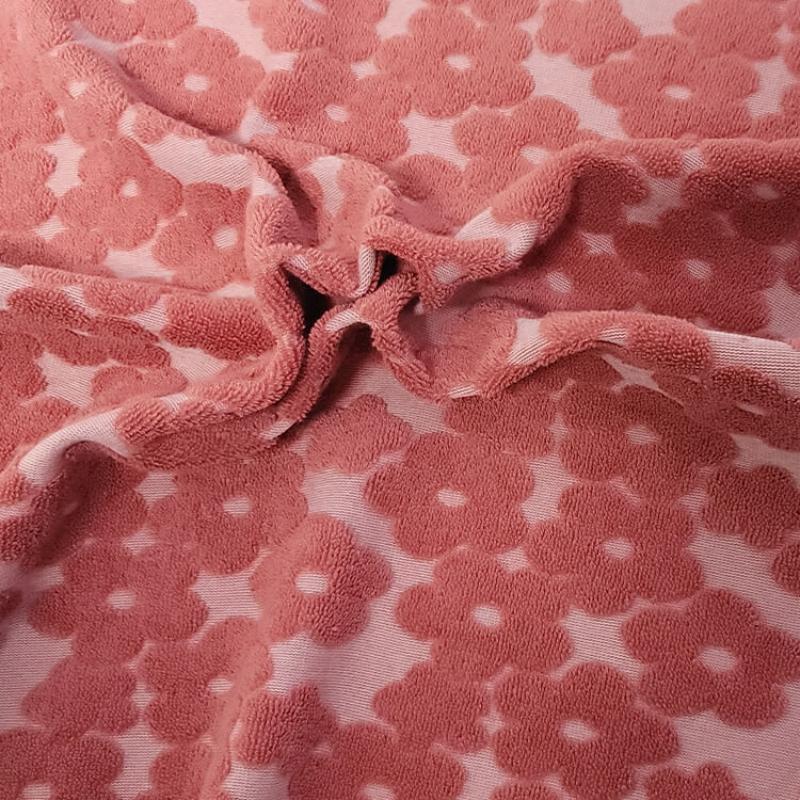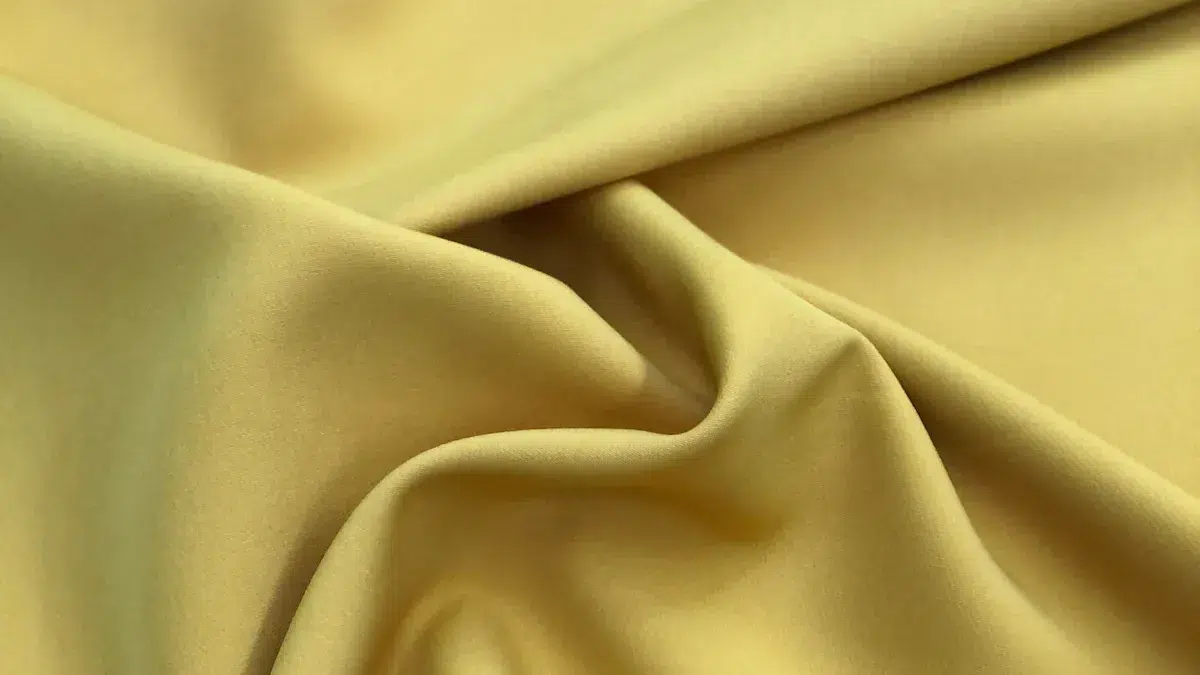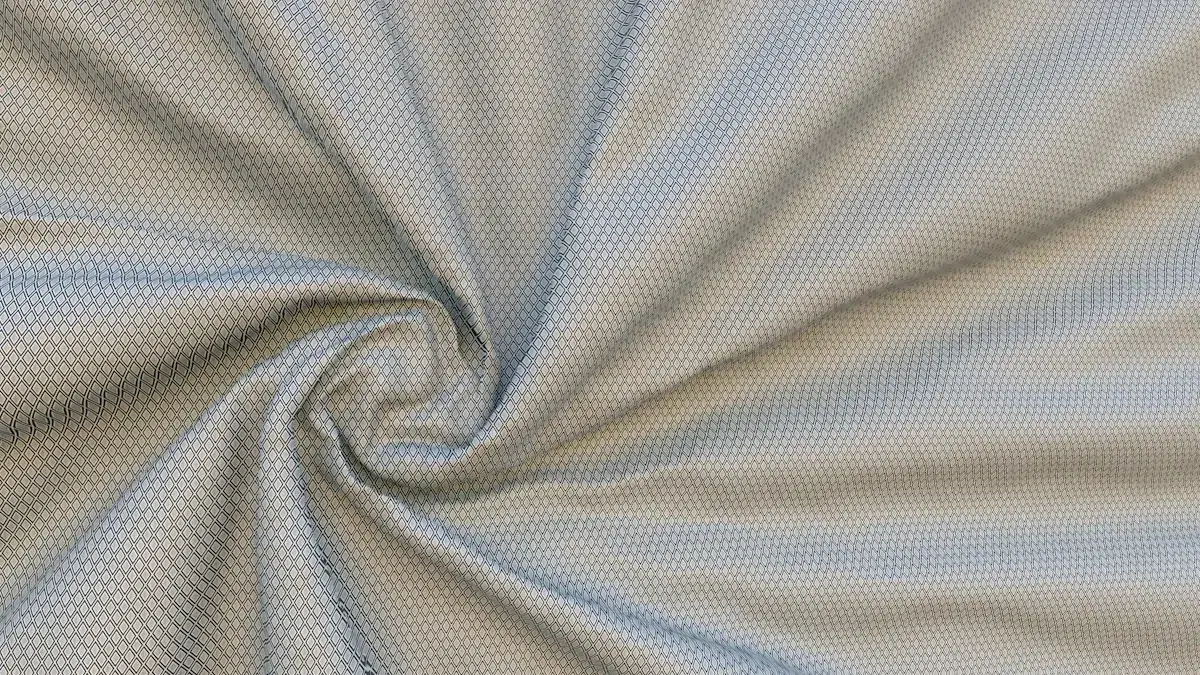
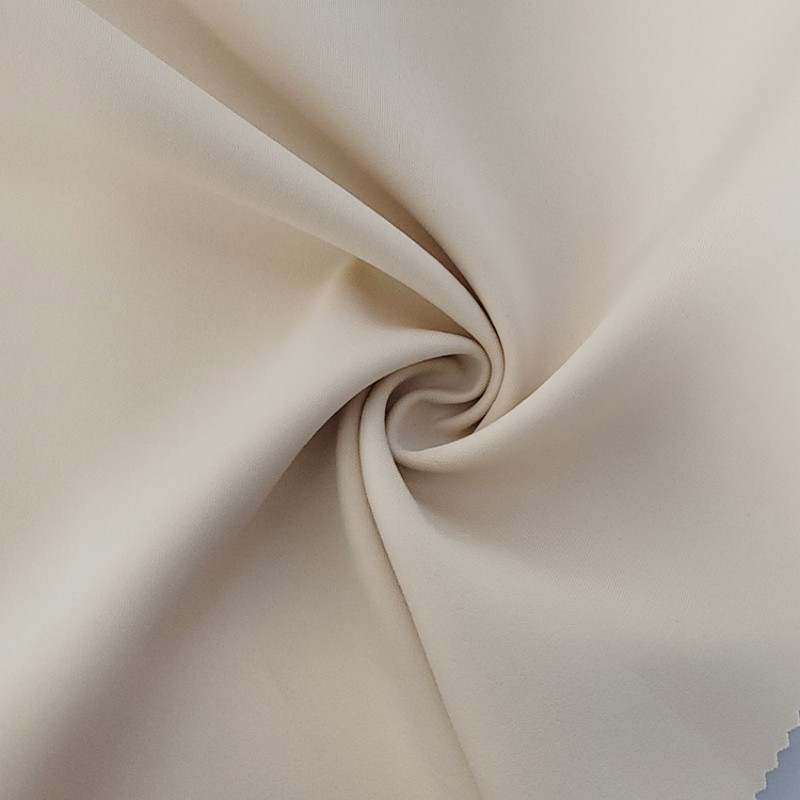
Composite fabrics are a special type of material made by bonding two or more layers of fabric together. The bonding process typically uses glue or heat. This process makes the fabric stronger and more durable. Many companies use composite fabrics because they are more durable and offer superior performance. Brands like Starke use composite fabrics in products such as wetsuits, knitwear, and fleece. These materials help designers and businesses achieve higher goals in today’s textile industry.
Key Takeaways
- Bonded fabric puts layers of material together with heat, glue, or pressure. This makes it stronger and tougher than normal fabrics. Different ways to bond, like heat bonding or glue bonding, give special benefits. Some benefits are water resistance and extra strength. Bonded fabric is useful for many things. People use it for sportswear, outdoor gear, and home items because it is strong and flexible. Taking care of bonded fabric is important. Use sharp tools to cut it and wash it gently. This helps it last longer and stay nice. Brands like Starke use bonded fabric to make new products. These products are good for both fashion and function.
Bonded Fabric Overview
.jpg)
What are composite fabrics?
Composite fabrics are a special type of textile. Manufacturers create composite fabrics by bonding multiple layers of materials together. They use heat, pressure, or glue to bond these layers together, rather than using ordinary sewing techniques. This type of fabric has a smooth and strong surface. Experts say that composite fabrics are made using adhesive films or tapes. The layers are then bonded together by heat and pressure, making the fabric more robust and stable. Designers choose composite fabrics to create garments that require durability because they are highly abrasion-resistant.
Bonded fabric uses different ways to bond. Some common methods are:
- Bonding with heat
- Mechanical methods
- Chemical methods
Each method allows the fabric to meet specific needs. Thermal bonding is suitable for sportswear. Chemical bonding can make the fabric waterproof. The resulting fabric has a wide range of uses.
Differences from Other Fabrics
Bonded fabrics differ from ordinary textiles. Most fabrics are woven, knitted, or nonwoven. Each fabric has its unique manufacturing process and properties. The table below compares these fabrics:
| Feature | Woven Fabric | Knitted Fabric | Nonwoven Fabric |
|---|---|---|---|
| Production Method | Interlaced warp and weft yarns | Loops of yarns | Bonded fibers |
| Elasticity | Little to none | Best elasticity | Poor elasticity |
| Strength | Moderate to high | Moderate | Low |
| Typical Applications | Clothing, upholstery | Stretchable garments | Disposable products, medical supplies |
| Structure | Visible interlaced texture | Visible loop structure | Random fiber distribution |
Bonded fabric does not fit these groups. It combines layers to make a new material. This gives bonded fabric special features. The table below shows what makes bonded fabric different:
| Characteristic | Description |
|---|---|
| Durability | Lasts longer than regular textiles. |
| Stability | Stays steady because of the bonding process. |
| Strength | Gets stronger by mixing different fabrics. |
| Water Resistance | Keeps water out, so it works for many uses. |
| Versatility | Can be used for lots of things because it is a mix. |
Bonded fabric is tougher and steadier than woven or knitted fabrics. It also keeps water out, so it is good for outdoor gear and sportswear. Bonded fabric can be used in many products, like jackets and furniture. Brands such as Starke use bonded fabric for scuba, jersey knit, and fleece. These fabrics work well for both casual and work clothes.
Note: Bonded fabric mixes the best parts of different materials. It gives designers more choices and helps products last longer.
Making Bonded Fabric
Bonding methods
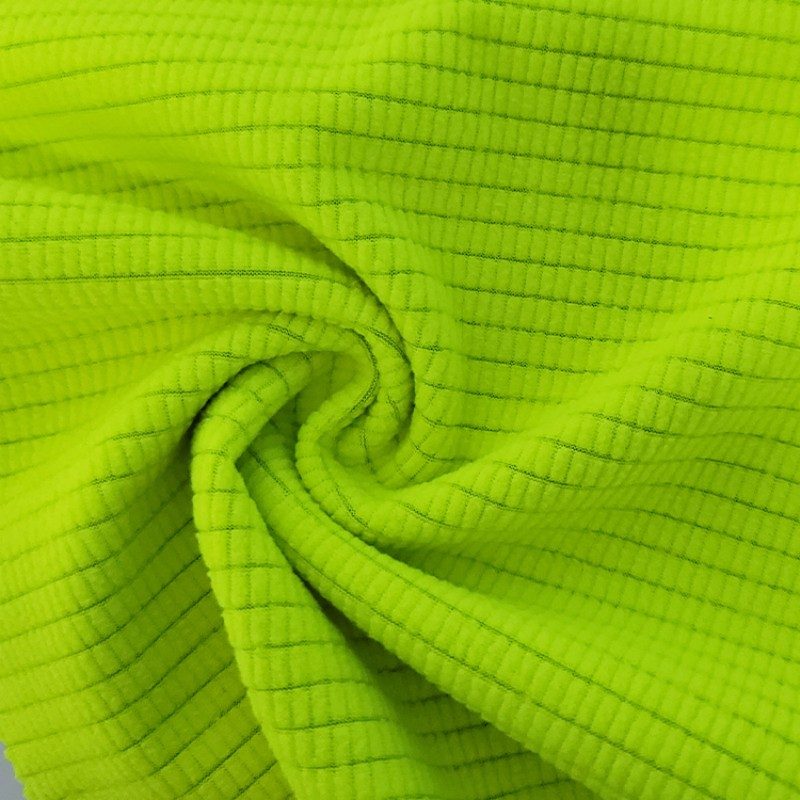
Manufacturers use different ways to make bonded fabric. Each way gives the fabric special qualities. The most common ways are dry-laid, wet-laid, and melt or spun melt. The table below shows what each method does:
| Manufacturing Process | Description |
|---|---|
| Dry-laid manufacturing process | Makes a web of fibers and bonds it with machines, chemicals, or heat. |
| Wet-laid manufacturing process | Uses short fibers in water to make nonwoven fabrics, like making paper. |
| Melt or spun melt manufacturing | Uses melted threads and bonds them with heat or chemicals, good for heavy fabrics. |
There are other ways to bond fabric too. Some of these are adhesive bonding and ultrasonic welding. Adhesive bonding uses glue to stick layers together. It needs careful work but not much equipment. Ultrasonic welding uses sound waves to join fabrics fast. This way makes strong seams and does not need glue or thread.
- Adhesive Bonding: Easy to set up, but needs careful work and more time to dry.
- Ultrasonic Welding: Quick and clean, but needs special machines.
These methods help to make bonded fabrics strong, smooth, and suitable for a variety of applications.
Materials Used
The materials used will affect the performance of the bonded fabric. Most bonded fabrics use thermoplastic fibers. These fibers bond well when heated and also help the fabric become waterproof and flame-retardant. Some common materials include nylon, polyester, and spandex.
- Nylon: Strong, light, and does not wear out easily.
- Polyester: Keeps its shape, does not fade, and can be used for many things.
- Spandex: Stretches and is comfy, great for sportswear.
Sometimes, manufacturers blend textiles with foam materials to enhance the strength or water resistance of bonded fabrics. Each material serves a specific purpose. For example, bonded nylon, due to its toughness and lightweight, is ideal for outdoor gear. Polyester helps maintain the fabric’s stability. Spandex gives the fabric elasticity. This blending allows companies like Starke to produce bonded fabrics for a variety of uses, such as clothing or factory supplies.
Characteristics of Bonded Fabrics
Durability and Structure
Bonded fabrics are strong, durable, and have a long lifespan. Manufacturers take everyday use into account during production. The way multiple layers of fabric are joined makes them strong and durable, maintaining their shape even after repeated use.
The structure of the fabric depends on the weaving method. Plain weave and twill weave are two commonly used weaving methods. Different weaving methods give the fabric different strengths.
- Plain weave is good at stopping surface damage. It does not tear as easily when rubbed.
- Twill weave is better at stopping tears. A 2/1 twill weave can handle about 19N before tearing. A 2/2 twill weave can handle up to 30N. This means twill weave is stronger against pulling.
- Twill weave lets more yarns break at once. This helps the fabric stay together when pulled hard.
- Plain weave has a tear strength of about 13N. It does not stop tears as well as twill, but it protects better from rubbing.
Bonding the layers makes the fabric even tougher. Using heat or glue keeps the fabric from coming apart. This makes bonded fabric great for things that need to last, like sportswear, uniforms, and furniture.
Tip: Pick the right weave for your project. Twill weave is best if you need to stop tears. Plain weave is better if the fabric will be rubbed a lot.
Versatility and performance
Bonded fabric is flexible and can be used in many ways. Designers and makers can pick different materials and bonding styles. This helps them make fabric for many uses. That is why bonded fabric is popular in fashion and industry.
Here is a table that shows how bonded fabric works in different ways:
| Property | Benefit | Example Use |
|---|---|---|
| Water resistance | Keeps water out | Rain jackets, outdoor gear |
| Shape retention | Stays in shape after washing or pulling | Sportswear, uniforms |
| Customizable thickness | Can be thick or thin as needed | Jackets, linings |
| Smooth finish | Looks nice and feels soft | Fashion garments |
| Enhanced strength | Handles lots of use and movement | Workwear, upholstery |
Composite fabrics also offer several additional functionalities. Some wick away sweat, keeping you dry. Others are specially treated to maintain their smoothness even after multiple washes. Brands like Starke offer a wide range of weights, colors, and patterns to help you find the perfect fabric for any project.
People love composite fabrics because of their versatility. They’re suitable for sportswear, home furnishings, and even factory production. Their unique manufacturing process gives them a beautiful appearance and superior performance.
Uses of Bonded Fabric
Apparel and Sportswear
Composite fabrics play a vital role in today’s clothing. Designers use them to create jackets and coats, providing windproof and warmth. Sportswear also utilizes composite fabrics because of their breathability and ability to wick sweat away from the skin. Many brands choose composite fabrics for sportswear, fashion apparel, and outdoor clothing. The multi-layered structure keeps garments soft, flexible, and noiseless during movement. Composite fabrics help garments maintain their shape and regain elasticity after use, extending their lifespan.
Starke offers a variety of knitted and composite fabrics for apparel. Their diving fabrics, knitted fabrics, Roma fabrics, and fleece fabrics are suitable for casual wear and sportswear. These fabrics reduce friction, provide better support, and offer superior elasticity. Athletes love these fabrics because they are lightweight yet durable, suitable for use in the gym, running, cycling, and various sports.
Designers like bonded fabric because it helps them make new and strong clothes. The material fits many needs, so it is popular in fashion.
Home and industrial applications
Bonded fabric is used in homes and factories too. Furniture makers use it for chairs and sofas in busy places. It is tough and easy to clean. Car makers use bonded fabric for seats and doors. It makes cars comfy and strong for people. Filters use bonded fabric to keep air and water clean.
Starke cares about quality and the environment. The company has certificates that show this:
| Certification | Significance |
|---|---|
| OEKO-TEX® STANDARD 100 | Makes sure fabrics have no harmful chemicals. |
| HIGG Index | Checks how green and fair the company is. |
| GRS | Shows bonded fabrics use recycled materials. |
Starke keeps making more recycled fabrics to help the planet. Their products are safe and good for the environment.
Working with Bonded Fabric
Cutting and Finishing Tips
Be extremely careful when cutting bonded fabric. This prevents the fabric layers from separating or fraying. Use a sharp tool, such as a rotating cutter or a fine blade, to get clean cuts. Experts recommend cutting along the grain. This keeps the fibers tight and prevents them from unraveling. Some designers apply a small amount of glue to the cut line. This helps hold the fibers and fabric layers together. Using serrated shears or sewing bias binding around the edges also helps prevent fraying. If you are using a Cricut machine, make sure the paper is placed face down on the cutting mat. This helps keep the fabric stable while cutting. Cutting paper will dull the blade faster. Therefore, check the blade frequently. Handle the fabric gently to avoid separating the fabric layers. Always work in good lighting so you can see clearly.
Sewing and Finishing Tips
Practice sewing on scrap material first. This will help you find the right needle size and thread tension. Use clips or fabric glue instead of pins. Pins can leave holes that cause the fabric layers to shift. Hemming with overlock or zigzag stitching prevents fraying. Heat fusion welding and ultrasonic welding create strong seams, especially suitable for polyester fabrics. If you cannot sew, you can also glue multiple layers of fabric together. When ironing, wrap the fabric in a cloth or use a low temperature to avoid damaging it. Always read the manufacturer’s instructions before starting.
Care and Maintenance
Proper care of bonded fabrics helps extend their lifespan. Hand wash with warm water and mild soap. Alternatively, use a gentle cycle in a washing machine with cold water. Lay flat to dry or hang to dry, avoiding high temperatures. Do not dry in direct sunlight to prevent fading. When ironing, place a cloth behind the garment and use a suitable temperature. Starke recommends washing dark and light-colored garments separately and removing stains as soon as possible. Clean the fabric before storing. Fold it neatly and store in a cool, dry place.
| Customization Aspect | Details |
|---|---|
| Weights | 90-500+ gsm |
| Colors | Various options available |
| Patterns | Custom patterns available |
| Functional Features | Lamination, DWR, layered |
Starke makes working with bonded fabric simple. You can pick the weight, color, pattern, and features you need for any project.
Bonded fabric puts layers together to make a tough material. It is strong and can be used in many ways. It lasts a long time, keeps water out, and feels nice. The table below shows the main benefits:
| Property/Advantage | Description |
|---|---|
| Enhanced Durability | Stays good longer and does not wear out easily |
| Water Resistance | Stops water from getting in |
| Versatility | Works for lots of jobs and products |
| Improved Insulation | Helps keep you warm |
If you want to learn more about textiles, check these:
- Guides about fabrics that are good for the planet
- Books that tell the story of textiles and show real uses
- Ways to judge if a fabric is eco-friendly
- Articles about new bonding methods and trends
FAQ
How to Safely Cut Fusible Fabric?
People use sharp tools to cut fusible fabric. A dedicated fusible fabric cutter works best. Cut slowly to keep the layers of fabric bonded together. Some people use adhesive after cutting to seal the edges and prevent fraying. Always check your blade before cutting fusible fabric.
Which tools are best for cutting fusible fabric?
A dedicated fusible fabric cutter allows for clean, sharp cuts. A rotating cutter is also helpful when cutting fusible fabric. Scissors can be used, but blades are more convenient. Many people choose to use a fusible fabric cutter to cut thicker materials. Using adhesive after cutting helps keep the edges neat.
Why is using adhesive important when cutting fusible fabric?
Adhesive bonds the layers of fabric together, preventing the fabric from fraying after cutting. People use adhesive before and after cutting fusible fabric to keep the edges strong. Adhesive is equally important when using a dedicated fusible fabric cutter.
How to Prevent Fraying When Cutting Fusible Fabric?
After cutting fused fabric, people apply adhesive to the edges. A special blade for fused fabric can cut smooth lines. Some people use serrated scissors or tape. The adhesive seals the edges, resulting in neat and clean cuts. Always handle fused fabric gently when cutting.
What should you know before cutting fused fabric?
Before cutting, check the thickness of the fused fabric. Choose a special blade for fused fabric to cut clean, sharp lines. Use adhesive to bond the layers of fabric together. Ensure the cut surface is flat. Test on a small piece of fabric first; this will help you achieve a perfect cut.