
You might see faux sherpa called synthetic sherpa, sherpa fleece, sherpa fabric, or faux shearling. Faux sherpa is soft and does not use real animal fur. It is a good choice for people who want animal-friendly products. Companies see that many people want faux sherpa because it is soft and better for the planet.
- Faux sherpa sales grow about 7.8% every year.
- People like sherpa fabric that is soft and cruelty-free.
- New fiber science and green products help it grow.
- Fancy faux sherpa items and home decorations are getting more popular fast.
Key Takeaways
- Faux sherpa is a soft fabric. It is animal-friendly. It is made from fake fibers like polyester or acrylic. It keeps you warm without real animal fur.
- When you shop for faux sherpa, look for words like synthetic sherpa, sherpa fleece, or faux shearling. These names all mean the same soft material.
- Pick suppliers like Starke Textile for custom faux sherpa. They give you good fabrics made for what you need. This helps make the textile industry kinder.
Faux Sherpa Names
Common Terms
There are many names for sherpa fabric in the textile world. Companies use these names for materials that look and feel like wool. The most used names are synthetic sherpa, sherpa fleece, sherpa fabric, and faux shearling. Each name shows a special feature or use.
Here is a table to help you see the differences:
| Term | Definition | Distinguishing Features |
|---|---|---|
| Synthetic Sherpa | A man-made fabric made to feel and look like sheep wool. | Light, cheap, vegan, and usually made from polyester or acrylic. |
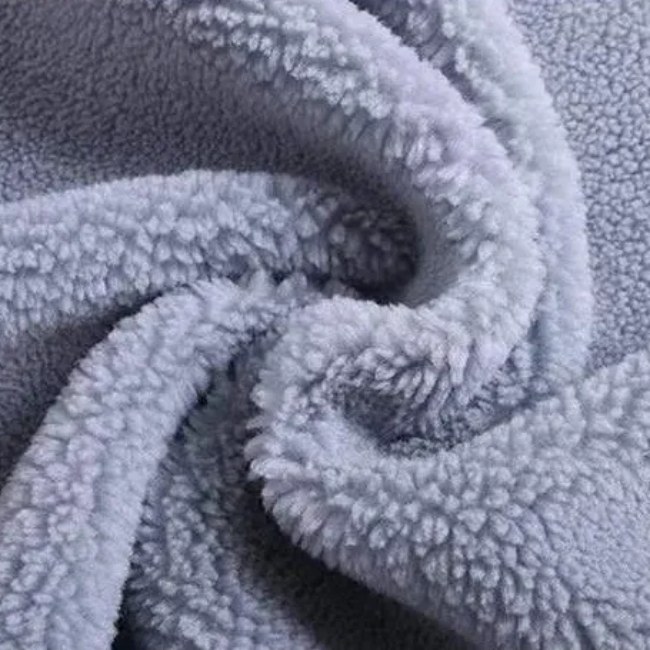
| Sherpa Fleece | A thick, man-made knit fabric that looks like shearling. | Has two sides: one is bumpy and curled, the other is smooth and flat. |
| Sherpa Fabric | A fleece that looks like wool-lined clothes worn by Sherpa people. | One side is soft and fluffy, the other side is smooth and flat. |
| Faux Shearling | Used like Sherpa fabric, it copies the look of shearling. | Looks and feels like real wool, but is made from fake fibers like polyester. |
Sherpa fabric is known for being soft and fluffy. This makes it great for jackets, blankets, and linings. Synthetic sherpa and sherpa fleece both use polyester or acrylic. These give warmth without using animal fur. Faux shearling is another name you might see. It looks like sheepskin but is made from fake fibers.
Starke Textile is a trusted sherpa fabric supplier. You can pick custom colors, weights, and finishes for your project. Starke sells straight from the factory and lets you choose what you want. Many big brands pick Starke for good quality and service.
Alternative Names
People use different names for sherpa fabric in different places. Some call it faux shearling, others say fake sherpa fabric or high-pile fleece. These names usually mean the same thing. They all talk about a soft, fluffy material that keeps you warm.
- Sherpa and shearling both keep you warm and cozy. You see them in winter clothes and home items.
- Shearling comes from sheep skin. Sherpa fabric is fake and copies the look and feel of shearling.
- The feel and use of sherpa fabric can change with the fibers used. This changes how you use it in clothes or home goods.
In fashion magazines, sherpa is often used instead of faux shearling, faux sheepskin, or high-pile fleece. These words can mean the same fabric. When you shop for jackets or blankets, you may see any of these names.
Many companies sell sherpa fabric, but not all have the same quality or choices. Starke Textile lets you pick the features you want. You can ask for things like anti-pilling, moisture-wicking, or waterproof finishes. This helps you make products that fit your needs and your customers’ wants.
If you want to buy fake sherpa fabric in large amounts, find a company that offers custom choices and good service. Starke Textile is known for quality and happy customers. You can trust their sherpa fabric for clothes, accessories, or home goods.
Tip: When you see names like sherpa fleece, faux shearling, or fake sherpa fabric, know they all mean the same soft, animal-friendly material. Always check the product details to get the right sherpa fabric for your needs.
Faux Sherpa vs. Real Sherpa
Material Differences
You might wonder how faux sherpa and real sherpa are different. The biggest difference is the material they use. Faux sherpa is made from man-made fibers like polyester or acrylic. Real sherpa uses natural fibers, such as wool or sheepskin. If you pick faux sherpa, you choose a cruelty-free fabric. This means no animal products are used. You help animals and support a kinder textile industry.
Faux sherpa feels soft and fluffy. The fake fibers keep you warm and cozy. Real sherpa is also soft, but it comes from animals. Faux sherpa is usually heavier and keeps you warmer. Real sherpa is lighter and works well as a lining. Both types keep you warm, but faux sherpa gives you more choices for thickness and texture.
You should think about how to care for each fabric. Faux sherpa needs gentle cleaning. You can use a lint roller, steamer, or spot-cleaning. Real sherpa can get pills, but it keeps its shape better. Some real sherpa items can go in the washing machine. Most faux sherpa items need special care.
Here is a table to compare the two:
| Feature | Faux Sherpa | Real Sherpa |
|---|---|---|
| Warmth | Heavier, offers more insulation, ideal for cold climates | Lighter, used as lining to trap body heat without bulk |
| Durability | Requires gentle care, not usually machine-washable | Easier to wash, many versions are machine-washable |
| Care Requirements | Best cleaned with lint roller, steamer, or spot-cleaning | Can pill over time, retains shape better with use |
Both materials have good points. Faux sherpa is animal-friendly and synthetic. Real sherpa is natural and easy to care for.
Manufacturing Process
Faux sherpa and real sherpa are made in different ways. Faux sherpa starts with man-made fibers. Factories use polyester, acrylic, or recycled materials. They knit or bond these fibers to make the soft, fluffy fabric. This process uses more energy and chemicals than real sherpa. Some factories use recycled polyester to help the planet.
Real sherpa comes from natural fibers. Wool or sheepskin is taken from animals. Making real sherpa uses less energy, but needs more land and water. Farming can change how much it affects the planet. Some real sherpa uses cotton, which is also natural.
Here is a table showing how they are made:
| Aspect | Faux Sherpa (Fleece) | Real Sherpa (Natural) |
|---|---|---|
| Materials Used | Typically made from synthetic polyester, often recycled materials | Made from natural fibers, such as wool or cotton |
| Manufacturing Process | Involves energy-intensive processes and chemicals, contributing to emissions | Generally less energy-intensive, but varies by source |
| Resource Use | Derived from non-renewable resources, but can use recycled materials | Renewable resources, but may require more land and water |
| Emissions | Higher due to synthetic production methods | Lower, but depends on farming practices |
You can pick the material that fits your values. Faux sherpa costs less and is easy to buy in large amounts. Suppliers like Starke Textile offer custom colors, weights, and finishes. Starke Textile uses new technology to make high-quality faux sherpa. They care about the environment.
OEKO-TEX® standards help people make smart choices and protect nature. These rules are based on science and focus on being green and honest.
Starke Textile has certifications like OEKO-TEX Standard 100 and Global Recycled Standard (GRS). These show the fabric is safe and follows strict environmental rules. You can trust Starke Textile’s faux sherpa is tested for safety and uses recycled materials when possible.
New ideas in faux sherpa help the planet. Some companies use bio-based materials like BIOFUR®, which breaks down and does not make microplastics. Others use Tencel fibers from wood pulp, which are biodegradable and gentle on nature. Starke Textile works with dyeing and printing factories that follow global rules. They make more recycled fabrics to help the earth.
When you pick faux sherpa, you get a soft, warm, and useful fabric. You also support a greener and kinder textile industry. Brands and factories can work with suppliers like Starke Textile to make custom, high-quality products that people want.
Faux Sherpa Uses

Clothing and Accessories
Sherpa is very popular in fashion today. Many people wear sherpa jackets in fall and winter. These jackets feel soft, fluffy, and light. Women’s fuzzy sherpa jackets sell a lot when it gets cold. These jackets keep you warm without being heavy. Sherpa lining in hoodies, boots, and gloves adds a soft layer. This layer helps you stay cozy. You can find sherpa in sweatshirts, pullovers, and loungewear. Sherpa fabric made from polyester or acrylic feels light and fluffy. Many brands use sherpa because it is soft and easy to wear.
Starke Textile makes sherpa fleece for clothes. You can pick the GSM, pile height, and how it is made. Starke sells sherpa fabric for jackets, loungewear, and accessories. They sell to big buyers who want lots of fabric.
Home and Outdoor Products
Sherpa is not only for clothes. You can use a sherpa blanket to make your home soft and cozy. Many people like sherpa blankets because they are warm and light. Sherpa lining in outdoor gear, like sleeping bags and camping jackets, keeps you warm and comfy. Sherpa fabric made from fake fibers is soft and fluffy. It is great for blankets, throws, and pet beds. You see sherpa in home décor, kids’ clothes, and outdoor wear because it is soft and easy to clean.
Starke Textile sells sherpa fleece for home and outdoor things. You can ask for special features, like anti-pilling or waterproof finishes. Starke is a factory supplier and helps you get the right sherpa for your products.
You might hear faux sherpa called synthetic sherpa, sherpa fleece, sherpa fabric, or faux shearling. These names help you find the right fabric when you shop or talk about materials. Faux sherpa has many good things about it:
- It is soft and does not use animal fur.
- Some types use plant-based fibers and are better for the earth.
- It is easy to clean and does not cost a lot.
Starke Textile makes custom sherpa fabric for clothes and things for your home.
FAQ
What is the main difference between faux sherpa and real shearling?
You get faux sherpa made from synthetic fibers. Real shearling uses animal skin. Faux sherpa costs less and supports animal-friendly choices.
Can you order custom faux sherpa fabric for your brand?
Yes, you can order custom faux sherpa from suppliers like Starke Textile. You choose color, weight, and finish for your wholesale or manufacturing needs.
Is faux sherpa fabric easy to clean?
You can clean faux sherpa with spot cleaning or a lint roller. Always check the care label from your supplier for best results.

.jpg)