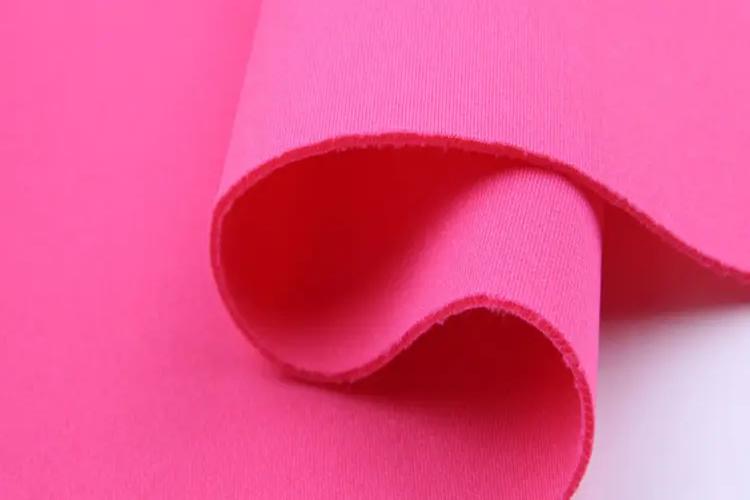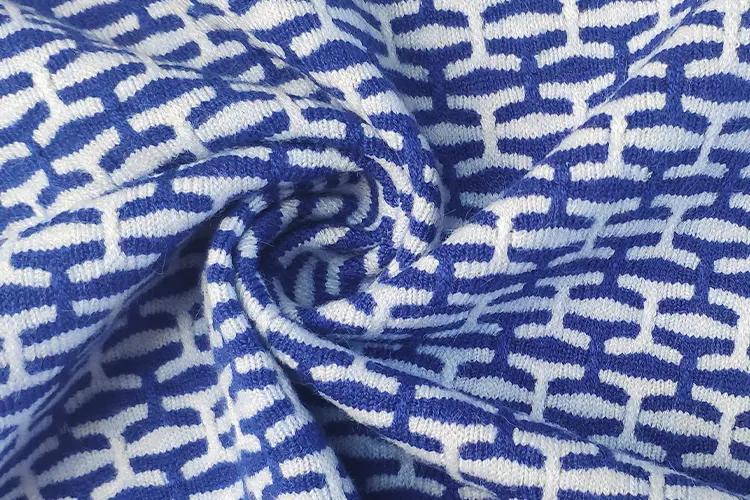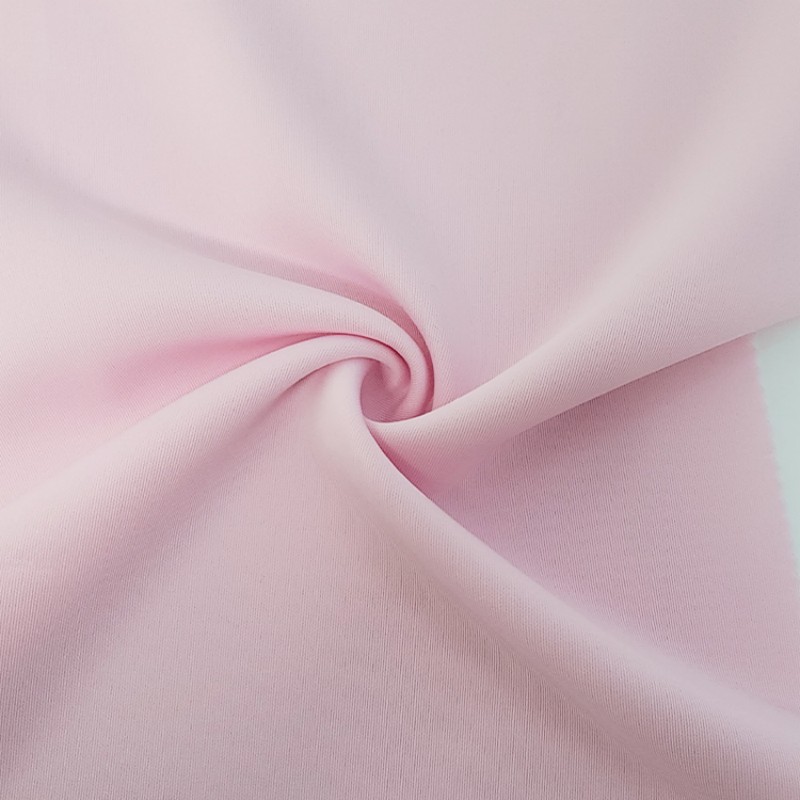

Piqué, said “pee-KAY,” is a strong knitted cotton fabric with a raised pattern that repeats. The surface has a light honeycomb, waffle, or cell-like design. This pique fabric feels firm but lets air through against the skin. Many people know piqué as the fabric used in classic polo shirts and other warm-weather clothes. The raised pattern gives pique its special look and helps air move around. This fabric keeps its shape well even after you wear it many times. A piqué knit looks neat and works for both casual and sporty styles. Manufacturers like this material because it is useful and comfortable. The special surface pattern makes it different from smooth knits like jersey.
Key Takeaways
- Pique fabric has a raised honeycomb texture. This texture allows air to flow. It keeps the body cool. It dries quickly.
- The raised surface lifts fabric off the skin. Sweat moves away quickly. This makes pique great for sports.
- Pique resists twisting. Pique resists pilling. It holds its shape after many washes. It lasts longer than plain knits.
- Turn pique garments inside out. Wash them in cold water. Air dry flat. This care keeps the texture sharp.
- Polo shirts often use pique fabric. The fabric looks sharp. It keeps players cool. It works for casual clothes.
What Is Piqué? Definition and Pronunciation
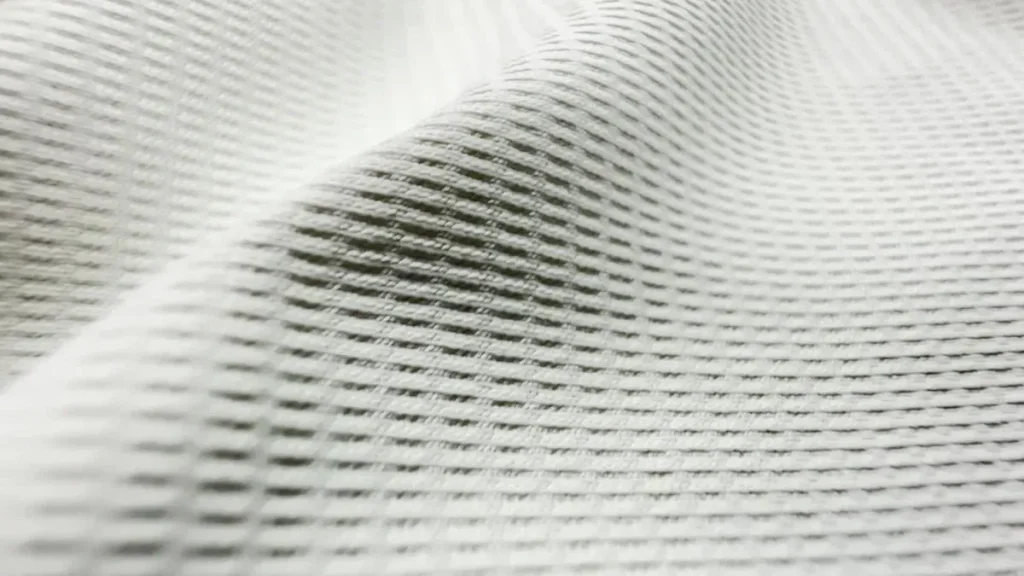
Piqué knit fabric is a strong cotton knit with a raised, textured pattern. The surface has a honeycomb or cell-like look that makes the material stand out. Makers create this special knit pattern using a cross-tuck knit method. In this method, tuck stitches hold loops without knitting them through, which pulls the nearby fabric and makes a three-dimensional surface. The result is a stable knit fabric that resists torque and side-seam twisting better than single jersey.
What Does Piqué Mean?
The word piqué comes from French. It is a noun form of the past participle of piquer, which means “to prick, sting, to decorate with stitches, to quilt, or to stitch fabric together.” Middle French piqué first meant “quilted.” Over time, the word entered English textile vocabulary to describe fabrics with raised, quilted-looking surfaces.
Piqué is a special form of quilting, and the technique has been used since the 14th century. Using piqué to make quilted Indienne printed bedcovers was very successful in the 18th and 19th centuries.
The structural features of piqué fabric include a textured, geometric pattern on the face and a honeycomb or waffle-like structure. A dobby attachment on the knitting machine creates this effect. The fabric usually weighs between 180 and 240 GSM. Common fiber mixes include 100% cotton and polyester-spandex blends. Polyester-spandex versions offer UV protection and moisture-wicking properties. The larger surface area of the raised pattern helps breathability and moisture evaporation.
| Attribute | Details |
|---|---|
| Structural characteristics | Textured, geometric pattern; honeycomb or waffle-like structure |
| Common weight range | 180–240 GSM |
| Common fiber compositions | 100% cotton; polyester-spandex blends |
| Performance properties | UV protection and moisture-wicking in blends |
| Stability | Very stable with low torque |
| Primary use | Polo shirts and athletic uniforms |
How to Pronounce Piqué
When piqué refers to fabric, speakers say it as “pee-KAY.” This is different from the verb pique, as in “to pique someone’s curiosity,” which sounds like “peek.” The same spelling can have different pronunciations depending on meaning. The letter q in pique sounds like “PEEK” in the verb form. For the fabric, the accent on the final é shows the stress on the second syllable.
Understanding what piqué is means knowing both its language roots and its physical structure. The word carries centuries of textile history. Today, makers and wholesale suppliers produce piqué fabric for global markets. Factories use special knitting machines to copy the traditional cross-tuck construction. This makes sure the fabric keeps its signature cell-like effect and strong performance. Buyers who ask what piqué is often find a material that balances comfort, structure, and breathability in one textile.
Key Characteristics of Pique Fabric
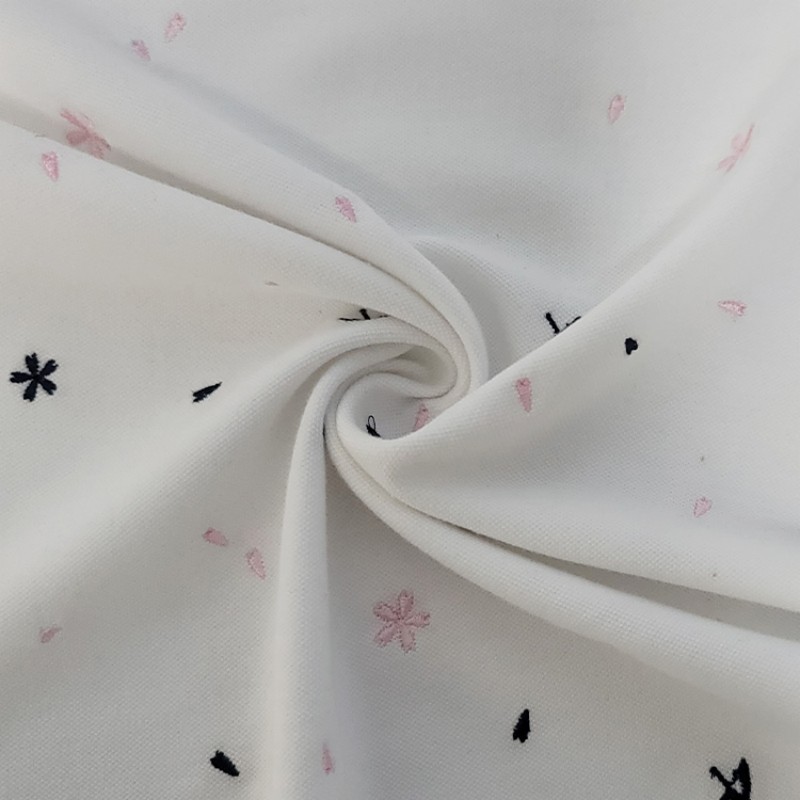
Pique fabric is different from regular knits because of its structure. The raised surface creates tiny air pockets. These pockets allow more air flow, so the fabric breathes better. A textured knit pattern gives the fabric its unique look. This section explains why piqué works so well in everyday wear.
Breathability and Sweat-Wicking
The textured surface of piqué is very important for comfort. Small raised and recessed areas reduce contact between fabric and skin. This design helps the fabric feel dry to the touch. Air moves freely through the fabric, so body heat escapes instead of building up. Athletes and outdoor workers like this quality.
Piqué helps move sweat away during exercise. Its textured surface quickly moves sweat off the skin, so the skin dries faster and stays dry. This fabric also hides sweat stains, making it great for sports or outdoor work. Many athletes and workers choose piqué for this reason.
A waffle-like design traps air between the fibers. This structure helps control body temperature. Moisture moves away from the body and dries quickly. The slight mesh-like structure adds to the fabric’s breathability. A mesh piqué knit allows even better airflow in hot conditions. These features make piqué a top choice for sportswear and activewear.
Texture and Durability
The raised geometric texture is a structural feature, not just decoration. It gives the fabric body and helps it hold a crisp shape. The finishing process uses heat to set the textured patterns. This step helps the fabric keep its shape and last over time. The texture creates a clean finish. The weaving style is durable and looks good.
Pique polos resist pilling and keep their shape at the collar, chest, and hem. They do not stretch out. The fabric keeps a structured look after many washes. This helps the shape last longer. Cotton pique fabric stays the most common choice for these products.
Abrasion resistance differs among knit types. Research on cotton knits shows this ranking:
- Double Lacoste has the highest pilling resistance but the lowest abrasion resistance.
- Polo Piqué ranks second in abrasion resistance, behind Double Lacoste.
- Single Lacoste ranks third in abrasion resistance.
- Plain structure has the least abrasion resistance among the cotton knits tested.
Fabrics made from polyester-cotton yarn show the highest abrasion resistance. Fabrics made from 100% cotton yarn show the lowest abrasion resistance of all. Blended yarns have lower pilling resistance than 100% cotton yarns. But the opposite trend appears for abrasion resistance. Polyester-cotton fabrics show the best resistance to abrasion.
The table below compares piqué with plain cotton knit:
| Property | Piqué Fabric | Plain Cotton Knit Fabric |
|---|---|---|
| Texture / Surface | Raised, textured surface with geometric patterns | Smooth surface with no texture |
| Breathability | More breathable because of textured weave | Less breathable than piqué |
| Durability / Structure | More structured, resists wrinkles and wear | Soft but can lose shape fast |
| Moisture Management | Pulls moisture away quickly | Absorbs moisture; breathable in hot weather |
| Stretchability | Resists stretching and shrinking | Stretches in all four directions |
| Care / Maintenance | Easier to care for; needs less ironing | Resists wrinkles but pills easily |
| Common Uses | Sportswear, polo shirts, corporate apparel | Casual clothing like t-shirts |
| Cost | Higher cost due to complex weaving | Usually lower cost |
A wholesale supplier or manufacturer can explain these differences in detail. Buyers who want custom piqué fabric should ask about fiber blends and finishing methods. These factors affect performance and lifespan.
Common Uses of Piqué Knit Fabric
Pique knit fabric is used in many types of clothing. Manufacturers like how it balances structure, comfort, and airflow.
Polo Shirts and Sportswear
Tennis, golf, and polo players wear pique polos because they breathe well and look sharp. The raised surface helps athletes stay cool while they play. Pique polos work for business-casual and company uniforms. Polo shirts made from pique fabric do well in sports and promotional settings.
A piqué knit fabric manufacturer says piqué is a top choice for apparel because it is soft, stretches, and breathes well.
- Polo shirt manufacturing — brands pick this fabric because it pulls sweat away.
- Sportswear — running tops, hoodies, and golf shirts made of piqué keep wearers cool and dry.
- Fashionable apparel — designers use the fabric for skirts and tops because of its special texture and soft drape.
This fabric works well in tennis and golf sportswear:
| Property | Supporting evidence |
|---|---|
| Breathability | Airflow keeps athletes cool during high-energy play. |
| Moisture-wicking | The textured surface draws sweat away from the skin so it dries faster. |
| Durability | The fabric is more structured and resists wrinkles and wear. |
| Stretch | Spandex or Lycra blends allow flexibility for swings. |
| Quick-drying | Polyester pique resists shrinking and dries quickly. |
The open texture of pique lets heat escape and spreads sweat so it dries faster. A pique polo shirt gives players a crisp, professional look.
Everyday Apparel and Baby Clothing
Beyond polo shirts, pique fabric shows up in T-shirts, dresses, light outerwear, and accessories like caps, bags, and trims. The raised texture gives casual clothes a polished finish.
Baby piqué is a soft, light cotton/polyester material. Its textured surface gives good airflow and soaks up moisture for summer baby dresses. The tight sewing pattern helps the fabric resist tearing. Clothes keep their shape after many washes.
| Benefit | Supporting evidence |
|---|---|
| Softness | The fabric feels soft to the touch. |
| Breathability | The textured surface provides good airflow. |
| Durability | This fabric resists tearing and holds shape. |
For brands looking for pique fabrics, Starke Textile is a manufacturer with a full production chain: knitting, dyeing, finishing, and bonding. The factory holds OEKO-TEX Standard 100 and GRS certifications. Wholesale buyers can ask for custom weights, fibers, and finishes. The classic pique polo remains a wardrobe staple for teams and fashion labels.
History and Types of Piqué
Origins of Piqué
The tale of pique fabric starts in the late 1700s. England’s Lancashire cotton industry built a machine-driven weaving method for double cloth. This double weave copied the corded Provençal quilts made in Marseille, France. People called the fabric marcella. Early kinds had raised parallel cords on a woven base. The base was woven, not knitted. By the middle of the 1900s, the fabric had entered men’s fashion. René Lacoste, a French tennis player, made a short-sleeved polo shirt in the 1920s. His design helped make it a must-have for sportswear. This past gives the fabric a feeling of visual authority. It came from a tradition of crafted surface texture and useful durability. Buyers today still know the classic polo look. The fabric’s name comes from the French word piquer, which means to prick or quilt.
Types and Manufacturing of Piqué Fabric
Factories make several kinds of piqué fabrics. Classic piqué has a fine, even texture. Honeycomb piqué has a clear cell-like pattern. Waffle piqué shows a grid-like surface much like a waffle-knit fabric. Bird’s-eye piqué offers a small, diamond-shaped design. The waffle-like build of pique knit makes tiny air pockets. These pockets boost airflow and moisture control. Manufacturers knit the fabric on circular machines using knit and tuck stitches. Needle bed setup and stitch repeat decide the final texture. Cotton versions usually take reactive dyes. Polyester versions use disperse dyes. Finishing steps include scouring, dyeing, and compacting. These steps build shrinkage resistance and a soft hand. Starke Textile offers pique knit fabric through its own knitting, dyeing, and finishing factories. Wholesale buyers can ask for custom weights, fibers, and finishes. The supplier holds OEKO-TEX Standard 100 and GRS certifications. Pique knits serve polo shirts, sportswear, and baby clothing. A reliable manufacturer can guide fabric selection for each end use. Each type offers a different look and feel for designers. Buyers can choose from many pique fabrics.
How to Care for Piqué (Knit) Fabric
Piqué (knit) fabric holds up well with simple care. The textured surface resists wrinkles better than many other cotton knits. Owners can keep their garments looking sharp with a few basic habits.
Washing and Drying Piqué
Turn the garment inside out before washing. This step protects the raised surface from friction. Machine wash piqué (knit) fabric in cold or warm water on a gentle cycle. Use a mild detergent without bleach, enzymes, or optical brighteners. Hot water can shrink cotton pique, so cooler temperatures are safer.
Piqué, like other 100% cotton fabrics, can shrink in the wash, particularly if not pre-shrunk. Washing and drying at high temperatures may shrink. Pre-shrunk or gently washed pique is ideal.
Avoid tumble drying on high heat. A low tumble dry setting or air drying works best. Gently reshape the garment and lay it flat to dry away from direct sunlight. Do not wring or twist the fabric. This care routine helps pique fabric keep its shape and texture.
Ironing and Storing Piqué
Piqué resists wrinkles because of its knit structure. Prompt removal from the dryer may eliminate the need for ironing. When ironing is necessary, press on the reverse side. Set the iron to low heat and place a thin cotton cloth between the iron and the fabric. This barrier prevents direct heat from flattening the geometric texture.
- Set the iron to a low or medium heat setting.
- Do not press the iron directly onto the piqué fabric.
- Place a thin cotton cloth over the garment before ironing.
- Use steam for stubborn creases by holding the iron slightly above the fabric.
Store pique garments in a cool, dry space. Fold them neatly for shelf storage or use wide, padded hangers. Avoid pressure points that might distort the pattern. A wholesale supplier or manufacturer can provide specific care guidance for custom pique blends.
Piqué is a cotton knit that lets air through and lasts a long time, with a raised pattern that repeats. This pique fabric is comfortable, pulls sweat away, and holds its shape well. It also gives a clean, classic look. Pique polos stay a warm-weather favorite for good reason.
Pique polo shirts have a textured fabric that gives a classic look and lets air through, so they work great in warm weather.
Manufacturers and wholesale suppliers make pique fabrics for sportswear and everyday clothes. Buyers like piqué because it is easy to care for and works well. The fabric is easy to spot, comfortable to wear, and simple to take care of.
FAQ
Is piqué fabric the same as polo shirt fabric?
Yes, in most cases. The classic polo shirt uses piqué cotton because the raised texture breathes well and holds a crisp collar. A manufacturer may also use jersey or interlock for polos, so buyers should check the fabric label before assuming the knit type.
Does piqué fabric shrink?
Cotton piqué can shrink in hot water or high heat drying. Pre-shrunk versions resist this problem. A wholesale supplier can confirm whether the fabric received a compacting finish. Washing in cold water and air drying keeps shrinkage low.
Is piqué fabric good for hot weather?
Yes. The raised cell structure lifts fabric off the skin and lets air pass through. This design helps sweat evaporate faster than a smooth knit. Sportswear brands choose pique for golf, tennis, and summer uniforms for this reason.
Can buyers order custom piqué fabric?
Yes. A factory like Starke Textile offers custom weights, fiber blends, and finishes. The company holds OEKO-TEX Standard 100 and GRS certifications. Sample lead time runs about 7 days, and mass production takes 20–45 days.
How do I know if a fabric is piqué?
Look for a raised honeycomb, waffle, or bird’s-eye pattern on the surface. The fabric feels firmer than jersey and resists twisting. A quick stretch test also helps: piqué snaps back into shape instead of staying stretched