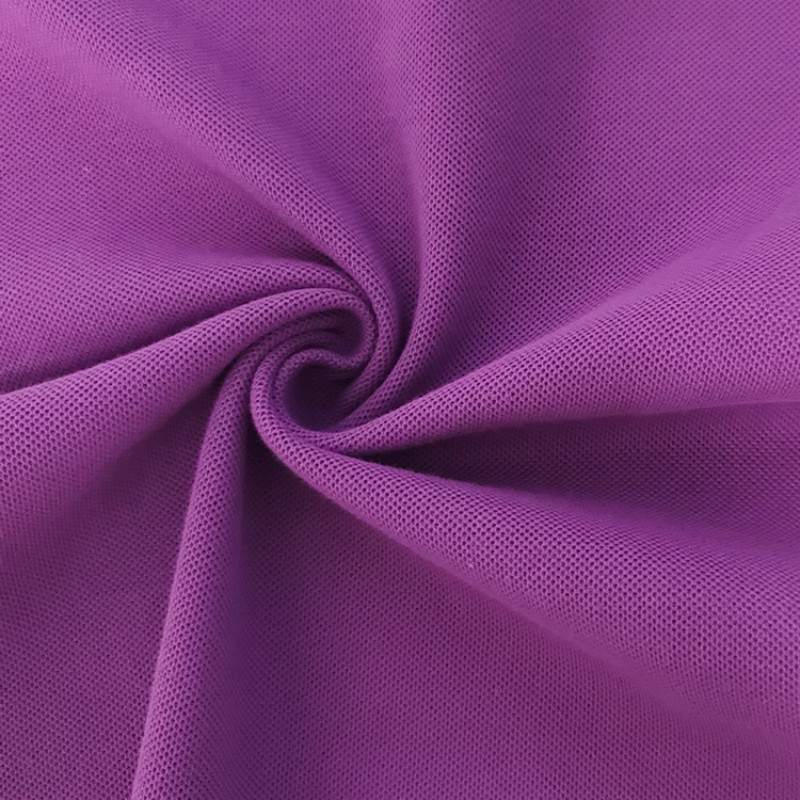
When comparing various fabrics, people often ask about piqué fabric. Industry experts also refer to this practical and durable fabric by several other names, such as Marcella, PK cotton, waffle knit, honeycomb fabric, and Lacoste fabric. Factors ranging from fashion history and unique surface textures to global trade codes have led to the emergence of these various names over the course of the fabric’s long evolution.
Key Takeaways
- Fabric experts also name pique fabric as marcella, PK cotton, waffle knit, honeycomb fabric, or Lacoste fabric.
- Pique fabric has a special raised design that improves ventilation and helps clothes keep their form.
- Sports companies pick airy pique knits to make tough polo shirts and activewear that holds up well.
Alternative Names for Pique Fabric
Marcella and Piqué Cotton
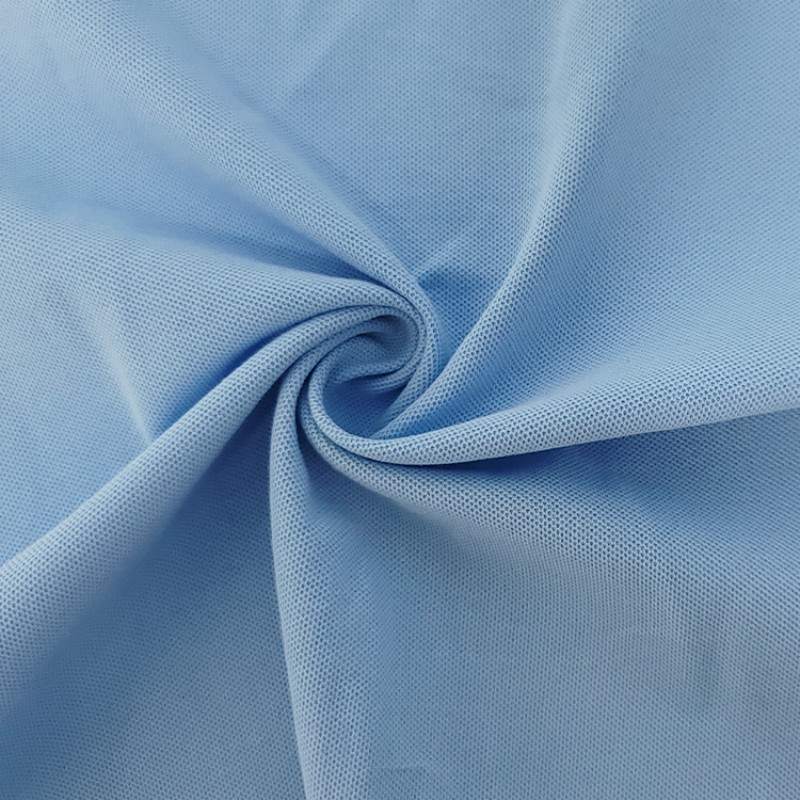
In the realm of formal wear, piqué fabric is often referred to as “Marcella.” This substantial cotton fabric was originally developed by British textile mills in the 18th century to mimic intricate French quilting patterns.
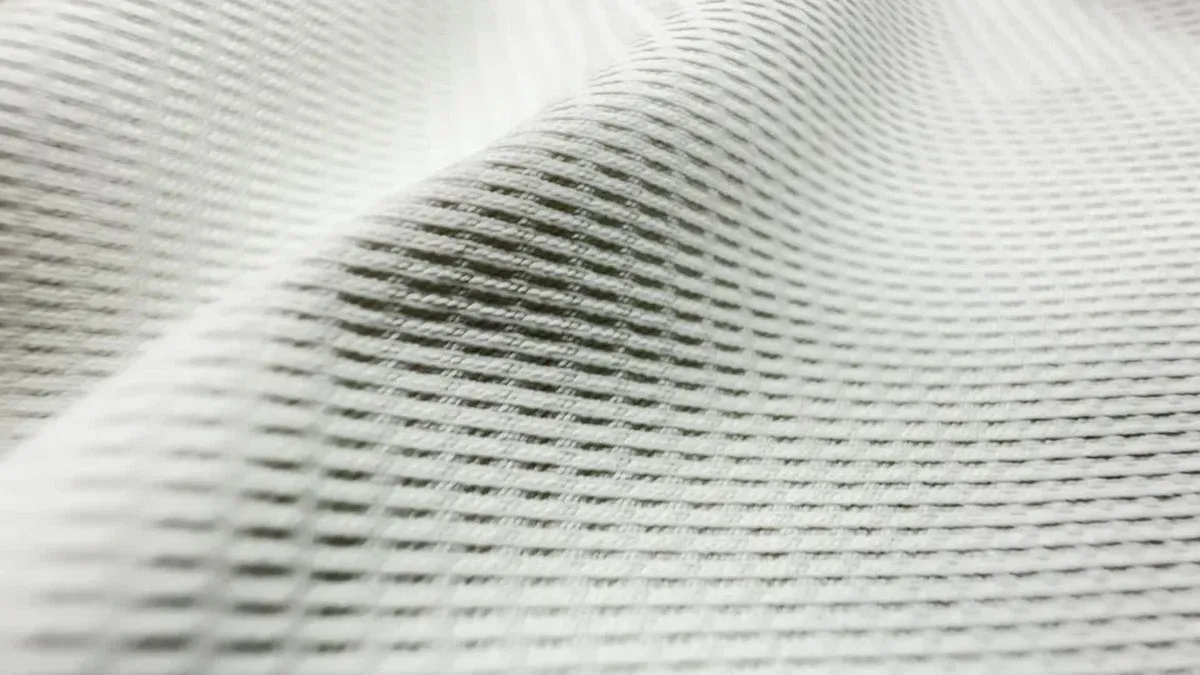
Garment manufacturers worldwide often use the industry shorthand “PK cotton” or “PK fabric” when ordering the material. The distinctive, breathable structure of PK cotton stems from a specialized knitting technique that creates tiny apertures in the fabric, facilitating airflow. Fashion designers favor PK cotton for its ability to hold its shape well while offering exceptional durability.
Lacoste Fabric and Waffle Knit
Buyers often refer to this material as “Lacoste fabric.” The famous tennis player René Lacoste designed the classic piqué polo shirt back in the 1920s. His immensely popular design established breathable, comfortable piqué fabric as a staple choice for modern athleisure brands.
Consumers often confuse piqué fabric with insulating waffle knit, as both feature raised geometric patterns on their surfaces. The table below outlines the key differences between the two fabrics:
| Feature | Pique Fabric | Waffle Knit |
|---|---|---|
| Surface structure | Raised and recessed pattern | Grid-like textured surface |
| Primary function | Breathable and structured | Traps heat; insulating |
| Typical use | Polo shirts, sportswear | Thermal underwear, loungewear |
Common Types of Pique Fabric and Variations
Baby Piqué and Micropique
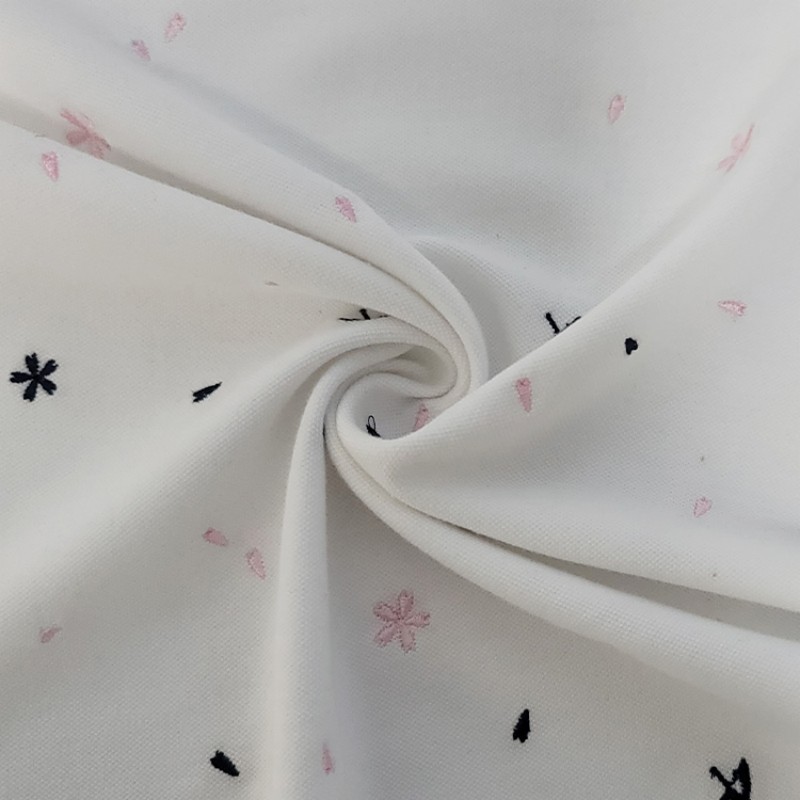
Factories produce a variety of piqué fabrics to suit diverse global apparel styles. Fabrics with fine textures, such as “Baby Piqué,” feature a soft, diamond-shaped pattern with a scale of 2–3 millimeters. Soft and lightweight, this fabric offers exceptional comfort—making it ideal for hot summer wear and garments like baby rompers. In contrast, “Micropique” fabric incorporates 100 to 150 microfibers per square inch. This ingenious structural design makes it 30% to 40% lighter than comparable fabrics of standard weight (140–400 gsm).
Apparel manufacturers frequently select these smooth-textured fabrics for athletic tops and tennis skirts. Their tight knit structure provides a stable foundation for custom embroidery on piqué polo shirts, ensuring neat and attractive stitching. Combining excellent shape retention with breathability, these fabrics are a popular choice in garment production.
Functional and High-Performance Piqué Knit Fabrics
Modern garment manufacturing relies on high-quality custom knit fabrics to meet the demands of durable sportswear. Direct-supply factories, such as Starke Textile, meticulously craft premium cotton piqué fabrics. Manufacturers further enhance the performance of natural yarns by applying moisture-wicking and quick-drying coatings. The fabric’s knit structure creates tiny gaps between yarns that act as channels to wick sweat away from the body, accelerating the drying process during physical activity.
Sustainability-focused factories also adhere to global safety testing standards and are committed to eco-friendly production. These facilities offer recycled polyester blends that meet the Global Recycled Standard (GRS) and OEKO-TEX Standard 100 certification. Designers often choose blends—such as 55% polyester and 45% cotton—to ensure superior durability and abrasion resistance. For durable garments like everyday piqué polo shirts, manufacturers typically select fabrics with a weight ranging from 180 to 240 GSM. In addition, synthetic outdoor knit fabrics used in cold-weather athletic gear offer exceptional thermal insulation and durability.
The labels marcella, PK cotton, Lacoste fabric, and micropique point to specific uses or weight options. Each name shines a light on active weave patterns for items like dress shirts or daily pique polos. Clever buyers check factory test reports to review shrinkage and weight limits. Picking certified custom mills guarantees top quality pique fabric for any clothing job.
FAQ
What is the primary commercial name for piqué fabric?
Global apparel retailers often refer to this fabric as “PK cotton.” Garment factories also frequently use this abbreviation in production orders for knitwear.
Are waffle fabric and piqué fabric the same?
No, they are different. Waffle fabric features a grid-like texture that traps body heat, whereas piqué fabric is created using a knitting technique that results in a lighter, more breathable material—making it ideal for athleisure and casual wear.
Why do tailors refer to piqué fabric as “Marcella”?
Tailors typically use the term “Marcella” to describe a crisp, structured cotton fabric. High-end manufacturers often select this weave for the front panels of formal “white-tie” dress shirts.