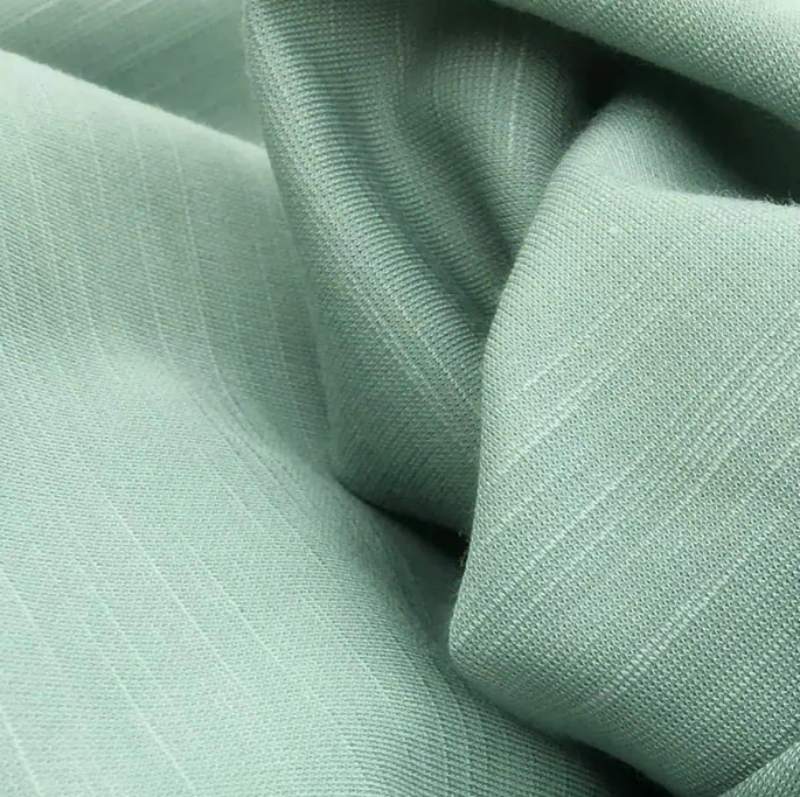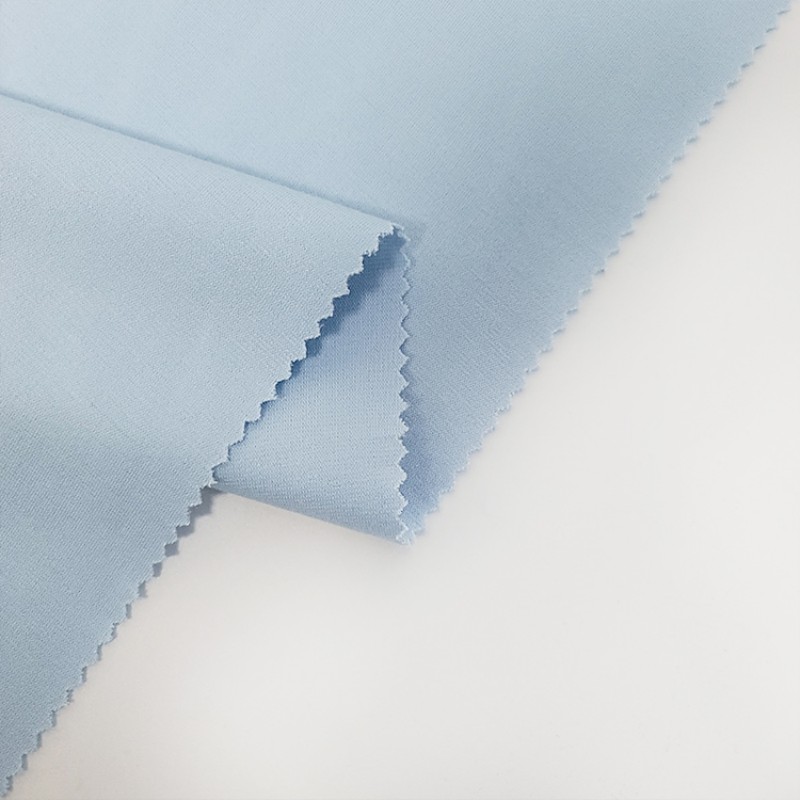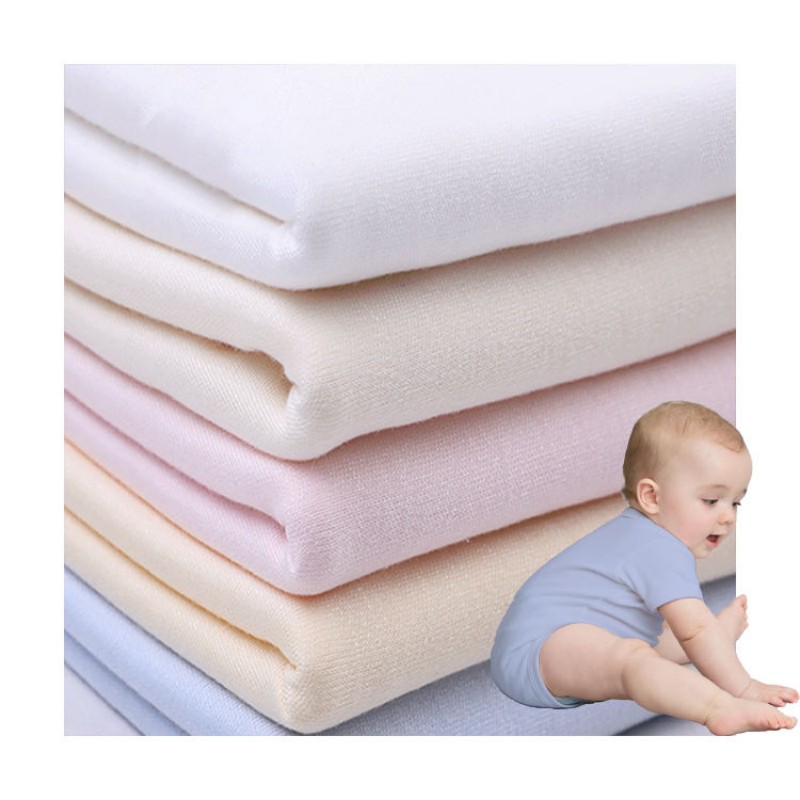
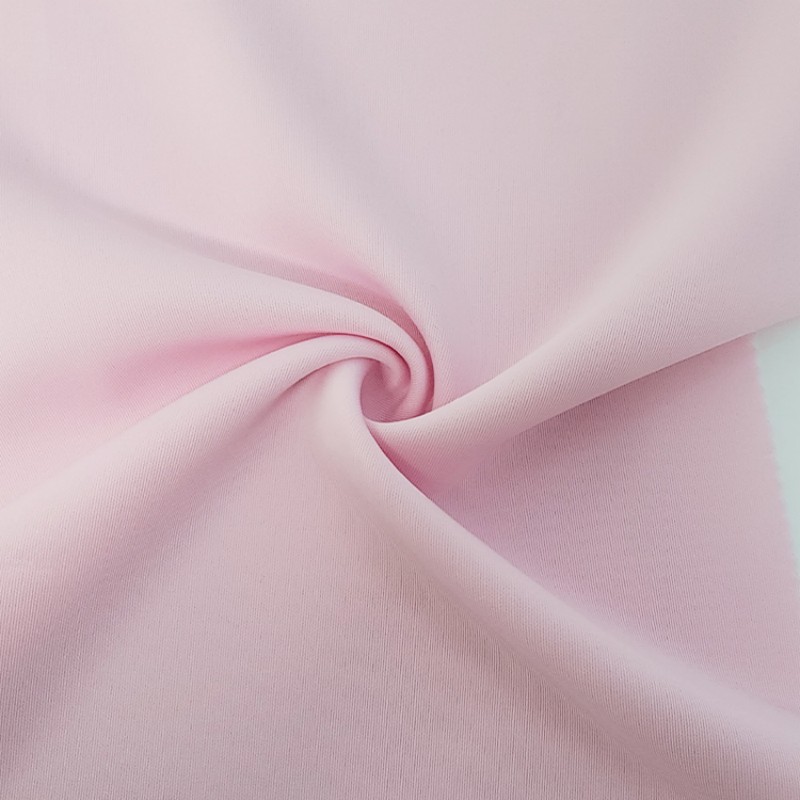
In the fabric industry, diving fabric has several different names. It’s sometimes called neoprene, diving knit, or polychloroprene. These names help people choose the right material for their work needs. There are many types of diving fabric, such as standard diving fabric, crepe diving fabric, diving suede, lightweight diving fabric, and heavyweight diving fabric. Knowing other names for diving fabric makes it easier to find and select the right fabric for various applications.
Key Takeaways
- Scuba fabric is also called neoprene, scuba knit, and polychloroprene. Knowing these names helps you pick the right material for your work.
- Scuba fabric is tough, stretchy, and simple to clean. People like it in fashion because it makes comfy and cool clothes.
- There are different kinds of scuba fabric, like scuba crepe and double knit. Each kind has special features. Each one is used for certain things in fashion and other jobs.
- The uses of diving fabric are not limited to clothing. It is widely used in many industries, including aerospace and healthcare, because it is durable and resistant to stains.
- When choosing diving fabric, consider its feel and weight. This will help you find the fabric best suited to your needs.
What is Scuba Fabric?
Scuba Fabric Definition
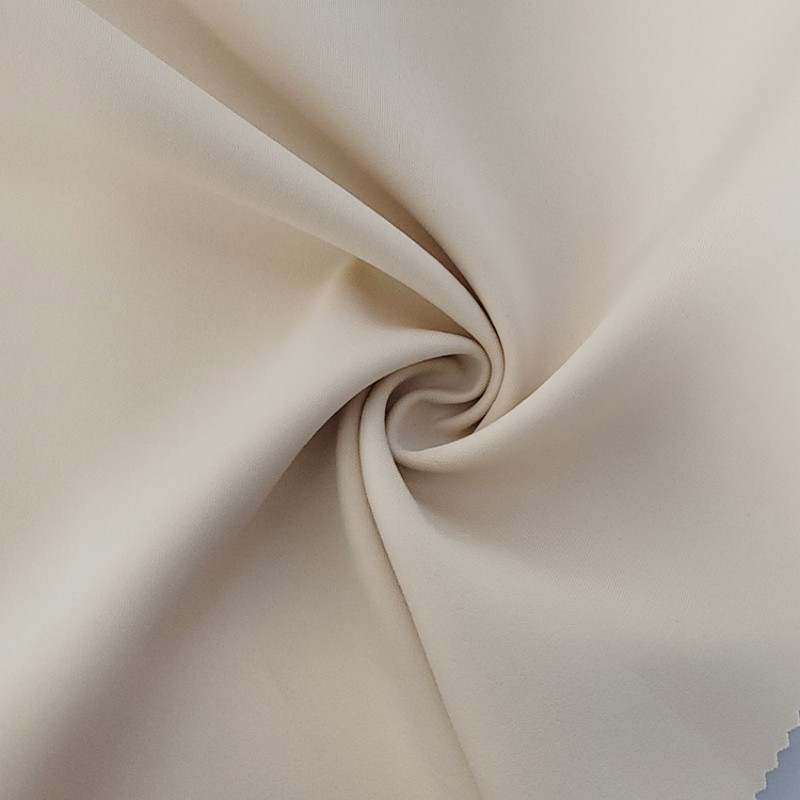
Diving fabric is a new type of textile known for its high strength and wide range of applications. Textile books indicate that diving fabric is a double-knitted fabric. It resembles neoprene but is lighter and more flexible. Factories produce this fabric using a double-knitting method, employing multiple knitting needles to connect the two layers, resulting in a smooth feel on both sides. This unique manufacturing process gives diving fabric its tough yet elastic properties.
Making scuba fabric takes many steps:
- Workers make chloroprene using chemicals from oil or limestone.
- Factories get liquid polychloroprene.
- Technicians add things to help it stretch or resist fire.
- The mix is baked until it gets hard.
- Machines cut the hard material into flat sheets.
- Nylon is put on the sheets to make them stretch more.
- The sheets are sorted by how thick they are.
- Patterns are drawn and cut out.
- Pieces are put together, sewn, washed, and checked for quality.
Key Properties
Diving fabrics possess a variety of unique properties, making them highly sought after in the fashion and sports industries. The table below lists the differences between diving fabrics and other synthetic fabrics:
| Property | Scuba Fabric | Other Synthetic Fabrics |
|---|---|---|
| Fraying | Does not fray | May fray |
| Thickness | Fairly thick, no lining needed | Varies |
| Stretch | High stretch | Varies |
| Heat Retention | Retains heat | Varies |
| Breathability | Not breathable | Often breathable |
| Biodegradability | Not biodegradable | Varies |
| Printing | Patterns disrupt when stretched | Generally better for printing |
| Support | Provides extra support | Varies |
Diving fabric is also very durable and suitable for everyday use. It’s easy to wash and care for, making it a favorite among many designers. The table below shows the durability of diving fabric, neoprene, and knitted fabrics:
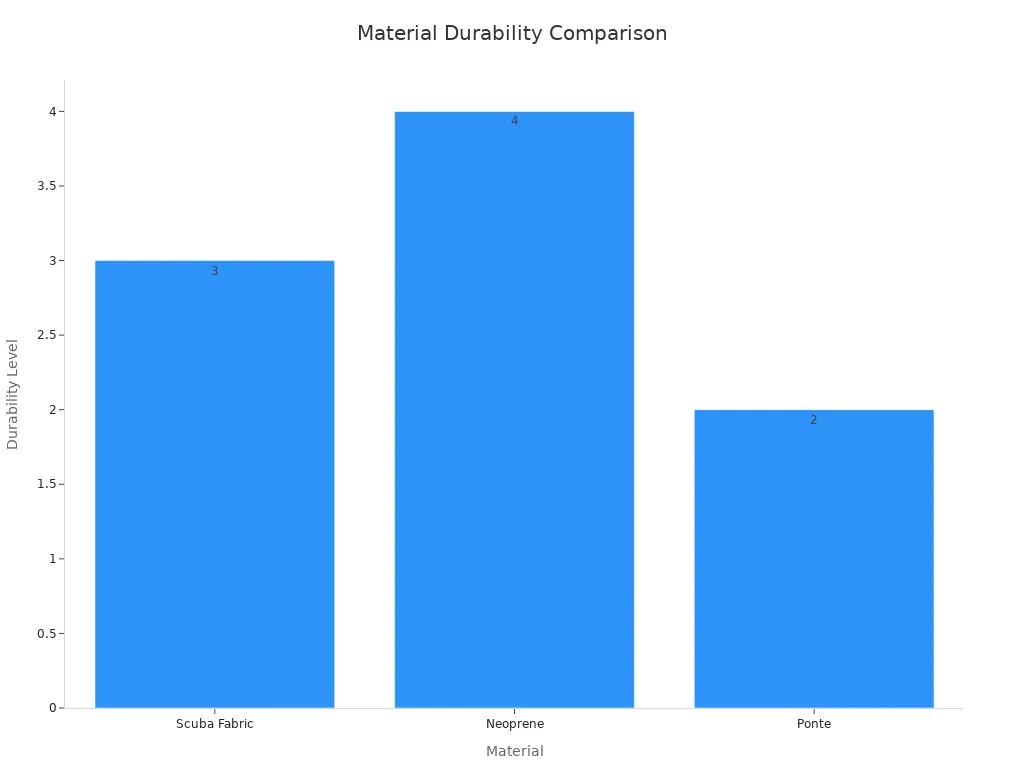
Note: Scuba fabric gives a good mix of stretch, support, and easy care. These things make it special in the textile world.
Another Name for Scuba Fabric
Common Aliases
Many people want to know the other names for diving fabrics. The textile industry uses different terms for similar materials. These names help consumers and designers find the products they need.
- Neoprene: This is a synthetic rubber. It is flexible and waterproof. It is used to make diving suits and sportswear.
- Polychloroprene: This is the main chemical component of neoprene. Factories use chloroprene to produce polychloroprene. It gives neoprene its strength and elasticity.
- Neoprene: Refers to rubber made from chloroprene. It is used in factories and some garment production.
- Diving Knit Fabric: This is a double-knit fabric. It is made of polyester and spandex. It looks like neoprene but is lighter. Designers use diving knit fabric to make clothing and sportswear.
- Diving Crepe: This is a diving fabric. Its surface is uneven. People like to use it to make dresses and skirts.
Scuba Knit vs. Neoprene
Scuba knit and neoprene are often mixed up. Both look smooth and feel soft, but they are not the same. The table below shows how scuba knit and neoprene are different.
| Characteristic | Scuba Knit | Neoprene |
|---|---|---|
| Material Composition | Polyester and spandex | Synthetic rubber (chloroprene) |
| Structure | Double-knit fabric with a smooth surface | Dense foam structure created through foaming |
| Applications | Fashion, activewear, travel-friendly clothing | Wetsuits, medical supports, industrial gear |
| Maintenance | Machine washable, wrinkle-resistant | Requires hand-rinsing, air-drying, careful storage |
Diving knit fabric is a type of diving fabric. It’s soft and easy to sew, and is commonly used to make dresses, skirts, and jackets. Neoprene, on the other hand, is thicker and heavier, suitable for wetsuits and items requiring padding. Unlike neoprene, diving knit fabric doesn’t contain a rubber core, making it lighter and more flexible.
People often use other names for diving fabrics to find suitable materials. Diving knit fabric is favored in the fashion industry for its ease of care. Neoprene, due to its waterproof and cold-weather properties, is commonly used in sports and safety equipment. Polychloroprene and neoprene are used in factories to produce neoprene and other rubber products.
Designers and buyers should be familiar with other names for diving fabrics, as this helps them choose the best fabric for clothing, sports equipment, or industrial applications. There are many types of diving fabrics, and understanding their names makes purchasing easier.
Types of Diving Fabrics
Types of Diving Fabrics
Many people want to know about the types of diving fabrics. These fabrics come in many varieties, each with its unique characteristics. The most common types include:
- Plain scuba fabric
- Scuba crepe fabric
- Double knit scuba fabric
- Printed scuba fabric
- Bonded scuba fabric
Standard diving knit fabrics are favored for their smooth feel and moderate thickness. Technical diving fabrics are another option, offering superior performance and making them ideal for sportswear. Diving knit fabrics are lighter and more elastic, making them suitable for layering. Super Tech Neoprene is a high-tech fabric that is extremely durable and provides extra support.
Starke is a company that sells a wide variety of diving fabrics and offers customization services to meet different needs. Their product range covers classic and new styles. Starke is also very environmentally conscious, offering its customers fabrics certified by OEKO-TEX and GRS.
Scuba Crepe and Other Variations
Diving crepe is easily recognizable among diving fabrics. This thick fabric is spun using a process that results in an uneven surface, similar to crepe. It boasts strong four-way stretch, primarily in the lateral direction, making it ideal for creating form-fitting garments. The smooth back allows bold prints and dark colors to show through slightly.
Other types include printed diving fabrics, which come in various patterns for a more fashionable look. Bonded diving fabrics feature a multi-layered structure for added strength and durability. Each fabric has its unique purpose, allowing designers to choose the most suitable material for their designs.
Today, a wide variety of diving fabrics are available in stores. Understanding the characteristics of each fabric helps designers make informed choices for fashion, sports, or custom projects.
Uses and Applications of
Fashion and Apparel
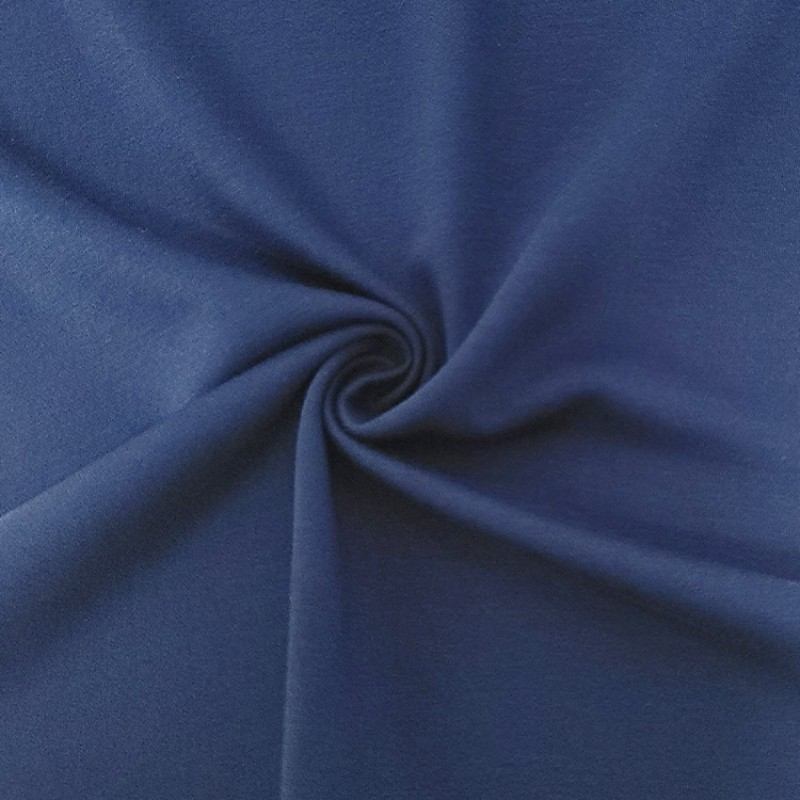
Designers love diving fabric for many reasons. It makes garments look stylish and modern while remaining comfortable. The double-knit construction helps maintain the garment’s shape. Diving fabric has excellent elasticity, allowing it to conform well to the body. And it’s soft and gentle on the skin. Many brands use it in dresses, hoodies, and sportswear. The table below shows how different industries use diving fabric:
| Industry | Characteristics | Applications |
|---|---|---|
| Fashion | Versatile, durable, and looks nice | Dresses, hoodies, activewear |
| Sportswear | Stretches well and keeps sweat away | Athletic clothing, compression wear |
| Accessories | Strong and smooth, keeps shape for a long time | Bags, headbands, laptop sleeves |
Diving fabrics are ideal for printing vibrant colors and eye-catching patterns, making each product unique. Brands such as SeaMorgens, Batoko, Blue Adaptation, and Rewild use diving fabrics in their product lines to create eco-friendly swimwear and stylish designs. Wetsuits made from this fabric effectively protect swimmers and divers. Diving fabrics are also widely used in water sports equipment because they are waterproof and resistant to deformation.
Diving fabrics also offer numerous advantages in terms of fashion, such as versatility, durability, and comfort. The table below details these advantages:
| Advantage | Description |
|---|---|
| Versatility | Works for many things like hoodies and sportswear |
| Durability | Stays strong and keeps its shape after many uses |
| Comfort and Aesthetic | Stretches to fit the body and feels soft |
Other Uses
Diving fabric isn’t just for clothing. Many businesses use it because it’s strong and durable. For example, aircraft companies use it to make seat covers that can withstand multiple flights. Medical personnel wear uniforms made from it because of its stain-resistant and antibacterial properties. Hotels and restaurants also use it to make seating in high-traffic areas. The table below lists more uses for diving fabric:
| Industry | Application Description |
|---|---|
| Aviation | Seat covers that last through lots of passengers |
| Healthcare | Uniforms that fight stains and germs |
| Hospitality | Upholstery that stays nice even with lots of use |
| Upholstery | Keeps its look and feel for years |
| Consumer Goods | Items stay looking new, even with kids and pets |
| Business | Saves money because it does not need replacing often |
Printing on diving fabric allows companies to customize bags, laptop cases, and other items. Diving equipment such as diving gloves, boots, and helmets also use this fabric for enhanced safety. Wetsuits and water sports wear keep people warm and dry. Many people choose diving gear because of its durability and excellent performance in harsh environments.
Diving Fabric Characteristics
Texture and Feel
Diving fabric is easily recognizable due to its unique feel. Experts say it is both soft and stretchy. It feels smooth to the touch. Adding spandex makes it even softer. This fabric has good elasticity and retains its shape. Therefore, it is ideal for making clothing that needs to be worn close to the body.
There are different kinds of scuba material, and each one is special:
- Super Techno Neoprene mixes poly and spandex. It feels spongy and strong.
- Double Knit Scuba has a dull polyester front. It is simple to sew.
- Techno Scuba is extra soft because it has more spandex.
Diving fabric is lighter and thinner than neoprene. Neoprene feels heavy and has a rubbery texture. Knitted fabric is crisper and drapes more smoothly. Diving fabric is elastic and doesn’t easily deform, making it ideal for clothing that needs to maintain its shape.
How to Identify Diving Fabric
There are several ways to determine if a fabric is diving fabric. The simplest method is by touch. Diving fabric feels smooth and slightly elastic. You can also try the water droplet test. Drop water onto the fabric. If the water beads up, it’s likely diving fabric or another synthetic material.
Some people use the burn test. They burn a small piece of fabric and observe if it melts and emits a plastic smell. Observing and touching the fabric is also helpful. Here are some signs to watch out for:
| Cue Type | Description |
|---|---|
| Surface | Smooth with a light texture |
| Thickness | Thick enough to give support but not heavy |
| Opacity | Does not get see-through when stretched |
| Mechanical Stretch | Stretches well, even without spandex |
Diving fabrics are also known as neoprene or diving crepe. These names originated in the 1930s when DuPont produced neoprene as a substitute for rubber. Those who work with fabrics should know that diving fabrics are comfortable, stretchy, and warm. To choose the best fabric, they can check the feel and weight of the fabric and compare it to other similar fabrics. They can also request samples from reputable suppliers. Understanding these names and the characteristics of diving fabrics helps people avoid confusion and helps them choose the right fabric for their projects.
FAQ
What are diving fabrics made of?
Diving fabrics are made of polyester and spandex. Some diving fabrics also contain nylon. Factories weave these fibers together to make the fabric elastic and smooth.
Is diving fabric the same as neoprene?
Diving fabric and neoprene look almost identical. Diving fabric is lighter and more elastic. Neoprene has a rubber core and feels heavier. Neoprene is commonly used to make wetsuits, while diving fabric is used to make clothing.
Can diving fabric be machine washed?
Most diving fabrics can be machine washed. Use cold water and a gentle cycle. Do not use bleach. Let the fabric air dry to maintain its good condition.
Which garments use diving fabric?
| Clothing Type | Common Uses |
|---|---|
| Dresses | Bodycon, fit-and-flare |
| Skirts | Pencil, A-line |
| Jackets | Bomber, blazers |
| Sportswear | Leggings, tops |