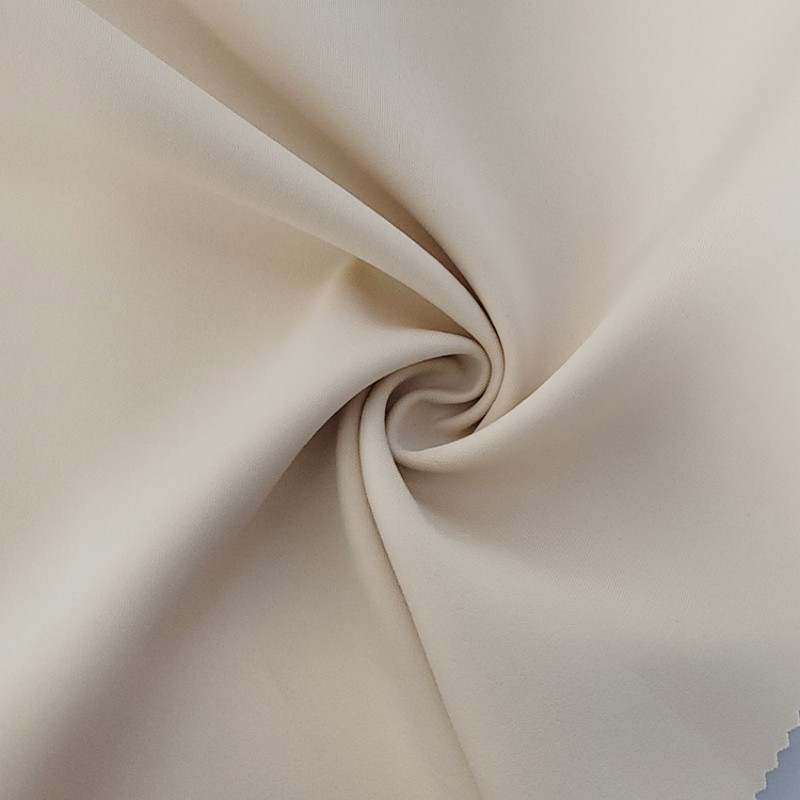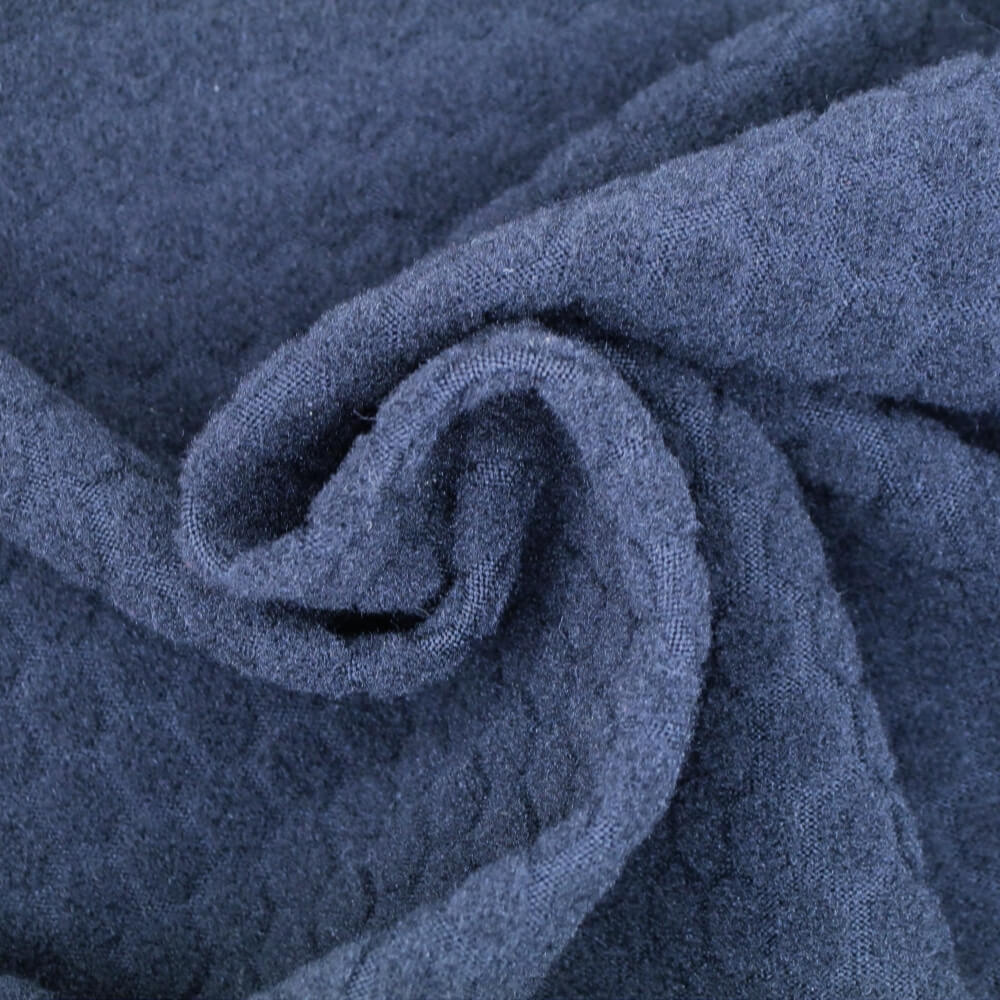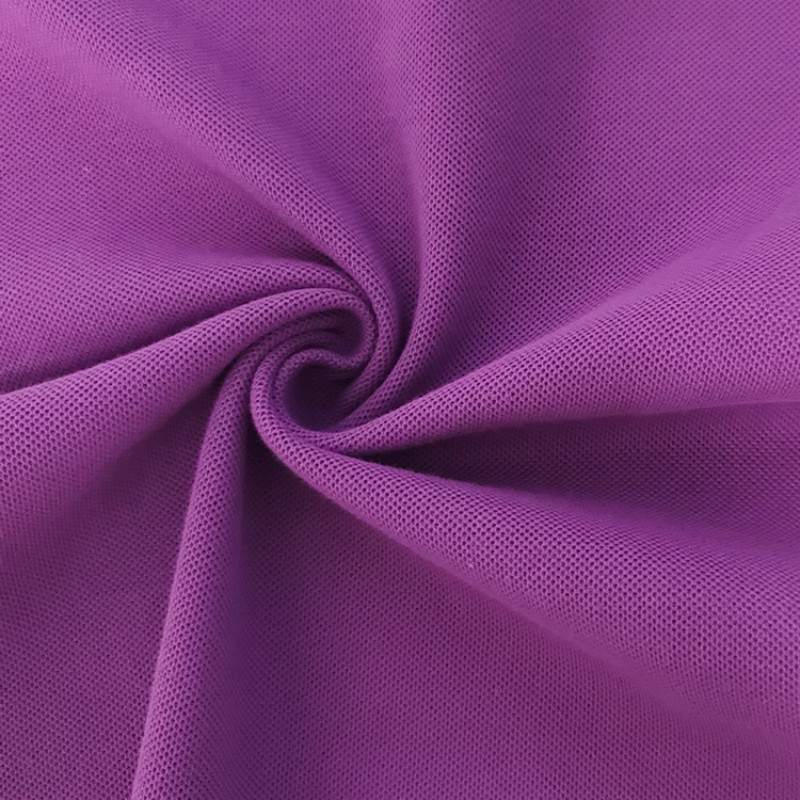
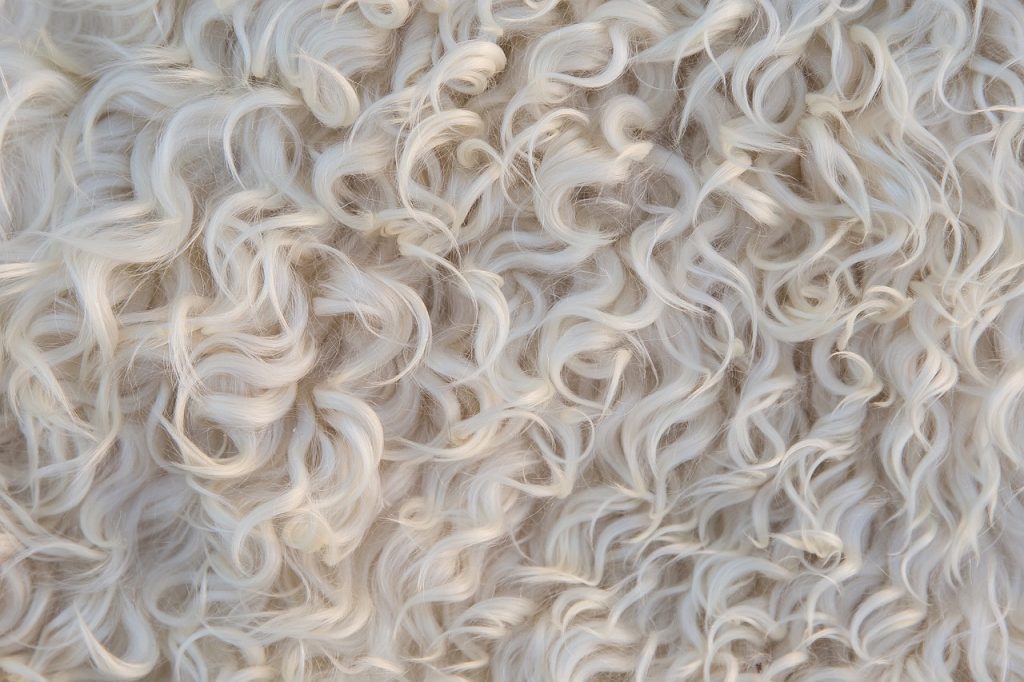
Double-sided fleece is a comfortable, warm fabric with a soft feel, achieved by napping both sides. This process causes the surface fibers to stand upright, creating a fluffy texture that effectively traps heat. This article outlines the types, materials, key characteristics, and care recommendations for double-sided fleece. Proper care helps maintain the fabric’s softness and extends its lifespan, while its versatility makes it ideal for reversible fleece jackets and blankets.
Key Takeaways
- Double-sided fleece traps heat on both sides, giving you extra warmth and softness for winter gear.
- Choose fleece made from recycled polyester or natural fibers to help the environment and last longer.
- Wash fleece in cold water and dry on low heat to keep it fluffy and prevent pilling.
Types and Materials of Double-Sided Fleece
Woven vs. Knitted Double-Sided Fleece
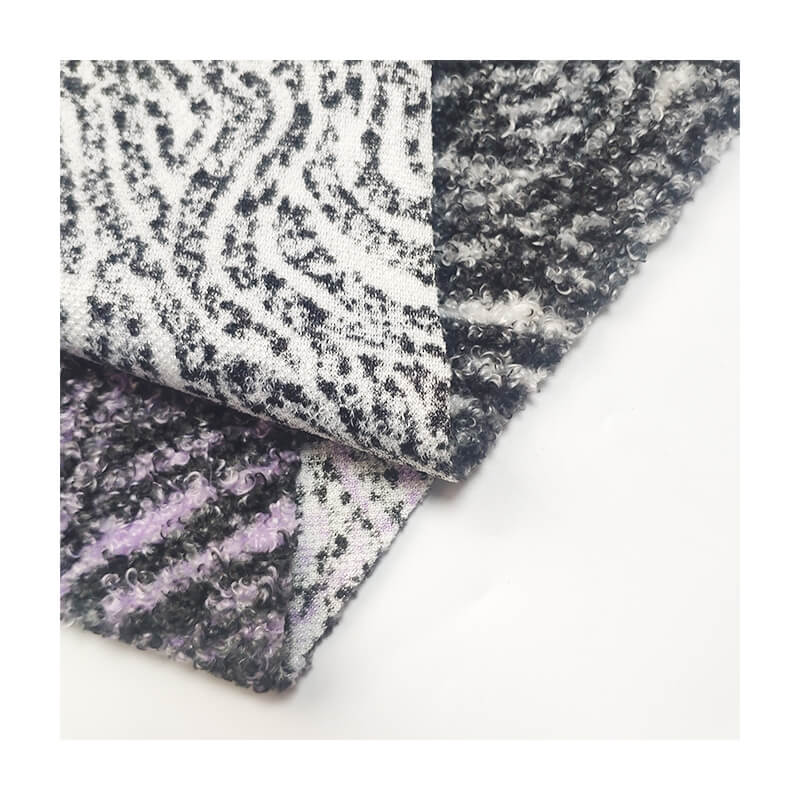
Manufacturers employ different processes to produce double-sided fleece, with each method influencing the fabric’s feel and performance. Knitted double-sided fleece is the preferred choice for stretchy garments. It utilizes an interlocking loop structure that allows the fabric to flex and stretch with body movements. Thanks to this comfortable elasticity, knitted double-sided fleece is commonly used for hoodies, loungewear, and athletic tops; additionally, the knit structure provides a soft drape that contours well to the body.
Woven double-sided fleece offers distinctly different characteristics. This process interlaces yarns at right angles, creating a stronger, more stable fabric. Its tight weave structure resists stretching and retains its shape over time. This durability makes it ideal for outerwear. Skiwear and cold-weather gear often feature woven double-sided fleece because it offers wind resistance and withstands rigorous use. Furthermore, the dense weave provides a smoother, more attractive surface for printing or embroidery.
There is also a third option: non-woven double-sided fleece. Instead of weaving or knitting, this fabric is created by bonding fibers together using heat or chemical adhesives. Non-woven double-sided fleece is commonly found in disposable products, craft projects, and certain industrial applications. While less durable than woven or knitted versions, it serves as a cost-effective choice for short-term use.
The table below outlines the key differences:
| Feature | Knit Fleece | Woven Fleece | Non-Woven Fleece |
|---|---|---|---|
| Stretch | High | Low | Minimal |
| Durability | Moderate | High | Low |
| Common Use | Hoodies, loungewear | Jackets, ski wear | Crafts, disposables |
| Drape | Soft, flexible | Structured, firm | Stiff |
Options: Polyester, Blended Fabrics, and Natural Materials
Polyester is the most common material used for double-sided fleece. This durable synthetic fiber effectively wicks moisture away from the skin. It is quick-drying and resistant to shrinking, making it ideal for sportswear. Most polar fleece and sherpa fleece products are made primarily from polyester. The fiber excels at trapping air, providing excellent warmth without adding bulk.
Manufacturers also blend different materials to optimize fabric properties. Adding spandex provides elasticity, allowing sportswear to fit the body more closely; cotton blends offer breathability and a soft feel, though they may have slightly reduced moisture-wicking capabilities. These blends allow designers to tailor the characteristics of the fleece to specific needs.
For consumers seeking alternatives, natural fiber options are also available. Wool fleece offers superior warmth and natural odor resistance, while hemp and organic cotton fleeces provide breathability without the need for synthetic materials. However, these natural materials are generally more expensive than polyester products and require more delicate care.
Environmental considerations also influence material selection. Producing one kilogram of standard polyester fabric generates over 30 kilograms of CO2 equivalent over its lifecycle. Polyester production relies on fossil fuels, and the dyeing process exacerbates water pollution; furthermore, microfibers released during washing can end up in the ocean, harming marine life. Recycled polyester fleece eliminates the initial production stage, thereby reducing waste. Meanwhile, TENCEL™ fleece—made from natural wood pulp—offers a biodegradable option produced through responsible manufacturing processes.
Fleece fabrics vary in weight depending on the type. The weight (GSM) of polar fleece typically ranges from 150 to 300; ultra-soft fleece falls between 200 and 300; sherpa fleece can reach 200–450 GSM, while faux rabbit fur fabrics range from 300 to 600 GSM. Heavier fabrics offer greater warmth but result in reduced breathability.
Key Features and Care Tips for Double-Sided Fleece
Warmth, Softness, and Durability
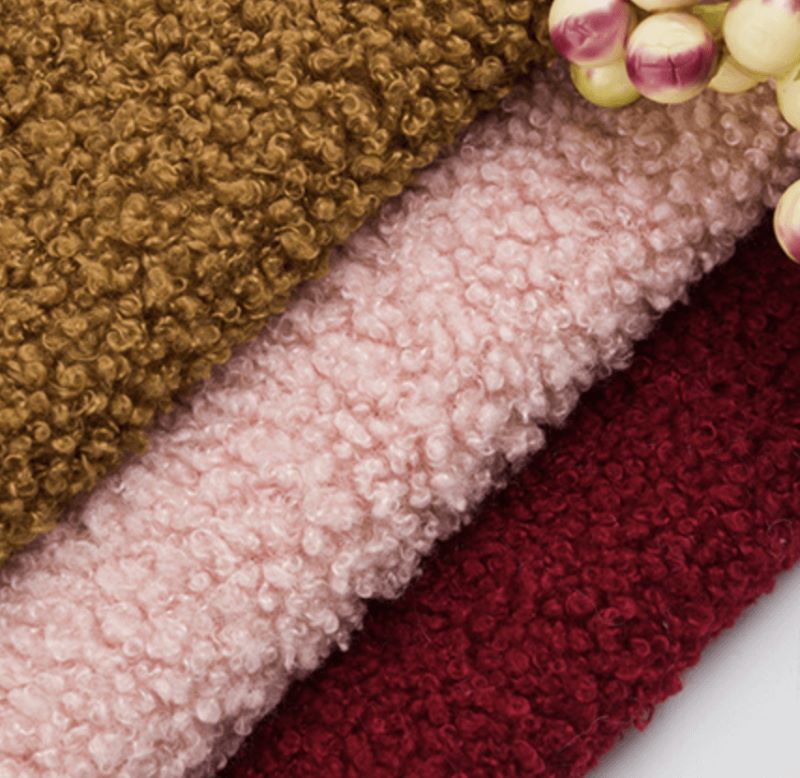
Double-sided fleece delivers exceptional insulation because both faces trap warm air. The dual brushing creates a thick, lofty layer that holds body heat close. Thermal testing shows this fabric’s performance clearly. The table below compares insulation values for different weights of double-sided fleece against batt insulations.
| Insulation Type | Clo Value | Clo per oz/yd² |
|---|---|---|
| Polartec 100 Double Velour | 0.89 | 0.11 |
| Polartec 200 Double Velour | 0.82 | 0.10 |
| Polartec 300 Double Velour | 0.67 | 0.07 |
| Batt insulations (average) | — | 0.42–0.58 |
These data reveal a key trade-off: while double-sided fleece may not match the warmth-to-weight ratio of synthetic insulation fills, it excels in comfort and versatility. The fabric offers a plush feel on both sides, delivering a natural, soft texture that standard fleece cannot match. This dual-sided softness makes it an ideal choice for reversible garments—such as jackets—or blankets where both sides are exposed.
Anti-pilling treatment distinguishes high-quality double-sided fleece from standard varieties. This process secures the fibers on both sides of the fabric, preventing loose fibers from tangling into unsightly pills. While ordinary fleece is prone to pilling as fibers break and knot during washing, anti-pilling fleece retains a smooth, even surface even after repeated laundering. Furthermore, this treatment helps the fabric maintain its soft hand-feel over time. With proper care, garments made from high-quality double-sided fleece can last five to ten years—or even longer—while remaining comfortable to wear throughout their lifespan.
Its durability extends beyond mere appearance. Anti-pilling fleece offers superior abrasion resistance compared to standard synthetic fabrics; it withstands the friction caused by backpacks, seatbelts, and daily wear without matting or thinning. For consumers seeking durable, multi-seasonal clothing, this exceptional longevity justifies the higher initial investment.
Washing, Drying, and Storage
Proper care keeps double-sided fleece performing at its best. The wrong washing method can crush the loft, reduce warmth, and trigger pilling. Follow these simple guidelines to protect the fabric:
- Machine wash in cold water with a gentle detergent.
- Avoid fabric softeners completely; they coat fibers and block moisture-wicking action.
- Tumble dry on low heat or hang dry to preserve the fabric’s loft.
- Store fleece bedding in a cool, dry place to prevent mold and mildew.
- Use breathable containers or fabric bags to maintain freshness and avoid trapped odors.
- Keep items away from direct sunlight to prevent color fading.
- Avoid excessive heat, which can alter fabric texture and cause pilling.
Cold water washing prevents shrinkage and keeps the fibers intact. Gentle detergent cleans without stripping protective finishes. Fabric softeners seem helpful but actually damage performance. They leave a waxy residue that reduces breathability and traps odors. Low-heat drying maintains the fluffy structure that provides insulation. High heat can melt or distort synthetic fibers permanently.
Storage matters for seasonal items. Folding fleece blankets and jackets keeps them neat without crushing the pile. Hanging heavy fleece garments can stretch the shoulders over time. A cool, dark closet offers the best environment. These habits extend the life of every fleece piece, keeping it warm and soft for years.
Double-sided fleece offers unparalleled warmth and a soft touch for cold-weather apparel and home textile products. Popular items include faux rabbit fur blankets and embossed fleece throws, both favored for their plush texture and durability. Premium Sherpa styles deliver a luxurious feel thanks to their uniform pile height. Combining warmth, comfort, and easy care, this fabric is a practical choice; whether used for custom blankets or winter jackets, double-sided fleece perfectly balances functionality with comfort.
FAQ
How does double-sided fleece differ from single-sided fleece?
Double-sided fleece has soft, brushed fibers on both sides, so it keeps you warmer. Single-sided fleece only has brushed fibers on one side.
What makes double-sided fleece suitable for winter gear?
The brushed surface on both sides holds heat well. This fleece often has anti-pill finishes to make it last longer.