French terry fabric is mostly made from cotton. Sometimes, makers mix in polyester, rayon, spandex, or Lycra. This helps the fabric work better. Many people now want organic and eco-friendly choices. More shoppers want sustainable cotton french terry fabric in Europe and other places. Knowing what is in your clothes helps you pick comfy pieces. It also helps you find clothes that are easy to wash. These choices are better for the environment too.
Key Takeaways
- French terry fabric is mostly made from cotton. This makes it soft and lets air pass through. Blended fabrics can have polyester or spandex. These blends make the fabric last longer and stretch more. This is good for clothes you wear to be active. Picking organic and eco-friendly choices helps the planet. It also supports good ways of making fabric. Taking care of the fabric is important. Wash it in cold water to keep it nice for longer. Check for safety labels like OEKO-TEX and GOTS. These labels show your clothes are made the right way.
Materials in French Terry Fabric
Cotton French Terry Fabric
Cotton french terry fabric is the most popular kind. It is made mostly from cotton fibers. Cotton makes the fabric soft and comfy. Many people pick cotton french terry because it feels nice on the skin. The inside loops soak up sweat. This helps keep you dry. Cotton french terry is great for sweatshirts, hoodies, and clothes for relaxing. Most cotton french terry uses only cotton. Sometimes, a little bit of other fibers are added. These extra fibers help the fabric stretch or last longer. Cotton is a natural fiber. It lets air flow and keeps you cool. People who want soft clothes often choose cotton french terry.
Blended French Terry (Polyester, Rayon, Spandex)
Some french terry fabrics mix different fibers together. These blends use polyester, rayon, spandex, or Lycra. Blended french terry is stronger and stretches more than pure cotton. The usual blend is 80% cotton, 15% polyester, and 5% spandex. Polyester makes the fabric tough and helps it dry fast. Spandex or Lycra lets the fabric stretch. This makes it good for sports and moving around. Rayon makes the fabric even softer. Blended french terry is liked for sports clothes and everyday wear. It keeps its shape and feels good when you move. These blends help the fabric last longer and stop wrinkles.
Organic and Eco-Friendly Options
Many brands now make organic and eco-friendly french terry fabric. These use organic cotton or recycled stuff. Organic cotton french terry is grown without bad chemicals. This is better for the earth and for people with sensitive skin. Some eco-friendly french terry uses recycled polyester. This comes from old plastic bottles. Recycled polyester cuts down on plastic trash. It also lowers carbon pollution by up to 45% compared to new polyester. New ways like smart making and 3D knitting help waste less during production.
Tip: When you shop for organic or eco-friendly french terry, look for labels like OEKO-TEX and GOTS. OEKO-TEX checks that the fabric is safe and has no bad chemicals. GOTS shows the cotton is organic and the process is good for the planet.
| Type of project | Recommended label | Why |
|---|---|---|
| Ethical fashion brand | GOTS | Strong ecological consistency and brand image |
| Beginner designer | OEKO-TEX | Simple, reliable and accessible |
It can be hard to find french terry fabric made with recycled materials. Not all suppliers use recycled stuff. Saving water and cutting waste during making is tough too. Brands need to keep the quality and supply of recycled or organic materials steady. Eco-friendly french terry fabric helps the planet stay clean. It also helps people pick comfy and earth-friendly clothes.
Fabric Qualities and Performance
Softness and Comfort
French terry is very soft and feels nice to wear. The inside has loops that feel gentle on your skin. Many people like cotton french terry because it is cozy and smooth. This fabric is good for sweatshirts, clothes for relaxing, and kids’ clothes. How comfy it is depends on a few things:
- Weight: Lighter french terry feels light and is good for layering. Heavier types keep you warmer.
- Stretch: If the fabric has spandex or Lycra, it stretches more. This makes moving around easier.
- Quality: Better french terry lasts longer and feels nicer.
- Purpose: The right weight and blend matter for sports or casual clothes.
Here is a quick look at what people like and do not like about french terry’s softness and feel:
| Advantages | Disadvantages |
|---|---|
| Soft and comfortable against the skin | Lower-quality versions pill easily |
| Versatile for multiple garment types | Cotton-only types may shrink without proper care |
| Good draping qualities for modern silhouettes | Synthetic blends are less breathable |
| Easy to sew and cut | Heavier weights may lack breathability in humidity |
Absorbency and Breathability
French terry soaks up sweat well and keeps you dry. The loops inside help pull sweat away from your skin. This makes it a good pick for sports clothes and everyday wear. French terry lets air move through better than fleece. It also does a better job at keeping you dry.
| Property | French Terry | Fleece |
|---|---|---|
| Moisture-Wicking | Keeps body dry | Less effective |
| Breathability | Highly breathable | Less breathable |
French terry is light and lets air flow through. The way it is made helps stop you from getting too hot. People like to wear it in spring, fall, or cool summer nights.
- French terry is made to be comfy and let air in.
- The loops let air move through the fabric.
- It keeps you dry when you are active.
Durability and Stretch
French terry is strong and can stretch. Cotton french terry is soft and lets air in, but adding spandex or polyester makes it stronger and stretchier. The way it is knit lets it stretch both ways. This is good for sports clothes and clothes that need to move with you.
- Cotton spandex blends are comfy and stretch for tight clothes.
- Polyester blends dry fast and last longer.
- Adding synthetic fibers helps the fabric stretch and bounce back.
French terry keeps its shape and does not wrinkle much. The fabric stays smooth even after many washes. Clothes made from french terry are comfy and easy to wear every day.
French Terry vs. Other Fabrics
French Terry vs. Fleece
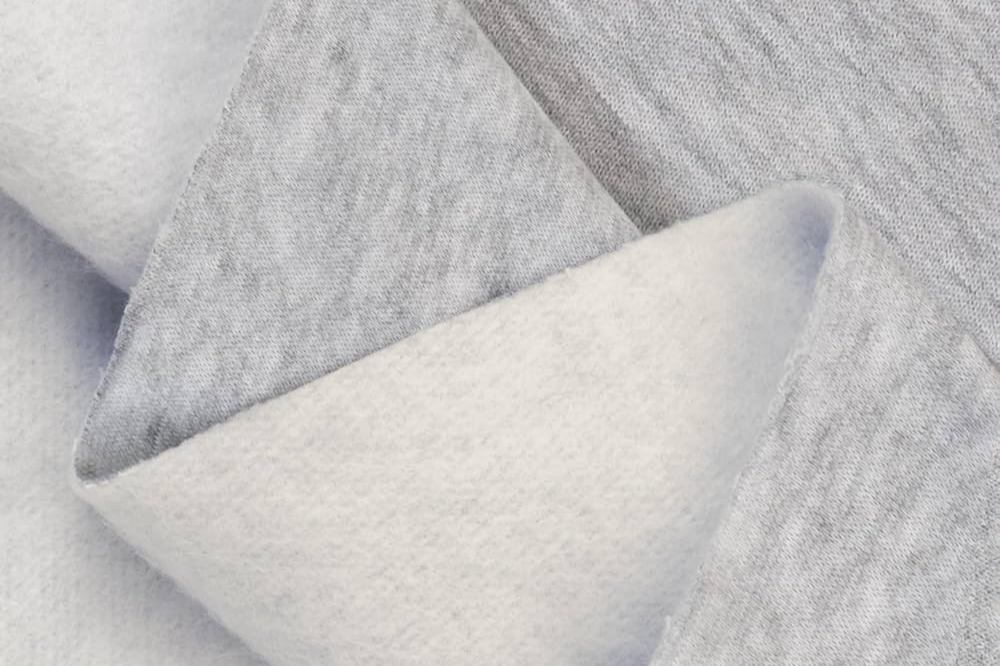
French terry and fleece are both popular for sweatshirts and casual wear. These fabrics feel different and work best in different seasons. French terry has small loops on the inside. Fleece feels soft and plush because its fibers are brushed. French terry is a mid-weight fabric. It is not as warm as fleece, but it is more breathable. Fleece is thicker and keeps you warmer in cold weather. French terry is made mostly from cotton, so it absorbs moisture well. Fleece is usually made from polyester, which resists water.
Here is a table that shows the main differences:
| Feature | French Terry | Fleece |
|---|---|---|
| Texture | Has raised loops on the inside | Soft and plush, fibers are brushed |
| Warmth | Not as warm, mid-weight fabric | Thicker, provides maximum warmth |
| Material | Predominantly cotton, absorbs moisture | Mostly polyester, water resistant |
Caring for these fabrics is important. French terry should be washed in cold water to keep it soft and prevent shrinking. Fleece also needs cold water, but it dries faster. Both can pill after many washes. Washing french terry inside out helps reduce pilling.
French Terry vs. Jersey
French terry and jersey are both used for sweatshirts and t-shirts. Jersey is lighter and has more drape. French terry is heavier and holds its shape better. Jersey feels flexible and soft. French terry feels cozy and sturdy. Many people choose french terry for sweatshirts when they want warmth and comfort. Jersey works well for lighter clothes.
| Attribute | French Terry | Jersey Knit |
|---|---|---|
| Weight (gsm) | 220–400 (can reach 500) | Lighter, varies by blend |
| Drape | Little to no drape | More drape, flexible |
French terry is better for cooler days. Jersey is good for layering or wearing in warm weather.
French Terry vs. Sweatshirt Fabric
French terry and sweatshirt fabric look similar, but they perform differently. French terry is designed to be breathable and moisture-wicking. It absorbs sweat and keeps you dry. Sweatshirt fabric, especially fleece, is less breathable and does not wick moisture as well. French terry keeps yarn loops on one side, which helps with breathability. Sweatshirt fleece has cut loops, making it soft but less able to manage moisture.
- French terry is great for active wear and french terry sweatshirt styles.
- Sweatshirt fabric is best for warmth and cozy sweatshirts.
- French terry is easier to wear in spring and fall.
- Sweatshirt fleece is better for winter and cold climates.
Tip: Choose french terry for sweatshirts if you want comfort and breathability. Pick fleece for maximum warmth.
French Terry Clothing: Care and Uses
Washing and Maintenance
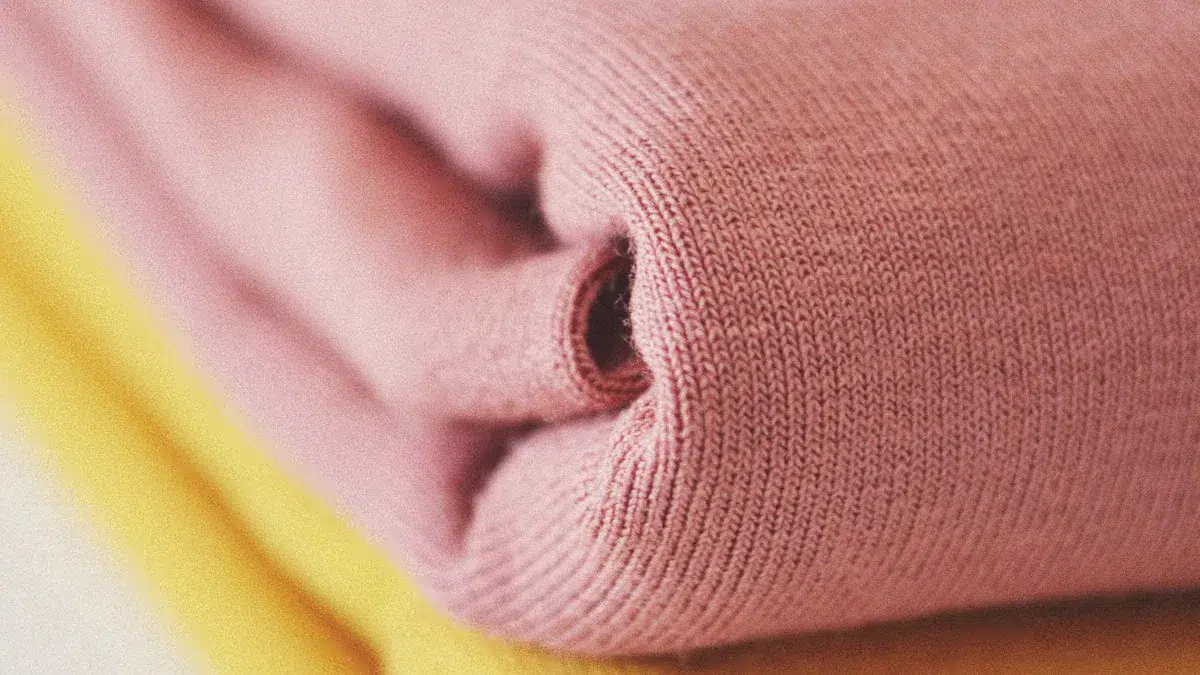
Taking care of french terry clothing helps it last longer and keeps it looking good. This comfortable fabric needs gentle washing to protect its soft and smooth texture. Here are some tips for washing and drying:
- Wash with cold water to stop shrinking and keep colors bright.
- Use a gentle cycle to reduce wear on the fabric.
- Choose a mild detergent to protect the fibers and prevent fading.
- Do not use bleach, even on white sweatpants or hoodies.
- Wash dark and light colors separately to avoid color bleeding.
- Pre-treat stains with a small amount of detergent before washing.
- Tumble dry on low heat to keep the fabric stretchy and soft.
Drying french terry clothing on high heat can flatten the loops and make it less soft. High-speed dryer cycles can also damage the fabric and cause it to tear or fray. Cotton french terry can handle many washes and still keep its shape and feel. Always follow these steps to keep your sweatpants and other items in great condition.
Tip: Turn sweatpants and loungewear inside out before washing. This helps protect the outside from pilling and keeps the fabric looking new.
Best Garments and Climate Suitability
French terry clothing is popular for many types of garments. Sweatpants and joggers are common choices because they are comfortable and easy to wear. Hoodies and sweatshirts made from this fabric are great for layering. Many people also pick french terry for casual wear, athletic clothing, kids’ apparel, and loungewear.
This fabric works best in mild weather. It is breathable, so it feels good during spring and fall. French terry clothing is also a smart pick for jogging or casual outings. The fabric keeps you comfortable without getting too hot or too cold. Sweatpants made from french terry are perfect for relaxing at home or staying active outside.
People like this fabric because it has a soft and smooth texture. It is a comfortable fabric for everyday use. Sweatpants, hoodies, and loungewear made from french terry are easy to care for and feel good to wear.
French terry fabric is made mostly from cotton. Sometimes, it is mixed with polyester, rayon, or spandex. The mix of fibers changes how soft the fabric feels. It also affects how stretchy or eco-friendly it is. Organic cotton uses less water and fewer chemicals. This is better for the earth. Some blends, like cotton and polyester, last longer. But they can shed tiny plastic pieces. Always look for labels like OEKO-TEX®. These labels show your clothes are safe and made the right way.
- Cotton makes the fabric soft and lets air in
- Blends help the fabric stretch or stay strong
- Labels help you pick safer and greener clothes
FAQ
What makes french terry different from regular cotton fabric?
French terry uses a special knit with loops on one side and a smooth surface on the other. This design gives french terry textiles more softness and better moisture control than plain cotton.
Can you wear french terry joggers for sports?
Yes, french terry joggers work well for sportswear and activewear. The fabric stretches and absorbs sweat. Many athletes choose french terry joggers for comfort during warm-ups or light exercise.
Is french terry knit good for warm or cool weather?
French terry knit is best for mild or cool weather. The fabric breathes well and keeps you comfortable. It is not as warm as fleece, but it works for spring, fall, or cool summer nights.
How do you care for french terry apparel?
Wash french terry apparel in cold water on a gentle cycle. Use mild detergent. Tumble dry on low heat or air dry. Turning clothes inside out helps prevent pilling and keeps the fabric looking new.
Does french terry shrink after washing?
French terry can shrink if washed in hot water or dried on high heat. Always follow care instructions to keep the fabric’s shape and size.