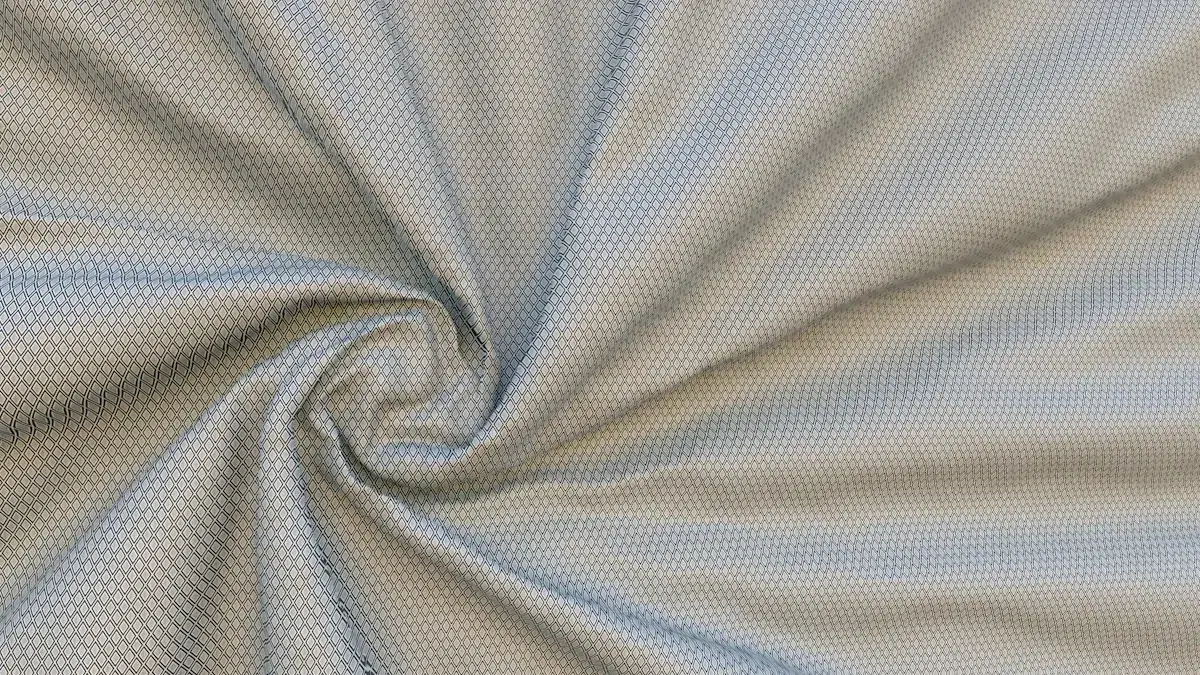
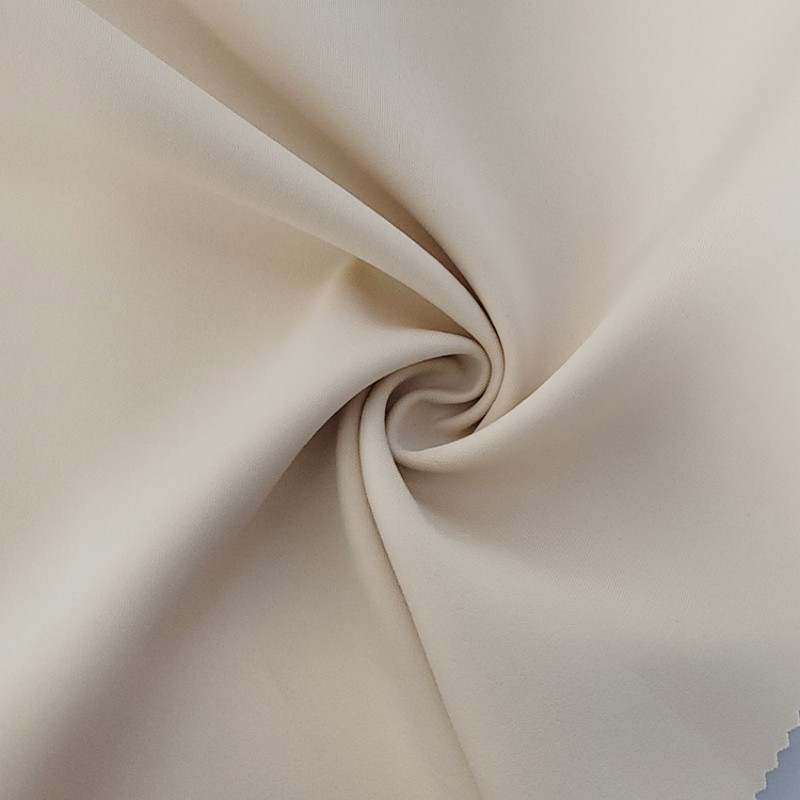
Scuba fabric is a widely produced double-knit textile popular in fashion and activewear sectors. Standard formulations rely on synthetic textile fibers such as polyester, spandex and nylon. The fabric features a sleek uniform surface paired with excellent flexible stretch. Its dense knit construction delivers good tensile strength, supporting broad applications in apparel design and athletic wear production.
Key Takeaways
- Scuba fabric is a dense double-knit textile primarily composed of polyester and spandex fiber blends, featuring high elasticity, smooth surface texture and robust structural stability, making it a staple material for fashion apparel and performance activewear.
- Its compact knit structure delivers moderate thermal retention, suiting outfits designed for mild to cool ambient temperatures. However, its tight weave limits air permeability, which may cause discomfort and overheating during prolonged wear or high-intensity activity.
- When sourcing scuba fabric, buyers should evaluate three core indicators: fabric drape, breathability performance and third-party environmental textile certifications, to match material performance to project requirements while aligning with sustainable production standards.
Scuba fabric material composition
What is scuba fabric made of?
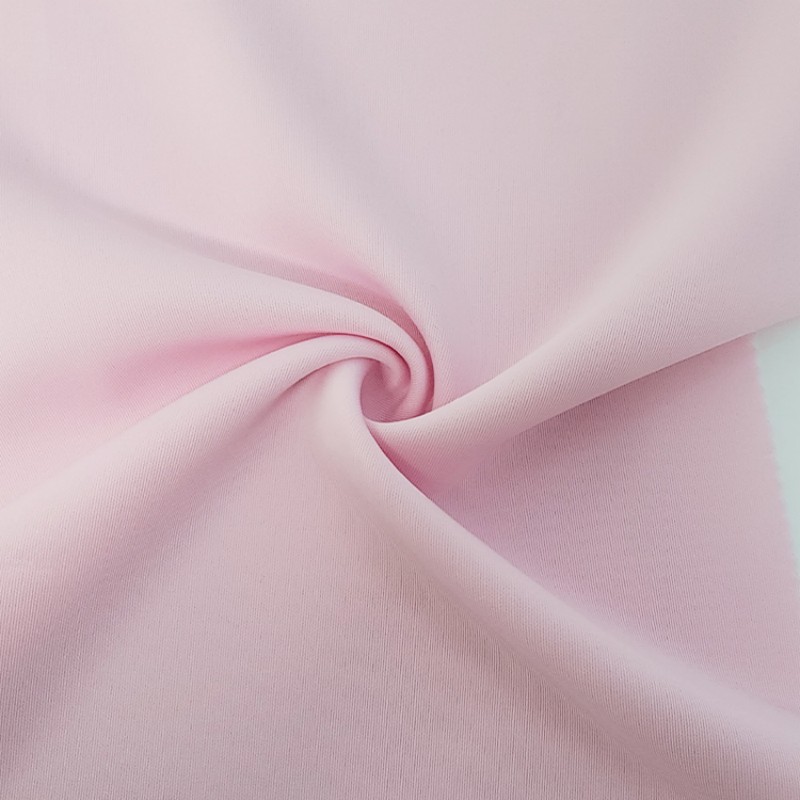
Scuba fabric is constructed from fully synthetic man-made textile fibers. The industry standard base blend consists of 86–92% polyester paired with 8–14% spandex. Modified variants incorporate viscose rayon or nylon filaments to adjust surface softness or boost horizontal stretch. Neoprene (rubber-based chloroprene foam) is a separate diving-suit specific material and is not integrated into standard knit scuba fabric blends. The fiber combinations above create the fabric’s signature smooth, elastic and supple hand feel.
Scuba fabric’s core distinguishing feature is its double-knit construction, manufactured on circular knitting machines equipped with two independent needle beds. This weaving technique produces a denser, dimensionally stable textile with natural wrinkle resistance and consistent shape retention, balancing a soft hand feel with firm structural support. Manufacturers including Starke produce custom scuba fabric under internationally recognized textile safety protocols, with finished goods tested to meet global apparel quality standards for designers and bulk buyers.
How is scuba fabric produced?
Scuba fabric production starts with the blending of staple or filament synthetic fibers, predominantly polyester and spandex. The raw fiber yarns are fed into double-bed circular knitting equipment, the core manufacturing process that differentiates scuba from lightweight single-knit textiles. The double-knit structure improves fabric density, tensile durability and elastic recovery.
Chloroprene and polychloroprene (the raw materials for neoprene diving foam) are not incorporated into standard scuba knit production; these compounds belong exclusively to rubber diving suit manufacturing, a separate industrial workflow. After knitting, the greige fabric undergoes dyeing, finishing and stabilization treatments to deliver anti-shrink, anti-pilling and color fastness properties. Every production batch undergoes standardized physical testing to verify stretch, tensile strength and color stability for fashion and activewear applications.
Note: Third-party certified custom scuba fabric is manufactured following sustainable textile protocols, serving as a reliable material option for brands prioritizing durability and consistent production quality.
Scuba fabric properties and uses
Scuba fabric properties
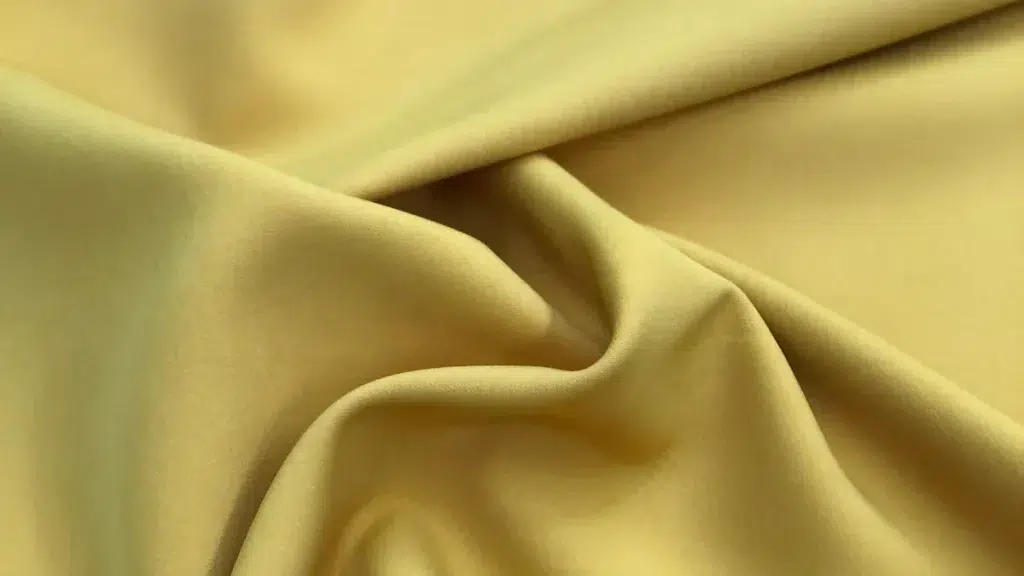
Scuba fabric’s unique performance stems from its double-knit manufacturing process, delivering a uniformly smooth surface paired with a stable, firm hand feel alongside high multidirectional stretch for comfortable garment fitting. Compared to lightweight jersey knits, scuba features higher fabric density, with standard finished weights ranging from 200–300 gsm; fabric thickness is adjusted during knitting to match fashion or activewear design requirements. The 1mm–10mm thickness range applies solely to neoprene foam diving materials, not woven/knitted scuba textile.
Here is a table that shows the main physical properties of scuba fabric:
| Property | Description |
|---|---|
| Stretch Ability | High horizontal and vertical elastic recovery from spandex fiber blend |
| Thickness & Weight | Standard weight 200–300 gsm; thickness customized via knitting density |
| Insulation | Moderate thermal retention from dense double-knit weave structure |
The dense double-knit weave traps a thin layer of air against the skin, creating mild thermal insulation suitable for lightweight outerwear, transitional-season jackets and cool-weather activewear. The textile exhibits natural wrinkle resistance and reliable long-term shape retention, maintaining a crisp garment silhouette with minimal creasing through repeated wear.The tight knit structure restricts air circulation, resulting in limited breathability relative to open-weave single jersey textiles. Extended wear in warm ambient temperatures or during vigorous physical activity may lead to trapped perspiration and stuffiness, a key performance tradeoff for the fabric’s structural rigidity.
Tip: Scuba fabric is best for cool weather or short activities. For hot days, lighter fabrics with more airflow are better.
Scuba material uses
Scuba fabric has widespread applications across women’s fashion, performance activewear and rigid textile accessories, favored by designers for its balanced stretch and permanent shape retention, enabling form-fitting silhouettes with unrestricted movement. Primary mainstream applications include:
- Fashion apparel: Structured midi dresses, tailored skirts and lightweight fashion jackets; the fabric’s dimensional stability preserves crisp garment outlines without internal lining support.
- Performance activewear: Compression leggings, fitted training tops and athletic skorts; its smooth surface eliminates friction irritation during movement and consistent stretch supports full range of motion.
- High-saturation printed apparel: Neon and bold graphic fashion lines, as polyester fiber delivers excellent dye uptake and long-lasting color vibrancy.
- Hard-wearing accessories: Structured tote bags, fashion bucket hats and lightweight textile shoe uppers, leveraging the fabric’s tensile strength for durable daily use.The polyester-spandex blend delivers quick moisture-wicking and rapid air-drying performance, alongside inherent anti-pilling properties, making the textile a long-lasting choice for yoga wear, compression training apparel and casual athletic outfits after repeated laundering cycles.
Scuba gear is popular for activewear because it is comfy, stretches, and dries fast. The fabric pulls sweat away from your skin, so you stay dry during exercise. It also does not pill, so your gear looks good after many washes. People like scuba gear for yoga pants, tight tops, and sporty skirts.
Note: Beyond apparel production, scuba fabric serves functional accessory manufacturing requiring flexible, tear-resistant textile materials, cementing its popularity across both high-fashion design and mass athletic wear markets.
Scuba fabric Advantages and impact
Benefits of scuba fabric
Scuba fabric delivers multiple production and performance benefits for apparel manufacturers. Its double-knit construction delivers outstanding dimensional stability and extended service life, with a standard fabric weight of 200–300 gsm that creates natural garment drape without sagging or deformation. The material features low wrinkle tendency and robust elastic recovery, meaning garments retain their original fit without loosening after repeated stretching.
| Benefit | Description |
|---|---|
| Durability | Scuba fabric does not pill, tear, or wear out fast. |
| Design Versatility | You can use the fabric for many styles, like suits and jackets. |
| Vibrant Colors | The colors stay bright even after many washes. |
| Structural Integrity | Suits keep their shape without needing extra layers. |
| Ease of Maintenance | The fabric is easy to wash and dries fast. |
Drawbacks of scuba fabric
Scuba fabric carries inherent performance limitations tied to its dense knit construction. The tight weave creates low air permeability, which causes heat buildup and perspiration retention in high-temperature environments or during intense physical activity. Its 200–300 gsm base weight also results in a heavier hand feel compared to lightweight summer jersey textiles.
| Limitation/Drawback | Description |
|---|---|
| Low Breathability | Scuba fabric does not let air through, so it can feel stuffy. |
| Heat Retention | Suits hold in body heat, which can be too warm in hot weather. |
| Weight | The fabric is heavy, so it is not great for summer suits. |
Scuba fabric care instructions
Scuba fabric garments require standardized gentle care to preserve stretch, shape and color fastness long-term. Launder items in cold or lukewarm water with neutral mild detergent; chlorine bleach and fabric softeners must be avoided, as these additives degrade spandex elasticity and dull fabric color. Air-dry garments in shaded, well-ventilated spaces to prevent UV-induced fading.Steaming is recommended to remove minor creases instead of direct high-temperature ironing. For long-term storage, lay items flat or suspend on padded soft hangers to avoid stretching shoulder seams. Improper laundering or storage may cause permanent shape distortion, rough surface texture and irreversible color fading.
Tip: To reduce friction damage during machine washing, use a delicate cycle and enclose garments within a protective mesh laundry bag; hand washing is the gentlest alternative.
Environmental impact and certifications
Global textile manufacturers implement sustainable production workflows for scuba fabric by adopting recycled synthetic feedstocks and closed-loop water treatment systems. Third-party textile credentials including OEKO-TEX Standard 100, ISO 14001 environmental management certification and GRS Global Recycled Standard independently verify consumer safety and low-waste manufacturing practices.
Textile producers Carvico, Jersey Lomellina and Econyl develop recycled polyester-spandex scuba blends with circular production systems that cut synthetic fiber waste and eliminate unnecessary chemical processing. Certified scuba knit textiles reduce overall textile industry environmental footprint and meet international human and ecological safety standards.
| Evidence Type | Description |
|---|---|
| Eco-Friendly Materials | Brands use recycled and organic fibers. |
| Reduced Waste and Energy | Factories use less water and power when making the fabric. |
| Lifecycle Consideration | Strong and recyclable suits help cut down on waste. |
Scuba fabric stands out among synthetic knits due to its dense double-knit construction, high elastic recovery and consistent structural durability, making it a preferred material for fashion designers and activewear brands prioritizing long-lasting garment silhouette comfort. Three core evaluation metrics should guide scuba fabric sourcing: textile drape and structural rigidity, air permeability performance, and compliance with sustainable textile manufacturing standards. Independent certifications including OEKO-TEX Standard 100 and GRS validate non-toxic raw materials and low-impact production methods.
Key evaluation criteria for scuba fabric sourcing:
- Confirm fabric drape, weight and structural rigidity match garment design requirements;
- Assess breathability and mild water-repellent surface performance based on intended wear environment;
- Prioritize textiles backed by recognized third-party environmental and safety certifications where sustainability is a brand priority.
FAQ
What makes scuba fabric different from other materials?
Scuba fabric’s defining characteristic is industrial double-bed circular knitting, which creates higher density, superior shape retention and balanced multidirectional stretch compared to lightweight single jersey knits. It is engineered exclusively for apparel and textile accessory production, distinct from rubber-based diving materials.
Can scuba fabric be used for wetsuits?
No. Standard knit scuba fabric cannot substitute neoprene foam for diving wetsuit construction. Wetsuits rely on closed-cell chloroprene rubber foam for underwater thermal insulation and water resistance, while scuba knit is a breathable textile designed for land-based fashion and activewear only. Lightweight scuba fabric may be used as outer decorative lining for surface swim cover-ups but not functional diving gear.
Is scuba fabric the same as scuba diving material?
These are two entirely separate textile/rubber products with zero overlap in core raw materials and manufacturing processes. Fashion scuba fabric is a polyester-spandex double-knit textile for land apparel; professional diving materials are thick closed-cell neoprene chloroprene foam engineered for cold underwater thermal protection and water barrier functionality.