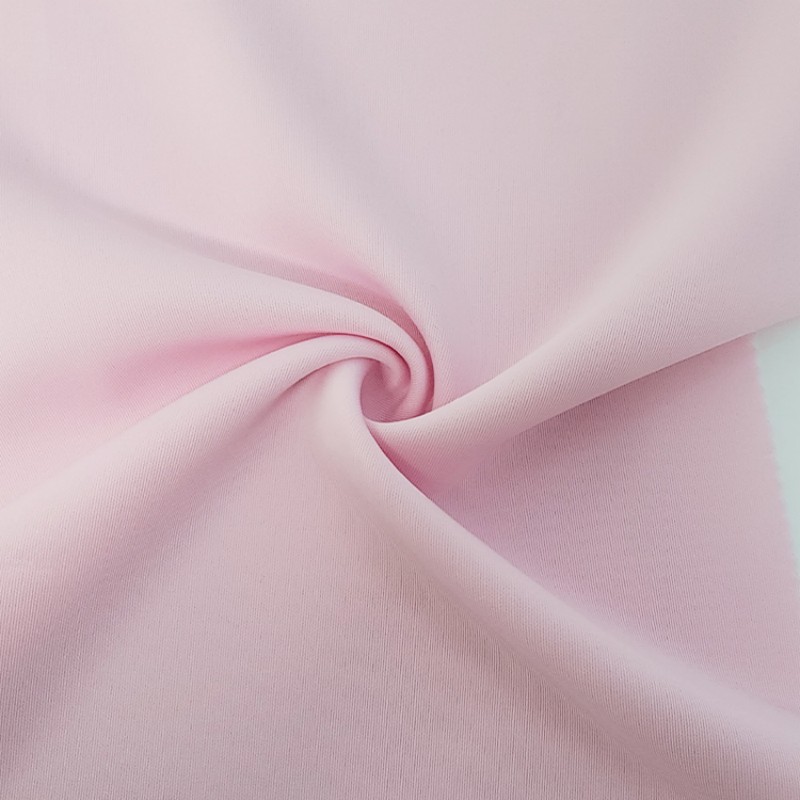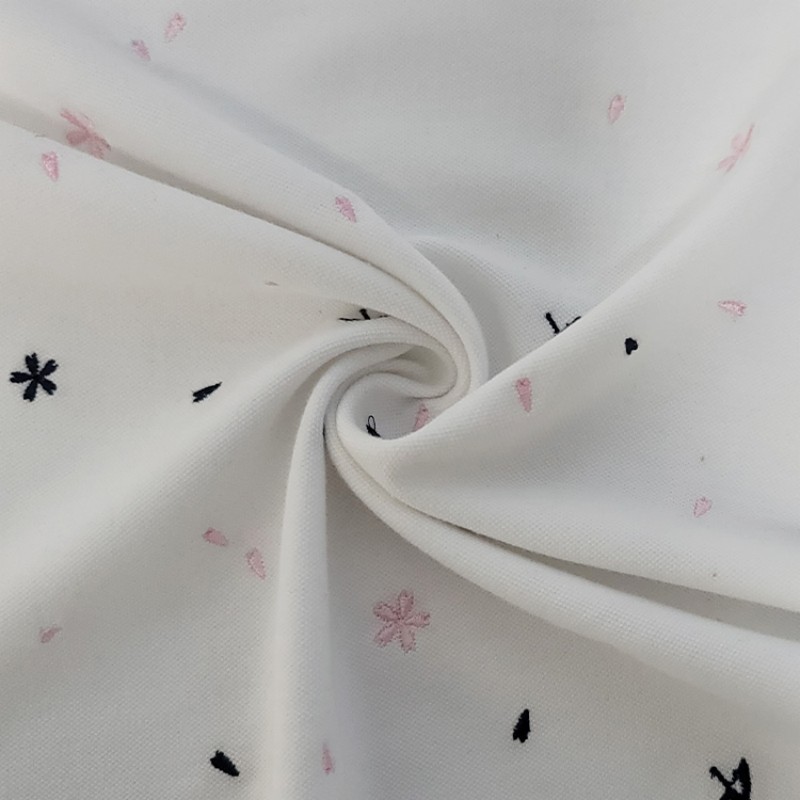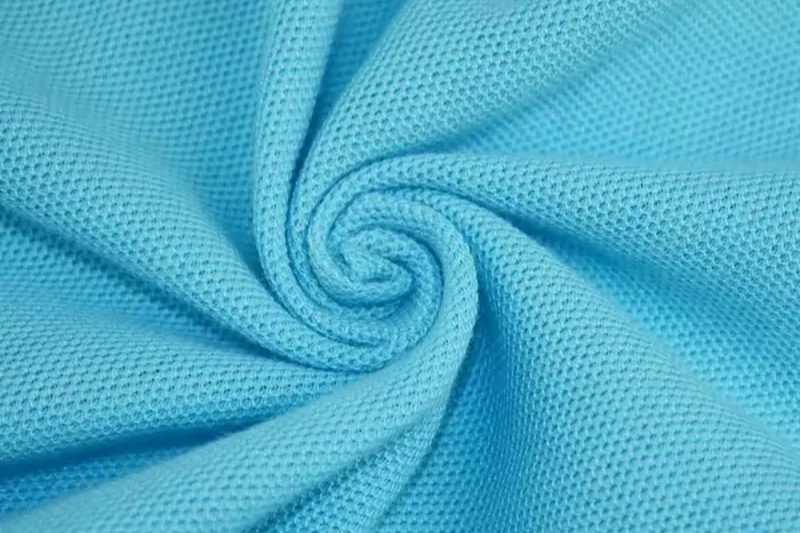
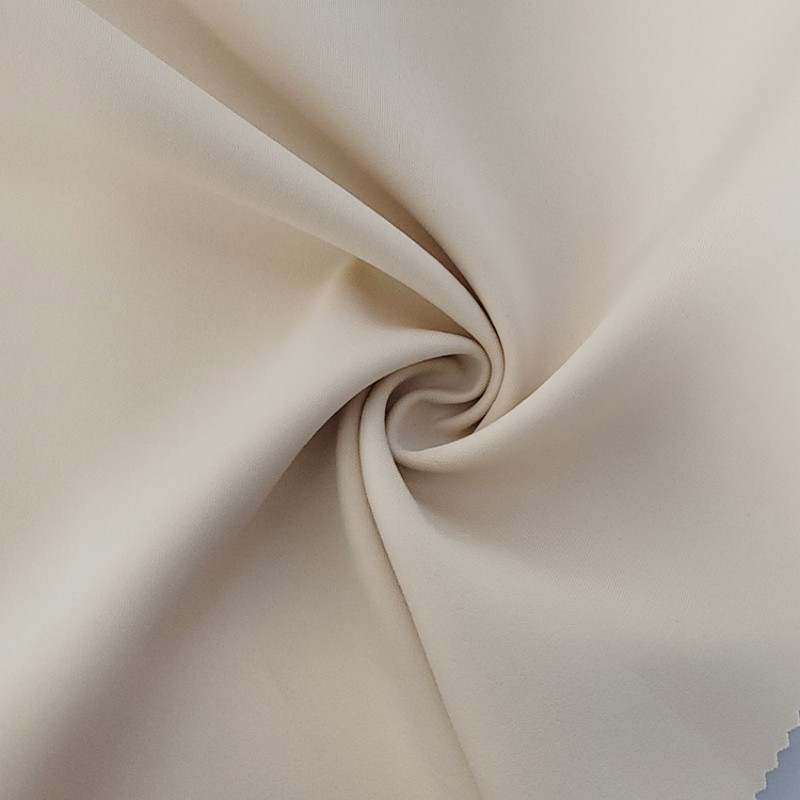
Scuba fabric is a two-layer material with a smooth surface and excellent elasticity. Manufacturers blend polyester and spandex to create this fabric, combining strength and comfort. Designers frequently use diving fabric in dresses, sportswear, and fashion accessories. It is resistant to deformation and comes in vibrant colors. The popularity of athleisure and streetwear has further increased the recognition of diving fabric. People love it because it is both practical and stylish.
Key Takeaways
- Diving fabric is durable, stretchy, and made from a blend of polyester and spandex, making it ideal for clothing and sportswear.
- Its double-knit construction ensures durability, resistance to deformation, and comfortable wear, making it a favorite among designers and athletes.
- Diving fabric is easy to care for; simply wash in cold water and air dry to keep it looking new.
- Diving fabric comes in a variety of types: lightweight and breathable, perfect for summer wear; and thicker and warmer, ideal for jackets and outerwear.
- Purchasing certified diving fabrics from suppliers like Starke helps protect the environment and makes life safer for both people and the planet.
Scuba Fabric Composition
Material and Structure
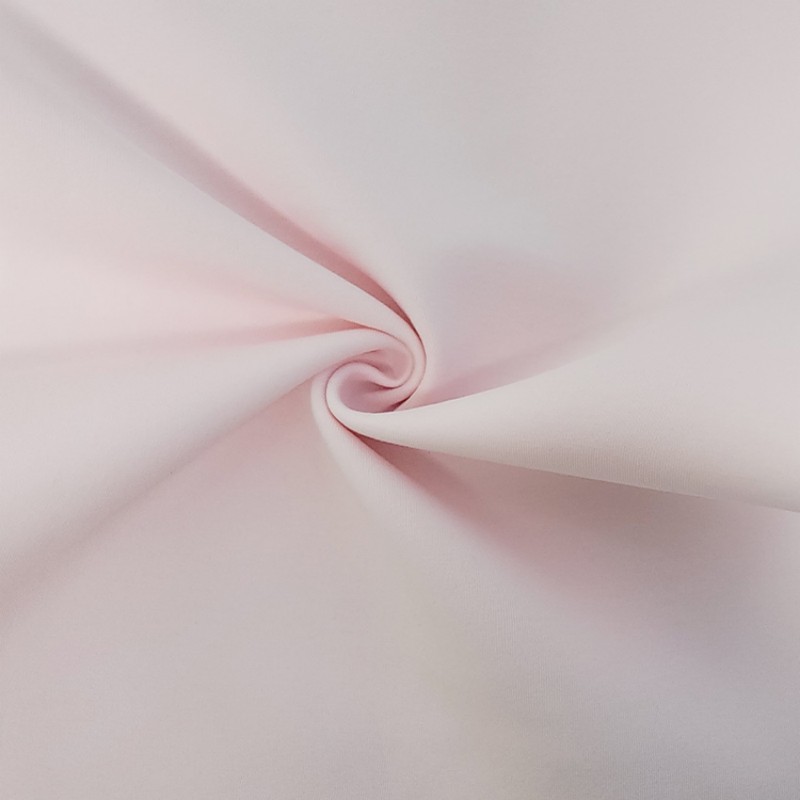
Diving fabric is a double-knitted fabric, woven from two sets of yarns, making it thicker and more durable. Most diving fabrics are made from a blend of polyester and spandex. Polyester helps maintain the fabric’s strength and washability, while spandex gives it good elasticity and freedom of movement. Typically, diving fabric contains 86-92% polyester and 8-14% spandex.
This blend ratio makes the fabric smooth and elastic. Diving fabric is durable, resistant to deformation, wrinkles, and shrinkage. Some people mistakenly believe that diving fabric is neoprene, but neoprene is heavier and has a rubber-like feel. Diving fabric is lighter and more breathable, making it more suitable for clothing. The table below lists the differences between the two:
| Aspect | Scuba Fabric | Neoprene |
|---|---|---|
| Structure and Weight | Lightweight, smooth, breathable knit | Dense, foam-like, rubbery |
| Applications | Fashion garments, activewear, accessories | Wetsuits, laptop sleeves, industrial uses |
The double-knit construction of diving fabric makes it more durable than knitted fabrics. It is also more elastic and better able to hold its shape. Here is a brief comparison of the two:
| Feature | Scuba Fabric | Jersey Knit Fabric |
|---|---|---|
| Structure | Double-knit, two sets of yarns | Single-knit, one set of yarn |
| Durability | High, thick and strong | Moderate, less substantial |
| Stretch | Excellent, due to spandex blend | Good, but less than scuba |
| Shape Retention | Maintains shape after wear | May lose shape over time |
Starke produces high-quality diving fabrics and other knitted fabrics. The company holds OEKO-TEX Standard 100 and GRS certifications. These certifications demonstrate that Starke’s fabrics are safe for the skin and environmentally friendly.
Manufacturing Process
The production of diving fabrics involves multiple steps. Each step contributes to the fabric’s strength, elasticity, and smoothness.
- Makers pick polyester and spandex fibers.
- They knit the fibers with a double-knit method. This makes two layers joined together for extra thickness.
- The fabric gets dyed and finished. This adds color and makes it smooth.
- Quality checks make sure the fabric is good.
- Certified factories like Starke use special machines for every step. This keeps the fabric the same each time.
Scuba fabric’s special mix and build make it great for many things. Careful making means each roll is just right for designers and brands.
Scuba Fabric Uses
Fashion Apparel
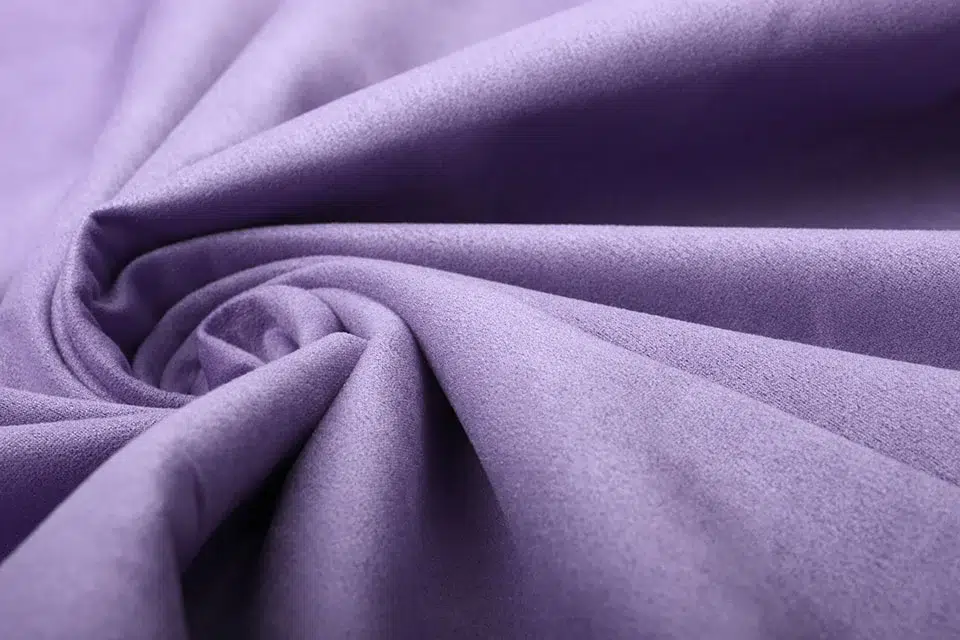
Designers choose diving fabrics for a wide variety of garments. This fabric is suitable for both summer and winter clothing. It is resistant to deformation and comes in vibrant colors. Many brands use it to make bodycon dresses, skirts, and sportswear. Some designers even use it to create bold fluorescent garments. Stylish diving suits are fashionable and comfortable to wear. People love diving suits because they are smooth and elastic. These diving suits are comfortable against the skin and allow for free movement.
Sports Apparel
Athletes and sports enthusiasts wear diving suits for comfort. The smooth fabric feels soft and gentle against the skin. Polyester and spandex blends allow for freedom of movement. Diving suits retain their shape and color even after strenuous exercise. Many sports brands use it to make surfwear, sports bras, and bodysuits. Diving suits wick away sweat and prevent chafing, helping athletes maintain peak performance. This fabric is resistant to deformation, pilling, and snagging. It is ideal for printing vibrant logos and graphics.
Other Applications
The uses of diving fabrics extend far beyond clothing. Many industries favor it for its durability and ease of care. Starke offers a variety of options to meet different needs. The table below shows the application of diving fabrics in various jobs:
| Industry | Benefit Description |
|---|---|
| Aviation | Used for seat covers that last through lots of use and cleaning. |
| Healthcare | Fights stains and germs, so it stays clean longer. |
| Hospitality | Good for furniture that gets used a lot. |
| Fashion | Keeps its feel and color, great for cool styles. |
Scuba gear is also good for homes with kids and pets. Things made from this fabric stay nice for a long time. Businesses save money because they do not need to buy new scuba items often.
Pros and Cons of Scuba Fabric
Advantages
Scuba fabric is strong and lasts a long time. Designers like it because it keeps its color and shape after many washes. This helps clothes look new for a long time. The fabric feels smooth and a little spongy. It is soft on the skin. Clothes made with scuba fabric look neat and keep their shape well.
- Scuba fabric is good for fashion and sports clothes.
- It stretches both ways, so it fits the body and lets you move easily.
- The fabric does not wrinkle much and stays in shape after many wears.
- Its moisture-wicking feature pulls sweat away and dries fast. This keeps you dry and comfy during activities.
Designers and makers like scuba fabric for its structure, stretch, and lasting quality. It is a useful material for many things, like dresses and sportswear.
Disadvantages
Scuba fabric has some downsides to think about. Its thick build can feel heavy compared to lighter fabrics. This thickness may make it uncomfortable in hot weather. The fabric does not let air pass through easily. Some people feel warm or even stuffy when wearing it in high heat.
- Scuba fabric’s low breathability can make you feel too warm or sweaty.
- Its weight makes it less good for light or summer clothes.
- The thick fabric limits airflow, so it may not feel cool and breezy.
Scuba fabric keeps its shape and lasts long, but it can feel warm and not let air through well in hot places. People often pick lighter, more airy materials for summer or sports in warm weather.
Care and Sustainability
Care Instructions
Diving fabric requires gentle care to maintain its strength and luster. Wash with cold water and mild soap. Hand washing is best, but a gentle machine wash cycle is also acceptable. Use a mesh bag to protect the fabric from machine pressure. Turn the garment inside out before washing to protect the color. After washing, gently squeeze out excess water. Do not wring. Air drying is crucial. Lay the garment flat on a towel or hang to dry. Ensure good ventilation. Avoid direct sunlight on the diving fabric. Sunlight can cause fading. Never use a tumble dryer, as the high temperatures will damage the fibers.
Bleach and strong soaps will weaken the fabric and cause fading. Machine washing and tumble drying will halve the lifespan of diving fabric. Storing damp garments can lead to mold, odors, and the elastic fibers breaking down within two days.
Simple care procedures can keep diving fabric looking new and comfortable. Proper storage can prevent damage and extend its lifespan.
Environmental Impact
Diving fabric uses polyester and spandex. The production of these fibers requires significant energy and is derived from petroleum. They are not easily biodegradable, thus contributing to landfill waste. Producing diving fabrics requires significant energy consumption and exacerbates pollution. Recycling helps reduce harm, but some challenges remain. Diving fabrics are durable, so the garments don’t need to be discarded quickly.
Starke protects the planet by using certified materials. The company holds OEKO-TEX Standard 100 and Global Recycling Standard (GRS) certifications. These certifications demonstrate Starke’s commitment to safe and responsible production practices.
| Certification | Contribution to Sustainability |
|---|---|
| GRS | Checks recycled content and tracks it from start to finish, making sure it is good for the earth. |
| OEKO-TEX | Makes sure fabrics have no bad chemicals, keeping people safe and healthy. |
Types and Variations
Scuba fabric has many types. Each type is good for different things. Designers and brands pick the type they need. They think about how it looks, feels, and works.
The table below lists some common scuba fabric types. It shows what they are made of and where people use them:
| Type of Scuba Fabric | Composition | Features | Applications |
|---|---|---|---|
| Plain Scuba Fabric | Polyester and spandex blend | Smooth, sleek finish; lightweight with excellent stretch | Dresses, tops, leggings, and casual wear |
| Scuba Crepe Fabric | Polyester and spandex with crepe-like texture | Textured surface; retains structure with a matte finish | Formal wear, tailored suits, and skirts |
| Double Scuba Fabric | Double-layered polyester and spandex blend | Thicker, heavier fabric with enhanced durability | Outerwear, structured dresses, and jackets |
| Printed Scuba Fabric | Polyester and spandex with digitally printed patterns | Vibrant designs; retains smooth texture and stretch | Fashion apparel, party wear, and accessories |
| Bonded Scuba Fabric | Two layers of fabric bonded together | Increased thickness, insulation, and durability | Outerwear, wetsuits, and high-performance gear |
Different types of scuba fabric change how people use them.
- Standard Scuba feels smooth and thick. People use it for dresses and sports clothes.
- Crepe Scuba has a bumpy, flat look. It is good for clothes that need shape.
- Scuba Suede is soft and feels like suede. Designers use it for jackets and cool outfits.
- Lightweight Scuba is thin and lets air in. It is best for summer or for wearing layers.
- Heavyweight Scuba is thick and warm. It works well for bold fashion pieces.
Scuba fabric is also a good deal. Wrinkle-free scuba fabric often costs less than other double-knit fabrics. For example:
| Fabric Type | Price per Yard |
|---|---|
| Wrinkle Free Scuba Fabric | $1.99 |
| Other Double-Knit Fabrics | Higher (varies) |
Designers can find the right diving fabric for any project. They can choose lightweight fabrics for summer clothing or heavier fabrics for jackets. Diving fabrics are diverse in type and price, making them a smart choice for many products.
The unique feature of diving fabrics is their double-knit construction and excellent elasticity. Designers often use them to make sportswear, dresses, and accessories. This fabric is resistant to deformation, bends easily, and dries quickly. Proper care helps extend its lifespan. Some diving fabrics use recycled fibers and environmentally friendly dyes. Certified suppliers like Starke are OEKO-TEX and GRS certified, ensuring the safety and high quality of their fabrics. When purchasing diving fabric, confirm that it meets the project requirements and request samples for best results.
FAQ
What’s the difference between diving fabric and neoprene?
Diving fabric is lighter and more flexible than neoprene. It’s elastic and breathable, making it ideal for clothing. Neoprene, on the other hand, is heavier and feels like rubber. It’s commonly used for wetsuits and protective gear.
Can diving fabric be used for summer clothing?
Yes, designers often choose diving fabric for summer clothing. This fabric is elastic and doesn’t easily deform. Lightweight styles are very comfortable in warm weather. It’s used to make dresses, skirts, and tops.
What’s the difference between diving crepe and regular diving fabric?
Diving crepe has a textured surface, giving it a smoother appearance. Regular diving fabric is smooth and shiny. Designers often use diving crepe for sophisticated garments and pieces that require a structured silhouette.
Is diving fabric easy to care for?
Diving fabric should be washed gently in cold water. Never use bleach or tumble dry at high temperatures. Air drying helps extend the fabric’s lifespan. Turning garments inside out can protect their color and texture.
Will diving fabric shrink after washing?
Diving fabric doesn’t shrink much after washing. The polyester and spandex blend helps maintain its size and shape. Proper care can keep the fabric looking new.