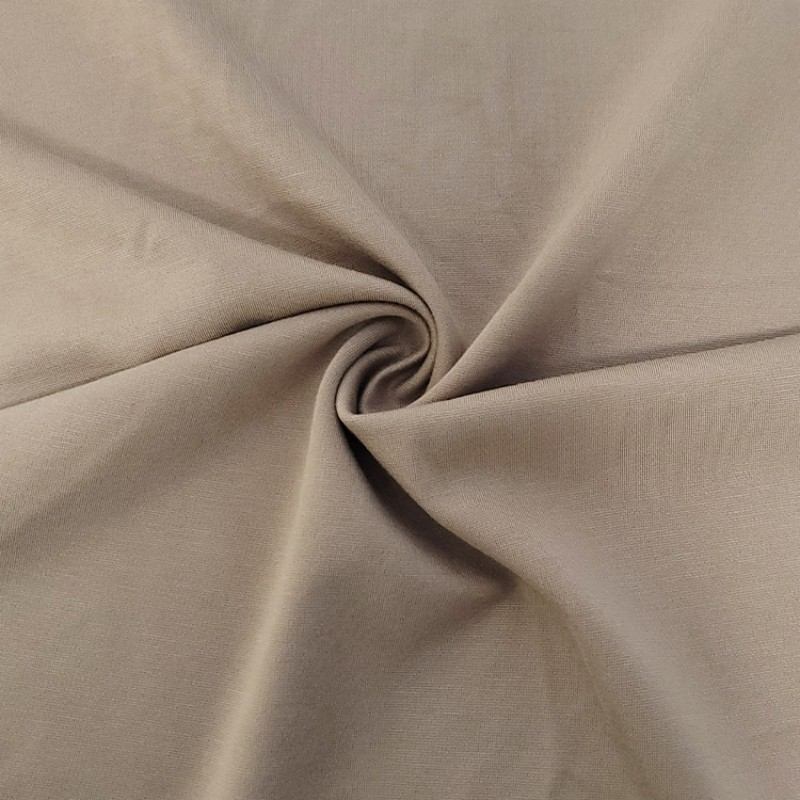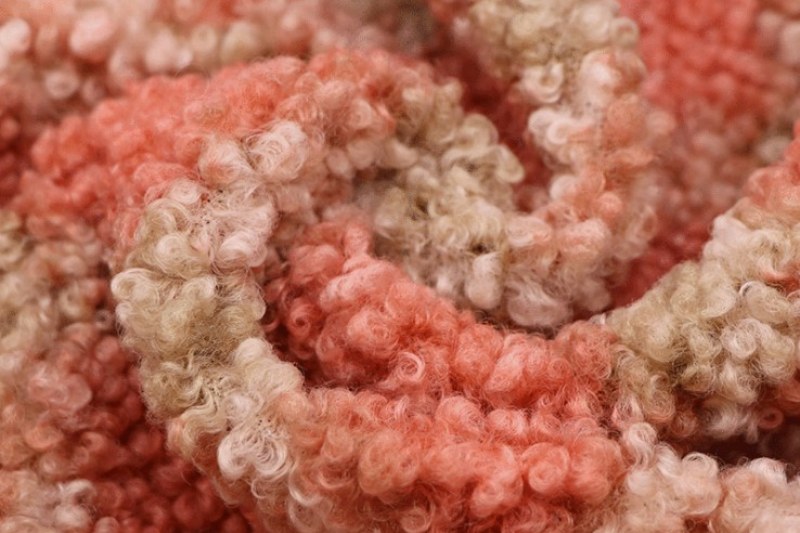
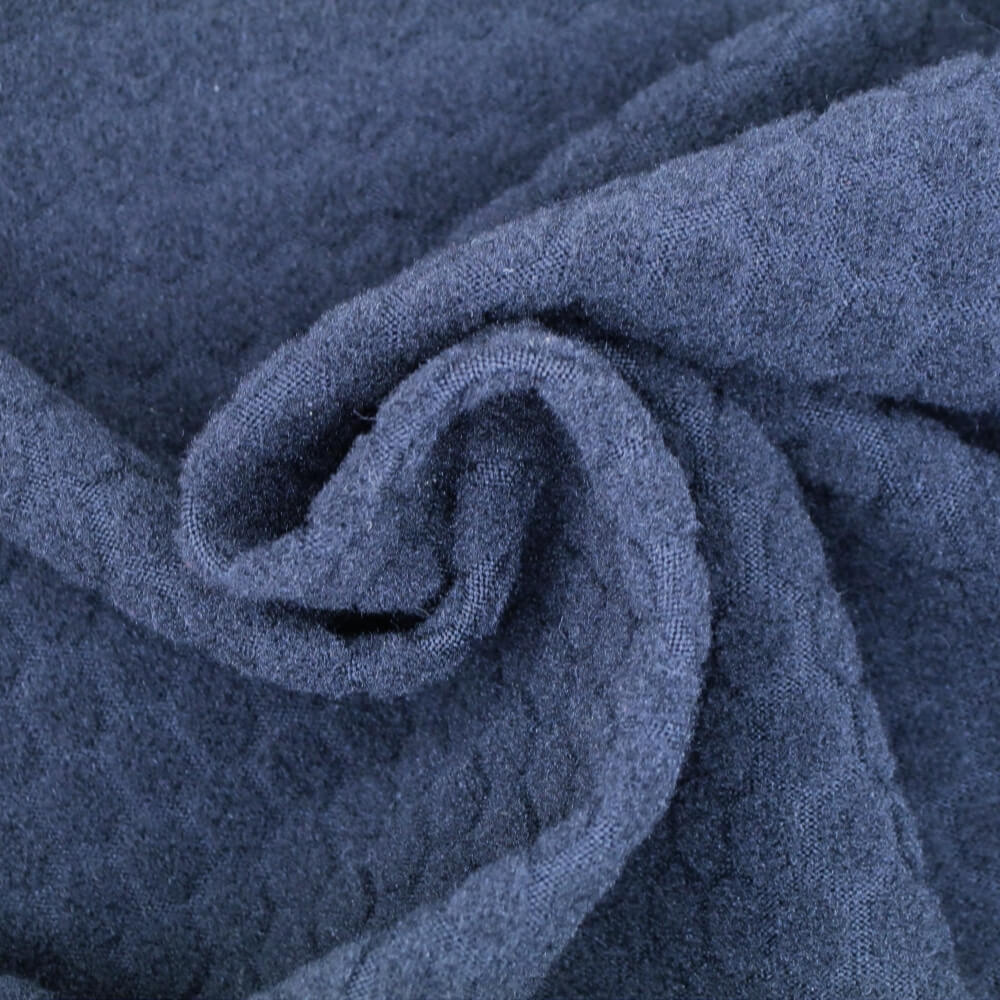
The unique feature of jacquard fabric lies in its intricate woven patterns. These patterns give the fabric a luxurious look. Unlike other textiles, jacquard fabric doesn’t use printing; instead, it creates a fine, raised pattern through weaving. This makes jacquard fabric look and feel high-end. People choose jacquard fabric because it is durable, thick, and comfortable. Luxury brands use jacquard fabric in expensive clothing and accessories. Designers love jacquard fabric because it is both strong and stylish. Jacquard fabric remains popular today, and many people want to use it for home décor and clothing.
Key Takeaways
- Jacquard knit fabric is characterized by its intricate woven patterns. This makes the fabric unique and luxurious. This fabric is strong and durable, able to maintain its shape and color for a long time. Therefore, it is used in clothing and home décor. There are many types of jacquard fabric, such as silk, cotton, and wool. Each fabric has a different feel and use. You need to take good care of jacquard fabric. Always read the care label and wash gently to maintain its beauty. Choosing jacquard fabric can make your clothes and home look more refined and high-end. Buying jacquard fabric is definitely a wise choice.
What is jacquard fabric?
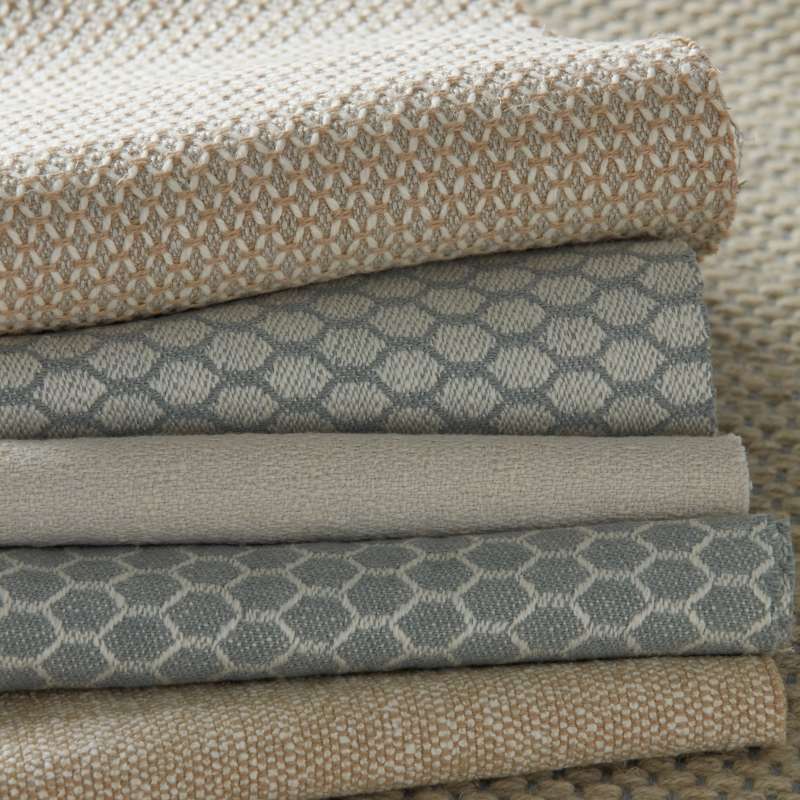
Defining Features
The unique aspect of jacquard fabric lies in its manufacturing process. It uses a special machine called a jacquard loom. This loom can move each warp thread independently. Therefore, jacquard fabric can display very intricate patterns. These patterns are woven directly into the fabric. People sometimes ask, what is jacquard fabric? It’s not just an appearance, but a weaving technique that creates beautiful shapes and textures.
The unique features of jacquard fabric are:
- The jacquard woven fabric not printed on the surface.
- The fabric surface has raised areas that can be felt.
- Jacquard fabric can be made into a variety of new and old patterns.
- It is thicker and softer than ordinary fabrics.
- Due to the more complex manufacturing process, it is more expensive.
Today, jacquard fabric is made by computer-controlled machines. These machines can create even more intricate patterns and also make the production process faster and more convenient. The texture of jacquard fabric can be as heavy as brocade or as light as damask.
Woven Patterns vs. Printed Patterns
People often wonder about the difference between jacquard and printed fabrics. The main difference lies in how the patterns are created. Jacquard patterns are inherent to the fabric itself, while printed patterns are added after the fabric has been manufactured.
Here’s a comparison:
| Feature | Jacquard Fabric | Printed Designs |
|---|---|---|
| Complexity | Patterns are woven into the fabric | Many patterns, but they look flat |
| Longevity | Very strong, does not fade easily | Not as strong, can wear out faster |
| Appearance | Has texture and looks 3D | Flat, can have many colors |
Jacquard fabrics offer several advantages over printed fabrics:
- The patterns won’t fade because they are woven into the fabric.
- Jacquard fabrics retain their shape and texture even after multiple washes.
- The raised texture gives the fabric a refined and sophisticated look.
Jacquard fabrics are chosen for items requiring durability, such as sofas, curtains, and high-end clothing. Printed jacquard fabrics may look similar, but their feel and strength cannot match genuine jacquard.
Durability and Texture
Jacquard fabrics are renowned for their strength, durability, and excellent feel. Made from high-quality fibers such as cotton, silk, or wool, they are exceptionally durable. They don’t pill or deform, maintaining their beauty for years.
The feel of jacquard fabrics can be smooth or substantial. Some types, like brocade, are heavy and textured. Others, like damask, are lighter and softer. The raised patterns and sheen give jacquard fabrics a more refined look. Many people can immediately recognize the softness and beauty of jacquard fabrics.
Jacquard weaving creates intricate patterns that look both sophisticated and stylish. You can use jacquard fabrics in clothing or home furnishings. Whether it’s a dress or a sofa, jacquard adds style and quality.
Key Features and Advantages of Jacquard Fabrics
Exquisite Texture Design
Jacquard fabrics are striking for their intricate pattern designs. The weaving process allows for the creation of simple or complex patterns. These patterns are not flat but raised above the fabric surface, creating a three-dimensional effect. This gives the fabric a unique and layered feel. Many people love jacquard fabrics for their beautiful appearance. This fabric often has a slight sheen, adding to its refined look. Designers frequently use jacquard fabrics in clothing and home furnishings to create a sophisticated and elegant look.
Durable and Sturdy Structure
Jacquard fabrics are strong, durable, and resistant to deformation. The weaving process tightly interweaves the yarns, making the fabric tough and durable, suitable for high-intensity use. Jacquard fabrics are commonly used to make sofas, coats, and other items. It is resistant to pilling and maintains its shape for a long time. Even after multiple washes, jacquard fabrics remain beautiful and comfortable. Blends with fibers such as cotton or silk help extend its lifespan. Therefore, jacquard fabrics are ideal for both everyday items and high-end goods.
Jacquard fabrics are tough and durable, maintaining their beauty even with frequent use.
Double-sided Patterns
Many jacquard fabrics have patterns on both sides. This means that the same pattern will be seen no matter which side is used. Sometimes, the color on the back will be reversed compared to the front. Double-sided jacquard fabrics are ideal for making clothing and home furnishings. Since jacquard fabrics can be used on both sides, they are perfect for making items such as curtains or tablecloths. This makes jacquard fabrics ideal for creative designs.
Colorfast and Shedding-resistant
Jacquard fabrics retain their color and pattern for a long time. The pattern is woven into the fabric, not printed on the surface. This means that the fabric will not fade or peel even after multiple washes. Sportswear and home furnishings made from jacquard fabrics always look new. Furthermore, jacquard fabrics are unaffected by sunlight or chemicals. Therefore, jacquard fabrics are ideal for items that need to maintain their beauty for a long time.
| Feature | Jacquard Fabric | Printed Fabric |
|---|---|---|
| Pattern Longevity | No fading or peeling | May fade or peel |
| Durability | High | Medium |
| Texture | Raised, 3D | Flat |
Jacquard fabrics are beautiful, durable, and luxurious to the touch. They are an ideal choice for those who value both style and longevity.
Types of Jacquard Fabrics
Jacquard fabrics come in a wide variety, each with a unique look and feel. They are used to make clothing, home furnishings, and more. The manufacturing process of jacquard fabrics results in a rich variety of patterns and textures. This section will introduce the main types of jacquard fabrics and their unique characteristics.
Common Types of Jacquard Fabrics
Many types of jacquard fabrics are available on the market today. Here are some of the most common:
- Silk Jacquard: This fabric has a smooth feel and a bright sheen. It often features exquisite artistic patterns. It is used to make high-end clothing and delicate home furnishings.
- Cotton Jacquard: This fabric has a soft, slightly rough feel. It is suitable for making comfortable clothing and home furnishings.
- Wool Jacquard: This fabric is warm and soft. It is ideal for making winter clothing and blankets.
- Polyester Jacquard Fabric: This fabric is durable and easy to wash. To extend its lifespan, it is often blended with other fibers.
People use jacquard fabric to make many things. Here are some of the main uses:
| Type | Description |
|---|---|
| Clothing | Clothes like dresses, suits, and shirts with cool patterns. |
| Decoration | Home things like curtains, couches, and pillows that look nice. |
| Others | Accessories, crafts, and other uses that show how useful jacquard is. |
Brocade
Brocade is a renowned jacquard fabric. Its unique feature is its raised pattern. These patterns often resemble flowers or intricate designs. Brocade uses extra yarn to highlight the design. Many brocade fabrics use silk or shimmering yarns to create a luxurious look.
You can find brocade in:
- Luxurious clothing, such as gowns and wedding dresses
- Home furnishings, such as curtains and sofa covers
Brocade has a thick, substantial feel and is resistant to deformation. Most brocades have patterns that are not identical on the front and back. The patterns appear vibrant and often shimmer. High-quality brocade can make any item look luxurious and sophisticated.
Brocade jacquard fabrics lend an air of elegance and sophistication to clothing and home furnishings.
Damask Fabric
Damask fabric is another well-known jacquard fabric. It has a smooth feel and a flat appearance. Damask fabric is unique in that its pattern is clearly visible on both sides. The designs are often floral or swirling patterns. Damask fabric is usually monochrome, but the pattern shimmers in the light.
The brocade weaving technique creates areas that are raised and areas that are flat. This gives the fabric a simple yet classic texture. Brocade is suitable for rooms of all styles, whether modern or classic.
| Feature | Damask Jacquard Fabric | Other Jacquard Types |
|---|---|---|
| Weaving Technique | Raised and flat areas | Special looms make detailed patterns |
| Pattern Characteristics | Patterns show on both sides, often flowers or swirls | Patterns can be shapes, pictures, or bold designs |
| Appearance | Looks fancy, shines a little | Can look soft or bold |
| Common Uses | Tablecloths, couch covers, home decor, clothes | Couch covers, fashion, home decor, other uses |
Quilted Fabric
Quilted fabric is a special type of jacquard fabric with a quilted effect. It has a soft touch and a fluffy texture. The weaving process makes it appear as if it’s filled, but there is no actual filling inside. This gives quilted fabric a unique three-dimensional feel, making it distinct from other jacquard fabrics.
Quilted fabric can make any room or outfit look comfortable and stylish. Its unique texture is perfect for those who seek individuality.
Quilted jacquard fabric adds a touch of soft sophistication to home and fashion items.
Each jacquard fabric has its own unique characteristics. The versatility of jacquard weaving allows for the creation of a wide variety of designs. From luxurious brocade to soft quilted fabric, you can find jacquard fabrics to meet a variety of needs. Choosing the right jacquard fabric helps create beautiful and durable products.
Uses and Care of Jacquard Fabric
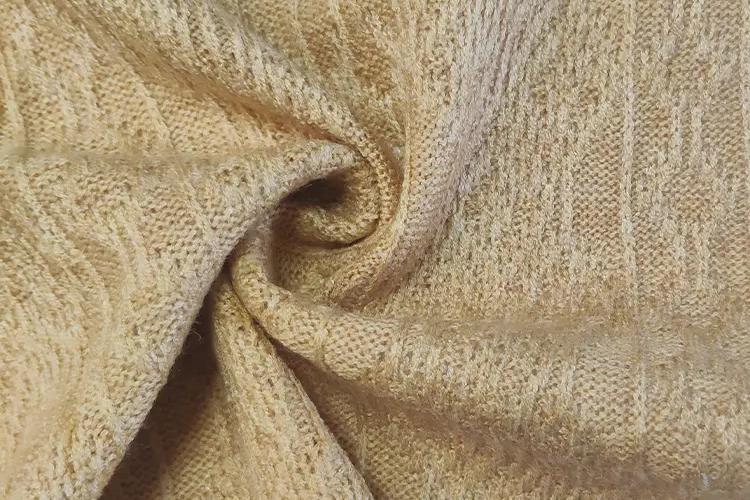
Fashion Applications
Designers love jacquard fabrics because of their beautiful appearance and versatility. They use jacquard fabrics to create eye-catching garments. Dresses, suits, and shirts often feature jacquard patterns. This fabric makes clothing look sophisticated and unique. Some well-known brands, such as the Albini Group, also use jacquard fabrics in their clothing. The table below shows the applications of jacquard fabrics in the fashion industry:
| Use in Fashion Industry | Designers/Brands |
|---|---|
| Clothing (dresses, suits, blouses) | Albini Group |
| Home decor (curtains, upholstery, bedding) | Loro Piana |
Jacquard fabric remains a popular choice, suitable for both classic and modern styles. Its raised patterns and rich texture make it a top choice for high-end clothing.
Home Decor Uses
Jacquard fabric can elevate the look of many home furnishings. It’s used to make jacquard cushions, curtains, and bedding. This durable and stylish fabric is ideal for these applications. The table below lists some common uses:
| Application Type | Description |
|---|---|
| Upholstery | Covers furniture and gives it style and strength. |
| Drapery | Good for curtains, adds beauty and detailed patterns. |
| Bedding | Makes bed sheets and covers look rich and feel soft. |
Jacquard fabrics elevate the look of sofas and chairs. Jacquard curtains offer both light blocking and aesthetic appeal. Jacquard bedding is soft to the touch and exquisitely designed. Jacquard fabrics are versatile and therefore favored in many home furnishing projects.
Advantages and Disadvantages
Jacquard fabrics have many advantages. They are beautiful in appearance and have a unique feel. This fabric is comfortable and easy to care for. Many people choose jacquard fabrics because of their stylish designs and sophisticated appearance. However, they also have some disadvantages. Jacquard fabrics are more expensive to produce. This fabric has little elasticity and can therefore be quite stiff. Due to the intricate patterns, jacquard fabrics are also more difficult to maintain.
| Advantages | Disadvantages |
|---|---|
| Cool style, pretty look, special feel | Costs more to make because weaving is hard |
| Easy to care for and comfy to wear | Does not stretch much, not very flexible |
| Great for new and stylish designs | Can fade and needs special care |
Care Tips
Proper care of jacquard fabric helps extend its lifespan. Experts recommend following these steps:
- Check the care label before washing or ironing.
- Test the detergent on an inconspicuous area first.
- Do not use abrasive sponges or brushes.
- Store jacquard fabric in a cool, dry place, away from direct sunlight.
- Gently blot stains with a clean cloth and mild soap.
Clean jacquard fabric regularly to maintain its beauty. Vacuum with a soft-bristled brush, being gentle to avoid pulling loose threads. For delicate fabrics, hand washing or dry cleaning is recommended. After drying, iron the back on a low heat. Do not use too much water to avoid shrinkage or fading. By following these care tips, jacquard fabric will remain beautiful and durable for a long time.
The unique feature of jacquard fabric is its strength, durability, and beautiful patterns. Jacquard fabrics have long been a favorite. Once used in high-end clothing, they are now widely used in home décor. Woven from numerous yarns, jacquard fabrics are soft and textured to the touch. The tight weave creates exquisite patterns and a smooth feel. Today, jacquard fabrics add color and style to clothing and home furnishings. The table below shows how jacquard fabrics have made a classic choice in the past and present.
| Historical/Cultural Factor | Description |
|---|---|
| Origins of Jacquard Fabric | The history of jacquard fabric goes back a long time. Joseph Marie Jacquard made the jacquard loom in the early 1800s. This was a big step for making jacquard. |
| Industrial Revolution | The jacquard loom was invented during the Industrial Revolution. This let people make lots of patterned fabric. It became easier for more people to get jacquard. |
| Modern Applications | Today, jacquard fabric is used in many areas. It is popular in fashion and cars because it can make detailed patterns. |
FAQ
What’s the difference between jacquard fabric and regular fabric?
Jacquard fabric has its pattern woven into the fabric itself. Regular fabric typically uses printed patterns. The weaving process gives jacquard fabric a raised texture and a more durable surface.
Can jacquard fabric be used for clothing and home décor?
Yes, jacquard fabric is perfectly suitable for both. Designers use it for dresses, coats, curtains, and interior decoration. Its durability and beauty make it ideal for many projects.
How to wash jacquard fabric?
Always check the care label first. Most jacquard fabrics require gentle hand washing or dry cleaning. Use a mild soap and avoid vigorous rubbing to keep the pattern looking new.
Is jacquard fabric stretchy?
| Fabric Type | Stretch Level |
|---|---|
| Jacquard | Low |
| Knitted Jacquard | Medium |
Jacquard fabric usually does not stretch much. Knitted jacquard can stretch more than woven jacquard.