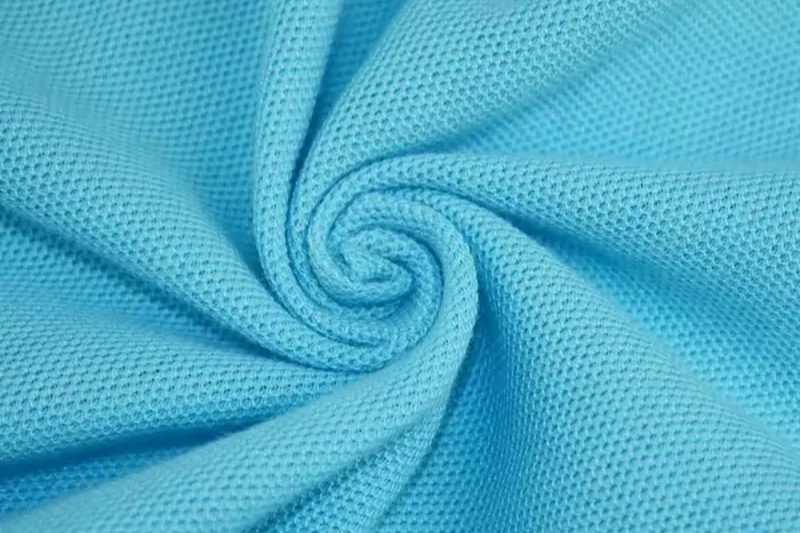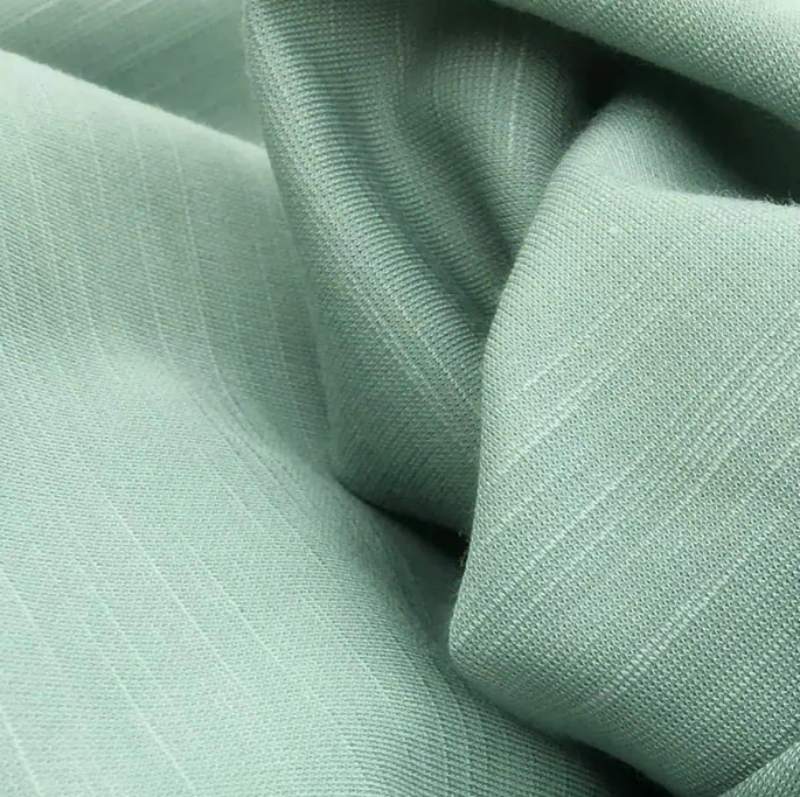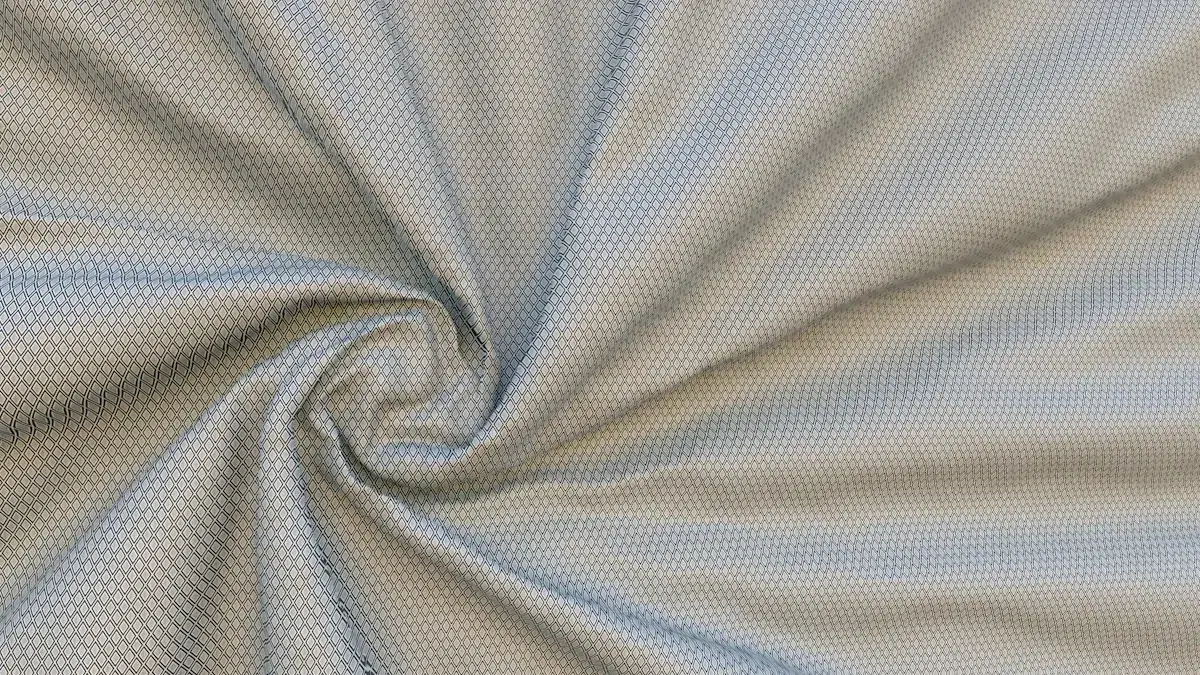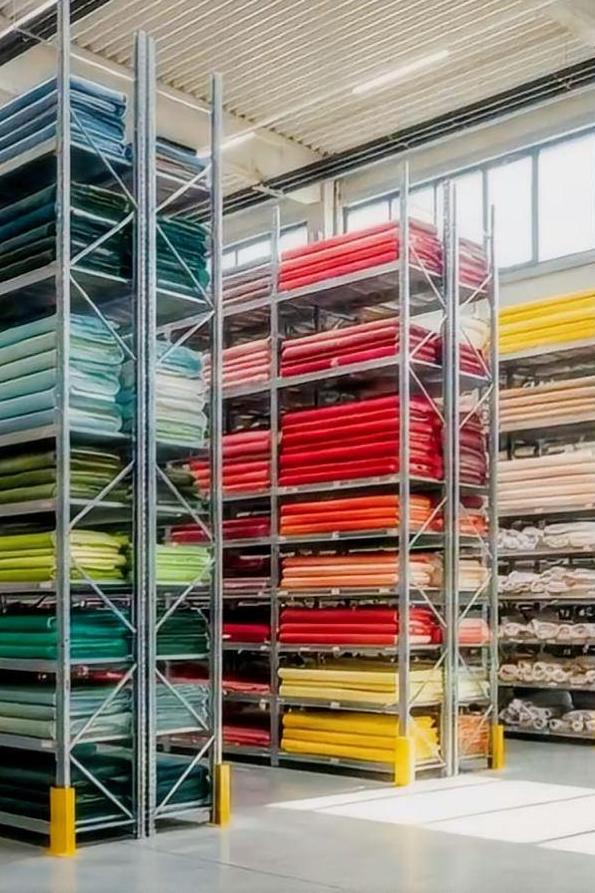
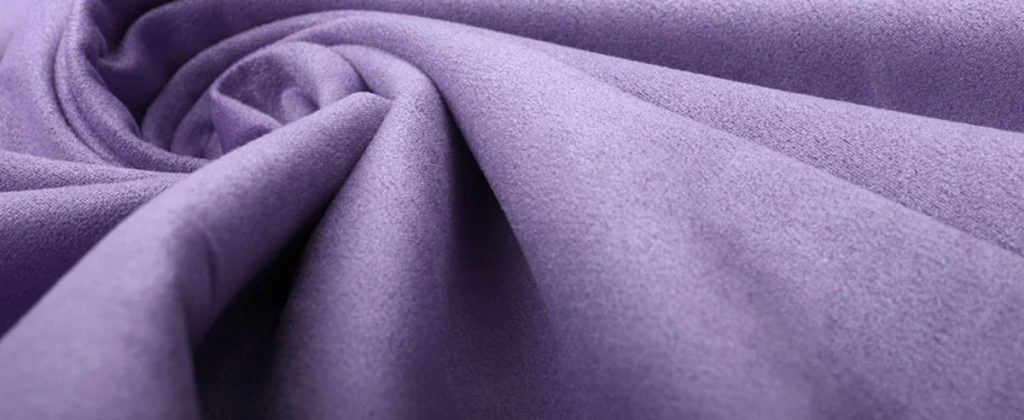
The difference between scuba fabrics and polyester fabrics lies in their manufacturing process and applications. Diving fabrics are thick and elastic, typically made from a blend of polyester and spandex. Polyester is a man-made fiber widely used in various fabrics. Starke offers a variety of diving fabrics and polyester fabrics to meet your diverse design needs.
Key Takeaways
- Diving fabric is thick and elastic, made from a blend of polyester and spandex. It’s commonly used to make compression garments and sportswear.
- Polyester is a lightweight yet strong fiber, widely used in clothing and home décor.
- Diving fabric is suitable for garments that need to maintain their shape. Polyester fabric, on the other hand, is better suited for softer, more flowing clothing.
What is Scuba?
Definition of Diving Fabric
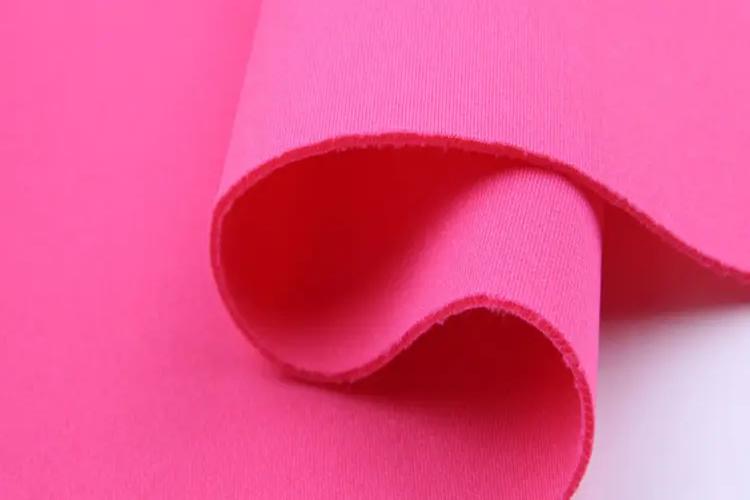
Diving fabric is a new type of fabric with a smooth and firm feel. It is made from a blend of polyester and spandex, which provides good elasticity and resilience. Diving fabric is thick, with a tightly woven, multi-layered structure and a soft, comfortable center. Most diving fabrics are primarily composed of polyester with a small amount of spandex. They are typically about 1.5 mm thick, 58 to 61 inches wide, and weigh between 250 and 350 grams per square meter. Some types of fabric may be lighter or heavier.
| Feature | Description |
|---|---|
| Composition | 90–95% polyester, 5–10% spandex |
| Construction | Thick, double-knit, soft foamed core |
| Thickness | About 1.5mm |
| Width | 58–61 inches |
| Weight | 250–350 GSM (can range from 180 to 380 GSM) |
Characteristics of Diving Fabric
Diving fabric possesses unique properties. The blend of polyester and spandex gives it two-way stretch. Garments made from diving fabric move freely and return to their original shape after stretching. Diving fabric is thicker and crisper than other fabrics, wrinkle-resistant, and less prone to deformation. Its double-knit construction keeps it warm in cool weather. The fabric is smooth and even on both sides, giving it a clean appearance. Diving fabric is lightweight, breathable, and comfortable to wear.
Common Uses of Diving Fabric
Diving fabric has a wide range of applications. In the fashion industry, it’s used to make dresses, skirts, jackets, leggings, and tops. Its stretch and shaping properties make it ideal for both fitted and loose-fitting garments. Diving fabric is also commonly used in sportswear, such as yoga pants and leggings. It’s also used to make laptop bags and drink covers. Furthermore, diving fabric appears in home furnishings, such as cushions and tablecloths. Its versatility makes diving fabric an ideal choice for clothing and accessories.
- Apparel: Dresses, jackets, leggings, skirts, and tops
- Sportswear: Compression gear, yoga pants, swimwear
- Accessories: Laptop cases, beverage holders
- Home décor: Cushions, tablecloths, placemats
What is Polyester?
Polyester Fiber Definition
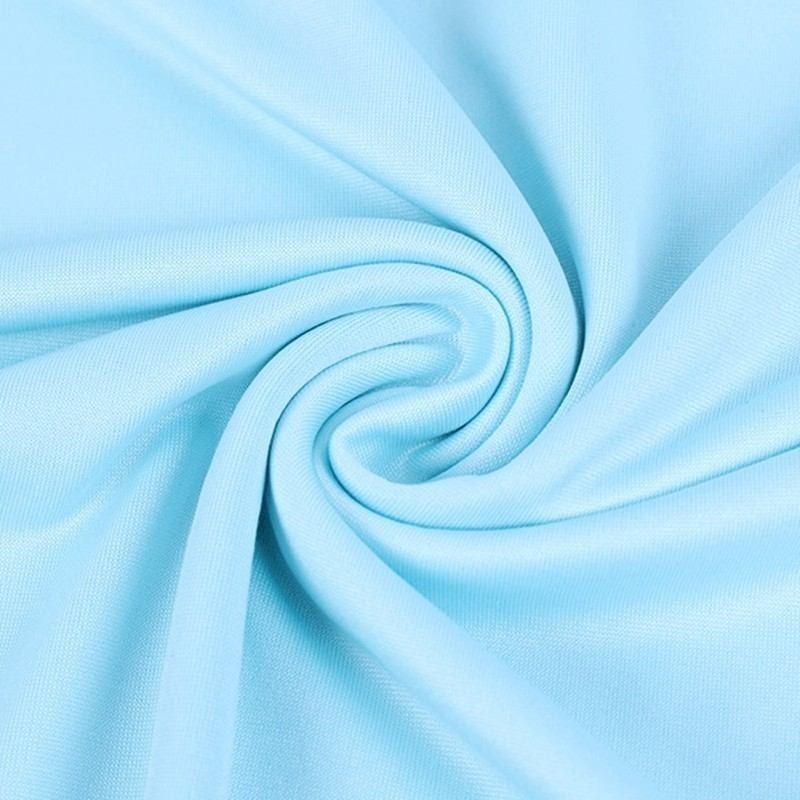
Polyester fiber is a man-made fiber that first appeared in the 1950s. Manufacturers use special chemicals to produce it. They blend at least 85% diol esters and terephthalic acid. This gives polyester fiber its high strength and good toughness. After being stretched, polyester fiber can quickly return to its original shape. It is not prone to shrinkage or wrinkling, and because it does not absorb water, it dries quickly.
Properties of Polyester Fiber
Polyester fiber has many special properties. Its melting point is 480℃, and its softening temperature is 460℃. Its density is approximately 1.38 to 1.40 g/cm³. Polyester fiber can be stretched by 15% to 45% before breaking. It is lightweight and not easily abraded, thus having a long service life. Polyester fiber is not easily damaged by most chemicals or insects. It has good thermal insulation properties, especially after special treatment or hollowing.
| Property | Description |
|---|---|
| Strength | High, stable, and lasts long |
| Wrinkle Resistance | Rarely wrinkles, keeps its shape |
| Quick Drying | Does not soak up water, dries fast |
| Abrasion Resistance | Handles rubbing and wear |
| Insulation | Keeps heat well, especially when textured |
Common Uses of Polyester
Polyester is widely used due to its excellent properties. In the clothing industry, it is commonly used in shirts, sportswear, and thermal wear. It is also used in home furnishings such as curtains, furniture covers, and interior decoration. Factories use polyester to produce tire cords, conveyor belts, and car seat belts. Other uses include fishing nets, carpets, ropes, and plastic bottles.
Differences Between Diving Fabric and Polyester
Texture and Structure
Diving fabric and polyester have different feel and shape retention. Diving fabric is smooth and soft to the touch and is thicker than most other fabrics. It uses a double-knit process, making it stronger and more durable. Polyester fabric is soft or smooth to the touch, generally lighter, and has poorer shape retention. Diving fabric holds its shape better than regular polyester. The table below compares them:
| Fabric Type | Weight | Feel | Drape | Structure |
|---|---|---|---|---|
| Spun Polyester | Lightweight | Soft | Fluid | Less Structured |
| Scuba Fabric | Thicker | Smoother | Less Fluid | More Structured |
Weight and Feel
Diving fabrics and polyester fabrics also differ in weight and feel. Diving fabrics are heavier, have a firmer feel, and give garments a tighter, smoother surface. Regular polyester fabrics are lighter, and depending on the manufacturing process, they can have a soft or crisp feel. The table below lists these differences:
| Feature | Scuba Fabric | Standard Polyester |
|---|---|---|
| Weight | Heavier | Lighter |
| Texture | Smooth, spongy | Varies, generally smooth |
| Structure | More structured | Less structured |
| Elasticity | High | Varies |
| Shape Retention | Outstanding | May not retain shape as well |
Stretch and Durability
Stretch and durability are important differences between scuba and polyester. Scuba fabric mixes polyester and spandex. This lets it stretch in many directions. Scuba moves with your body and goes back to its shape. Polyester can stretch, but not as much as scuba. Scuba resists wrinkles and keeps its form after many wears. Polyester lasts long and resists damage from washing. But it may not keep its shape as well as scuba.
Tip: Scuba fabric is best for clothes that need to stretch and stay neat, like leggings or fitted dresses.
Breathability and Comfort
Breathability and comfort are also different for scuba and polyester. Scuba fabric, made with polyester and elastane, stretches well and feels good when you move. It resists water and dries fast. Scuba fabric breathes 40% better than some older materials. People feel cooler wearing scuba, with 35% less heat than neoprene. Polyester fabrics can breathe well, especially if woven loosely. But scuba often feels more comfortable in active wear because it keeps its shape and handles sweat.
The difference between scuba and polyester changes how each fabric works in clothes and accessories. Scuba stands out for stretch, structure, and comfort. Polyester is known for being light and useful in many ways.
Scuba vs. Polyester: Practical Tips
Sewing and Handling
When you sew with scuba or polyester, you need to do some things differently. Here are some easy tips to help you:
- Use a ballpoint or stretch needle so stitches do not skip.
- Try out your stitch settings on extra fabric before you start.
- Pick a narrow zigzag or stretch stitch for seams.
- Press seams with a cool iron and use a pressing cloth.
- A walking foot helps thick layers move through the machine.
- Use lots of pins or clips to keep layers together.
- Cut seam allowances to make thick seams smaller, especially with scuba.
- Topstitching can make scuba fabric look more finished.
Starke has many kinds of scuba and polyester. You can pick different weights and looks. This helps makers and designers choose what works best for their projects.
Abrasion Resistance and Edge Treatment
Diving fabric is resistant to abrasion, so minimal edge treatment is required. Simple patterns pair beautifully with diving fabric. Polyester fabric may abrade, depending on its manufacturing process. You can use overlock stitching or zigzag stitching to prevent abrasion on polyester fabric. Trimming and finishing seam allowances also makes sewing easier and neater.
Care and Maintenance
Both diving and polyester fabrics are easy to care for. Diving fabric can be machine washed in warm water with a mild detergent. Tumble dry on low or medium heat to keep it smooth. Polyester fabric is also easy to wash and dries quickly. Neither fabric wrinkles easily, so frequent ironing is unnecessary. Do not use high temperatures or place it in direct sunlight. This will extend the fabric’s lifespan.
| Feature | Description |
|---|---|
| Material | Made with recycled polyester fibers |
| Sustainability Focus | Helps brands and makers be more eco-friendly |
Choosing the Right Fabric
When to Use Diving Fabric
Diving fabric is best suited for garments that need to maintain their shape and crisp appearance. Designers frequently choose diving fabric for fitted dresses, jackets, and skirts. This fabric has a smooth feel and strong support. Diving fabric is also ideal for sportswear. It has excellent elasticity and quickly returns to its original shape after exercise. Many brands use diving fabric for sportswear because it doesn’t wrinkle or sag easily.
Scuba fabric is engineered for structure and comfort. It works well for garments that need to hold their shape and last through many wears.
When to Use Polyester
Polyester is suitable for projects requiring lightweight, easy-care fabrics. Many people use polyester to make shirts, blouses, and flowing skirts. This fiber dries quickly and doesn’t wrinkle easily. Polyester is also suitable for home furnishings such as curtains and upholstery. When breathability and softness are more important than structure, polyester is a good choice.
Key Decision Factors
Choosing between polyester and nylon depends on the specific project. Consider the following:
- Does the item need to keep its shape? Choose scuba.
- Is stretch and support important? Scuba works best.
- For light, airy, or flowing designs, polyester is a better fit.
- Consider care needs. Both fabrics are easy to wash and dry.
The right fabric helps every project look and feel its best.
Diving fabrics are strong, durable, and highly elastic. Polyester fabrics are lightweight and versatile. Experts point out that durable fabrics are suitable for high-traffic areas. Easy-to-clean fabrics are best suited for home use. Choosing a fabric that meets specific needs while also being environmentally friendly is crucial.
FAQ
What’s the difference between diving fabric and neoprene?
Diving fabric is lighter and more flexible than neoprene. It’s suitable for making clothing. Neoprene is better suited for wetsuits and protective gear.
Can polyester fabric be recycled?
Yes, polyester fabric can be recycled. Many companies, such as Starke, use recycled polyester. This helps protect the environment.
Is diving fabric suitable for hot weather?
Diving fabric is breathable but warmer than lightweight polyester fabric. People choose it for cooler weather or when they need to maintain the shape of their clothing.