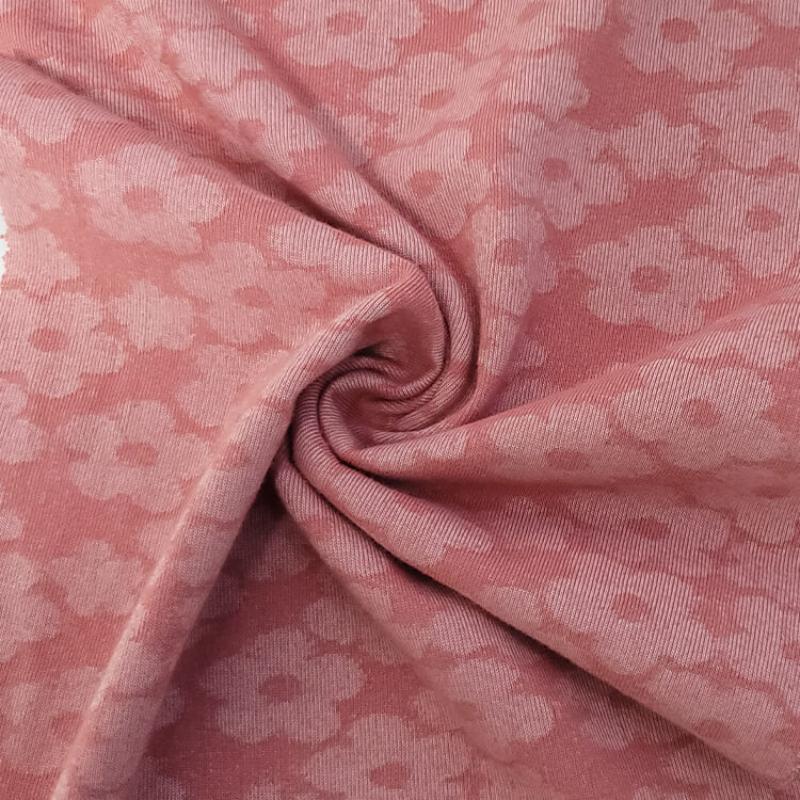
Jacquard fabric refers to a textile woven with integrated patterns, rather than a single fixed fabric material. Manufacturers can produce jacquard with natural fibers, synthetic fibers, or customized fiber blends, where intricate motifs are formed during weaving on dedicated jacquard looms. Unlike loop-structured knitted textiles, woven jacquard relies on crisscross interlaced yarns, and textile suppliers provide customized jacquard solutions for apparel and home textile projects.
Key Takeaways
- Jacquard is defined by patterns woven into the textile base, setting it apart from printed or embroidered fabrics.
- The base fiber (cotton, silk, polyester, wool or blends) directly determines jacquard’s hand feel, weight, breathability and applicable scenarios.
- Tightly woven jacquard delivers stable shape retention and long-lasting patterns, making it widely used for upholstery, daily apparel and high-end formal wear.
What is jacquard fabric?
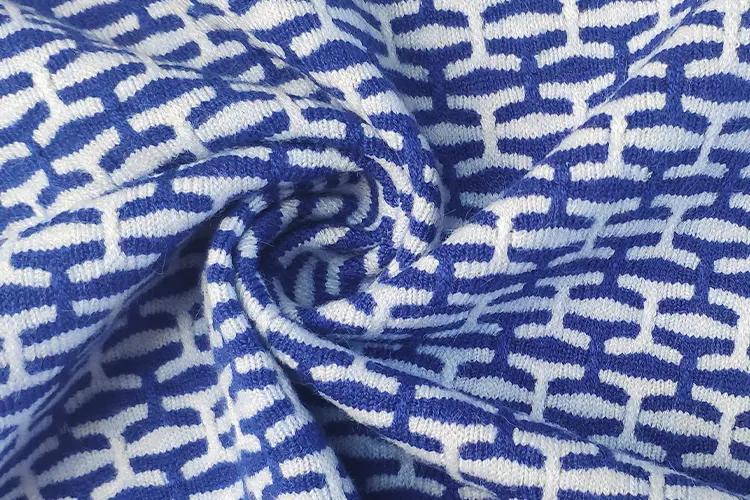
Definition and weaving process
Jacquard fabric is easy to spot because it has detailed woven patterns. Makers use a special machine called the Jacquard loom to make these patterns right in the fabric. Joseph Marie Jacquard invented this loom in 1804. His invention changed how people made fabric. Before the Jacquard loom, making fancy fabrics like brocade or damask took a lot of time and skill. Only rich people could buy these fabrics. The Jacquard loom helped make these fabrics faster and cheaper. More people could get them. The loom used punched cards to guide the weaving. This let makers create complex designs. It also inspired early computers.
The weaving process for jacquard fabric has a few main steps:
- The Jacquard loom makes complex patterns right in the fabric.
- Punched cards control how the threads move to form designs.
- This way is different from regular weaving, which makes simple shapes.
Factories and suppliers use this method to make custom jacquard fabrics for many things, like furniture and clothes. Makers can program the loom to create special designs for big orders or custom needs.
How jacquard differs from other fabrics
Jacquard fabric is not like other woven fabrics in some important ways. The patterns are not printed or sewn on top. The loom weaves the design into the fabric itself. This gives jacquard fabric a rich feel and a layered look. The weaving also makes the patterns strong and less likely to fade or wear out.
Jacquard fabric has more complex and deep patterns than regular woven fabrics.
Here are some main differences:
- The Jacquard loom lets makers weave complex patterns right into the fabric. Other fabrics often have designs added after weaving.
- Jacquard fabric feels dimensional because the pattern is part of the fabric.
- The automated weaving makes the fabric consistent and helps factories make lots of it.
Jacquard fabric also differs fundamentally from knitted textiles in structural construction. Woven jacquard adopts warp-weft interlacing yarns for solid dimensional stability and low natural stretch. Knitted fabrics are constructed with interlocked yarn loops, granting inherent elasticity suitable for sportswear and casual activewear, yet looped structures are more prone to snags and wear under heavy friction compared to tight woven jacquard.
When you look at how jacquard fabric is made, you see that weaving creates a strong and pretty material. Makers and suppliers often pick jacquard for things that need to look nice and be tough, like furniture, curtains, and fancy clothes.
Jacquard fabric materials
Jacquard’s intricate integrated patterns support versatile applications across apparel and home textiles, and manufacturers can customize fiber compositions to match end-use demands such as upholstery, daily garments and decorative home goods. Fiber selection is the core factor determining jacquard’s texture, weight and functional performance; woven jacquard delivers stable non-stretch shaping ideal for decorative, long-lasting textile products.
Natural fibers: cotton, silk, wool
Natural fibers are important in making jacquard. Cotton, silk, linen, and wool are used a lot for nice and earth-friendly jacquard fabric. These fibers are picked by people who want green choices and a fancy look. Cotton jacquard is soft and lets air through. It is good for comfy clothes and home things. Silk jacquard is shiny and smooth. It is used for fancy clothes and pretty home items. Wool jacquard is warm and strong. It is used for thick clothes and wall hangings.
More people like natural fiber jacquard because it looks nice and is better for the planet.
| Fiber | Contribution to Jacquard Fabric |
|---|---|
| Cotton | Gives strength and comfort, and is easier to weave. |
| Silk | Looks shiny and feels soft, used for fancy things. |
| Wool | Good for warm, heavy items because it weaves well. |
Synthetic fibers and blends
Synthetic fibers give more choices for jacquard fabric. Polyester blends and spandex are used a lot today. Polyester blends are strong, cheap, and easy to clean. They are good for clothes and home items that many people buy. Spandex makes jacquard light, soft, and stretchy. This is good for tight clothes. Nylon is also used in some jacquard. It is tough and light.
Many jacquard fabrics mix fibers to get the right feel, strength, and price. For example, cotton-silk blends are soft and fancy. They are great for nice clothes. Cotton-linen or cotton-viscose blends feel nice and let air through. These are liked for fashion and fancy home items.
| Synthetic Fiber | Advantages |
|---|---|
| Polyester Blends | Strong, cheap, and easy to care for |
| Spandex | Light, soft, stretchy, comfy, and shiny |
- Many jacquard fabrics mix fibers to get the right feel, strength, and price.
- Mixing fibers lets designers make fabric with special features like softness, strength, or shine.
- Natural blends like cotton-linen or cotton-viscose feel nice and let air through, which is good for fashion and fancy home items.
Standard woven jacquard has minimal inherent stretch; elasticity can only be added by blending spandex fibers into the yarn composition.
Material impact on texture and use
The material changes how jacquard fabric feels, how heavy it is, and how it hangs. Cotton jacquard is soft and lets air through. It is good for couches, curtains, and comfy clothes. Silk jacquard feels fancy and shiny. It is used for nice dresses and fancy home items. Wool jacquard is thick and warm. It is used for suits, coats, and blankets. Polyester jacquard is cheap and strong. It is found in home items and clothes for many people. Nylon jacquard is light and tough. It is good for sports clothes.
| Fiber Type | Characteristics | Typical Uses |
|---|---|---|
| Cotton | Soft and lets air through | Couches, curtains, comfy clothes |
| Silk | Fancy feel and shiny | Nice dresses, fancy home items |
| Wool | Thick and warm | Suits, coats, blankets |
| Polyester | Cheap and strong | Home items, everyday clothes |
| Nylon | Light and tough | Sports clothes |
| Blends | Mixes good things from different fibers | Fancy clothes (like cotton-silk blend) |
- How heavy the fabric is changes how clothes look and feel.
- Light jacquard fabrics hang softly and move well, so they are good for dresses and shirts.
- Heavy jacquard fabrics hold their shape, which changes how fitted clothes look.
- GSM means grams per square meter. It tells how heavy jacquard fabric is and how it works.
- More GSM means heavier fabric, which can change how you use it and how long it lasts.
Pure woven jacquard features almost no stretch; modern stretch jacquard styles incorporate spandex blends to create elastic jacquard suitable for form-fitting garments. Knitted textiles gain elasticity from loop construction, which is a separate textile category distinct from woven jacquard.
Being green is important when making jacquard. Natural jacquard fabrics, like organic cotton, silk, or wool, are better for the earth. They break down and use less water. Synthetic jacquard fabrics use things that cannot be replaced and can pollute. But some jacquard fabrics use green fibers and clean energy to help the planet.
Textile manufacturers select jacquard raw fibers according to functional requirements and target consumer demands, with sustainable fiber options available for eco-focused wholesale buyers.
Types of jacquard fabric
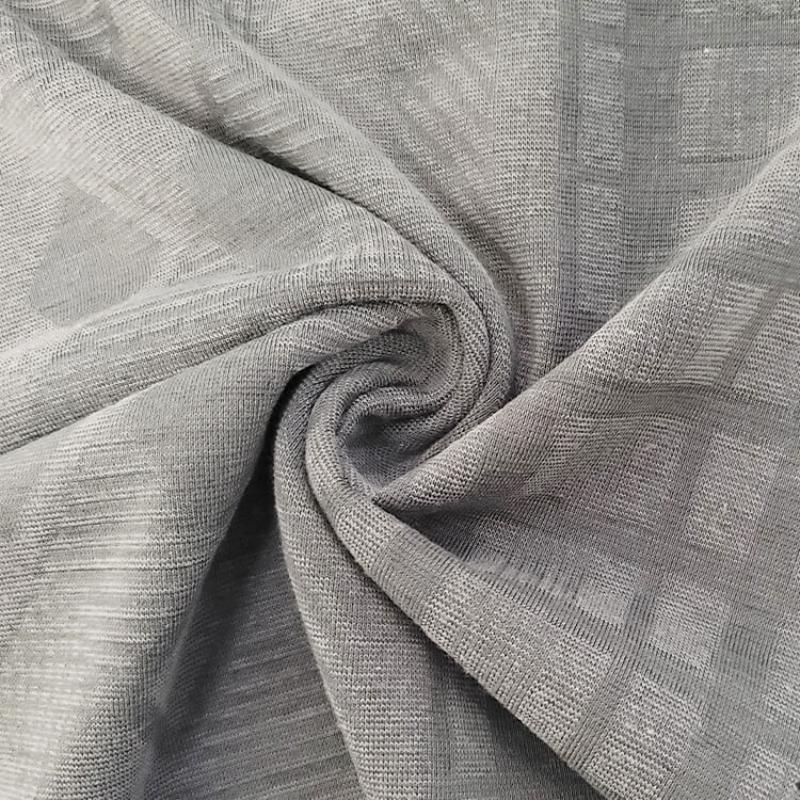
Damask, brocade, matelassé
Factories make different kinds of jacquard fabric. The main types are damask, brocade, and matelassé. Each type has its own look and feel. The material used changes how each fabric feels. Factories pick cotton, silk, or polyester for different needs.
| Fabric Type | Key Characteristics | Common Uses |
|---|---|---|
| Damask | Flat and smooth, can use both sides, one color | Tablecloths, nice clothes, home fabrics |
| Brocade | Raised patterns, thick, only one side, often flowers | Fancy clothes, party wear, curtains |
| Matelassé | Soft and puffy, looks like quilting | Bed covers, light curtains, clothing details |
Brocade uses thick fibers to look rich and raised. Damask uses thin threads for sharp, two-sided patterns. Matelassé mixes cotton or blends for a quilted look. The kind of jacquard depends on how it is woven and what fibers are used.
Characteristics from weaving
Jacquard weaving makes detailed patterns in the fabric. Factories use special looms for these designs. This gives jacquard a textured and rich feel. Patterns can be simple or bold, like flowers or shapes.
- Patterns are made by weaving, not printing, so they last longer.
- Jacquard fabric does not fade or pill easily.
- The weaving style lets makers use many materials, which changes how it feels.
Woven jacquard relies on interlaced yarn construction with limited stretch and excellent shape retention, ideal for upholstery and formal fashion. By contrast, loop-structured knitted fabrics offer high elasticity for sportswear and casual daily wear.
Common uses and care
Jacquard fabric is used in many ways. Suppliers offer custom choices for clothes, furniture, and home items. Fancy clothes, curtains, and decorations often use jacquard. Factories pick the material based on what the fabric will be used for. Cotton jacquard is good for bedding and everyday clothes. Silk jacquard is best for fancy fashion and home items. Polyester jacquard is strong and easy to clean, so it works well in busy places.
Tip: Always read the care label before washing jacquard.
- Use cold water and a gentle cycle if you wash it in a machine.
- Let it air dry and shape it while it is still damp.
- Iron on the back side with low heat.
- Vacuum furniture often and clean spills fast.
Delicate jacquard should be dry cleaned. Taking care of jacquard helps it last longer and look nice. Factories and buyers like jacquard because it is strong and can be used for many things.
Jacquard is special because its weaving makes patterns that last. Makers can use cotton, silk, wool, polyester, or blends for jacquard. Each fiber changes how jacquard feels and looks. Woven jacquard is strong and keeps its shape. Knitted fabrics are stretchy and soft. Knowing these things helps people pick the best jacquard for each job.
- Jacquard weaving makes designs that are strong and detailed.
- The material you pick changes how it feels, how heavy it is, and how you care for it.
- Woven jacquard is great for furniture and clothes that need to keep their shape.
- Knitted fabrics are better for sportswear and clothes that need to bend.
| Fabric Type | Stretch | Drape | Structure |
|---|---|---|---|
| Jacquard (woven) | Low | Crisp | Stable |
| Knitted | High | Soft | Flexible |
You should pick jacquard based on what you need and how you want it to look.
FAQ
What makes jacquard fabric different from printed fabric?
Jacquard fabric has patterns inside the material. Printed fabric shows designs only on top. Factories use looms to make jacquard. Printing machines make printed fabric.
Can manufacturers customize jacquard fabric for wholesale orders?
Yes. Suppliers and factories can make custom jacquard fabric. They change patterns, colors, and materials for big or special orders.
Is jacquard fabric suitable for upholstery and home decor?
Yes. Jacquard fabric is good for upholstery, curtains, and decorations. Its strong weave and detailed patterns make it a favorite for suppliers.