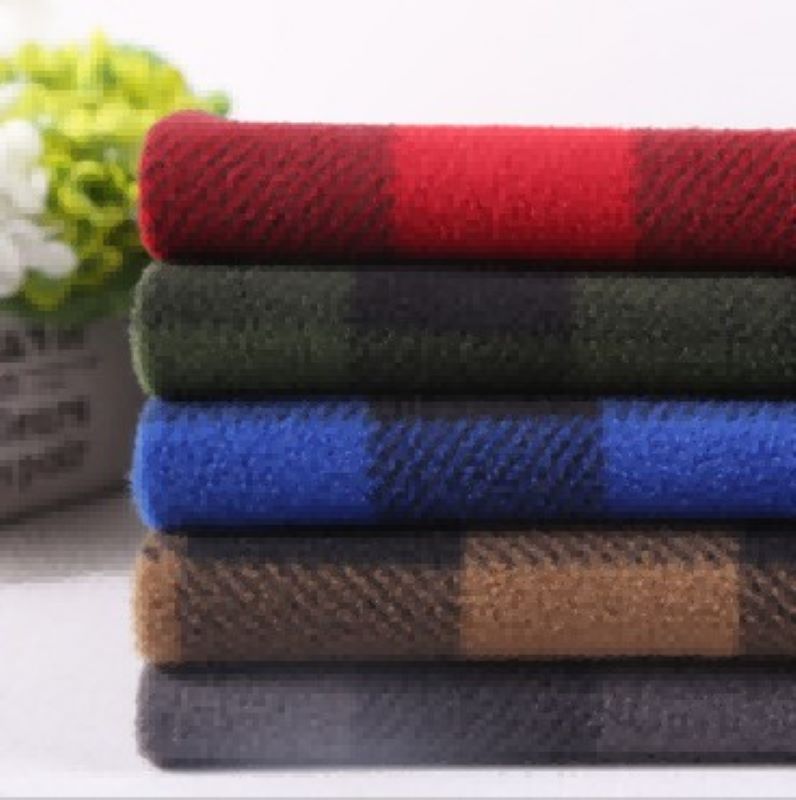
Fleece fabric can be printed on, and the process works well when the printer matches the method to the material.
Three questions come up most often: which side takes the ink, how a printer handles high-loft fleece, and what happens to the surface after calendering. The answers depend on the fabric’s structure. Single-sided fleece has one smooth face and one brushed face, while double-sided fleece carries pile on both sides. High-loft styles such as sherpa and teddy add extra thickness, and that thickness changes how ink sits on the surface.
Starke’s fleece fabrics take this further, offering print-friendly polar fleece, flannel fleece, and sherpa options alongside scuba, jersey, and bonded fabrics, with digital printing and custom design support from base fabric selection onward. This guide explains printing on fleece in plain language, covering the main methods and the practical steps that keep results clean, even on soft, fuzzy fleece.
Key Takeaways
- Match the printing method to the fleece type for best results.
- Print on the smooth side of single-sided fleece; double-sided fleece accepts either side.
- For high-loft fleece, print on the pile side and feed with the grain.
- Always test on a scrap piece before a full print run.
- Calendered fleece can be restored by washing, drying, and light brushing.
Printing on Fleece: The Methods

Digital printing, screen printing, DTF, and sublimation all work on fleece fabric. Texture and thickness make some methods harder than others. Fleece is not flat or even. Its loft, variation, and movement change how ink sits, how much detail the surface holds, and how the finished print feels.
Digital Printing and DTF
Digital printing on polar fleece is offered as a custom service. A manufacturer can send test prints or a swatch book of printed samples before a full wholesale order. This step lets buyers check color and hand feel on the actual fleece substrate.
DTF works well for detailed artwork on thick fabric. The transfer carries fine lines that direct printing can lose in the pile. A factory with in-house bonding and finishing can match the transfer to the fleece weight.
Screen Printing on Fleece
Thicker fabrics such as cotton fleece or dense knit blends give a solid base for screen printing on hoodies and sweatshirts. They support bold designs and larger prints while keeping comfort and structure. They also tend to hold prints well over time when paired with proper curing and aftercare.
Plastisol remains the most reliable choice for printing on fleece. It has enough body to rest on top of the fibers and keep bold, simple graphics visible. Because fleece compresses, stretches, and shifts during wear, a heavy ink layer becomes more noticeable over time. Prints that first felt balanced may later feel heavier than expected.
| Ink Type | Key Characteristic | Best Use Case |
|---|---|---|
| Plastisol | User-friendly, crisp and bright; sits as a thin layer on top of fabric | Most common choice for hoodies and fleece; low-bleed inks recommended for dark garments |
| Water-based | Softer hand feel; wicks into the fabric | When a soft, breathable print is desired |
| Discharge | Strips away garment pigment and replaces it | Darker fleece; poly content affects brightness and wash durability |
Low-viscosity ink helps on thick pile. A white underbase ink opens bright colors on dark fleece garments, and low-bleed inks control dye migration on polyester blends. Printers often run one hit per color on the press with no flashing in between to keep the hand soft. Textured or distressed artwork prints on the surface without fully going through thick fabric. Web sticky tack on the pallet holds the fabric in place, and pallet fur buildup is a common challenge to manage. The curing process needs lower temperatures with performance-fabric ink. Starke, a fleece supplier with its own knitting and dyeing plants, develops lab dips or swatches within 7 days for custom printed polar fleece programs.
Which Side of the Fleece Fabric
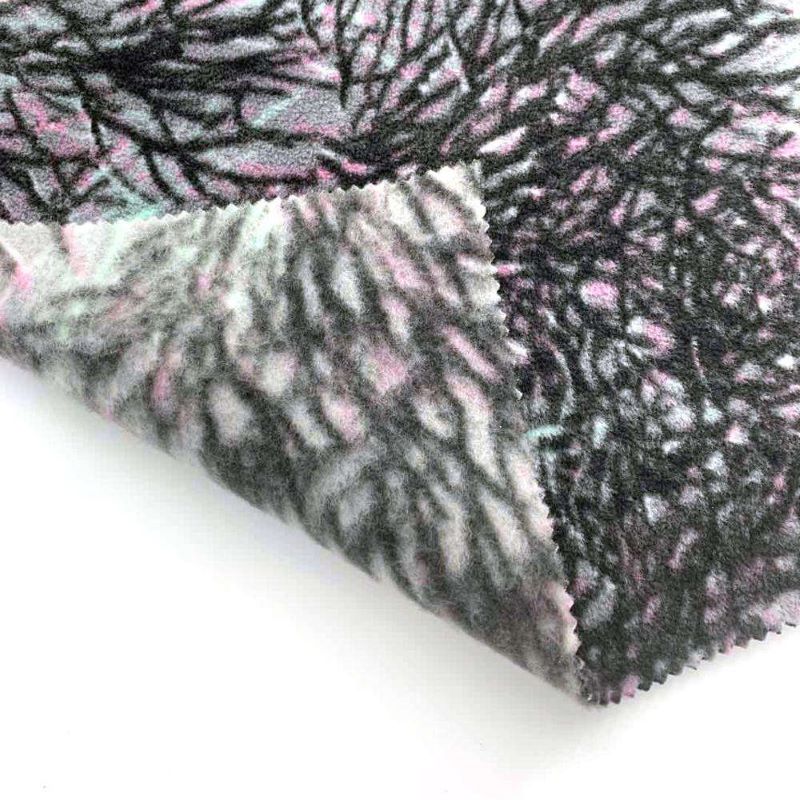
The general rule is simple. Single-sided fabric takes ink on the non-fleece side. Double-sided fabric accepts printing on either face.
Single-Sided Fleece
Single-sided styles carry pile on one face and a smooth, flat back on the other. The smooth side is the ink side. It holds ink evenly, keeps fine detail, and gives the printer a stable surface. The plush face stays untouched, so the finished garment keeps its soft hand where the wearer feels it.
Some constructions flip that logic. On single-sided minky, the plush, fuzzy face serves as the right side for display on blankets, clothing, and stuffed toys. The smooth backing stays hidden — sewn inward or lined with another fabric. A buyer sourcing this type should confirm the intended face with the supplier before placing a wholesale order.
| Characteristic | Which side to print or use |
|---|---|
| One side soft, plush, fuzzy (pile side); back smooth and flat | Plush side as the right side for display on blankets, clothing, stuffed toys |
| Non-plush smooth side meant to be hidden | Smooth backing sewn inward or lined; not the display side |
Print-ready varieties remove much of the guesswork. Anti-pill, anti-pill premium, and double-brushed blizzard fleece all arrive finished for decoration. A manufacturer treats these surfaces to resist fuzzing, so the face stays clean through the decoration process and through wear. Anti-pill finishes matter on high-use items. A pill-resistant face keeps graphics legible after repeated washing, which suits wholesale programs for uniforms and promotional wear.
Telling the faces apart takes seconds. The pile side looks deeper in color and feels softer under the thumb. The smooth side reflects light more evenly. Printers who skip this check risk laying ink into the pile, where detail sinks and edges blur. Pile direction adds a second check. Brushed fibers lean one way, and ink laid against the grain can look patchy. Printers who feed the fabric with the grain get a more even result.
Double-Sided Fleece
Double-sided fabric carries pile on both faces. Either side is fine. A shop can print on fleece from whichever face offers the better surface.
This flexibility helps on custom runs. A factory can orient the material to hide a minor flaw or match pile direction across a cut. The unused face still shows pile, so the garment reads as brushed on both sides. Double-brushed blizzard fleece belongs in this group. Both faces carry a brushed finish, so a shop can choose either one without losing the soft look.
Consistency matters more than the choice itself. Printers should keep the same face up across an entire run. Mixed orientation shows as tone variation under light, even when the ink batch stays identical.
Fleece substrates vary in loft and finish. A test print on scrap confirms how the fleece substrate takes ink before production. That habit protects the fleece fabric and the schedule. A quick check of the face, the grain, and a scrap sample settles the question before the run starts.
High-Loft Fleece and Sueded Fleece Screen Printing
High-loft styles change the rules for screen printing on fleece. Polar, sherpa, teddy, and coral all carry a deep pile that swallows thin ink layers. A printer who treats these fabrics like flat jersey will lose edge definition fast. The pile side is the print side for every high-loft style. That face carries the color and texture the finished garment shows, so ink belongs there.
Printing on the Pile Side
Screen printing suits polar fleece well. The method produces bold graphics, logos, and promotional designs with sharp edges, strong color adhesion, and durable prints for apparel and accessories. A manufacturer running a wholesale program can rely on that combination for repeat orders.
Pile direction deserves attention at the feed stage. Brushed fibers lean one way across the fleece fabric, and a print laid against the grain can look uneven under light. A printer who feeds the material with the grain gets a cleaner result. The same rule applies to every high-loft fleece substrate in the run.
Ink choice matters on deep pile. A low-viscosity ink flows around the fibers instead of sitting on top of them. A white underbase opens bright colors on dark grounds. Low-bleed ink controls dye migration on polyester blends during the curing process. The curing step itself needs lower temperatures with performance-fabric ink, so the pile does not scorch.
Sueded Fleece Screen Printing
Sueded fleece behaves differently from high pile. The sueded surface feels smooth and flat, almost like a brushed cotton face. That smoothness changes both ink selection and squeegee pressure. Sueded fleece screen printing rewards a lighter touch. Heavy pressure drives ink into the base fabric and muddies the hand.
A printer approaching sueded fleece should treat it closer to a flat knit than to sherpa. The sueded face holds fine detail that deep pile cannot. Standard plastisol works well here, and the smooth surface accepts a thinner ink deposit. Sueded fleece fabric also shows squeegee marks more readily, so consistent pressure across the screen matters.
Printing on sueded fleece still calls for a scrap test. The sueded face varies between lots, and a quick sample confirms how the fleece substrate takes ink before production starts. A supplier who knows the finish can advise on mesh count and ink viscosity for each order.
Both high-loft and sueded styles reward the same habit. Match the method to the face, watch the grain, and test before the full run. A factory that controls its own finishing can hold those variables steady across a custom program.
After Calendering: Washing and Drying
Why Fabrics Flatten
Calendering runs fabric between heated rollers under high pressure. The process follows a set order:
- The fabric is folded lengthwise with its face inside and stitched along the edges.
- It then goes between rollers at high heat and pressure.
- The rollers polish the surface, so the fabric becomes smoother, thinner, glossier and more shiny.
Double-sided and high-pile fleece may flatten after this step. Heat and pressure press the yarns down, close the gaps between them, and turn round yarns into flatter shapes. Moisture acts as a softener at about 15–19% content, so plant-based fibers bend under pressure instead of bouncing back. Synthetic fibers like polyester soften at the surface when heated and keep their new shape once cooled. A maker may also use carved or ridged rollers to press fine lines into the cloth. The result is a smoother, papery feel — not a damaged fabric.
Restoring the Fluff
The fluff comes back after washing and drying. A gentle brushing once the fleece is fully dry lifts the pile again. Light pressure at first avoids too much fluff and matting the fibers. Wool dryer balls help air move and cut static during the drying cycle. Not overloading the washer also limits rubbing and pilling, which keeps the surface even across fleece garments.
These habits protect the print too. A soft pile cushions the ink layer during washing, and gentle handling limits dye movement on blended styles. Buyers sourcing through a supplier can confirm care guidance before a wholesale order. A quick test on a scrap piece still makes sense before the first full run. Calendered fabric is not ruined — it just needs a wash, a dry, and a light brush to bring the softness back.
Three rules cover most jobs. Single-sided fleece takes ink on the smooth, non-fleece face. Double-sided fleece accepts either face. High-loft styles print on the pile side, with the grain running the same way through the feed.
Calendered fabric is not ruined. A wash, a dry, and a light brush bring the fluff back.
Good printing tips start with a scrap test. That sample shows how the surface takes ink before a full run. Match the method to the fabric type, and printing on fleece becomes a predictable step in production.
FAQ
Can a printer decorate fleece with heat transfer vinyl?
Yes. Heat transfer vinyl works on fleece, and the pile side accepts it well on high-loft styles. A printer applies lower heat and firm pressure so the vinyl bonds to the fibers. A scrap test confirms the setting before a full run.
Does the pile direction really change the finished print?
It does. Brushed fibers lean one way, and ink laid against the grain can look patchy under light. A printer who feeds the fabric with the grain gets a cleaner, more even result across the whole run.
Can a wholesale buyer request printed samples first?
Yes. Many suppliers offer test prints or a swatch book of printed samples before a full order. Starke develops lab dips or swatches within 7 days for custom printed polar fleece programs, so buyers can check color and hand feel first.
What ink works best on dark fleece?
A white underbase opens bright colors on dark grounds. Low-bleed ink then controls dye migration on polyester blends during curing. Together they keep graphics crisp and legible after repeated washing.
Do common questions about printing on fleece have one simple answer?
Most do. Match the method to the fabric face, watch the grain, and test on a scrap piece first. Those three habits cover single-sided, double-sided, and high-loft styles alike.