Neither French terry nor cotton fabric is the better choice. The right pick depends on what someone wants from a garment. A person shopping for a warm hoodie has a different need than someone looking for a cool t-shirt. That difference matters.
Comfort, warmth, breathability, and durability all play a role in this decision. Cotton holds more than 60% of the U.S. retail apparel and home furnishings market, according to the National Cotton Council. This fact shows its lasting appeal. Yet terry fabric offers special benefits for certain garments.
You should think about the season, the activity, and the feel they want. These factors guide the best choice.
Key Takeaways
- French terry and cotton are used for different things. Pick the one that fits what you need.
- French terry keeps you warm and holds its shape in cool weather. It works well for hoodies and joggers.
- Cotton is light and lets air through. It works well for summer clothes like t-shirts.
- Think about the time of year and what you will be doing before you buy. This helps you stay comfortable.
- Check the fabric weight and fiber content. Look for quality certifications.
What Is Terry Fabric?
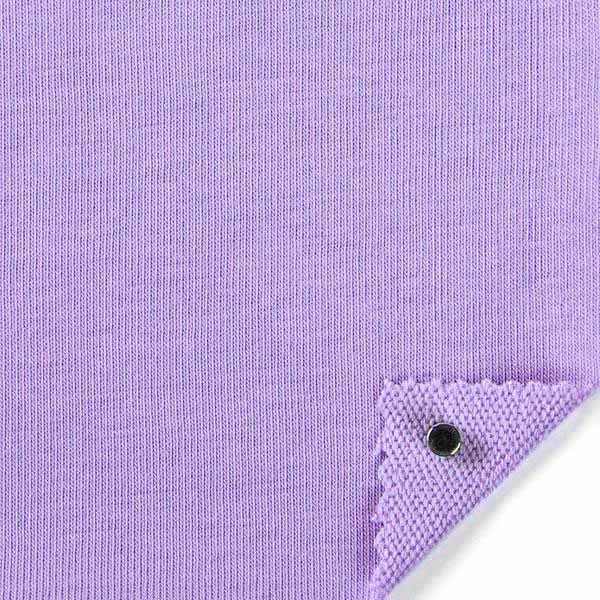
Terry fabric is a knit material with loops on one or both sides. French terry is a special kind. It has loops on one side and a smooth face on the other. This design makes french terry smoother and softer than regular terry cloth. Regular terry has loops on both sides, but french terry has loops on only one side. The smooth side is stretchier than regular terry.
The table below compares french terry with standard terry cloth:
| Aspect | French Terry | Standard Terry Cloth |
|---|---|---|
| Structure | Loops on one side, smooth reverse | Loops on both sides |
| Weight | Medium weight, versatile | Thicker and heavier |
| Breathability | Flexible and breathable | Less breathable |
| Absorbency | Moisture-absorbing | More absorbent |
| Best Use | Sportswear, loungewear | Towels, bathrobes |
The smooth outer side and loopback inside of french terry make it distinct. The loopback structure traps warmth but also lets air flow. Manufacturers make options in various weights for high‑quality clothes.
How French terry is made
Yarn selection comes first. Manufacturers choose cotton blends based on what the final product needs. A supplier offers options that can be changed to fit specific needs.
Knitting the fabric comes next. A circular machine forms loops on one side of the fabric. This loopback inside gives the fabric absorbency and texture. The smooth side has a clean finish for printing.
Loop formation follows. The knitting process creates the uncut loops of french terry. A manufacturer adjusts loop size and density to reach the desired weight.
Dyeing and finishing complete the process. Extra treatments make the fabric softer or more shrink‑resistant. A french terry fabric from a custom fabric maker ensures consistent quality.
Where you commonly see it
French terry cloth appears in many everyday clothes. Sweatshirts, hoodies, and sweatpants use this fabric. Loungewear and athleisure items benefit from the flexible loopback inside.
Wholesale buyers source french terry cotton for activewear collections. The loopback structure improves airflow during training. This fabric keeps its look after many washes.
Garment manufacturers buy french terry in bulk for seasonal lines. The fabric works well for cool‑weather layers. Wholesale suppliers offer different mixes to match garment types.
Custom fabric makers produce french terry with specific loop densities. This flexibility makes it a top choice for private‑label loungewear.
What Is Cotton?
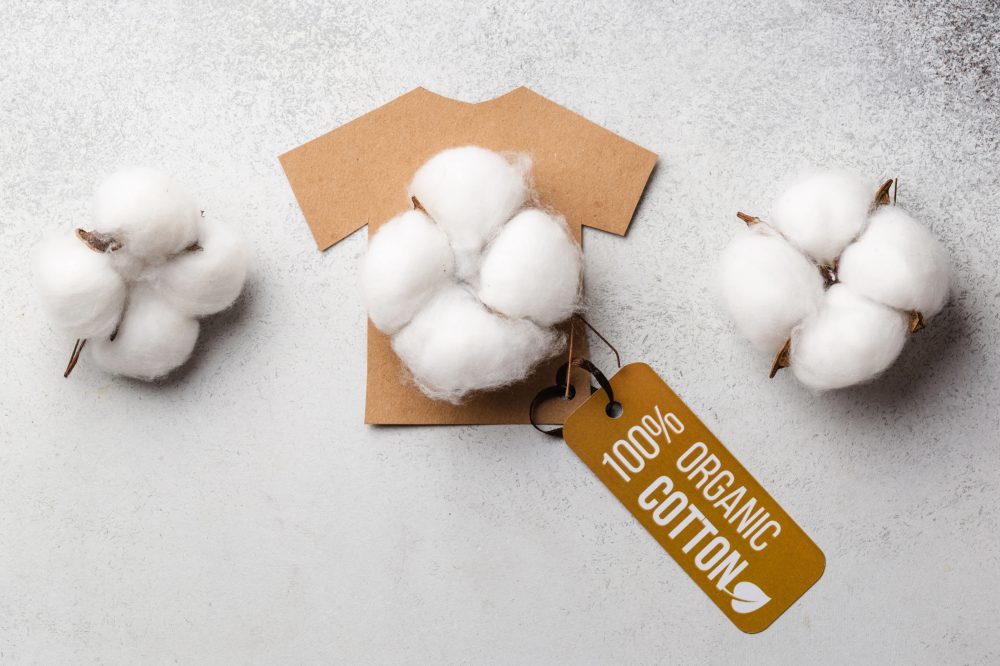
Cotton is a natural plant fiber picked from the seeds of cotton plants, where it grows in pods called bolls. Because it comes from a plant, cotton is made of cellulose and keeps its natural shape even after processing. This is unlike man-made fibers like rayon, which need a lot of chemical changes. Cotton fiber gives strength, lasting wear, comfort, temperature control, and works well for clothes, home items, and sports gear. Cotton also breaks down in nature much quicker than man-made fibers, no matter how it is finished or treated. Unlike synthetic fabrics that shed plastic microfibers, cotton fibers rot away and go back into the soil.
French terry cotton is usually made from all cotton or a mix of cotton and polyester. More cotton feels softer on the skin, while added polyester makes it last longer and shrink less. This mix matters for buyers who want both softness and long-lasting wear.
How cotton fabric is made
Making cotton fabric begins with picking, ginning, and cleaning. Saw gins or roller gins separate fibers from seeds, and roller gins are gentler on long-staple types. Carding and combing then straighten and line up fibers into a long strand called a sliver. Spinning pulls and twists those fibers into yarn, which decides the yarn’s strength, evenness, and feel. Weaving crosses warp and weft yarns on a loom, while knitting makes loops that give stretch and softness.
Finishing comes next. Singeing burns off loose fibers to make the surface smooth. Calendering runs the fabric between hot rollers to give it a shiny or raised pattern. Sanforizing shrinks the fabric in advance so it shrinks less when washed. Dyeing and printing add color. A wholesale supplier or factory handles these steps in bulk, and a company like STARKE runs its own knitting, dyeing, finishing, and bonding plants to keep quality steady.
Where you commonly see it
Cotton fabric is found in everyday clothes, jeans, and accessories. T-shirts, casual clothes, shirts, and linings use it. Jeans, jackets, skirts, dresses, and shirts use denim that is made from cotton. Jersey and muslin toiles are used for other fabric needs.
Buyers who need special weights, colors, or blends can ask a supplier for custom choices. A pure cotton jersey is good for summer tops, while a heavier pure cotton twill fits structured clothes. Custom sourcing lets brands pick cotton fabrics that match a garment’s use and season.
French Terry vs Cotton: Key Differences
Softness and comfort
Softness is often what a buyer notices first. French terry cloth feels smoother than regular terry cloth because its loops sit on just one side. The smooth face slides against the skin, while the loopback inside stays soft and plush. This double texture gives french terry a comfort edge over standard terry, which has loops on both sides and feels rougher.
Cotton jersey works differently. It is lighter and cooler against the body. A pure cotton t-shirt drapes softly, but it lacks the cushioning that french terry cotton provides. Buyers who want a cozy feel for hoodies or joggers often pick french terry. Buyers who want a light, airy feel for summer tops lean toward cotton jersey.
Weight matters here. A heavier french terry fabric has more weight than a typical jersey knit. That extra weight adds plushness. A wholesale supplier can confirm the exact weight before purchase. A manufacturer may also blend cotton with polyester to change the feel. More cotton means more softness. Added polyester improves durability and reduces shrinkage.
Warmth and breathability
Warmth clearly separates these fabrics. French terry is warmer than jersey cotton. The loopback structure traps air and holds body heat. Yet french terry stays lighter and more breathable than fleece. This middle ground makes it ideal for cool-weather layers. A buyer comparing french terry fabric vs cotton vs fleece will see that french terry sits between the two extremes.
Breathability matters just as much. Both fabrics breathe well when made from 100% cotton. Air passes through the fibers and helps control body temperature. Jersey cotton stays cooler and lighter, so it suits hot summer days. French terry cloth offers breathability with added warmth, so it works for spring and fall.
The table below summarizes the warmth and breathability trade-off:
| Aspect | French Terry | Cotton Jersey | Fleece |
|---|---|---|---|
| Warmth | Moderate to warm | Light | High |
| Breathability | Good | Excellent | Lower |
| Best Season | Spring, fall | Summer | Winter |
A buyer weighing french terry fabric vs cotton should think about the season first. Summer calls for cotton jersey. Transitional weather favors french terry. Winter often needs fleece. Each fabric serves a purpose.
A factory that runs its own knitting and finishing lines can change loop density and weight. This control lets a supplier deliver french terry cloth, cotton and fleece fabric options that match specific garment needs. A custom fabric maker can also adjust the cotton-to-polyester ratio. That flexibility helps brands find the right balance of warmth and breathability for their target market.
In short, softness favors french terry for cozy wear. Coolness favors cotton for hot days. Warmth and breathability depend on the blend and the weight. A buyer who checks both factors will choose wisely.
French Terry vs Jersey Cotton
Weight and drape
Fabric weight shapes how a garment feels and moves. French terry typically falls between 200 and 270 g/m², with popular examples at 250 g/m². Jersey cotton is much lighter, often cited at 100–150 GSM for hot-weather training tops. This gap explains why the two fabrics behave so differently.
A wholesale supplier groups fabric into weight classes. Lightweight runs 180–220 GSM. Mid-weight covers 230–280 GSM. Heavyweight starts at 300 GSM and can reach 400 or more. French terry sits mostly in the mid-weight zone. Jersey stays in the lightweight range.
Drape follows weight. A 220–280 GSM french terry creates a soft hoodie that hangs closer to the body. A 280–320 GSM knit suits everyday transitional hoodies. Premium midweight and winter hoodies use 320–380 GSM. Heavyweight french terry at 380–450 GSM gives streetwear a boxy shape. Fabrics above 450 GSM feel very structured.
Jersey works differently. Its single-needle knit produces a lightweight, flexible fabric. Jersey conforms gently to the body and drapes in a flowing way. French terry’s looped interior adds texture and moderate warmth. That looped build creates more structure and less fluid drape. A manufacturer can adjust knit density and finishing to fine-tune both qualities.
Weight alone does not tell the full story. A denser 420 GSM fabric can create a boxy silhouette. A softer 280 GSM knit may drape closer to the body. Buyers should assess GSM together with knit density, composition, and finishing. A custom fabric maker can balance these factors for a specific garment.
Best seasonal fit
Season drives the choice between these two fabrics. Jersey cotton is lighter and cooler. It suits summer tops and base layers. A pure cotton jersey t-shirt keeps the wearer comfortable on hot days. The fabric moves with the body and dries quickly.
French terry serves transitional weather. A 240–280 GSM french terry works for lighter summer hoodies. A 280–350 GSM french terry is a common premium range for spring and fall. A 350–400 GSM version provides more structure for cooler days. A heavier french terry delivers maximum warmth and heft for cold-weather layering.
Can someone wear french terry in summer? Yes, if the fabric is lightweight and made from 100% cotton. A 100% cotton french terry at the lower end of the weight range breathes well. It may still feel too warm for hot weather. Jersey remains the safer pick for high heat.
Buyers weighing french terry vs jersey cotton should match fabric to season. Summer calls for jersey. Spring and fall favor french terry. A factory that runs its own knitting and finishing lines can produce both options at consistent quality. A supplier can also adjust the cotton-to-polyester ratio. That flexibility helps brands serve different markets with one production partner.
Durability and Moisture Handling
How each fabric holds up over time
Cotton fabric often breaks down after many washes. Over time, the fibers wear out. Holes can show up in thin spots. Colors fade with repeated cleaning. French terry keeps its shape better over the same number of washes. The loopback structure gives the fabric more strength. A manufacturer can prove this difference with standard testing.
Terry cloth soaks up more moisture than french terry. The loops on both sides of terry cloth give more surface area to take in water. This makes terry cloth better for towels and bathrobes. French terry cloth has a single-sided loopback inside. This design lowers absorbency but adds stretch. A wholesale supplier often suggests french terry for clothes that need comfort and movement.
French terry works well for active lifestyles. The fabric bends and stretches with the body. It resists getting crushed while worn. A supplier can change the cotton-to-polyester ratio to make it last longer. More polyester means longer wear. A factory that runs its own knitting and finishing lines can make steady quality across large orders.
Moisture wicking and drying speed
Moisture handling sets these fabrics apart in real ways. Cotton-rich french terry takes in moisture well. But it tends to stay damp longer. Cotton traps water inside its fibers. A wearer may feel clammy after hard activity. Polyester takes in less moisture into the fiber. It can dry faster instead. Good wicking still depends on yarn engineering, fabric construction, and lasting finishing.
Drying time matters for buyers who compare fabrics. The table below shows indoor hang-dry results:
| Fabric | Drying Time (indoor hang-dry) |
|---|---|
| Cotton French Terry | Still damp after 5 hours |
| Polyester Fleece | Dry to the touch in 3 hours |
A buyer should compare drying time along with cling when wet, odor retention, and moisture transport after repeated washing. Finishes may break down over many care cycles. A custom fabric maker can help brands pick the right blend for their climate and use case. French terry stays breathable and flexible. These traits keep it popular for sportswear and loungewear. A supplier who tests moisture performance helps buyers avoid returns and unhappy customers.
Best Uses for French Terry Fabric
Hoodies, sweatshirts, and joggers
French terry is the main material for cozy clothes. Hoodies, sweatshirts, and joggers use this fabric a lot. The breathable loopback inside helps air move during activity. The ability to soak up sweat handles moisture well. These features help the wearer stay cool during exercise. A maker like STARKE makes french terry in different weights. A lighter type works great for spring. A heavy french terry gives more shape for winter joggers. Wholesale buyers can ask for custom mixed fabrics. French terry hoodies go well with jeans and sneakers. They work for doing errands or walking around town. They show up in many season lines. Many wholesale buyers order french terry hoodies in large amounts for their brand. The fabric gives comfort with a nice shape. It does not get fuzzy after many washes. This cloth works well for yoga and gym workouts. The looped design keeps the wearer comfy while moving.
Loungewear and cool-weather layers
Loungewear collections get help from the special design of this fabric. Jogger sets give softness but look neat. This balance fits working from home. Video meetings and creative projects work fine in this fabric. The look switches from work to casual easily. Travelers like french terry because it does not wrinkle. A french terry cardigan gives warmth but is not bulky during long flights. The softness makes every wear comfy.
Cool-weather layers use french terry for its mid-weight design. The fabric is lighter than fleece. It stays more breathable than fleece during activity. A french terry hoodie or sweatshirt offers warmth for spring and fall. A heavier french terry gives the most warmth for colder days. A french terry fabric hoodie material works well for activewear. Wholesale suppliers provide bulk amounts. The loopback structure traps warmth but lets air flow. This dual job makes french terry great for active lifestyles. The fabric stays soft wash after wash. Evening events also suit french terry. A blazer made from this fabric adds a surprise touch of class. It goes with tailored trousers for a modern look. Smart-casual gatherings benefit from this neat appearance. Buyers choose french terry for its long-lasting comfort and style.
Best Uses for Cotton
T-shirts, shirts, and summer wear
Cotton is a great pick for clothes worn in warm weather. A 100% cotton jersey t-shirt keeps the body cool because natural fibers let air move through. Shirts made from lightweight cotton fabric also work well in summer. The material takes in moisture and helps the skin stay dry all day long. Many brands pick this fiber for summer collections because of these good points. A wholesale buyer can ask a supplier for custom colors and finishes.
A supplier like STARKE makes high-quality cotton jersey for manufacturers. The material comes in different weights to fit different garment types. Lightweight options at 150 GSM work for summer tops. Heavier versions at 200 GSM suit structured shirts. Wholesale buyers can order custom blends with specific colors and finishes. A factory that runs its own knitting and finishing lines can give steady quality across large seasonal orders.
Everyday t-shirts and casual dresses gain from the soft feel. Scarves and beanies also use this fabric because it breathes well. The material does not trap heat against the skin. It gives comfort all day long in warm conditions. A factory that controls the whole production process ensures steady quality for every batch. A custom fabric maker can also change the weight and texture.
Everyday basics and breathable comfort
This natural fiber leads everyday basics because it breathes so well. Lightweight pajamas and sleepwear use 100% cotton jersey for comfort at night. The fabric moves with the body during sleep. It does not stick to the skin. Baby onesies and children’s apparel depend on this material for the same reasons. Parents pick cotton for its softness and safety. A manufacturer can order custom blends from a trusted supplier.
Yoga pants and casual sportswear also use cotton jersey. The fabric gives stretch and good airflow during activity. Undergarments and loungewear put comfort before warmth. Cotton fabric gives that balance just right. A manufacturer looking for reliable basics can source from a custom fabric maker. STARKE offers options for different garment types. The factory can adjust GSM and blend ratios to match each product’s needs. A supplier can make fabric in bulk for large brand orders.
Breathability makes this material the right choice for base layers. A t-shirt worn under a jacket keeps the wearer from getting too hot in cooler weather. Buyers should check the fabric content before placing an order. Higher cotton percentages give better breathability. A supplier can provide test data to confirm performance for each product line. This helps brands pick the right material for their target market.
Which Fabric Should You Choose?
Matching fabric to your needs
The best fabric depends on what you want the clothing to do. French terry gives warmth, shape, and comfort in cool weather. It works well for hoodies, sweatshirts, and joggers in spring and fall. Jersey cotton is light, lets air flow, and is good for summer. It works best for t-shirts and basic clothes. Each fabric has its own place in a seasonal wardrobe.
The table below compares key factors:
| Factor | French Terry | Jersey Cotton |
|---|---|---|
| Drape & Movement | Structured; shapes the silhouette | Soft, fluid; follows the body naturally |
| Warmth | Warmer due to loopback interior | Cooler and lighter for base layers |
| Breathability | Breathable, especially 100% cotton | Breathes well; stays cooler |
| GSM / Weight | Handles high GSM | Heavyweight jersey gives structure at 300gsm |
| Best Use Cases | Hoodies, sweatshirts, sweatpants | T-shirts and everyday basics |
| Premium Positioning | Holds shape and ages well | Substantial feel and intentional silhouette |
Customization potential also matters. Both fabrics take screen printing, heat transfers, and embroidery well. French terry’s smooth outer side supports sharp designs. Jersey’s flat surface gives lasting results. A wholesale buyer can ask for specific blends from a factory that controls the whole making process. Price should not be the only thought. Matching fabric to the customer matters more than saving a little per piece.
Practical buying tips
A few signs can help you check fabric quality before buying. First, look at fabric weight (GSM). Higher GSM means thicker, warmer fabric. Lower GSM gives light fabric that breathes. French terry sweatshirts are usually 260-300 GSM. Below 240 GSM feels like a light shirt. A maker can change the GSM to fit the clothing’s needs.
Fiber content comes next. A 100% cotton blend lets the most air through. A cotton-polyester blend lasts longer and shrinks less. Many top sellers offer organic cotton or recycled fibers. Labels like OEKO-TEX and GOTS mean fewer chemicals and fair work. A supplier like STARKE has GRS and OEKO-TEX 100 certifications for green practices.
Sampling is important before ordering in bulk. A factory can make custom samples in days. Check the weight, feel, stretch, and how well it takes prints. This helps avoid costly mistakes. Seam quality and shape hold also show how long the item will last. Strong stitching and reinforced weak spots mean better build. A garment should keep its shape after washing. A wholesale supplier can give test data so buyers can compare choices fairly.
French terry and cotton fabric each do well in different jobs. French terry is best for warmth, shape, and comfort in cool weather. Cotton jersey is best for being light, letting air through, and summer wear. Neither fabric is better in every way. The right pick depends on what you need.
Shoppers should think about four things before choosing: warmth, breathability, durability, and the type of garment. A maker or supplier can confirm fabric weight and fiber content. A short checklist helps. Does the wearer need to stay warm or cool? Will the item be washed a lot? What season will it be worn in?
The best fabric is the one that fits the wearer’s daily life. That choice is up to the buyer.
FAQ
Is French terry warmer than cotton?
French terry holds more body heat than jersey cotton. The loopback inside keeps air close to the skin. A light version still lets air flow in mild weather. Jersey cotton stays cooler and lighter, so it works better on hot days. A buyer chooses based on the season and what they will do.
Does French terry shrink after washing?
Shrinkage depends on the fiber blend and the finishing process. A 100% cotton version may shrink more than a cotton-poly blend. Polyester adds stability and lowers movement in the wash. A manufacturer can sanforize the fabric ahead of time. A supplier should confirm shrinkage data before a wholesale order ships.
Can someone wear French terry in summer?
Yes, if the weight is right. A lightweight, 100% cotton French terry breathes well enough for mild summer days. Heavier versions hold too much warmth for high heat. Jersey cotton stays the safer pick when temperatures climb. A custom fabric maker can adjust loop density for warmer climates.
Which fabric lasts longer?
French terry usually keeps its shape better over many washes. The looped structure adds strength and resists crushing. Jersey cotton tends to thin and fade with repeated cleaning. A cotton-poly blend makes durability even better. Buyers should check fabric weight and fiber content before ordering.
What should a buyer check before purchasing?
Three things matter most. First, fabric weight in GSM, since it shows warmth and structure. Second, fiber content, because more cotton means a softer feel and better breathability. Third, certifications such as OEKO-TEX 100 or GRS. A factory that controls knitting, dyeing, and finishing gives steadier quality across bulk orders.

.jpg)