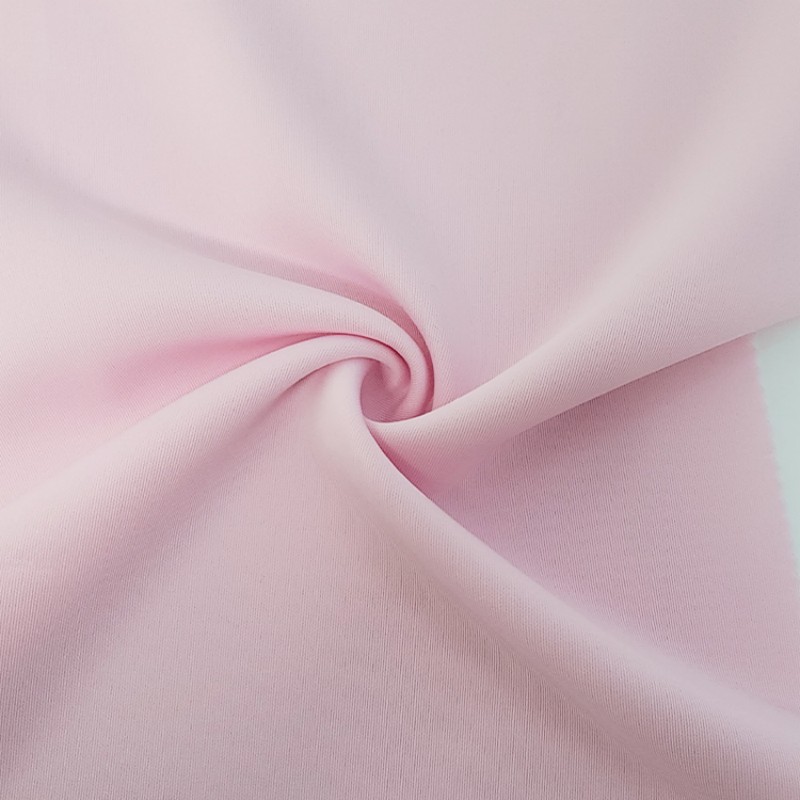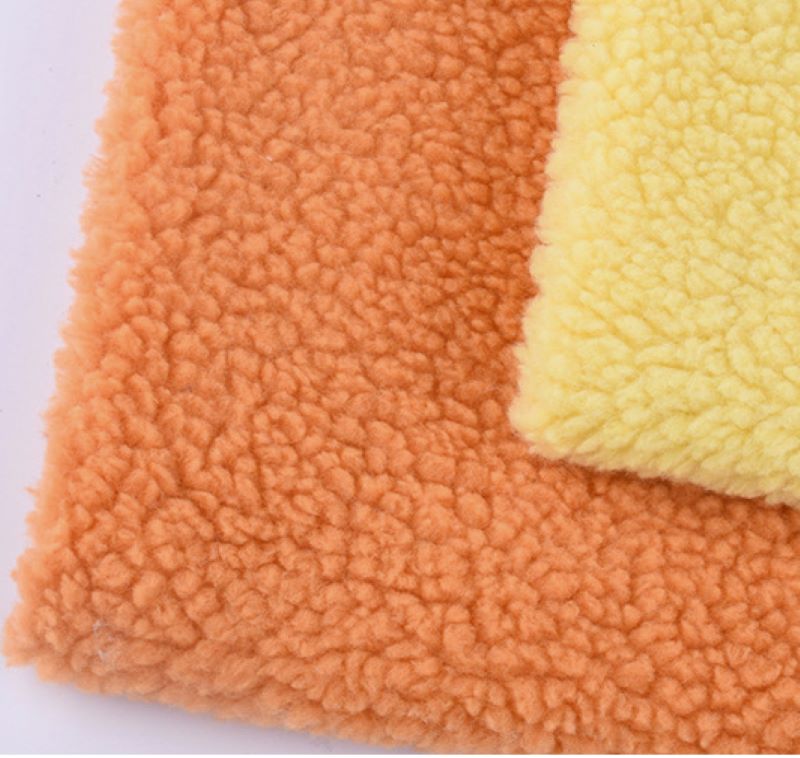
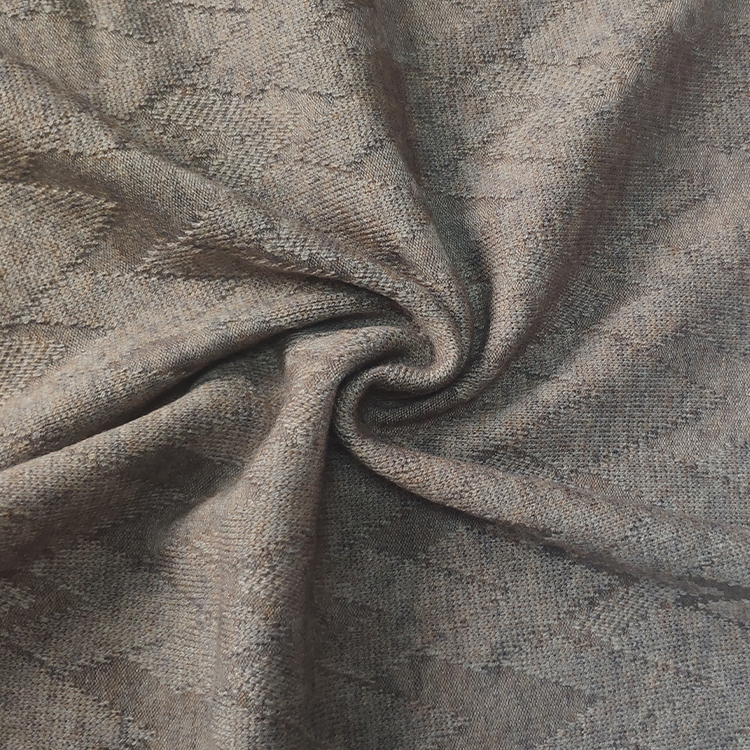
Jacquard fabrics vary widely in quality depending on base yarn and weaving density, well-liked across apparel and home textile sectors for integrated woven-in patterns. Most standard-grade jacquard features solid construction with long-lasting inlaid patterns, yet texture, softness, wrinkle resistance and seasonal suitability differ drastically between cotton, silk and synthetic blends. These varied properties decide their applicable scenarios for fashion wear and home furnishings.
Key Takeaways
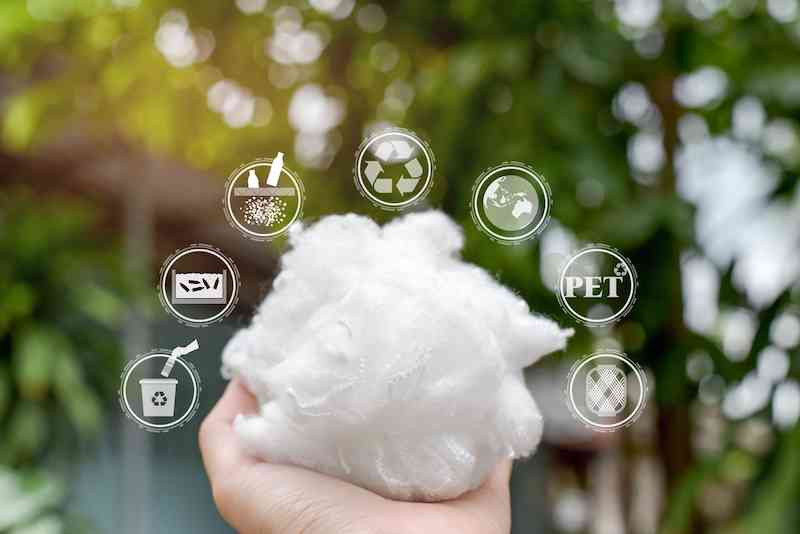
- Jacquard fabrics are strong and durable, making them ideal for clothing and home furnishings intended for long-term use. Special weaving techniques give the fabrics beautiful patterns that are resistant to fading and wear. Starke’s jacquard fabrics are environmentally friendly, using recycled materials and adhering strictly to safety regulations. Jacquard fabrics come in a wide variety, including cotton and silk. Each fabric has its unique texture and look, suitable for different projects. Proper care of jacquard fabrics can extend their lifespan. Good storage methods can also help maintain their beauty.
Jacquard fabric overview
What is Jacquard Fabric?
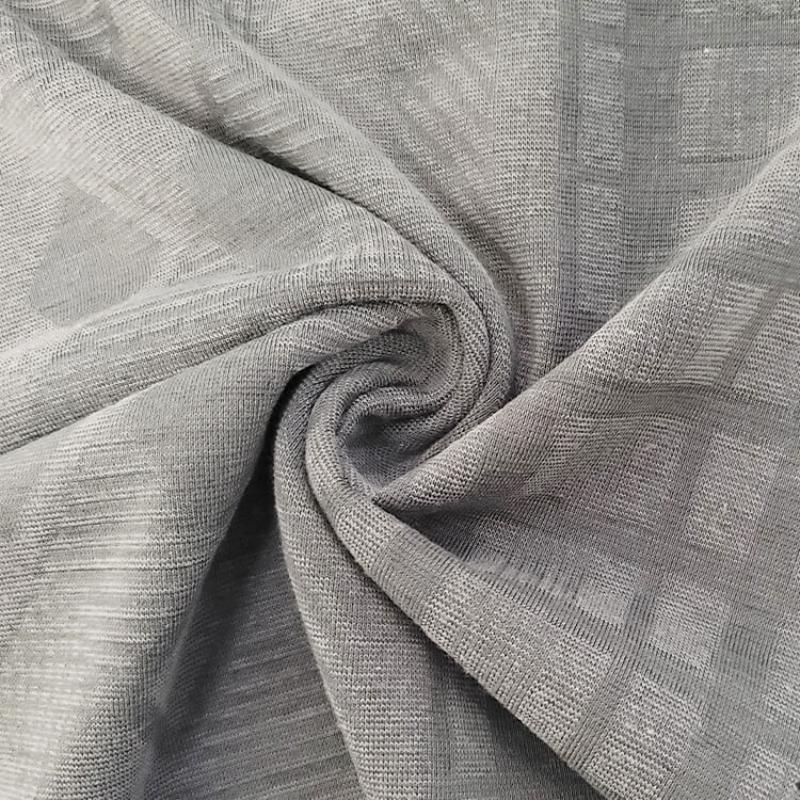
Jacquard refers to fabric with patterns woven directly into the textile structure instead of post-printing, with inconsistent performance across different fiber variants. Its core features vary by composition:
- High-density woven jacquard delivers good tensile strength and deformation resistance, hard to tear under daily wear; low-density cheap jacquard is prone to loose yarn and abrasion.
- Wrinkle performance differs: pure cotton jacquard wrinkles easily, polyester blended and silk jacquard deliver better wrinkle recovery.
- Handfeel ranges greatly: lightweight silk and fine cotton jacquard feel soft; thick upholstery-grade jacquard is stiff and structured.The diversified texture and patterned look make jacquard widely applied in fashion apparel and home upholstery. Most mainstream suppliers support customized pattern, color and fabric weight options for customized production.
Jacquard Weaving Technology
Jacquard loom integrates patterns into the fabric base during weaving instead of surface printing. Fabric durability is determined by yarn grade and weaving tightness rather than weaving type alone: premium cotton or high-count polyester yarn paired with tight weave improves durability, while coarse low-cost raw materials produce fragile jacquard prone to loose threads. Formal qualified textile producers obtain standard safety and eco textile certifications to comply with global production requirements.
Key qualities of jacquard fabric
Durability and Strength
High-quality jacquard with tight weaving boasts outstanding wear resistance and shape retention after repeated washing, suitable for high-frequency use such as upholstery and daily curtains. In contrast, low-density jacquard with loose weave is susceptible to yarn slipping and surface abrasion after long-term friction. Many qualified textile manufacturers source certified recycled yarns and hold OEKO-TEX 100 or GRS credentials to meet sustainable production and safety norms.
Texture and Appearance
Jacquard fabrics possess a unique look and feel. Their unique weaving method allows manufacturers to create intricate jacquard patterns and designs. These patterns are not simply printed on the fabric surface. They are woven into the fabric, giving it a rich and layered appearance.
- Jacquard fabrics feature exquisite patterns, such as flowers and various shapes.
- Their surface typically has a textured feel.
- Special yarns make each piece of jacquard fabric unique.
- Depending on the yarn, the fabric can feel smooth, soft, or stiff.
- Jacquard patterns are more appealing than printed patterns.
People generally prefer jacquard fabrics over other luxurious fabrics, especially in formal rooms. The sophisticated design and beautiful appearance make jacquard fabrics a top choice for those who want to showcase their fashionable taste in home furnishings or clothing.
Fade-resistant and durable
Jacquard fabrics are not prone to fading or abrasion. Even after repeated use, the woven patterns remain vibrant and clear. This makes jacquard fabric a wise choice for items that need to maintain their beauty for a long time.
- Jacquard fabrics are resistant to abrasion and do not easily fade.
- Even in high-traffic areas, this fabric is not easily damaged.
- Many people choose jacquard fabrics for sofas and curtains because of their durability and resistance to fading.
Eco-oriented jacquard production can cut down auxiliary chemical consumption and water waste compared with full-print fabrics, depending on factory’s production processes. The table below lists some of the environmental benefits:
| Environmental Benefit | Description |
|---|---|
| Water Usage Reduction | Jacquard making saves water, especially with water jet looms. |
| Chemical Load Reduction | No need for chemical binders, so less VOCs. |
| Enhanced Durability | Clothes last longer, so there is less waste. |
| Energy Efficiency | Jacquard looms use more energy but skip high-energy printing. |
Types of jacquard fabric
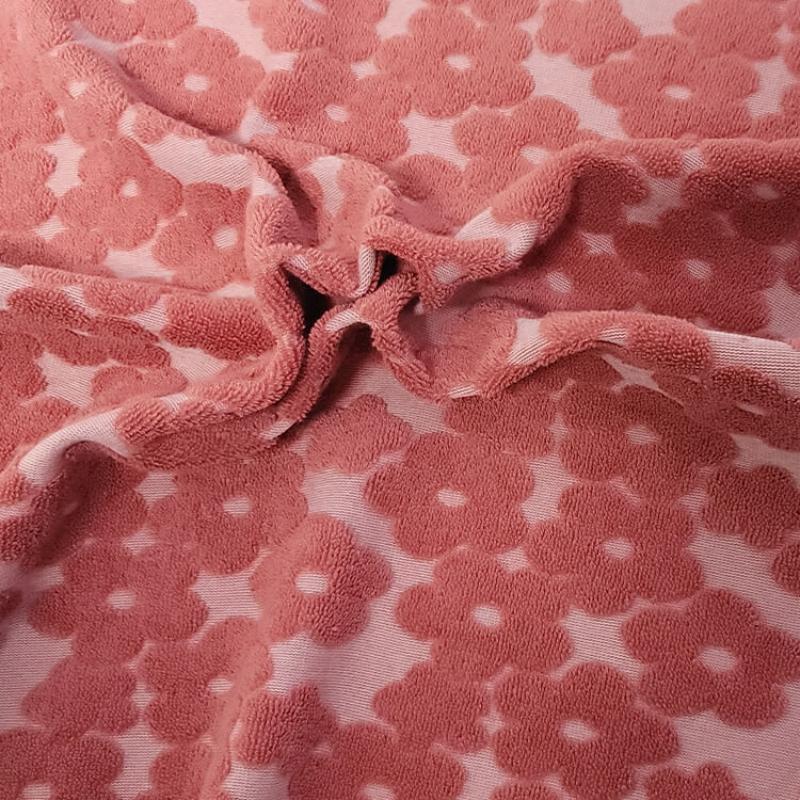
Jacquard fabrics come in a wide variety, each with its own unique feel and appearance. People choose jacquard fabrics to make clothing, home furnishings, or specialty crafts. There are three main types: cotton jacquard, silk jacquard, and synthetic fiber or blended jacquard.
Cotton Jacquard
Cotton jacquard is soft yet strong, comfortable to the touch, and breathable. Many people use it to make everyday clothing and home furnishings. This fabric is ideal for tablecloths, curtains, and bedding. Cotton jacquard is easy to wash and durable. It absorbs sweat well, keeping you cool even in hot weather. Many households choose cotton jacquard because it is affordable and comfortable against the skin.
Silk Jacquard
Silk jacquard has a bright sheen and a smooth feel. This fabric looks elegant and is soft against the skin. Silk jacquard is often used to make dresses, suits, and scarves, and is also frequently used in high-end curtains and furniture. Silk jacquard is less likely to cause allergies and is breathable. Many designers love silk jacquard fabric because of its vibrant colors and exquisite patterns. This fabric can make any piece look high-end and sophisticated.
| Fabric Type | Quality Characteristics | Common Applications |
|---|---|---|
| Cotton jacquard | Cheap, useful, soft, strong, airy, and soaks up water. | Daily clothes, home things like tablecloths. |
| Silk jacquard | Fancy, smooth, soft, shiny, airy, and safe for skin. | Fancy clothes, curtains, and furniture. |
| Synthetic jacquard | Often costs less, can look like real fibers, but may not let air through. | Used in cheap clothes and home items. |
Synthetic Jacquard and Blended Jacquard
Synthetic and blended jacquard fabrics are made from materials such as polyester or blended fibers. These jacquard fabrics look similar to cotton or silk but are much cheaper. Synthetic jacquard fabrics are strong, durable, and wrinkle-resistant, making them commonly used for inexpensive clothing and home furnishings. Blended jacquard fabrics, on the other hand, improve performance by mixing different fibers, making them more elastic and easier to clean. Blended jacquard fabrics are versatile and can be used to make clothing or furniture.
Many jacquard fabrics are available on the market. Some popular brands include The Fabric Exchange, Eroica, and Fashion Fabrics Club. These fabrics come in various sizes and styles and can be used to make scarves, dresses, and home furnishings.
Best Jacquard Fabrics for Different Purposes
Fashion Apparel
Designers often choose jacquard fabrics when designing clothing to create an eye-catching effect. Jacquard fabrics can make garments look more refined and showcase rich pattern details. Many top brands use jacquard fabrics to make evening gowns and formal wear. The unique weave of jacquard fabrics makes each piece distinctive and adds texture. Jacquard fabrics are popular for special occasions because they look stylish and elegant. The best jacquard fabrics for fashion include:
- Fabrics with intricate weave patterns and rich textures
- Lightweight jacquard fabrics, suitable for dresses and shirts
- Heavy jacquard fabrics, suitable for jackets and suits
- Custom jacquard fabrics for creating unique designer garments
These options help designers create clothing that is both comfortable and beautiful.thes that feel special and look great.
Home Decor and Interior Design
Jacquard fabrics are best suited for home decor, being durable and aesthetically pleasing. Jacquard fabrics are long-lasting and ideal for making a variety of home goods. People use jacquard fabrics to make curtains, cushions, and furniture covers. The plain weave pattern gives the fabric a smooth surface, suitable for everyday use. Jacquard fabrics are less expensive than brocade but look just as beautiful. Many homes choose jacquard fabrics to decorate casual or formal rooms. Jacquard fabrics best suited for home décor include:
- Durable jacquard fabrics for sofas and chairs
- Soft and comfortable jacquard fabrics for cushions and bedding
- Richly patterned jacquard fabrics for curtains and tablecloths
- These fabrics retain their color and shape even after multiple uses.Specialty items
Featured Products
Many feature products utilize jacquard fabrics because of their distinctive feel and appearance. The table below lists some common uses:
| Specialty Item | Description |
|---|---|
| Decorative Textiles | Adds visual interest with unique texture |
| Fashion & Apparel | Gives clothing a distinctive look and feel |
| Upholstery & Furniture | Enhances both the look and touch of furniture |
| Wall Coverings | Creates a special character for walls |
Comparing jacquard fabric to other fabrics
Jacquard Fabrics vs. Printed Fabrics
Jacquard and printed fabrics are not the same. Jacquard patterns are woven into the fabric, making the pattern an integral part of the fabric. Printed fabrics, on the other hand, have the pattern printed onto the surface after the fabric is manufactured. These printed patterns may fade or peel off after washing. Jacquard fabrics, however, maintain their appearance for a long time, and the pattern is less prone to fading or wear. People choose jacquard fabrics for items that require durability, such as furniture and clothing.
Jacquard Fabrics vs. Plain Weave Fabrics
Jacquard and plain weave fabrics differ in touch and appearance. Jacquard fabrics display intricate patterns and look more luxurious. This weaving technique gives the fabric a unique texture. Plain weave fabrics have simple patterns with less detail and look rather plain.
Jacquard fabrics are also stronger and more durable than plain weave fabrics. Their unique structure distributes stress across multiple yarns, effectively preventing tearing or abrasion. Jacquard Oxford cloth is more durable and more resistant to damage than plain weave fabric. People choose jacquard fabrics because they are both stylish and durable.
| Feature | Jacquard Fabric | Plain Weave Fabric |
|---|---|---|
| Pattern | Detailed, woven in | Simple, basic |
| Texture | Rich, often raised | Flat, smooth |
| Durability | High, resists wear | Moderate, can fray |
| Visual Appeal | Luxurious, eye-catching | Simple, less decorative |
Jacquard vs Brocade
Brocade typically uses thicker metallic or fancy filament yarns for prominent raised ornate motifs, heavier and stiffer overall, mostly for luxury formal decoration and couture; common jacquard uses regular cotton/polyester/silk yarns, with varied weight from ultra-light summer cloth to thick upholstery fabric, softer options exist for daily apparel. Brocade costs higher than most conventional jacquard due to complex yarn and weaving cost.
Caring for jacquard fabric
Cleaning and maintenance
Taking care of jacquard fabric helps it last longer. It also keeps the fabric looking nice. The way you clean jacquard depends on what it is made of. Cotton and silk jacquard need gentle care. Synthetic jacquard is tougher and can handle more washing. Experts say to follow these steps when cleaning:
- Always read the care label before you wash. The label tells you how to clean each type of fabric.
- Wash with cold water and a gentle soap. Use the gentle cycle on your machine or wash by hand.
- Lay the fabric flat on a towel to dry. Do not use a dryer because heat can hurt the fibers.
- Iron the fabric on the back side with low heat. Put a cloth between the iron and the fabric to keep it safe.
- Clean up spills right away. Use a soft soap and water to spot clean.
- Do not use rough brushes or scrubbers. Use a soft cloth or sponge instead.
If you take care of jacquard fabric, it will last longer. Natural fibers like cotton and silk need more gentle cleaning. Synthetic fibers can be washed more often. Good care keeps jacquard strong and helps it keep its color and shape.
Storage tips
Storing jacquard fabric the right way keeps it from fading or getting creased. It also stops damage. Experts say to follow these tips:
- Use acid-free tissue paper or boxes to stop yellowing.
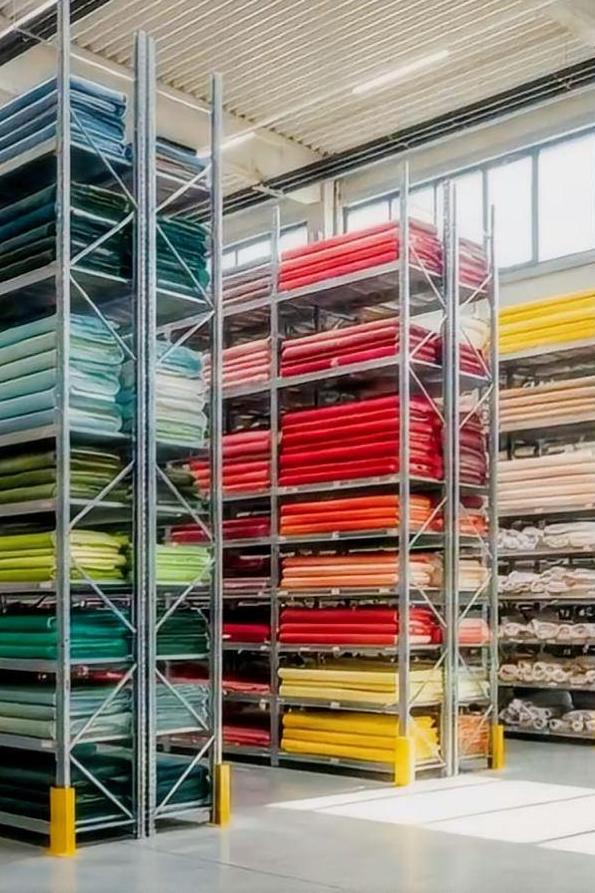
- Fold or roll the fabric so it does not get deep creases. For big pieces, roll them on a cardboard tube and stand them up.
- Keep the fabric in a cool, dry place with air flow. The best temperature is 60°F to 70°F. Humidity should be between 40% and 50%.
- Store the fabric in a dark place, away from sunlight or bright lights.
- Use containers that let air in to stop moisture.
- Check the fabric often for damage or bugs.
| Storage Practice | Benefit |
|---|---|
| Acid-free materials | Stops yellowing and damage |
| Cool, dry environment | Helps stop mold and fading |
| Proper folding/rolling | Stops creases and wrinkles |
| Dark storage | Keeps color and patterns safe |
Jacquard spans diverse grades from affordable daily textiles to high-end luxury cloth, with varied durability, softness and eco performance decided by raw material and craftsmanship.
| Quality | Description |
|---|---|
| Intricate Patterns | The fabric has detailed designs woven in. |
| Durability | It is tough and lasts a long time. |
| Aesthetic Appeal | It looks nice and works for many things. |
| Versatility | You can use it for clothes or home décor. |
| Environmental Friendliness | It uses materials that are better for the earth. |
| Long-term Cost-effectiveness | It gives you good value over time. |
FAQ
What makes jacquard fabric different from other fabrics?
The pattern on jacquard fabric is woven into the fabric through a weaving process. Other fabrics typically feature printed patterns. This weaving process makes jacquard fabric look high-end and is durable. Designers choose jacquard fabric because of its beauty and longevity.
Can jacquard fabric be used for clothing and home décor?
Jacquard fabric is ideal for clothing and home décor. It’s used to make dresses, coats, curtains, and furniture covers. It’s strong, durable, and stylish, so many people enjoy using it for a variety of purposes.
How to wash jacquard fabric?
Always check the care label before washing. Most jacquard fabrics require gentle washing with cold water and mild soap. Allow the fabric to air dry to maintain its strength. Never use high temperatures or scrub vigorously, as this may cause the pattern to fade.
Is jacquard fabric environmentally friendly?
Many jacquard styles made with GRS-certified recycled yarn follow eco-friendly production standards and pass OEKO-TEX® STANDARD 100 safety testing.
Is jacquard fabric fade-resistant and durable?
Jacquard fabric is resistant to fading and abrasion. The pattern is woven into the fabric, not printed on the surface. Even after multiple washes, the fabric retains its color and shape. People choose jacquard fabric to make items that require durability.