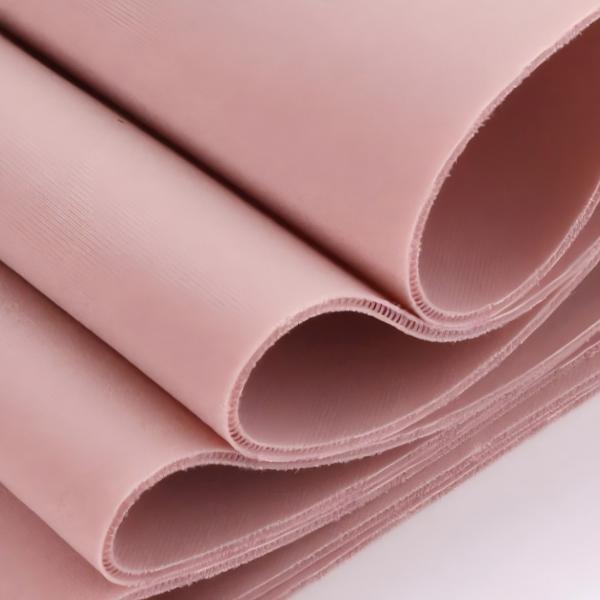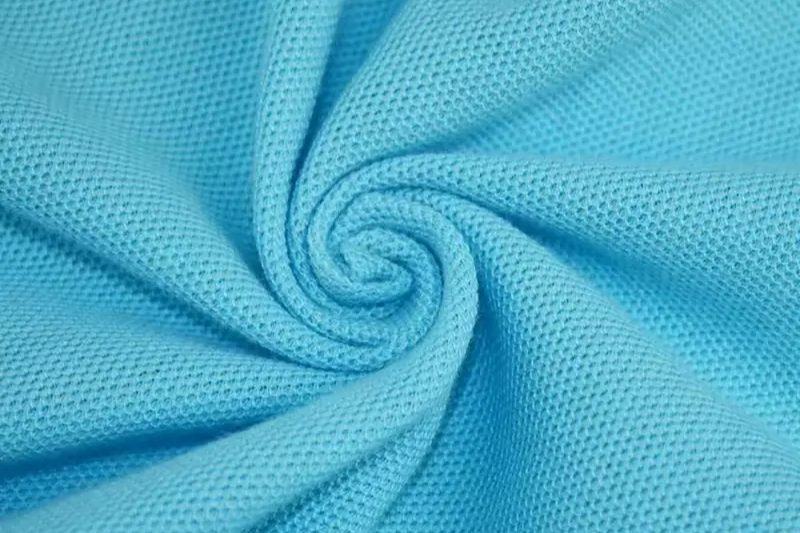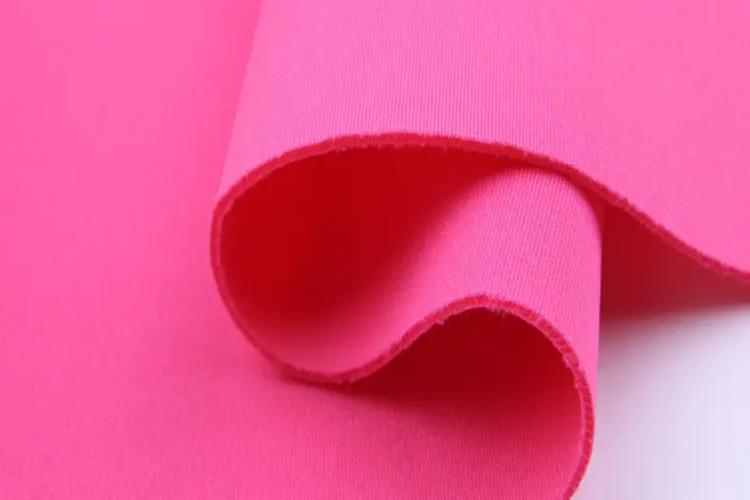
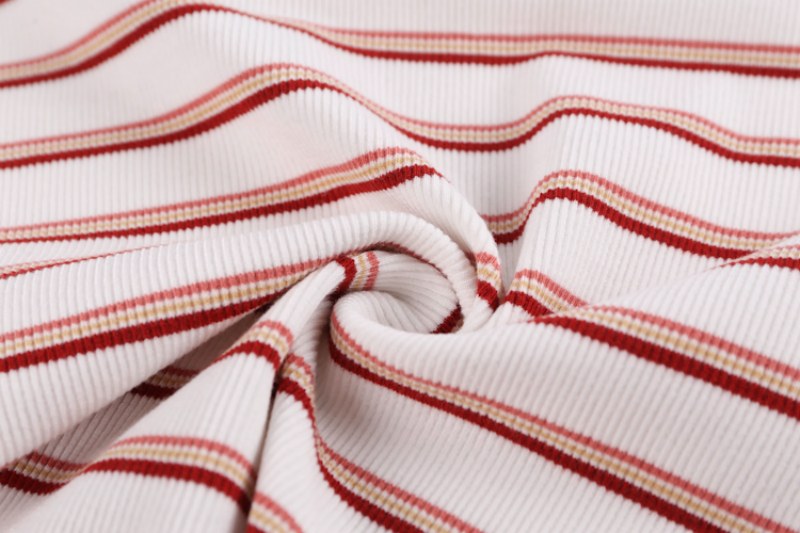
Jersey fabric is a type of knit rather than a fiber, and a maker can produce it from cotton, polyester, and blends. As a knit, jersey pulls sweat away, stretches naturally, and lasts well under active wear, while cotton suits low-intensity use. Moisture management, breathability, durability, stretch, comfort, and cost set the two apart, and the right pick depends on the sport and the wearer’s activity level.
Starke’s knitted fabrics take this further, running from jersey and fleece to scuba and bonded fabrics, backed by OEKO-TEX Standard 100 and GRS certified production. This guide compares jersey against cotton across those points, so the right knit becomes clear.
Key Takeaways
- Jersey fabric pulls sweat away from your body and dries quickly, so you stay comfortable during tough workouts.
- Cotton jersey feels soft and is a good choice for light activities like yoga or casual wear.
- Jersey knit stretches easily and keeps its shape, so it works great for sports that need free movement.
- Special treatments on jersey fabric help it remove sweat better and last longer, but they make it cost more.
- Pick jersey fabric for sports where you sweat a lot, and cotton for light activities, so you get the best value.
Jersey Knit vs. Cotton Basics
What Jersey Knit Is
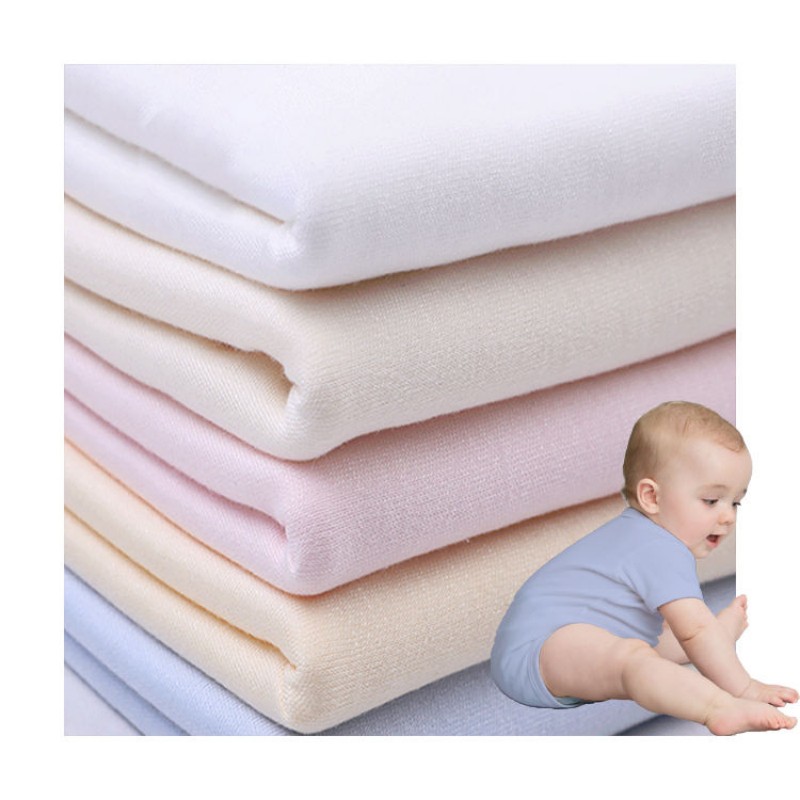
Jersey is a knit construction, not a fiber. Machines form loops of yarn that interlock in a pattern. This structure gives jersey fabric its natural stretch and soft hand. A manufacturer can produce jersey from cotton, polyester, wool, or blends. Single jersey has a smooth face and a looped back. Single jersey also serves as the base for many performance finishes.
The fiber choice shapes the final fabric. A supplier can knit jersey from polyester for quick-dry tops. The same knit fabric can use cotton for casual tees. Buyers should name both the construction and the fiber when they place a wholesale order.
What Cotton Offers
Cotton is a natural fiber. It grows as soft bolls around the plant seed. Mills spin the fiber into yarn, then knit or weave it into cloth. 100% cotton jersey combines the fiber with the jersey construction. This version is easy to spot clean or machine wash. It also releases odors easily during a normal wash cycle.
The same cotton jersey appears in everyday goods beyond apparel. Shoppers know cotton jersey sheets for their breathable feel. Cotton jersey knit sheets share the same looped structure and soft touch. These short definitions matter for the comparison ahead. The fiber sets absorbency and hand feel. The knit sets stretch and airflow.
Moisture Management
How a fabric handles sweat is the biggest difference between these two options. A fabric that moves moisture away from the skin keeps an athlete dry and comfortable. A fabric that holds moisture adds weight and chill. This section explains how each option acts once the body starts to heat up.
How Jersey Fabric Wicks Sweat
Jersey knit moves moisture along its yarn channels and spreads it across the surface. The open loop structure gives vapor an easy way out. Air then carries that vapor away from the body. This action keeps the skin side drier during steady effort.
Performance finishes push this effect further. Starke applies moisture-wicking and quick-dry treatments to its jersey knit lines. A wicking finish pulls liquid sweat toward the outer face of the cloth. A quick-dry finish speeds evaporation once the moisture reaches the surface. Together, these treatments cut the time a garment stays damp after a hard session.
Fiber choice shapes the result. A polyester single jersey dries fast and sheds water easily. A single jersey built from synthetic blends balances softness with fast drying. Both versions suit training tops, base layers, and warm-weather sportswear. A wholesale buyer can name the finish and fiber at the sample stage. The factory then matches the knit to the intended sport.
Why Cotton Jersey Holds Moisture
Cotton jersey acts in the opposite way. Cotton fibers soak liquid into their core. The fiber swells as it takes on water. This absorbency feels pleasant in dry conditions. It becomes a drawback during sweaty activity.
A wet cotton jersey fabric feels heavier and clammier against the skin. The cloth clings instead of gliding. Evaporation slows because the fiber holds the water inside rather than releasing it to the air. An athlete notices the difference quickly during a long run or an intense match. The garment gains weight, loses its light hand, and stays damp well after the session ends.
This trait does not make cotton a poor material. It simply defines where cotton fits. Low-sweat activity and mild conditions let cotton perform at its best. A buyer who weighs whether jersey fabric better than cotton suits a given program should start with sweat volume. High sweat output points toward treated jersey knit. Light sweat output leaves room for cotton jersey.
The comparison comes down to function. Wicking knit fabric manages moisture for active wearers. Cotton manages comfort for calm ones. A supplier who understands both paths can guide the choice with confidence.
Breathability and Temperature
Airflow in Jersey Knit
Air moves easily through the looped structure of jersey. The open stitches leave small gaps that let body heat escape. A wearer stays cooler during steady effort. This airflow makes jersey a smart pick for tops and base layers. The fabric sits close to the skin without trapping hot air.
Weight matters here. A lightweight single jersey feels cool and light against the body. A heavier single jersey adds warmth for cooler days. Both versions breathe well when the mill uses 100% cotton yarn. French terry also breathes well in its all-cotton form. Yet jersey keeps a cooler, lighter profile overall. That edge suits training tops and warm-weather layers.
A wholesale buyer can request a specific weight and finish from the supplier. Starke offers full customization in weight, color, pattern, and finish. The factory then tunes the knit fabric to the target climate and sport.
Cotton’s Mild-Weather Comfort
Cotton jersey shines in mild conditions. The fiber breathes and feels soft against the skin. A wearer notices little heat buildup during light activity. Casual t-shirts and everyday tops often use this material for good reason.
The fabric fits low-sweat settings best. A short walk, a relaxed yoga session, or a day at the office all suit cotton jersey fabric. Heavy sweat changes the picture. The fiber absorbs moisture and holds it close. The garment then feels warm and damp. A buyer who plans for high-output sports should lean toward treated jersey knit instead.
The final call rests on the activity. Mild weather and light movement favor cotton. Hot rooms and hard training favor a cooler knit. A custom supplier can sample both paths before a bulk order.
Durability and Shape Retention
Durability decides how a garment looks after many washes. This factor matters most to a wholesale buyer who plans repeat orders. Jersey fabric is better than cotton in this area for one simple reason. The knit structure recovers its shape, while a plain cotton weave does not.
Wash-and-Wear Performance
Jersey cotton resists wrinkles better than woven cotton. The knitted loops flex and spring back instead of creasing flat. A single jersey top comes out of the wash with few creases. The wearer needs little or no ironing. This saves time for the end customer and reduces returns for the seller.
Single jersey also holds its shape through repeated laundering. The loops pull the cloth back toward its original form. A manufacturer can confirm this behavior at the sample stage. Starke runs its own knitting, dyeing, and finishing lines, so the factory controls quality at every step. A supplier with in-house production keeps wash performance consistent across bulk orders.
Pilling and Stretch-Out
Pilling affects any knit fabric over time. Short fibers work loose and roll into small balls on the surface. Starke applies an anti-pilling finish to its jersey knit lines. This treatment anchors loose fibers and keeps the surface smooth for longer. A custom order can specify this finish for high-wear programs.
Cotton jersey can stretch out over time. The fiber has limited elastic recovery, so stress points grow loose with wear. Elbows and necklines show this effect first. Blending with a small amount of elastane improves recovery, and a supplier can advise on the right blend ratio. The right jersey still delivers strong durability for most sportswear. Buyers should match the finish and fiber to the expected wash life of the garment.
Stretch and Movement
Jersey Fabric’s Natural Give
Jersey earns praise for its lightweight and stretchy qualities. The looped knit structure lets the cloth flex in every direction. A wearer raises an arm or twists the torso without strain. This natural give makes jersey fabric a favorite for active tops and base layers.
Single jersey leads the way in this category. The thin, flexible loops move with the body and spring back into place. A manufacturer can tune the loop density to set the exact amount of give. Stretch jersey goes further with a small share of elastane in the yarn. The added fiber boosts recovery and holds the shape through hard use. A wholesale buyer can request this version for training programs that demand free movement.
The knit fabric also keeps its light hand after stretching. A garment does not stiffen or bind at the joints. That freedom suits running, cycling, and gym work alike.
Cotton’s Limited Elasticity
Cotton jersey offers less stretch on its own. The natural fiber has modest elasticity, so the cloth gives a little and then stops. A wearer feels the limit at the shoulders and knees. Blends solve this gap. A supplier can add Lycra to the yarn and raise the stretch to a comfortable level. Pima cotton brings a longer staple fiber, yet the cloth can feel heavier with less give.
Single jersey in cotton still covers casual needs well. The knit structure supplies enough flex for t-shirts, lounge wear, and light training. A custom order can pair cotton with a stretch fiber for a middle path. The result keeps the soft cotton hand and adds reliable movement.
The right pick depends on the sport. High-motion activity favors stretch jersey. Everyday wear sits comfortably with cotton jersey. A factory that runs both lines can sample each option before a bulk order.
Comfort and Skin Feel
Next-to-Skin Softness
The softness of the fabric shapes how a wearer feels during a session. Cotton jersey brings a familiar, dry hand. The fiber feels smooth and slightly structured against the body. A wearer notices a gentle weight that many people find reassuring. This quality explains the lasting popularity of cotton jersey sheets and everyday t-shirts. The softness of cotton jersey sheets comes from the same looped knit structure that apparel uses.
Jersey fabric made from bamboo takes softness further. Bamboo jersey feels softer and cooler, with a fluid drape that follows the body. Cotton jersey holds more structure and recovers its shape more strongly. Single jersey in a fine gauge gives a light, cool hand that suits base layers. A manufacturer can tune the yarn and gauge to hit a target hand feel. Buyers who value comfort against the skin should sample both paths before a wholesale order.
Wet-Fabric Feel
Sweat changes how any garment feels. A dry knit fabric feels pleasant on the skin. A damp one tells a different story. Treated jersey moves moisture outward and keeps the inner face drier. The wearer stays comfortable to wear through a long session. This trait makes jersey a strong pick for stretchy fabric tops and training layers.
Cotton behaves differently once sweat sets in. The fiber absorbs moisture and holds it close. The cloth grows heavier and clings to the body. A wearer feels damp and cool rather than dry. This effect does not ruin cotton for every use. Light activity and mild weather let cotton stay comfortable. A supplier can guide the choice between a performance knit and a cotton option. Either path can yield comfortable garments and comfortable clothing when the fiber matches the sport. A custom factory can also blend the two for a balanced soft texture.
Which Sports Suit Each Fabric
High-Intensity Activities
Hard training needs a fabric that moves sweat away and stretches with the body. Jersey knit does that job well. Its looped structure stretches in every direction and dries fast once a wicking finish pushes moisture outward. A runner, a cyclist, or a gym athlete stays drier and cooler through a long workout.
Starke makes jersey for casual, outdoor, and professional sportswear. A wholesale buyer can order a custom weight, color, and finish for each program. The manufacturer handles knitting, dyeing, and finishing in-house, so the factory keeps quality steady across bulk orders. This range covers training tops, base layers, and warm-weather performance wear. A supplier who samples the stretchy fabric early helps the buyer confirm stretch and dry time before mass production.
Low-Impact and Everyday Wear
Cotton jersey works for gentler movement. A relaxed yoga class, a short walk, or a casual day at the office lets the fiber breathe without heavy sweat. The cloth feels soft and structured against the skin. Many people know this feel from cotton jersey sheets and everyday t-shirts.
This fabric also fits t-shirts and underwear, where softness matters more than wicking. A buyer who asks whether jersey fabric is better than cotton for a low-sweat line will find cotton a solid pick. The knit gives enough flex for daily wear. A custom supplier can blend cotton with a stretch fiber to add recovery. Either path yields comfortable garments when the fiber matches the sport.
Compliance and Care Labels
Flammability Standards
Sportswear sold in big markets must pass flammability tests. These rules protect wearers from cloth that burns too fast. Test methods differ by country and by garment type. A maker should confirm the target market before bulk production starts.
Jersey knit usually passes standard flammability tests in its common forms. The knit structure and fiber blend both change how it burns. A supplier can adjust the fiber mix to meet a buyer’s market rules. Starke holds OEKO-TEX Standard 100 certification, which helps with compliance paperwork for restricted substances. The company also holds Global Recycling Standard (GRS) certification for recycled content claims. These certificates help a wholesale buyer gather the paperwork that importers often ask for.
Care Labeling Rules
Care labels tell the end user how to wash, dry, and iron a garment. Most markets require a permanent label with fiber content and care instructions. The label must last through normal wear and repeated washing. A factory should attach the label so the text stays readable for the life of the product.
Jersey fabric needs clear guidance on wash temperature and drying method. Heat can shrink some knits, and a wrong setting can harm performance finishes. A custom order should specify label text that matches the actual finish and fiber. Starke supports full customization, so a buyer can match the care instructions to the tested performance of each jersey line. Accurate labels cut returns and protect the brand. A reliable supplier treats labeling as part of the quality system, not an afterthought.
Cost Comparison
Price per Garment
Jersey fabric and cotton jersey sit in a similar price band at the base level. The knit construction drives much of the cost for both. Yarn quality, fabric weight, and order volume then shift the final quote. A wholesale buyer who compares quotes should check that each supplier prices the same weight and fiber content.
Performance finishes raise the price of jersey. A moisture-wicking treatment, a quick-dry finish, or an anti-pilling finish adds processing steps at the factory. Each step carries a cost. Blends change the math as well. Cotton and synthetic blends often cost more than a single-fiber knit because the mill must blend yarns to a set ratio. A custom order with digital printing adds another layer. Buyers should ask the manufacturer to break out base fabric, finish, and printing on the quote. That breakdown makes two offers easy to compare.
Long-Term Value
Upfront price tells only part of the story. Durability and wash life decide the real cost per wear. A jersey top that holds its shape through many wash cycles needs fewer replacements. The anti-pilling finish keeps the surface smooth, so the garment stays presentable longer. A buyer who plans repeat orders gains from steady quality across bulk runs.
Cotton jersey earns its place on value in low-sweat lines. Plain t-shirts and everyday tops need less performance treatment, so the garment carries a lower price. The knit fabric still resists wrinkles and washes well. A supplier can blend cotton with a stretch fiber to extend wear life without a large cost jump. Smart buyers weigh price against expected wash life, not price alone. That habit protects margins and keeps end customers satisfied.
Jersey fabric works better than cotton for most sportswear. It pulls sweat away, stretches easily, and holds its shape after many washes. Cotton jersey still has a place in low-impact and everyday wear. There, softness and structure matter more than how fast the fabric dries.
A simple guide helps buyers decide. Sports with lots of sweat call for treated jersey knit. Light activity and daily t-shirts call for cotton jersey. A maker can blend the two fibers to get wicking performance plus natural comfort.
No single fabric wins every time. The right choice depends on how the wearer moves. A good supplier can sample both options before a wholesale order.
FAQ
Is jersey fabric the same thing as cotton?
No. Jersey is a type of knit, and cotton is a fiber. A maker can knit jersey from cotton, polyester, or blends. The knit sets the stretch and airflow. The fiber sets the absorbency and hand feel. Buyers should name both when they place a wholesale order.
Does jersey fabric dry faster than cotton?
Treated jersey knit dries faster in most cases. Starke applies moisture-wicking and quick-dry finishes that pull sweat outward and speed evaporation. Untreated cotton jersey soaks moisture into the fiber and holds it longer. A supplier can confirm dry times on a sample before bulk production.
Which jersey fabric suits high-sweat sports?
A polyester or blended jersey knit with a wicking finish suits high-sweat sports best. The looped structure stretches with the body, and the finish moves moisture away from the skin. Starke builds these fabrics for casual, outdoor, and professional sportswear lines. A custom order can match weight and finish to the sport.
Can a factory blend cotton and synthetic fibers in jersey?
Yes. A factory can blend cotton with polyester or a small share of elastane. The blend keeps the soft cotton hand and adds faster drying or better recovery. Buyers should confirm the blend ratio at the sample stage. Starke develops samples within 7 days and runs mass production in 20–45 days.
What certifications should a wholesale buyer request?
A wholesale buyer should ask for OEKO-TEX Standard 100 and Global Recycling Standard (GRS) certificates. These documents support restricted-substance compliance and recycled content claims. Starke holds both certifications. The paperwork helps importers clear market requirements and protects the brand at customs