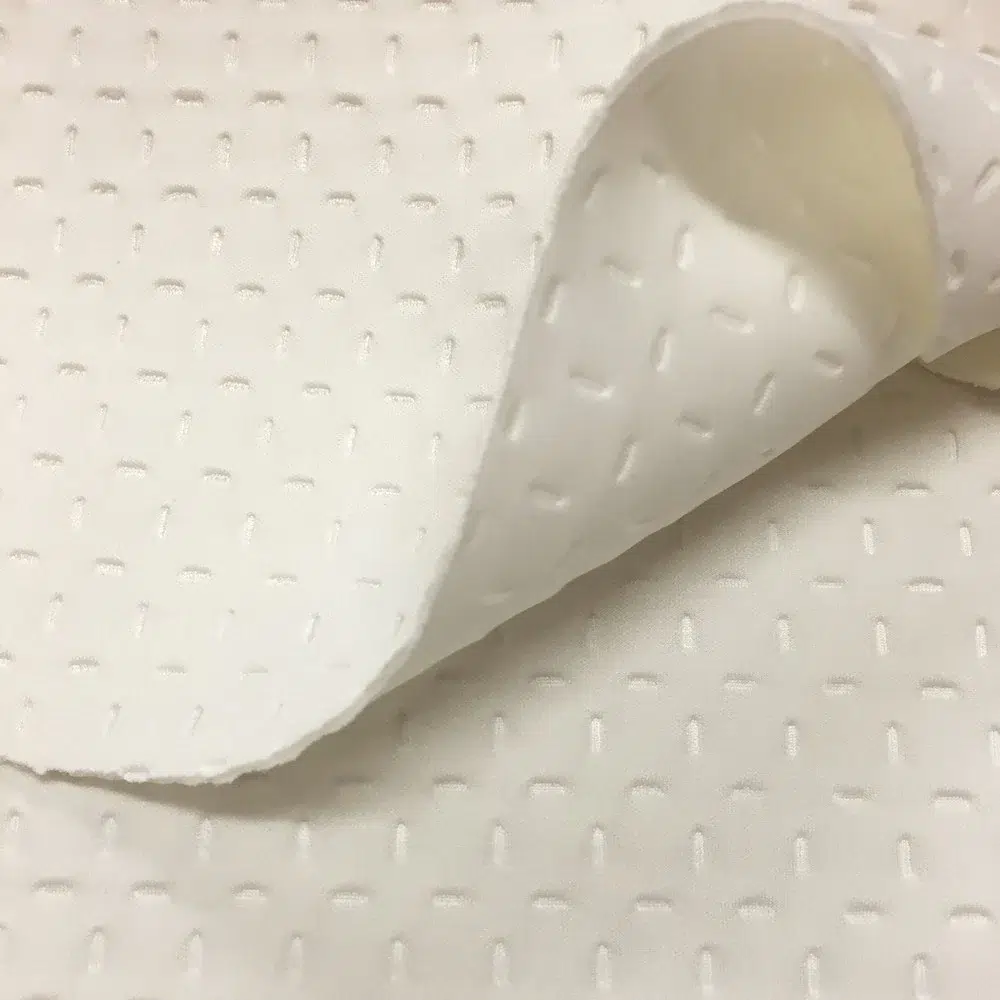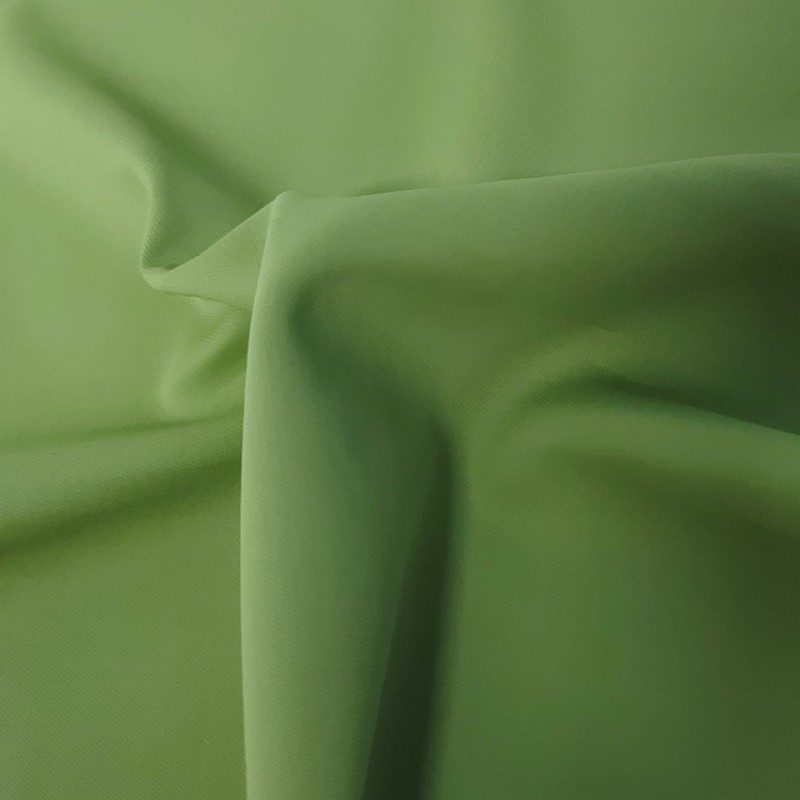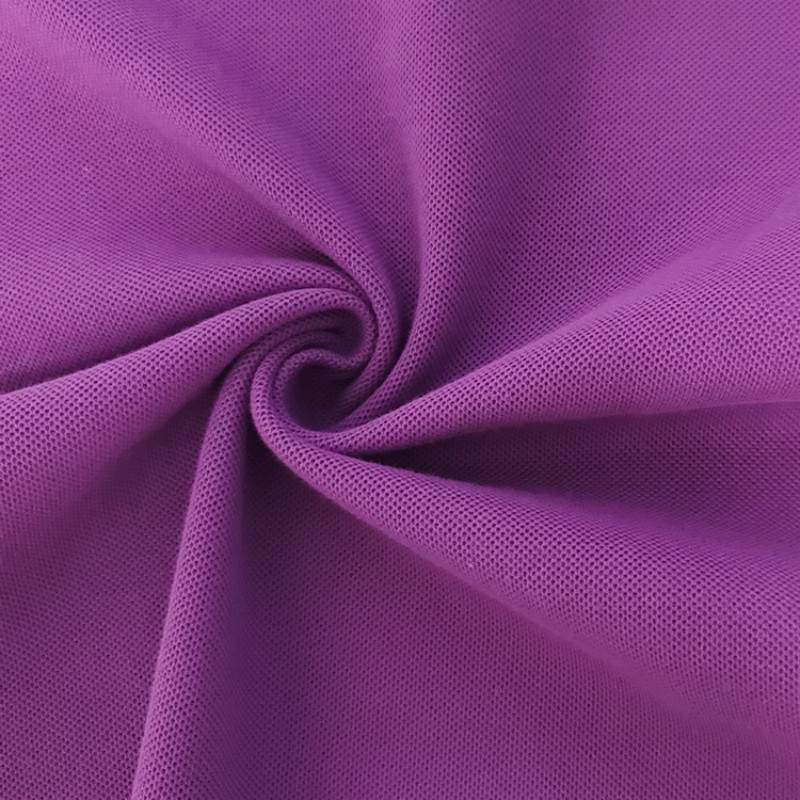
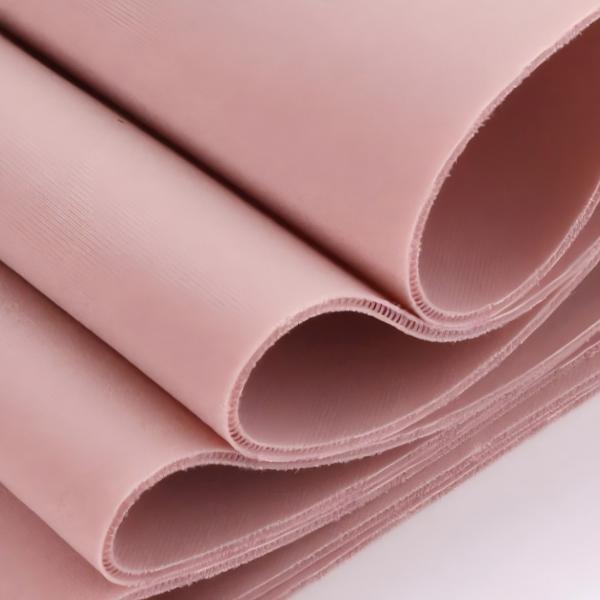
Neoprene is a man-made rubber, while scuba fabric is a double-knit mix of polyester and spandex. That one structural difference between neoprene and scuba knit drives every other contrast. You should compare the two in three ways: what they are made of, their features such as waterproofness, stretch, and breathability, and their best uses. Neoprene has a thick rubber layer and stays water-resistant, while scuba knit feels smooth and spongy and drapes easily.
Starke’s scuba knit takes this further, pairing a stable double-knit structure with consistent recovery and a smooth face, and the same range covers fleece, jersey, and bonded fabrics for teams comparing materials across a collection. This guide also covers practical advice on sewing, washing, and embroidery, so you can use this difference with confidence.
Key Takeaways
- Neoprene is a man-made rubber that keeps water out and holds in heat, so it works great for wetsuits and outdoor gear.
- Scuba knit is a soft, breathable double-knit fabric that hangs nicely, which makes it great for fashion and activewear.
- Pick neoprene if you need something that keeps water out and holds its shape. Pick scuba knit if you want something soft and stretchy.
- Use clips and a walking foot to sew neoprene; use a ballpoint needle and a stretch stitch to sew scuba knit.
- Scuba knit costs less per yard and is easier to wash at home than neoprene.
What Is Neoprene?
Neoprene is a synthetic rubber compound, and most wetsuits are made from it. Chemists also call it polychloroprene. A manufacturer makes it by polymerizing chloroprene, so its material composition is a polymer built from chloroprene monomers. This rubber works well for products that must handle cold, wet conditions.
Composition and Thickness
Neoprene counts as a foamed synthetic rubber. Gas bubbles form inside the rubber during production, and this cell structure gives neoprene fabrics their spongy feel. Many wetsuits use a neoprene laminate, where a knit or jersey layer bonds to each side of the rubber core. That outer fabric protects the neoprene rubber and makes garments easier to wear.
Thickness varies by grade, and the number affects flexibility and warmth. A supplier matches thickness to water temperature, as the table below shows.
| Condition or Garment | Typical Neoprene Thickness |
|---|---|
| Warm-water rashguard | 0.5 mm |
| Wetsuit jacket or spring suit | 1–2 mm |
| Full wetsuit, mild conditions | 3/2 mm |
| Full wetsuit, cooler conditions | 4/3 mm |
| Hooded full wetsuit, coldest water | 6/5 mm |
Thicker neoprene gives more thermal insulation, but it bends less easily. Overall surfing wetsuits range from 0.5 mm to 7 mm.
Waterproofness and Stretch
Neoprene is classified as a waterproof material, so it works well for wetsuits and gear that insulate the wearer from cold and wet conditions.
The cell structure decides how much water passes through. Closed-cell neoprene has no pores, so water cannot enter, and buyers treat it as fully waterproof. Open-cell neoprene absorbs water over time, which changes how the material behaves. Most neoprene fabric for wetsuits uses the closed-cell form, and that form stays water-resistant in constant contact with water.
Stretch figures vary by form. Raw neoprene foam stretches 480–580 percent, while lined neoprene in a wetsuit reaches about 300 percent. These flexible, stretchy and water-resistant qualities explain why divers and surfers trust the material. The stretch also lets a garment follow body movement without losing its shape.
What Is Scuba Fabric?

Scuba fabric is a double-knit textile. Manufacturers knit it from fine threads of polyester, lycra, spandex, or rayon. It has no rubber in it at all. Most scuba fabric is made from polyester and spandex, and that mix gives the cloth its stretch and bounce-back. Common blends show how wide the range runs:
| Composition | Weight | Width |
|---|---|---|
| 52% cotton / 48% polyester | 380gsm | 165cm |
| 72% cotton / 21% polyester / 7% spandex | 360gsm | 175cm |
| 74% viscose / 13% nylon / 13% spandex | 420gsm | 155cm |
| 65% modal / 30% polyester / 5% spandex | 400gsm | 155cm |
What it is made of shapes how it feels. A lot of polyester adds firmness, and a lot of spandex adds stretch. Filament polyester makes a smooth, clean surface, while blended fibers feel softer and more natural.
How It Differs from Neoprene
Scuba fabric and neoprene both look spongy, and that likeness causes real confusion. Scuba is light, smooth, and dense, but it does not have neoprene’s thickness or rubbery inner layer. Scuba also costs less, so a wholesale buyer gets more yardage for the budget.
The common mislabel needs a clear answer. Sellers sometimes call scuba “neoprene fabric,” but scuba fabric is not the same as neoprene. True neoprene is a synthetic rubber. Scuba is a double-knit fabric, so the two materials act differently in production and in wear.
Starke treats scuba as a core fabric and offers customization in weight, color, pattern, and finish, plus treatments such as anti-pilling and quick-dry. A supplier with in-house knitting and bonding keeps quality steady across large orders.
Drape, Breathability, and Washing
Scuba fabric drapes softly and holds a gentle shape. The double-knit construction gives it more stability than a standard knit, so edges stay clean and garments keep their form. Breathability runs high because the knitted structure lets air pass. Neoprene traps air in a foam core and rates low on breathability, which suits water sports and not everyday clothing.
Care is simple. Scuba fabric is machine washable, dries quickly, and keeps its shape and color wash after wash. A few habits extend garment life. Air the piece indoors after wearing, away from direct sunlight, and store it on a hanger rather than folded. Hand wash below 40°C with mild detergent, rinse well, and skip the tumble dryer, since high heat can melt the fibers. Dry flat on a towel instead.
Scuba Fabric vs Neoprene: Key Differences
Neoprene vs. Scuba at a Glance
The difference between neoprene and scuba knit is easiest to see when you compare them side by side. Neoprene is a rubber material, and polychloroprene gives it a closed cell structure that blocks water. Scuba fabric is a double knit made from polyester and spandex, and air moves through its loops. One keeps water out; the other lets skin breathe.
| Property | Scuba Fabric | Neoprene |
|---|---|---|
| Water behavior | Breathable, not waterproof | Waterproof and water-resistant |
| Stretch | Four-way stretch with excellent recovery | Flexible and moves with the body |
| Stability | Double knit resists bagging at knees and elbows | Thicker and more rigid |
| Cost | More economical per yard | Higher cost per yard |
Stretch shows another difference. Scuba fabric stretches in both directions, unlike many knits that only stretch sideways. Recovery is excellent in both directions too, so a wholesale buyer gets garments that hold their shape over time. Neoprene bends with the body and keeps its strength, yet its thickness makes it stiffer overall. A supplier often hears this question: do scuba fabric and neoprene act the same when worn? No. Scuba fabric and neoprene differ in drape, weight, and hand feel.
Scuba knit is a double-knit fabric with a lightweight, luxurious feel, designed to offer great stretch and recovery for a wide variety of projects.
Best Uses for Each
Uses clearly separate the two fabrics. Neoprene works for wetsuits, diving suits, jackets, gloves, orthopedic braces, laptop sleeves, gaskets, and vibration dampers. Factories also cut it for yoga mats, splints, and electrical insulation. The material shines wherever shock absorption or water blocking matters.
Scuba fabric fits fashion and casual wear. Dresses, skirts, leggings, jackets, swimwear, activewear, and accessories all use it. Digital printing works well on its smooth surface, and the knit holds a sculpted fit. Custom treatments such as anti-pilling and quick-dry extend its reach into sportswear.
Cost guides many sourcing decisions. Scuba fabric costs less per yard, so a manufacturer can offer competitive pricing on volume orders. Neoprene carries a higher price, and buyers accept it for performance gear. Neither option wins everywhere. The difference between neoprene and scuba knit comes down to the job: scuba lacks the insulation that cold water demands, and neoprene lacks the soft drape that fashion demands. Teams that weigh scuba fabric vs neoprene against their end product usually land on a clear answer.
Sewing and Embroidering Both Fabrics
Sewing Tips for Neoprene and Scuba
Neoprene needs the right needle and foot. A walking foot or Teflon foot keeps the thick material moving evenly. Sewers should use clips instead of pins, because pin holes stay in neoprene. A longer stitch length also helps the feed dogs grip the surface. Needle choice depends on thickness:
| Needle Type | Size | Point Type | Application |
|---|---|---|---|
| Stretch/Spiral Needle | 14–18 | Round Ball | Medium neoprene (2–3 mm) |
| Denim/Jeans Needle | 16–20 | Sharp Point | Heavy neoprene (> 3 mm) |
| Leather/Topstitch Needle | 14–18 | Chisel Point | Firm feed through coated surfaces |
A serger with three or four threads finishes edges cleanly. Slow speeds and steady presser-foot pressure prevent skipped stitches.
Scuba fabric needs a different method. A stretch or ballpoint needle keeps the knit loops from getting damaged. A narrow zigzag or lightning stretch stitch lets seams stretch without popping. One common setting is a lightning stitch about 2 mm wide and 4 mm long. A straight stitch cannot follow the fabric’s stretch, so seams may break under wear. Sewers should test the stitch on scrap first. Light pressing with low heat avoids melting the fibers, and heavy steam can distort the drape.
Embroidery Basics for Each
Neoprene embroidery needs firm support. A cutaway stabilizer holds the material steady, especially when the sewer floats it on top rather than hooping it. Tear-away stabilizer raises the risk of shifting and gapping. A sharp needle and moderate tension keep stitches clean on the dense surface.
Scuba fabric embroidery rewards light backing and gentle tension. A ballpoint needle glides between the knit loops instead of cutting them. A water-soluble topping stops stitches from sinking into the soft surface. Lower tension prevents puckering, and a test stitch confirms the balance before the final run.
The difference between neoprene and scuba knit comes down to three points. Neoprene is a rubber that keeps water out and holds a firm shape. Scuba fabric is a polyester and spandex double knit that lets air through and drapes softly.
A simple guide helps buyers decide. Pick neoprene for water-resistant, structured items like wetsuits and outdoor gear. Pick scuba fabric for drapey, breathable clothes like dresses, tops, and sportswear. A manufacturer or supplier can match either option to the end product.
The scuba fabric vs neoprene choice has no single winner. Scuba fabric and neoprene each fit a certain project. Teams that weigh insulation, stretch, and cost against real needs will choose well.
FAQ
Is scuba fabric waterproof like neoprene?
No. Neoprene is a rubber material with a closed cell structure, so it blocks water. Scuba fabric is a double knit, and air passes through its loops. It breathes well but does not keep rain or pool water out.
Which material feels softer against the skin?
Scuba fabric feels smooth and soft. Its fine polyester and spandex threads create a gentle surface. Neoprene feels denser and more rigid, and many wetsuits add a knit lining to make the rubber core comfortable.
Can a buyer wash scuba fabric at home?
Yes. Scuba fabric is machine washable. A buyer should hand wash below 40°C with mild detergent, rinse well, and skip the dryer. High heat can melt the fibers. Neoprene needs gentler care and air drying.
Does neoprene stretch more than scuba fabric?
Both stretch well, but they behave differently. Lined neoprene in a wetsuit reaches about 300 percent stretch. Scuba fabric offers four-way stretch with excellent recovery. Neoprene feels thicker and stiffer overall, while scuba fabric drapes softly.
Which one costs less for a wholesale order?
Scuba fabric costs less per yard. A manufacturer can offer competitive pricing on volume orders. Neoprene carries a higher price, and buyers accept it for performance gear. The difference between neoprene and scuba knit comes down to the end product and its job.