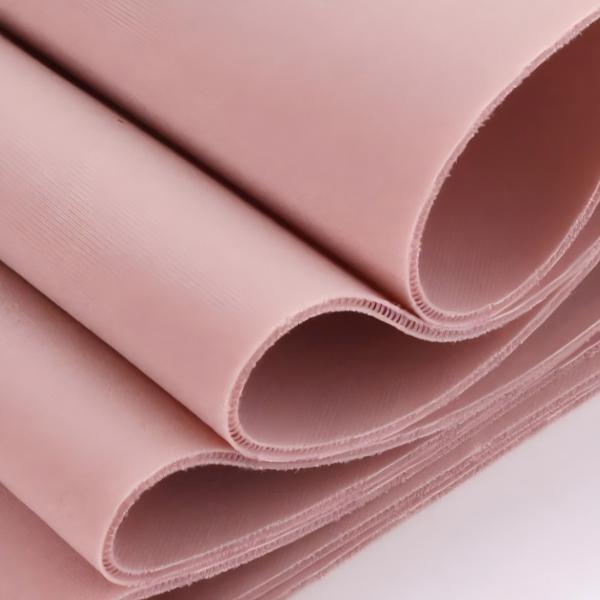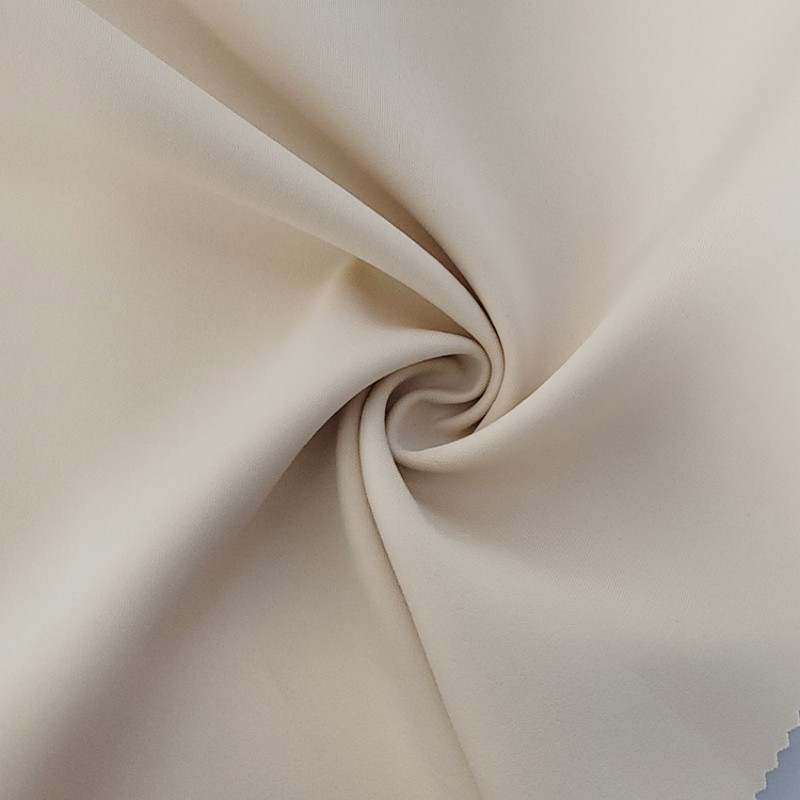

Jersey fabric can be genuinely good for winter, but only in the right form. A heavy, brushed, or wool-blend jersey traps body heat, while a thin cotton tee knit barely insulates. The difference is a thick sweatshirt versus a light t-shirt: same knit, very different warmth. As a knitted-fabric manufacturer since 2008, STARKE supplies winter-ready jersey at 200+ GSM, so this guide explains which weights and fibers actually work, how to layer them, and when a bonded upgrade beats jersey alone. Choose the right construction and cold mornings stop being a problem.
Key Takeaways
· Choose jersey at 200 GSM or higher for real winter warmth; light cotton sits at 120–160 GSM.
· Wool, brushed fleece, and synthetic blends trap heat far better than thin cotton.
· Layer a wicking base, a heavy jersey mid layer, and a windproof shell for best results.
· Avoid thin cotton jersey and loose knits — they let cold air straight through.
· Check labels for “brushed back” or “fleece-backed” before you order.
What Makes Jersey Fabric Warm in Winter?
Fiber content sets the baseline
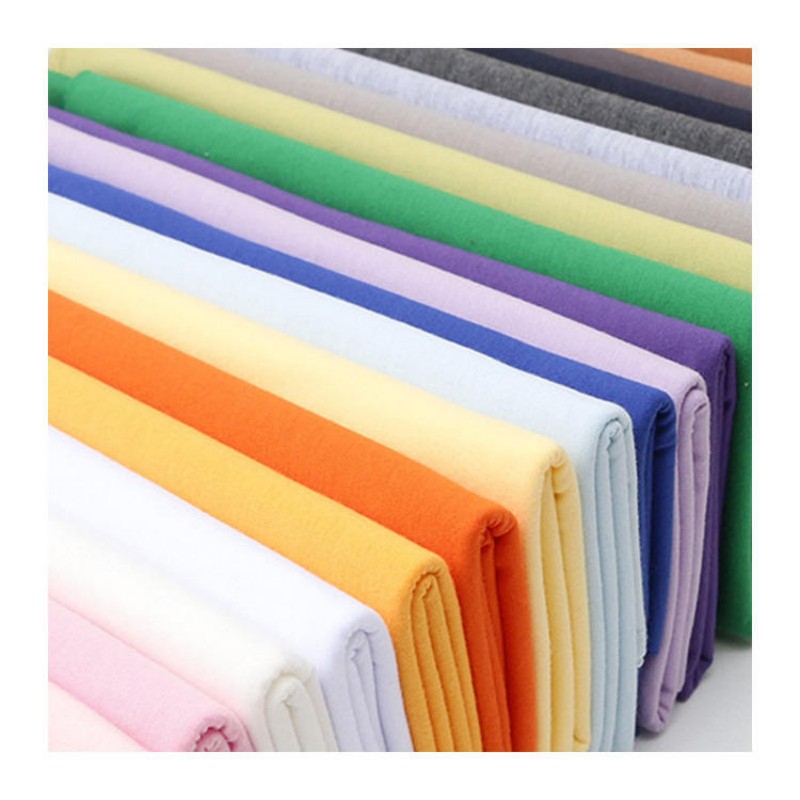
Fiber content decides how much heat a knit holds. Wool and cashmere curl into tiny air pockets that slow heat loss; synthetic yarns add hollow cores that retain body warmth; cotton keeps less trapped air but breathes in light knits. A wool-cotton blend balances warmth and softness, while wool-polyester adds shape retention for sweaters and base layers. A custom supplier can tune the blend to a brand’s target market — for example raising wool content for colder regions.
Weight and knit tightness do the rest
Weight, shown as GSM (grams per square meter), changes everything. Light cotton knits sit near 120–160 GSM with almost no insulation; heavyweight cotton starts at 190 GSM; super-heavy jersey reaches 240–450 GSM and traps dense heat. Knit tightness matters too: tight loops pack more yarn per inch and leave fewer gaps for heat to escape, while brushed-back fleece lifts a plush nap that holds still air. For freezing weather, a heavy, tight jersey wins.
Best Jersey Fabric and Fleece Picks for Cold Weather
Wool and brushed jersey
Wool jersey is the top winter pick: merino fibers curl and trap air, and they pull moisture off the skin to keep you dry. Wool blends cut cost and add strength; sweater-knit jersey uses thicker yarns for a cozy, hand-knit look over a thermal base. Brushed-back fleece jersey adds a napped inside that traps air without bulk, and a factory can finish it with anti-pilling or moisture-wicking treatments for longer wear.
Polar and terry fleece for extra warmth
Several brushed fleece types work even harder in winter. A polar fleece fabric gives moderate, breathable warmth around 100–450 GSM; terry fleece adds looped, absorbent softness; sherpa fleece delivers the loftiest pile. Each suits different garments, so a wholesale buyer should confirm GSM before ordering. The table below compares winter options from the STARKE line.
Winter fabric quick-pick (typical GSM ranges for cold-weather knits):
| Fabric | Winter warmth | Typical weight | Good for |
| Jersey (wool / brushed, 200+ GSM) | Good | 200–450 GSM | Sweaters, mid layers |
| Polar fleece | Moderate–good | 100–450 GSM | Mid layers, hoodies |
| Terry fleece | Moderate | 180–320 GSM | Loungewear, lining |
| Bonded fabric | High (windproof) | Custom | Shells, outerwear |
| Thin cotton jersey | Poor | 120–160 GSM | Summer only |
STARKE produces all listed knits and holds OEKO-TEX Standard 100 and GRS certifications; custom weight, color, and finish are available for wholesale programs.
When Jersey Fabric Alone Isn’t Enough for Winter
Where thin cotton and loose knits fail
Thin cotton jersey is the weakest winter choice. At 120–160 GSM it offers almost no insulation, and loose open knits let cold air pass straight through — hold one to a light and see-through gaps mean poor warmth. Athletic jersey adds a second problem: it wicks sweat that must still evaporate, and that evaporation steals body heat. Worn alone, any of these leaves you cold and damp.
Layer up or choose a bonded fabric
The fix is a system, or a different material. Layer a wicking base, a heavy jersey mid layer, and a windproof shell to multiply air-trapping zones. For outerwear that must block wind and rain, a bonded fabric fuses a face cloth with a membrane for true weather protection — a bonded line built for jackets and cold-weather gear. A custom manufacturer such as STARKE, which holds OEKO-TEX Standard 100 and GRS certifications, can match the exact weight and finish to your market, so brands get verified warmth without guessing.
FAQ
Q: Can I wear jersey alone in winter?
A: Only if it is heavy (200+ GSM), wool, or brushed. Thin cotton jersey works as a base layer only; add a mid layer and a shell on top.
Q: What GSM should winter jersey have?
A: Aim for 200 GSM or higher. Heavyweight cotton starts at 190 GSM; super-heavy reaches 240–450 GSM. Light knits near 120–160 GSM give almost no insulation.
Q: Does brushed-back jersey breathe indoors?
A: Yes. The brushed nap holds warm air pockets yet still lets air pass, so you won’t overheat indoors. It works well as a mid layer under a shell.
Q: Is fleece or jersey better for winter?
A: Both work at heavy weights. Polar fleece gives steady breathable warmth; wool or brushed jersey drapes better for sweaters. For windproof outerwear, a bonded fabric outperforms both.
Jersey fabric can absolutely earn a place in a winter wardrobe — but weight, fiber, and finish decide whether it warms or fails. Reach for 200+ GSM wool or brushed jersey, layer it with a windproof shell, and consider a bonded upgrade for outerwear. Choose by construction, not by the word “jersey” alone, and cold days stay comfortable from morning to night