Fleece is one of the most common fabric names on outdoor labels, yet it covers a wide range of materials—micro fleece and polar fleece among them. The two are not the same. Both belong to the fleece family, but each has its own structure and purpose, and each performs differently in weight, warmth, and breathability.
Shoppers often see the word “fleece” on a label and assume the two fabrics work the same way. They do not. Micro fleece uses finer fibers and feels smooth against the skin. Polar fleece uses larger yarns and feels thicker and loftier. These choices change weight, warmth, and breathability, and neither fabric is produced in the same way as the other. Related fleece types—sherpa fleece, grid fleece, and anti-pilling fleece—add further variation to the family, and none of them suits every situation.
Starke’s polar fleece takes this further, pairing a lofty pile with consistent weight and anti-pilling performance from run to run. This guide explains how micro fleece and polar fleece differ, where each works best, and what to check on a spec sheet.
Key Takeaways
- Microfleece and polar fleece are not the same fabric.
- Microfleece is thin and light. It works well for base layers.
- Polar fleece is thick and warm. It works well for cold weather.
- Choose microfleece for active days. Choose polar fleece for extra warmth.
- Both fabrics need gentle washing and air drying to last long.
What Is Microfleece?

Microfleece is a light fleece made from finer fibers with a smoother feel. Most types are 100% polyester. The fine fibers give the fabric a soft, tight surface that feels gentle on the skin.
Key Features
The fabric has two sides and is thinner and lighter than regular fleece. It still traps air and keeps in warmth, so it works as a light insulation layer. A typical microfleece weighs about 100–200 GSM, while regular polar fleece runs about 180–320 GSM or more. These ranges are general guides, not fixed limits. A fabric near 180–200 GSM may be called microfleece by one maker and lightweight polar fleece by another.
Microfleece also breathes better and moves moisture away from the body more effectively than regular fleece. Natural odors build up more slowly over time. That makes it a good fit for sweaty people and active days.
Buyers who get this fabric from a manufacturer or supplier should check a few specs before ordering. Check the finished GSM after dyeing and brushing, the usable width, the pile height, and the brushing structure. Thickness matters for linings and fitted garments. Anti-pilling performance and hand feel should be backed by an approved reference sample.
Common Uses
Microfleece clothing works best in close-to-skin roles. Common uses include:
- Base layers
- Scarves
- Gloves
The fabric is very lightweight yet warm when layered, which suits these comfort- and performance-critical uses. Microfleece also shows up in blankets, where buyers expect steady warmth-to-weight and stable texture after washing. This synthetic fabric serves home and travel categories well, and factories value its predictable production.
What Is Polar Fleece?
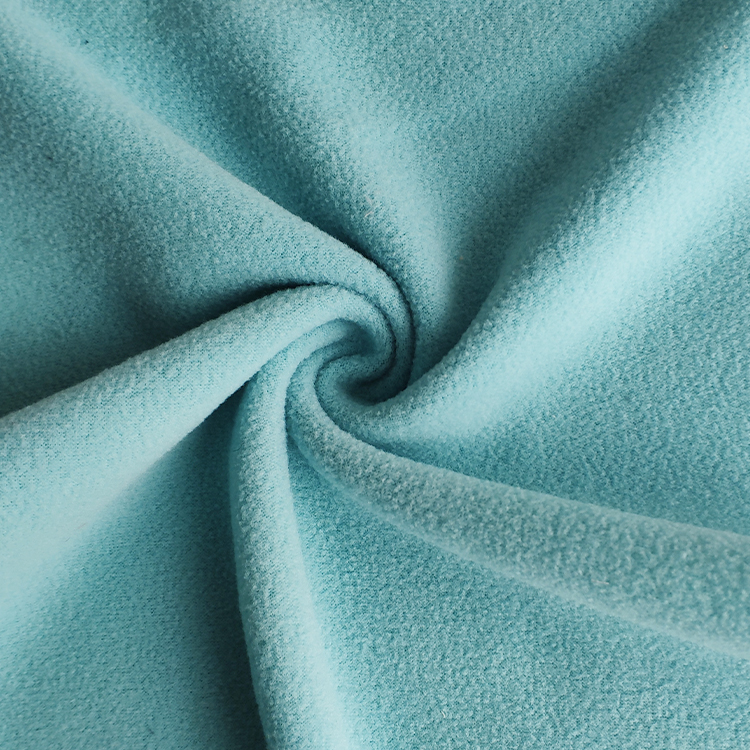
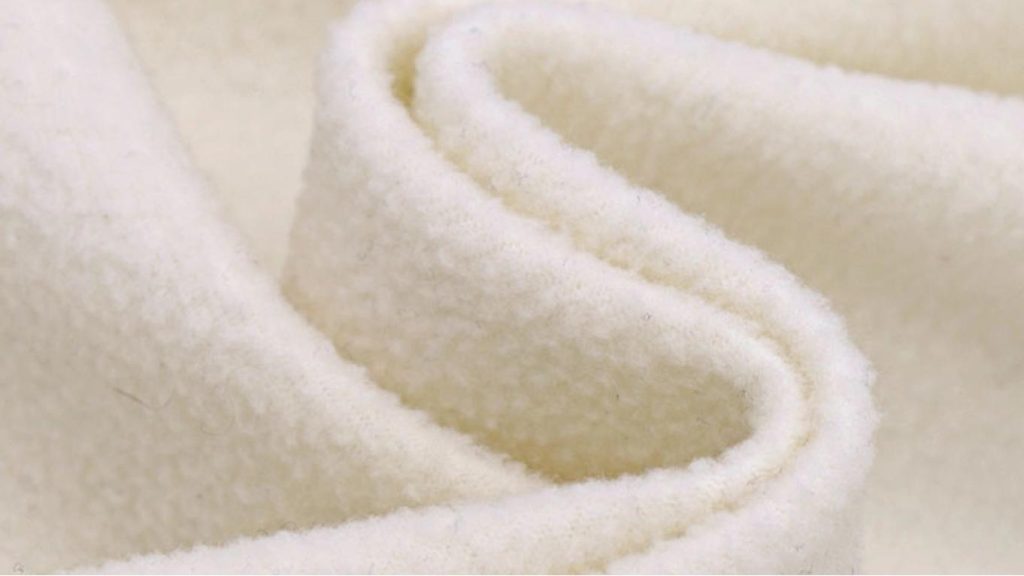
Polar fleece is a thicker, fluffier fleece made with bigger yarns. Makers brush the surface to create a soft, fuzzy pile, and that pile traps air to keep you warm. Most versions use polyester, and the fabric is in the same synthetic family as microfleece.
Key Features
The bigger yarns and brushed surface give polar fleece better insulation than microfleece. It works well as a mid-layer, where a vest or hoodie sits under a breathable shell. The fabric balances warmth and breathability, so outdoor fans can wear it during hard activity. Its warmth-to-weight ratio is strong: the loft traps body heat while the garment stays light.
Weight classes help buyers compare options. The table below shows the common GSM bands.
| Weight Class | GSM |
|---|---|
| Microfleece | <100 |
| 100 | 100–200 |
| 200 | 200–300 |
| 300 | >300 |
Measured insulation values vary by sample. Polartec 100 Double Velour tested at 0.89 CLO, Polartec 200 Double Velour at 0.82 CLO, and Polartec 300 FQ Double Velour at 0.67 CLO. Polar fleece overall sits around 0.8–1.2 CLO across a 100–450 GSM range. These figures show that thicker does not always mean warmer in every test, so a supplier’s sample data matters.
Common Uses
Polar fleece shows up in jackets, hats, sweaters, sweatpants, gym clothes, hoodies, pajamas, and blankets. Fleece jackets made about 20 years ago still look new after hundreds of wears, which shows how durable the fabric is. The material dries fast and washes easily in a machine.
Factories and wholesale buyers value this fleece for cold-weather gear and casual wear. A manufacturer can adjust the weight and finish for custom orders. The warmer, bulkier build suits cold conditions best, and that is where polar fleece earns its place.
Microfleece vs Fleece: Key Differences
The biggest difference between microfleece and fleece fabric, including polar fleece, is thickness and GSM, which means grams per square meter. Polar fleece is thicker because it uses larger yarns. That one design choice causes most of the differences between microfleece and fleece fabrics.
Weight, Thickness, and Warmth
Any fleece that weighs up to 200 gsm is usually called a microfleece, so it is the lighter choice next to polar fleece. Polar fleece usually runs from 250 gsm to 400 gsm. The table below sums up the main differences between microfleece and fleece fabrics.
| Fabric Type | GSM Range | Thickness and Warmth |
|---|---|---|
| Microfleece | Up to 200 gsm | Thin, light, good for active use and layering |
| Polar Fleece | 250–400 gsm | Thick, lofty, made for insulation |
Weight tells you most of what you need to know. A higher GSM usually means a warmer fleece. Fleece under 200 gsm works well for active use and layering. The 200–300 gsm range gives good all-around warmth without too much thickness, and it is a popular hiking weight. Fleece above 300 gsm is for the coldest conditions, and the warmest options go over 500 gsm.
Structure matters too, not just weight. Grid or rib fleeces trap air in raised patterns. That design makes them lighter for the same thickness and gives a higher warmth-to-weight ratio than regular fleece. They are often thinner and rarely as warm overall. Special fabrics such as Octayarn and Alpha Direct are said to be about 50% warmer weight-for-weight than standard fleece, at around 200 g for a men’s medium, depending on GSM and face fabric.
Breathability and Best Uses
Microfleece breathes a little better and moves moisture away better than regular fleece. Polar fleece gives more insulation. Each fabric fits a different job, and neither one wins in every case.
Microfleece works for outdoor items such as jackets and sportswear in summertime, and it works in colder seasons as a layering piece. Its thin build lets wearers put it under clothes or wear it as an outer layer, like a lightweight, breathable French terry fleece jacket. Indoor microfleece items such as bathrobes and throw blankets work all year. Moisture-resistant, quick-drying fleece makes good outerwear and bathrobes that need less drying time.
Polar fleece covers winter wear, jackets, blankets, hoodies, sweatshirts, tracksuits, sportswear, gloves, caps, and scarves. A manufacturer or wholesale supplier can adjust the weight and finish for custom orders. Mid-weight fleece at 200–300 gsm works well for cold-weather outerwear. Heavyweight fleece above 300 gsm handles arctic conditions with little physical activity.
Both fabrics give warm, moisture-wicking, light, and breathable fabrics for their intended roles. Buyers who weigh breathability against insulation will find a clear fit for each one.
How to Choose and Care for Each
Matching Fabric to Needs
One simple rule helps with most buying choices. Pick microfleece for light base layers and breathable everyday wear. Pick polar fleece for mid-layer insulation and colder weather. This rule works because the two fleece fabrics differ in loft and structure, not in quality. Microfleece clothing also packs small for travel.
Microfleece clothing fits close-to-skin roles: base layers, gloves, scarves, and light summer jackets. A wholesale buyer who stocks activewear will find the lighter weight easier to layer under a shell. Polar fleece fits fleece jackets, hoodies, and winter outerwear, where insulation matters more than packability. A manufacturer or supplier can adjust either option for custom orders. Starke, for example, offers polar, sherpa, flannel, teddy, and coral fleece, with custom weight, color, pattern, and finish, plus anti-pilling, quick-dry, waterproof, and anti-static treatments. OEKO-TEX Standard 100 certifies tested safety, and GRS covers recycled content. Buyers who compare many types of fleece fabric often start with these two.
Care Tips for Both
Good care keeps any fleece soft and warm for years. Both types of fleece fabric do well with the same routine, so one set of washing instructions for microfleece also works for the heavier option.
| Care Category | Recommended Practice |
|---|---|
| Washing | Use cold water on a gentle cycle; hot water causes loss of shape and texture. Use mild detergent; avoid bleach and fabric softeners. Turn the garment inside out first. |
| Drying | Air dry when possible; use low heat only in a dryer. Dry in shade to protect color. |
| Storage | Store clean and fully dry. Fold rather than hang to avoid stretching. |
| Stains | Blot fresh stains with cold water; do not rub. |
Regular inspection and early repair of small holes extend lifespan. A factory that follows these steps protects the fabric’s hand feel and pile. Most types of fleece fabric need no ironing, which keeps the routine short and simple. A quick check before storage saves trouble later.
Microfleece is the lighter, smoother choice that lets air flow better. Polar fleece is thicker and holds in more heat to keep you warm. That one contrast explains most of the difference between micro fleece and polar fleece.
A simple rule helps with most buying choices. Pick microfleece for base layers and light everyday wear. Pick polar fleece for mid-layers and cold conditions. A supplier or manufacturer can confirm the weight and finish for either fabric.
The best fleece is the one that fits the wearer’s day. Think about the layers, the weather, and the activity. Then choose the fabric that keeps the wearer comfortable from morning to night.
FAQ
Are micro fleece and polar fleece interchangeable?
Not always. Micro fleece works well for layers that fit close to the body, and polar fleece works well for outer insulation. If a wearer swaps one for the other, the fit may feel too tight or the warmth may be too low. A supplier can confirm the weight before a wholesale order.
Which one keeps a wearer warmer?
Polar fleece usually wins. Its larger yarns and brushed pile trap more air, and it typically runs 250–400 gsm. Microfleece stays under 200 gsm, so it adds light warmth. A manufacturer can adjust the weight for custom runs.
Does microfleece work for sensitive skin?
Many wearers find microfleece comfortable next to skin. Its fine fibers create a smooth, tight surface with little friction. Polar fleece feels fluffier and bulkier by comparison. Buyers with skin concerns should test a sample first.
Can both fabrics handle daily washing?
Yes. Both hold up well with cold water, mild detergent, and air drying. Heat and fabric softener damage the pile over time. A factory that follows these steps protects hand feel and keeps the fleece soft for years.
Can a manufacturer customize either fleece?
Yes. Suppliers adjust weight, color, pattern, and finish on both types. Optional treatments include anti-pilling, quick-dry, waterproof, and anti-static. Starke offers these options across its fleece range, with OEKO-TEX Standard 100 and GRS certification.