Composite fabrics can present several challenges, such as reduced durability, lower comfort, and greater difficulty in maintenance. Many companies consider the environmental impact and cost before selecting fabrics. Starke fabric supplier offering both knitted and composite options, helps businesses understand these issues so they can make more informed fabric choices.
Key Takeaways
- Fusted fabrics have a short lifespan, are prone to cracking and wear, and are therefore unsuitable for long-term use. Moreover, their cost may be higher in the long run.
- This type of fabric has poor breathability and limited elasticity, easily causing stuffiness and discomfort. This is a problem for sportswear or clothing worn in hot weather.
- Fuseted fabrics are expensive to produce and difficult to wash. These disadvantages make them unsuitable for many uses. Furthermore, they are difficult to recycle and are detrimental to the environment.
Bonded Fabric Durability
Delamination Risk
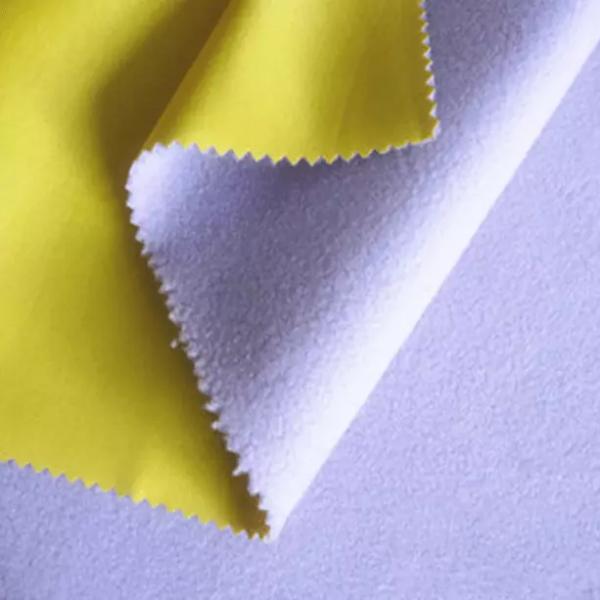
Bonded fabrics are prone to delamination. This means that the layers of fabric may separate. This usually occurs when the temperature is inappropriate during production. Too low a temperature results in insufficient adhesive strength; too high a temperature may cause adhesive leakage, leading to fabric stiffening or staining. Different bonded fabrics, such as nylon-spandex or cotton-spandex, require different heating settings. Factories must use appropriate machines for each fabric. Excessive temperatures or strong chemicals can also cause delamination. Strict quality control in the factory helps avoid these problems.
Durability Issues
Bonded fabrics are less durable than some other fabrics. Once the layers are bonded together, damage is irreparable. This causes the fabric to wear out faster. Bonded fabrics age over time, especially after multiple washes. The use of mixed materials also makes recycling difficult, which is another issue. Many manufacturers and retailers have found that bonded fabrics are less durable than knitted fabrics. For corporate customers, this means they need to replace fabrics more frequently and invest more money later on.
Factory and buyer should consider these factors when selecting bonded fabrics for production.
Bonded Fabric Comfort
Breathability Concerns
Bonded fabric does not let air move easily. Many makers see that less airflow keeps heat and sweat close to the skin. This can make people feel uncomfortable, especially when they are active. If you wear clothes made from bonded fabric, you might feel hot or sweaty. Air cannot move through the fabric well. Here are the main problems:
- Heat and sweat can build up and make you too warm.
- Not enough air makes the fabric feel heavy and stick to you.
- Fabrics that breathe keep you cool and dry, but bonded fabric does not always do this.
Big buyers and factories should think about these issues when picking fabric for sports clothes or uniforms. Comfort is very important for customers, especially in hot or wet places.
Stiffness and Inelasticity
Bonded fabric can be stiff. Some kinds use strong glue, which makes them less bendy. This changes how the fabric feels and moves. Here are some effects:
- Stiff fabric is good for jackets or uniforms.
- Soft and bendy fabric is better for casual clothes.
- Too much glue makes the fabric stiff and less comfy.
Factories and sellers need to pick the right fabric for each job. For example, sports clothes need to stretch and feel soft. Stiff bonded fabric may not work for these. Makers should always think about how the fabric will be used before choosing bonded fabric.
Bonded Fabric Challenges
High Production Costs
Manufacturers and wholesale buyers pay more for bonded fabric. Many things make the price go up. The table below shows the main reasons:
| Factor | Description |
|---|---|
| Raw Material Costs | Special materials and coatings cost more money. |
| Manufacturing Processes | New bonding machines and robots cost more than old ways. |
| Technical Expertise | Factories need skilled workers, so labor costs are higher. |
| Equipment Investment | Machines like ultrasonic welders and laser bonders are expensive to buy. |
| Material Compatibility | Each bonded fabric type needs careful setup, which adds cost. |
These problems can make custom orders cost more. It also makes it harder for suppliers to plan their budgets.
Cleaning Challenges
Laminated fabrics are difficult to clean for both factories and users. Many types of composite fabrics cannot withstand strong soaps or chemicals. Stains tend to remain between the fabric layers and are difficult to remove. Factories may require special cleaning procedures, which can be time-consuming and costly. These issues make composite fabrics unsuitable for uniforms or sportswear that require frequent washing.
Heat Resistance and Washability
Laminated fabrics are neither heat-resistant nor wash-resistant. The table below lists the various factors that damage the fabric:
| Factor | Effect on Elastane | Comparison to Other Fabrics |
|---|---|---|
| Heat Damage | Stretch goes away and fibers get ruined | Other fabrics might last longer |
| Chlorine | Fibers get weak, especially in swimwear | Some fabrics can handle chlorine better |
| Fabric Softener | Stops moisture-wicking and breaks down fabric | Not all fabrics have this issue |
| Alkaline Detergents | Stretch gets worse over time | Other fabrics may bounce back better |
| UV Exposure | Fibers break down faster | UV protection is different for each fabric |
These problems mean bonded fabric is not good for everything. Makers and suppliers must think about these risks before starting custom projects.
Environmental impact of bonded fabrics
.jpg)
Limited Recyclability
Bonded fabric is hard to recycle because it mixes different materials. Factories cannot pull apart the layers easily, so most bonded fabric gets thrown away. Many textile companies try to help by using recycled packaging and switching to biodegradable materials. Some factories also use less water and energy when making fabric. These actions help cut down on waste and lower carbon emissions, but recycling bonded fabric is still tough.
- Mixed materials make it hard to recycle.
- Most bonded fabric ends up as trash.
- Companies use recycled and biodegradable packaging to help the planet.
- Factories save water and energy to lower their impact.
Starke offers fabrics certified to OEKO-TEX Standard 100 and GRS. These certifications demonstrate their commitment to chemical safety and the proper sourcing of raw materials. Factories holding these certifications adhere to strict regulations to ensure worker and environmental safety.
High Production Costs
Fuse fabrics require specialized machinery and skilled workers. Factories must purchase expensive equipment, increasing costs. Reliance on specialists and sophisticated equipment also adds to expenses. Suppliers and buyers pay higher prices for custom orders. Compared to knitted fabrics, the production of fused fabrics requires significantly more energy and resources.
| Factor | Impact on Environment |
|---|---|
| Equipment Investment | Uses more energy |
| Technical Expertise | Labor costs go up |
| Material Compatibility | More waste from mistakes |
Starke uses eco-friendly steps like recycled materials and less waste. These actions help the environment and make their products better for B2B clients who want to be green.
Bonded fabric can cause problems for factories and big buyers. The table below shows how strong and cheap different fabrics are:
| Fabric Type | Durability | Cost-Effectiveness | Applications |
|---|---|---|---|
| Woven Fabrics | High | Moderate | Clothing, upholstery, heavy use |
| Non-Woven Fabrics | Low | High | Disposable items, light use |
Many sellers say these other fabrics last longer and feel better:
- Cotton-polyester
- Cotton-nylon
- Polyester-acrylic
- Wool-acrylic
People should think about these things before picking fabric for special orders.
FAQ
What is recycled leather? How does it differ from genuine leather?
Recycled leather is made from scrap leather mixed with polyurethane. Genuine leather comes from a single piece of leather. Manufacturers choose recycled leather because it is cheaper and can be made into a variety of styles.
Why do some factories avoid using recycled leather for uniforms?
Factories don’t use recycled leather for uniforms because it is prone to cracking or peeling. Wholesalers need more durable uniforms that can be washed multiple times.
Is recycled leather easy to recycle?
Recycled leather is not easy to recycle. Suppliers find it difficult to separate its layers. Most recycled leather fabric is discarded after use.

.jpg)