Scuba fabric is not the same as ponte, even though both are double-knits. People who love to sew often mix up these fabrics. This post looks at fiber content, texture, drape, and sewing properties. Each fabric acts in its own way. Scuba fabric has a spongy, sculptural feel with little drape. Ponte gives a softer, matte surface with tailored stability. Knowing these traits helps readers pick the right material for their projects. Scuba works best for structured jackets or skirts. Ponte suits fitted dresses or leggings. Understanding these differences leads to better sewing results.
Key Takeaways
- Scuba fabric feels spongy and sculptural, and it works best for structured garments like jackets and skirts.
- Ponte fabric has a soft, dull finish and keeps its shape, making it perfect for fitted dresses and leggings.
- Both fabrics are double-knits that sew easily, even for beginners, and don’t fray when cut.
- Pick scuba fabric for dramatic shapes that stick out from your body.
- Pick ponte for nice-looking, everyday clothes that move with you and hold their shape.
What Is Scuba Fabric?
Definition and Composition
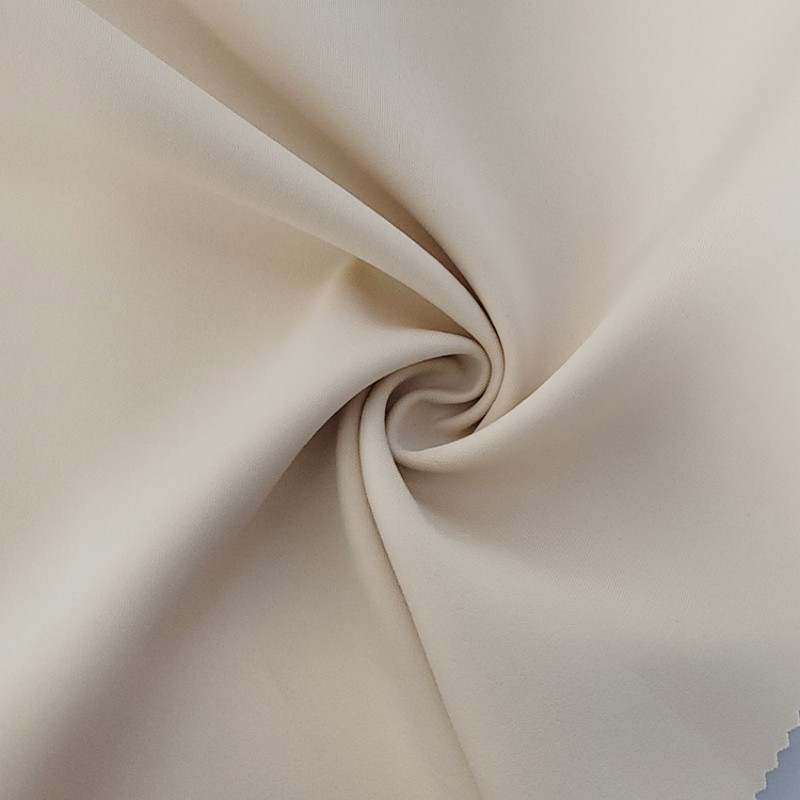
Scuba fabric is a double-knit material. Two sets of needles and yarns make a fabric that is denser and heavier than single-knit types. Manufacturers often make it from polyester and spandex. A common blend is 92% polyester and 8% elastane. Some versions use 96% polyamide and 4% lycra. High-quality scuba fabric for activewear may contain 10–20% spandex for better stretch and recovery.
This fabric copies neoprene, a synthetic rubber. But it does not have a rubber core. The double-knit structure gives scuba fabric smoothness, stretch, and resistance to wrinkles. It holds its shape well. Standard medium-weight scuba falls within the 250–350 GSM range. This weight suits high-street fashion and luxury ready-to-wear garments.
| Construction Type | Technical Description | Stretch and Properties |
|---|---|---|
| Foam Laminated Fabrics (True Neoprene) | Neoprene foam sheet bonded to a knitted fabric backing | No stretch from foam; stretch comes from backing and elastane |
| Heavyweight Knits (Scuba Knit) | Dense, heavy knit from polyester or nylon with high spandex content | Mimics neoprene’s hand without a foam layer; more stretchy and affordable |
| Foam-Backed Knits | Thin foam layer bonded to the back of a heavy knit | Offers some insulation while increasing stretch |
Texture and Hand Feel
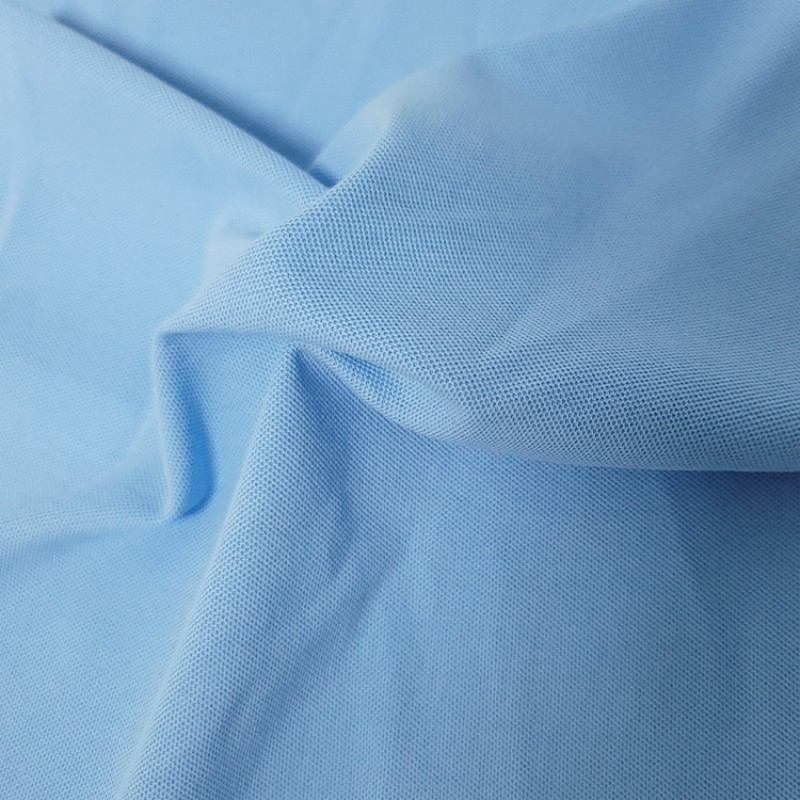
Scuba fabric has a spongy, smooth surface. It feels springy when you touch it. The fabric has lots of body with little drape. This quality helps it hold a sculpted silhouette. Sewers sometimes call it ponte’s more sophisticated cousin. It brings a modern feel to garments.
STARKE Textile makes scuba fabric as part of its knitted and bonded fabric range. We offer customizable weight, color, pattern, and finish. STARKE also provides functional treatments like anti-pilling, quick-dry, and moisture-wicking. These options help designers match fabric to specific project needs.
What Is Ponte?
Definition and Composition
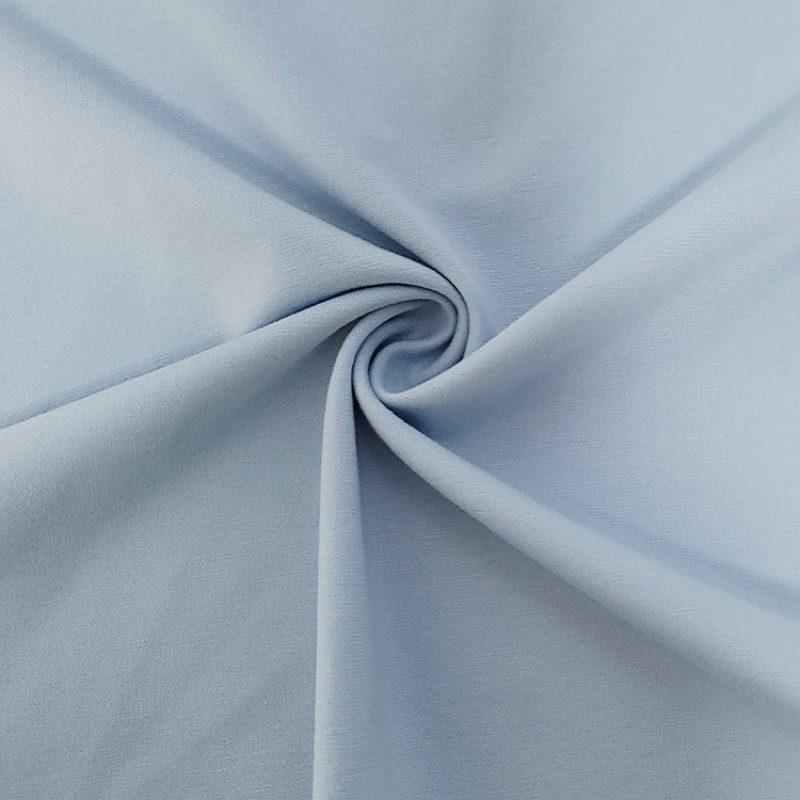
Industry experts say this double-knit fabric feels stable and holds its shape. It is thicker and heavier than a regular jersey knit. At the same time, it stretches and feels comfortable in ways that woven cloth often cannot. This double-knit is made with two sets of needles and yarns. The result is a fabric that does not curl at the edges and keeps its shape well when you cut and sew it.
Manufacturers use several fiber blends to make this double-knit. The most common mix is viscose and spandex. Many versions add nylon for extra strength. Some blends use polyester to make it last longer. Rayon gives it softness and lets air pass through. The chart below shows five common blend options. Each blend gives the fabric a slightly different feel and performance.
Each fiber has a special job in the final fabric. Nylon adds strength and stretch. Rayon makes it soft and breathable. Polyester boosts durability and strength. Cotton is often added for comfort. Linen gives it texture and breathability. Polyamide adds more toughness and stretch. This variety lets makers create unique fabrics for different uses. Fabric weight can range from 210 GSM to 350 GSM for various projects.
STARKE Textile makes this double-knit as part of its line for casual, outdoor, and sports clothing. As a factory that controls all steps of production, the company offers good wholesale prices. Customers can ask for custom weight, color, pattern, and finish. Extra treatments like anti-pilling, quick-dry, and moisture-wicking add more value for buyers.
Texture and Hand Feel
This double-knit feels softer and less shiny than scuba fabric. Its surface has a stable, smooth drape that looks tailored. Some versions have a slightly grooved texture. This comes from how the double-knit is made and what fibers are used. The high amount of viscose in many blends makes the fabric feel soft. Nylon adds strength without changing the matte look.
The fabric keeps a tailored shape well. It does not have the spongy, sculpted feel of scuba. Instead, it gives a smooth, professional finish. This makes it perfect for clothes that need shape but are not stiff. Designers choose it for fitted dresses, leggings, and comfortable tailored pieces. The fabric moves with the body and snaps back to its original shape. This recovery makes it a dependable choice for close-fitting designs.
Scuba Fabric vs. Ponte: Key Differences
Fiber Content and Stretch
Fiber content tells these two fabrics apart right away. Scuba fabric usually mixes polyester with lycra or elastane. This blend gives the material its springy, smooth feel. The elastane in scuba is often between 5 and 10 percent. That amount gives it a little stretch. The fabric bounces back, but not as strongly as some other knits.
Ponte follows a different recipe. Makers build it from viscose and lycra, or they mix rayon, nylon, and polyester. Many versions add cotton or linen for more comfort and breathability. The spandex in ponte often reaches 15 to 20 percent. This higher amount links directly to better stretch recovery and shape retention. A good ponte returns to its first shape after stretching without lasting damage.
Spandex (elastane or Lycra) is the part responsible for ponte’s stretch and shape retention.
The fiber story for scuba knit is less clear. Research describes its construction as a double-knit with fine-gauge fibers and smooth thread. Specific fiber types are not always named. This suggests the makeup may vary widely or stay proprietary to certain mills. Ponte, by contrast, has well-documented blends that sewers can trust.
Drape and Structure
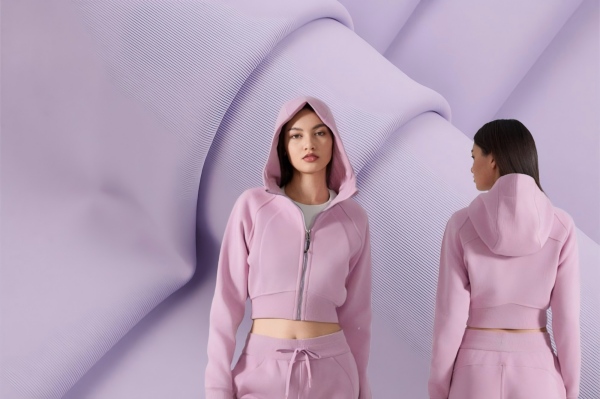
Thickness drives the difference in drape. Scuba fabric is thicker than ponte. This extra body gives it more structure and springiness. The material holds a sculpted silhouette with full-bodied drape. Designers pick it for smooth, sculptural fashion shapes. A scuba dress or jacket keeps its intended form without collapsing.
Ponte is thinner. It offers a stable, tailored drape with controlled stretch. The fabric balances structure with everyday wear comfort. It moves with the body and snaps back into place. This quality suits tailored trousers, dresses, and jackets that need shape without stiffness.
| Attribute | Scuba Fabric | Ponte Fabric |
|---|---|---|
| Body and Shape | More visual body, cleaner structured look | Balances structure with comfort |
| Structure | Holds shape without stiffness | Stable tailored drape |
| Best Use | Dresses, structured tops, hoodies | Tailored trousers, dresses, jackets |
| Key Risk | May overbuild garment (too hot or bulky) | Less sculptural body than scuba |
Texture adds another layer of difference. Scuba fabric feels smooth without grooves. Its surface has a sleek, slightly spongy quality. Ponte feels softer and more matte. Some versions show subtle grooves from the knitting process. The high viscose content in many ponte blends creates this softer hand.
The key differences come down to thickness and modulus rather than the fabric label itself. A sewer who wants a bold, architectural shape reaches for scuba. A sewer who wants a polished, comfortable fit reaches for ponte. Both fabrics serve distinct purposes in a well-planned wardrobe.
Sewing and Using Each Fabric

Sewing Properties
Both scuba fabric and ponte are double-knits that work well for beginners. Scuba fabric does not fray when you cut it. Sewers can leave seams raw for a neat finish. A light spray of starch on the edges stops curling while you cut. This easy trick keeps the fabric flat and steady on the cutting table. Scuba fabric sews well on standard machines. A universal or ballpoint needle works best. The fabric feeds evenly without puckering. It needs no special needle or thread for most projects.
Ponte also sews smoothly with the same needle choice. This stable knit does not stretch out of shape while you sew. It holds seam lines well and presses easily with a medium iron. STARKE offers functional treatments for both fabrics. Options include anti-pilling, quick-dry, and moisture-wicking finishes. A supplier can custom-treat the fabric for sportswear uses. These treatments add performance without changing how it sews. Both fabrics give professional results, even for newer sewers.
Best Projects for Each
Scuba fabric works great in structured garments. The fabric’s body creates a sculptural shape that stands away from the body. Sewing pattern companies suggest these five project types:
- Fit-and-Flare Dresses — scuba gives the skirt natural volume and molds well to the bodice for a dramatic shape.
- Bodycon Skirts — the fabric hugs curves without clinging too tightly and resists wrinkling all day long.
- Peplum Tops — the flare at the waist holds its shape for a crisp, sculptural look that does not droop.
- Zip-Up Jackets — scuba offers warmth without bulk for sporty outerwear that keeps its structure.
- Wide-Leg Pants — the stretch and smooth structure keep trousers sleek without bagging out.
Sewdirect confirms the dress category. Patterns like M8058 and Vogue 1950 work perfectly in scuba. The latter even has raw edges because scuba does not fray. This design choice saves finishing time.
Ponte suits different needs. It drapes more than scuba and fits the body gracefully. Fitted dresses, leggings, and tailored trousers benefit from ponte’s comfortable stretch and shape recovery. The fabric returns to shape after a full day of wear. Choose scuba for bold, architectural shapes that stand away from the body. Choose ponte for polished, everyday garments that move with the wearer. A custom supplier can guide buyers toward the right fabric for their specific project needs.
Scuba fabric and ponte remain distinct double-knits with clear differences in fiber content, texture, and drape. Scuba fabric features a spongy texture and sculptural body. It holds bold shapes without collapsing. Ponte offers a softer hand and tailored stability. Fiber content, stretch, and drape set these two fabrics apart. Designers choose scuba for structured jackets or dramatic dresses. They choose ponte for comfortable fitted garments or leggings. Both fabrics sew easily and give professional results. The right choice depends on the project silhouette and comfort needs. Sewers should consider these factors before buying yardage. Readers are invited to share their experiences with these double-knits in the comments below.
FAQ
Does scuba fabric contain neoprene?
No, scuba fabric does not have neoprene in it. It gets its name because it looks like neoprene fabric, which people know from wetsuits. Scuba fabric is made with a double-knit structure instead. It feels spongy like neoprene but has no rubber core. This makes scuba fabric lighter and more flexible than neoprene.
How does scuba fabric compare to neoprene fabric?
Scuba fabric and neoprene fabric are built in different ways. Neoprene fabric has a foam core glued to knit backing. Scuba fabric uses only knitted yarns. Neoprene keeps you warm and blocks water. Scuba fabric gives you stretch and lets air through. Designers pick neoprene for wetsuits and scuba fabric for fashion clothes.
Can sewers use scuba fabric for swimwear?
Sewers can use scuba fabric for swimwear, but they should be careful. The fabric does not soak up water as much as many knits do. However, scuba fabric does not keep you warm like neoprene does. For swimming in warm water, scuba fabric works well. For cold water, neoprene is still the better pick.
Which fabric works better for athletic wear?
Both fabrics help athletic wear in their own ways. Scuba fabric is light, stretches, and is easy to sew. Neoprene is tough and keeps you warm for water sports. Ponte feels soft and holds its shape for yoga or running. STARKE offers special treatments like moisture-wicking for sportswear uses.
How should people care for scuba fabric garments?
People should wash scuba fabric in cold water. Gentle cycles stop stretching and pilling. Air drying keeps the shape in good condition. Heat harms the spandex fibers inside scuba fabric. Neoprene needs care that is much the same. Neither fabric should go in a hot dryer.