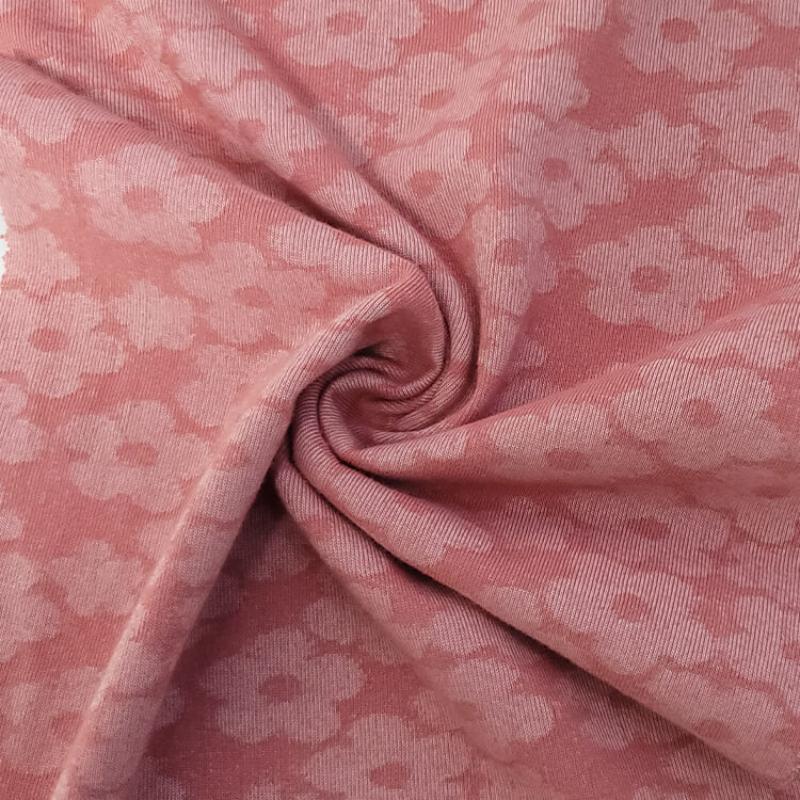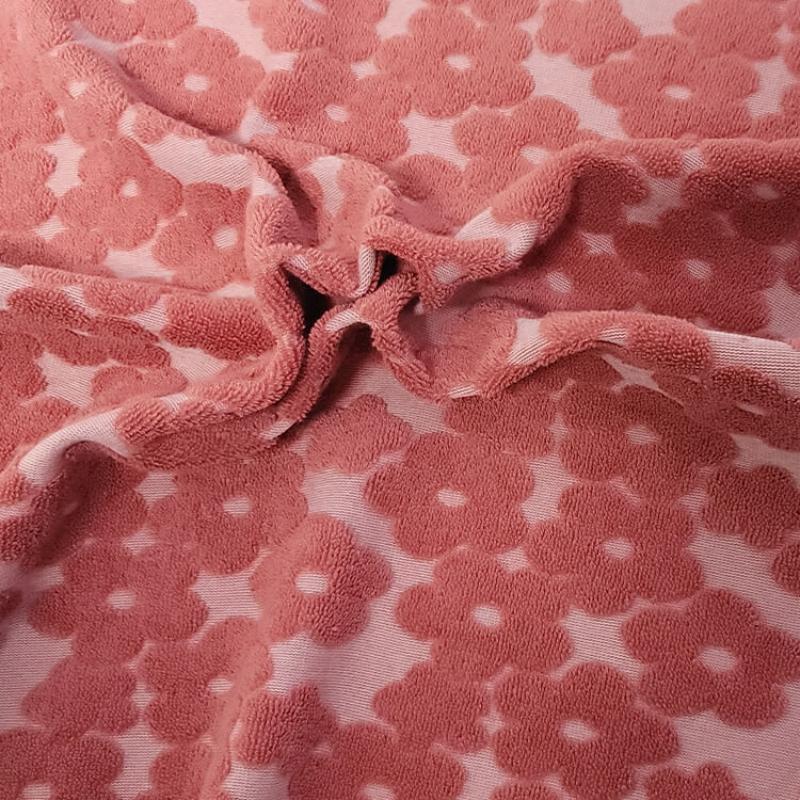
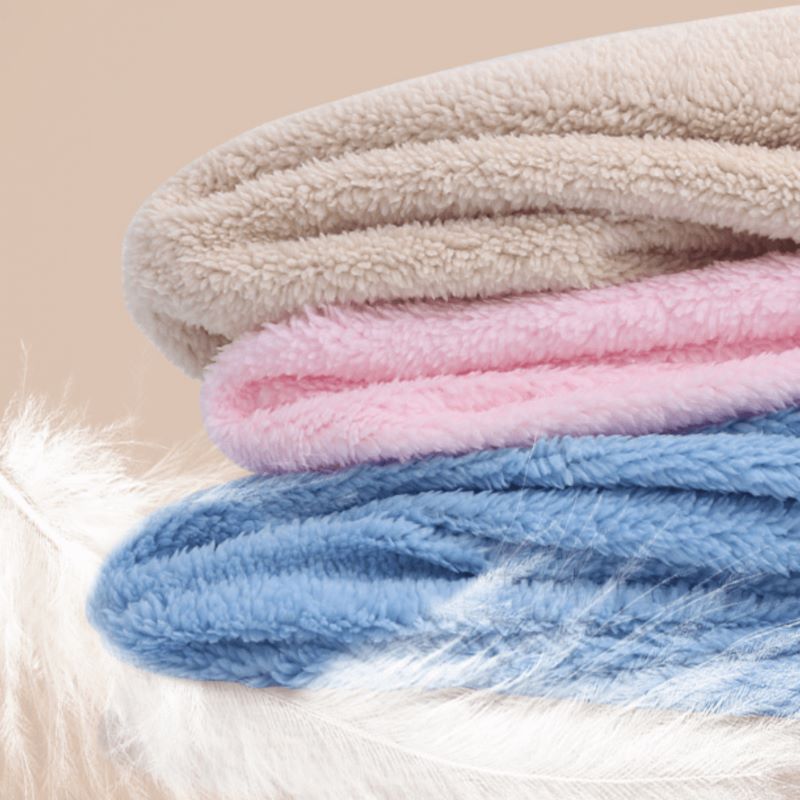
Wondering what faux sherpa is officially named? Artificial lamb’s wool, interchangeably called imitation lamb’s wool, synthetic lamb’s wool and faux lamb’s wool, is designed to replicate the visual characteristics of natural lamb’s wool and sheepskin. It is produced from synthetic materials including acrylic and polyester.
Key Takeaways
- Synthetic fleece, also known as artificial lambskin or lambskin, is made from man-made fibers such as polyester and acrylic. It is soft, skin-friendly, and animal-friendly, making it an ideal alternative to real lambskin.Synthetic fleece has a wide range of uses, including in clothing, accessories, and home furnishings. It is lightweight, easy to wash, and can be styled in various ways, helping brands create a unique look.
Faux Sherpa Names
Common Names for Synthetic Lambswool
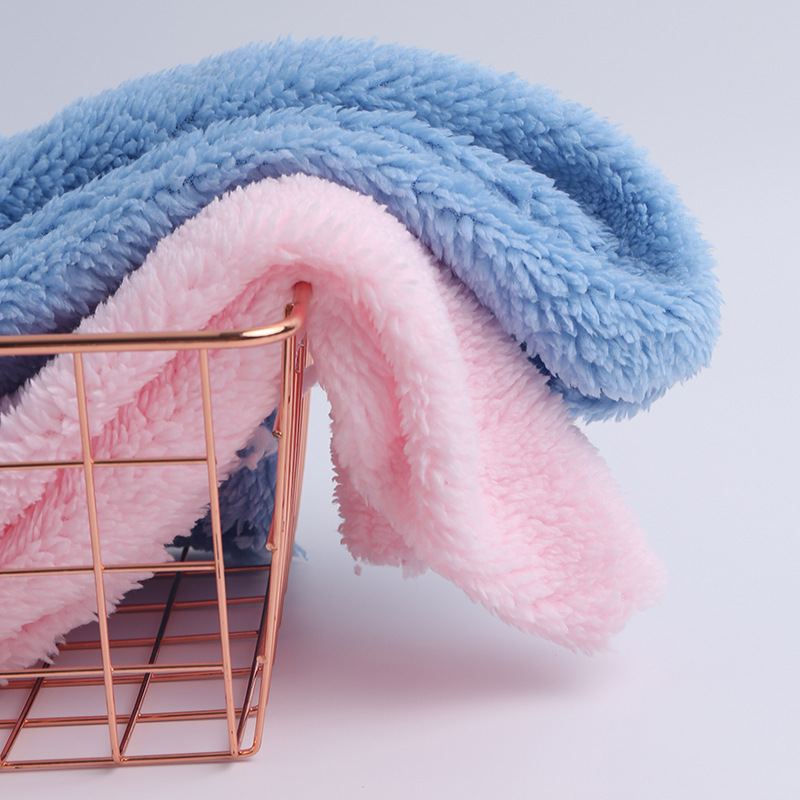
The textile industry uses several different names for synthetic lambswool. The name “synthetic lambswool” indicates that the fabric is not derived from animals. “Lambswool” is another common name. Clothing and home furnishing brands use lambswool to make jackets, blankets, and linings. Fashion magazines and product catalogs use the name “synthetic lambswool.” In some places, it is also called “imitation lambswool.” All these names refer to the same soft, fluffy material.
Other Names for Synthetic Lambswool
The name for synthetic lambswool has changed over time. The word “lambswool” originates from the Sherpa people of Nepal, who used to use real lambskin for warmth. Over time, “lambswool” began to refer to a synthetic fabric that resembles real lambskin in appearance and feel. In the 1960s, it was called “wool wool” or “orlon wool wool.” By the 1960s, the term “lambswool” had become very common, especially after manufacturers began producing synthetic lambswool jackets and blankets.
Today, synthetic sherpa fleece has many other names. The table below lists some common names and their applications:
| Alternative Name | Context of Use |
|---|---|
| Synthetic Sherpa | Stores use this for animal-friendly products |
| Sherpa Fleece | Clothing and blanket makers use this name |
| Faux Shearling | Fashion magazines use this name |
| Fake Sherpa Fabric | Used in different places for the same material |
| High-Pile Fleece | Used for thick, fluffy fabrics in many ways |
Factories and retailers choose appropriate names based on market conditions or product demand. All these names refer to fabrics made from polyester, acrylic, or cotton blends. The goal is to produce soft, warm, and durable products with performance comparable to genuine sheepskin.
Synthetic sheepskin is favored by the textile industry for its practicality and comfort. Brand owners, manufacturers, and buyers know that if they see “synthetic sheepskin,” “sheepskin fabric,” or “artificial sheepskin,” it means they are buying a high-quality alternative to classic sheepskin.
Faux Sherpa vs. Real
Synthetic Wool Fabric Comparison
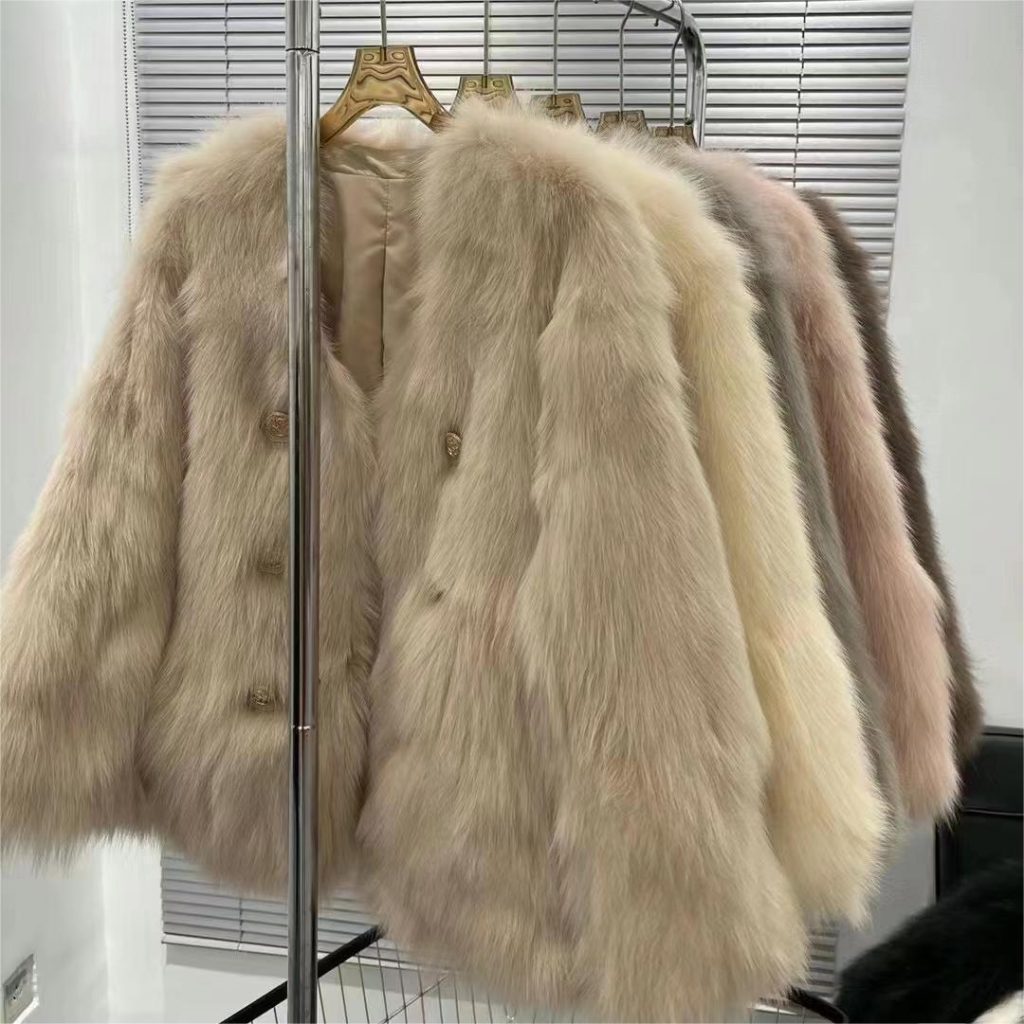
Wool fabrics are mainly divided into two categories: genuine wool and synthetic wool. Genuine wool is made from animal fur and retains the natural characteristics of wool. Synthetic wool is made from synthetic fibers such as polyester or acrylic. Some manufacturers blend cotton with polyester fibers to make it softer. The table below lists the main differences between the two:
| Type | Material Composition |
|---|---|
| Real Sherpa | Made from animal skin/hide with wool left on it |
| Faux Sherpa | Made from synthetic materials like polyester or acrylic |
Faux Sherpa Production Process Differences
Different factories use different methods to produce lambswool fabric. Real lambswool requires delicate processes such as tanning and finishing. Synthetic lambswool is woven using knitting machines, resulting in its fluffy and soft texture. Manufacturers are committed to maintaining consistent product quality and preventing pilling. They use strong fibers and linings to make lambswool more durable and less prone to pilling. Buyers can customize colors, thicknesses, and patterns according to their needs.
Faux Sherpa Appearance and Touch
Lambswool fabric strives to resemble real wool in both appearance and feel. Synthetic lambswool is soft, warm, and lightweight. New weaving and dyeing processes allow factories to make lambswool look even more realistic. Real lambswool is heavier and has a unique texture. Synthetic lambswool offers a fluffy and comfortable feel. It is ideal for making outerwear, blankets, and home furnishings. Additional features such as moisture-wicking properties make it even more appealing to buyers.
Faux Sherpa Uses
Apparel & Outerwear
Stylish flannel is widely used in a variety of garments. Factories use it to make jackets, vests, and coats. These garments are soft to the touch and provide excellent warmth. Flannel linings make hoodies and sweatshirts even more comfortable. Many brands choose stylish flannel because it is lightweight and easy to wash. Starke offers custom flannel fabrics for outerwear. Their knitted fabrics allow brands to choose the length, color, and thickness of the fleece. This helps designers create exclusive styles for each season.
| Feature | Starke Customizable Options | Standard Options |
|---|---|---|
| Pile Length | Yes | No |
| Color Options | Yes | Limited |
| GSM (Thickness) | Yes | Fixed |
| Printing Capabilities | Yes | No |
Accessories
Lambswool is ideal for making accessories. Factories use synthetic lambswool to make hats, scarves, gloves, and slippers. These items are warm and comfortable to wear in cold weather. Many suppliers offer custom design services for corporate clients. Starke is a trusted manufacturer of high-quality lambswool accessories. Their fabrics meet stringent safety standards. OEKO-TEX® STANDARD 100 certification indicates that their textiles are safe and harmless.
| Certification Name | Description | Global Recognition |
|---|---|---|
| OEKO-TEX® STANDARD 100 | Textiles tested for harmful substances, ensuring safety | Highly recognized |
| Testing Criteria | Tests for over 1,000 harmful substances | Internationally accepted |
| Certification Validity | Valid for 1 year, requires annual renewal and testing | Standardized globally |
Home Furnishings
Style fleece is highly sought after for its softness and comfort, and is frequently used in home furnishings. Factories produce fleece shawls, blankets, and pillowcases, all known for their soft and warm touch. Sales of synthetic fleece home furnishings surge during the colder months, as consumers appreciate their comfortable feel and warm texture. This trend aligns with the popularity of high-end fabrics such as velvet and velvet. Starke is a trusted supplier of custom home textiles, and its factory can handle large orders from wholesale clients. Customers can choose colors, patterns, and thicknesses according to their specific needs.
Note: Starke’s focus on quality and certifications helps brands trust their faux sherpa for many uses.
Faux sherpa is sometimes called sherpa fleece or faux shearling. It keeps you warm and feels soft. It is also strong and lasts a long time. Makers use fake fibers to make sherpa. This makes it feel fluffy and light. The table below shows the main benefits:
| Benefit | Faux Sherpa | Real Shearling |
|---|---|---|
| Animal-Friendly | Yes | No |
| Lightweight Comfort | Yes | No |
| Moisture-Wicking | Yes | Limited |
FAQ
What is synthetic fleece made of?
Factories typically use polyester, acrylic, or cotton blends. These fibers are not natural fibers, but they give synthetic fleece its soft, warm properties, and the fabric is lightweight.
Can factories customize synthetic fleece for wholesale orders?
Yes. Factories can change the color, thickness, and pile length. Buyers can make special requests to get the product they want.
Is synthetic fleece suitable for home furnishings and clothing?
Synthetic fleece is ideal for home furnishings and clothing. Brands use it in blankets, coats, and accessories. It is durable and easy to clean.