Understanding Cationic Fabrics: Features, Benefits, and Applications

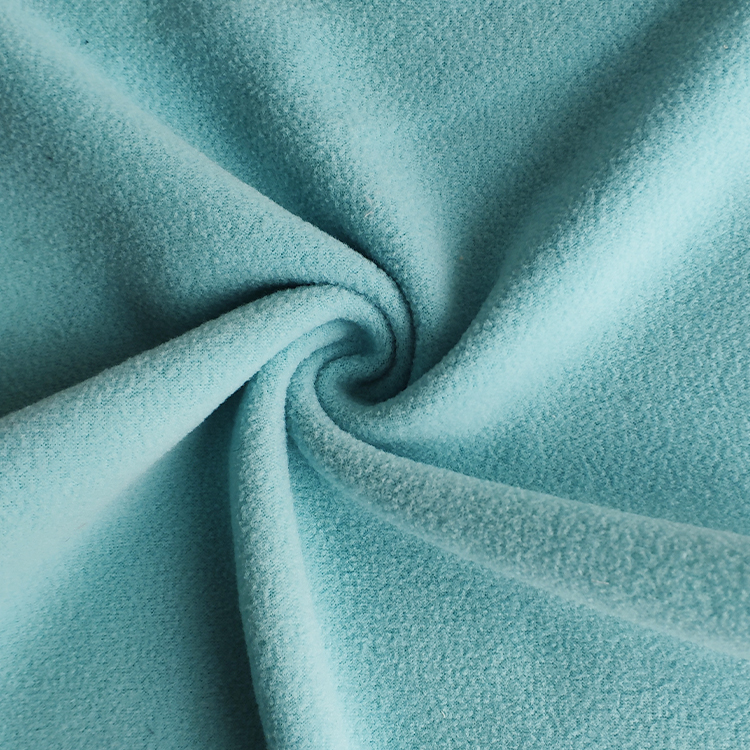
Cationic fabrics, a revolutionary advancement in textile technology, are primarily composed of modified polyester, known as cationic polyester. This innovative fabric undergoes a specialized processing technique that introduces positively charged chemical groups, or cations, into the fiber structure. This modification not only enhances the fabric’s dyeing capabilities but also imparts a range of functional characteristics that make it increasingly popular in various applications.

Core Principles of Cationic Fabrics

The foundation of cationic fabrics lies in the cationic modification process. During the polyester spinning phase, cationic additives, such as sulfonic acid groups, are integrated into the fiber. This results in a unique fiber that possesses a positive charge, setting it apart from traditional polyester fabrics. The dyeing process for cationic fabrics is notably different; these fibers are more receptive to negatively charged dyes, particularly cationic dyes, which require high temperature and pressure for effective application. This distinct dyeing method allows for vibrant colors and enhanced durability.

Main Features of Cationic Fabrics

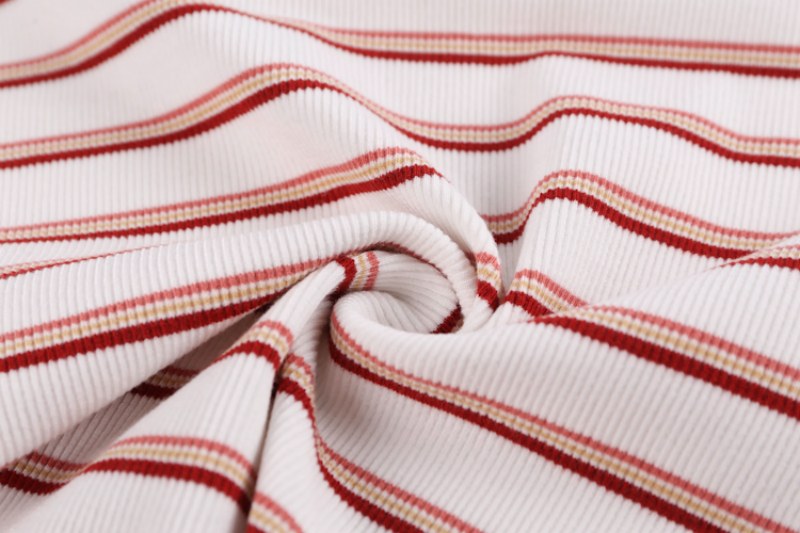
1. Two-Color Effect (Yin and Yang): One of the standout features of cationic fabrics is their ability to create a striking two-color effect when blended with ordinary polyester. This phenomenon occurs due to the differing dyeability of the two fibers, resulting in a visually appealing contrast of dark and light shades using the same dye. This characteristic is particularly favored in the production of imitation linen and wool fabrics, where aesthetic appeal is paramount.

2. Bright Colors & High Color Fastness: Cationic dyes are known for their strong binding properties, which significantly reduce the likelihood of fading over time. This makes cationic fabrics especially suitable for dark-colored garments, such as navy blue and black, where color retention is crucial. The high color fastness ensures that these fabrics maintain their vibrant appearance even after multiple washes.

3. Moisture Wicking: The unique microporous structure of cationic fibers enhances their moisture absorption capabilities, making them superior to standard polyester fabrics. This feature is particularly beneficial for sportswear, where moisture management is essential for comfort and performance. The ability to wick away sweat helps keep the wearer dry and comfortable during physical activities.

4. Antistatic Properties: Cationic fabrics are designed to neutralize electrostatic charges, which can lead to dust accumulation on clothing. This antistatic property not only enhances the cleanliness of the fabric but also improves the overall wearing experience, making it a practical choice for everyday apparel.

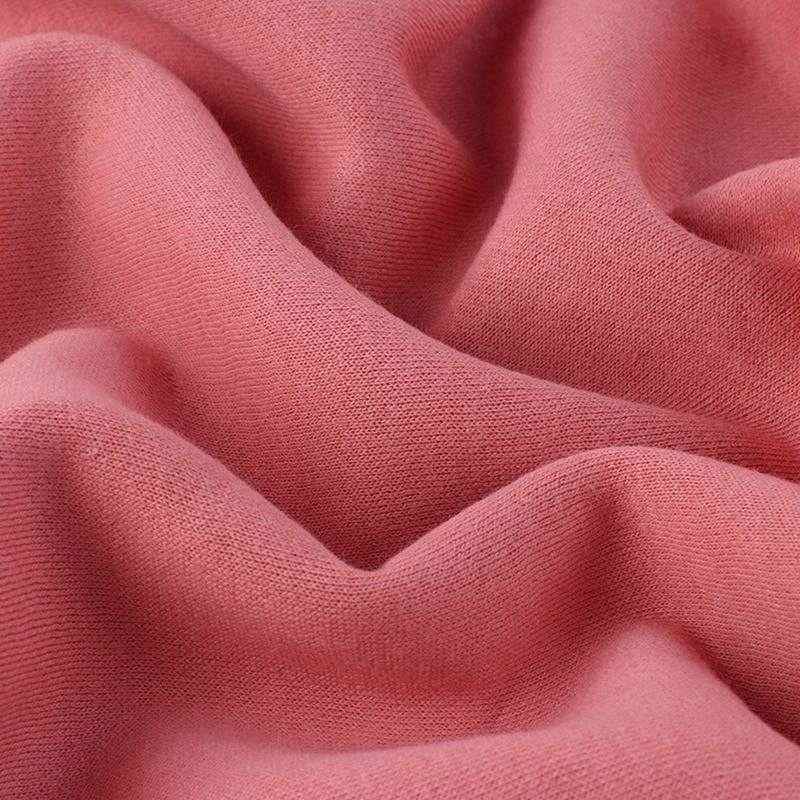
5. Soft and Skin-Friendly: The modification process results in fibers that are more flexible and soft to the touch, closely resembling the feel of natural fibers. This quality makes cationic fabrics an excellent choice for intimate apparel, such as underwear and bedding, where comfort against the skin is a top priority.

Applications and Future Prospects

Cationic fabrics are increasingly being utilized in various sectors, including fashion, sportswear, and home textiles. Their unique properties make them ideal for creating stylish, functional, and comfortable garments. As the demand for innovative textiles continues to grow, cationic fabrics are poised to play a significant role in the future of the textile industry.

In conclusion, cationic fabrics represent a significant advancement in textile technology, offering a combination of aesthetic appeal, functional benefits, and comfort. With their unique dyeing properties and enhanced performance characteristics, these fabrics are set to become a staple in modern apparel and home textiles, catering to the evolving needs of consumers.


Post time: Jun-02-2025