Understanding T-Shirt Fabrics: A Closer Look at Jersey, Pique Mesh, and Roman Fabric

When it comes to choosing the right fabric for T-shirts and other garments, understanding the differences between various materials is crucial. Among the most common fabrics used in the apparel industry are jersey, pique mesh, and Roman cloth. While they may appear similar at first glance, each fabric has its unique characteristics, advantages, and ideal applications. This article delves into the distinctions between these three popular fabrics, focusing on their look, feel, and uses.

Look and Feel

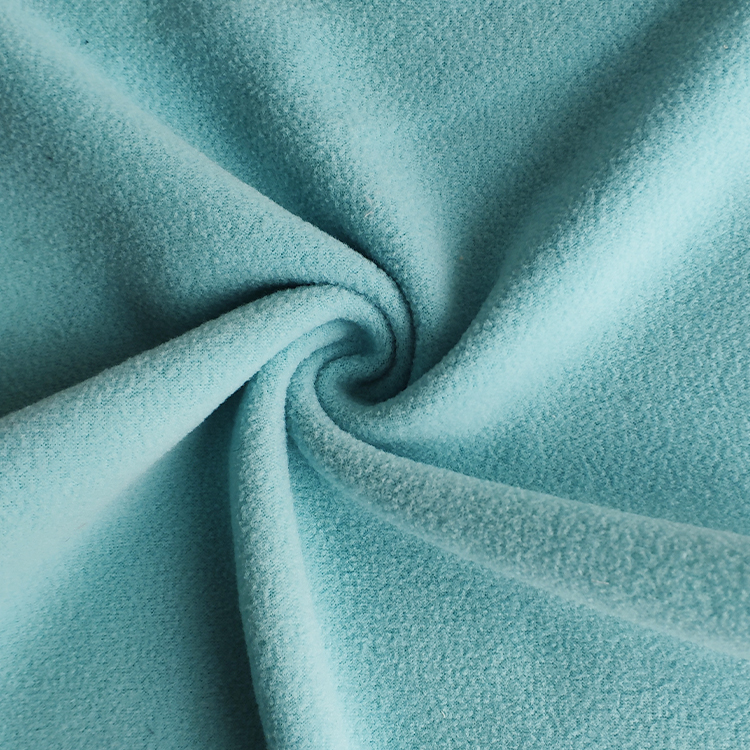
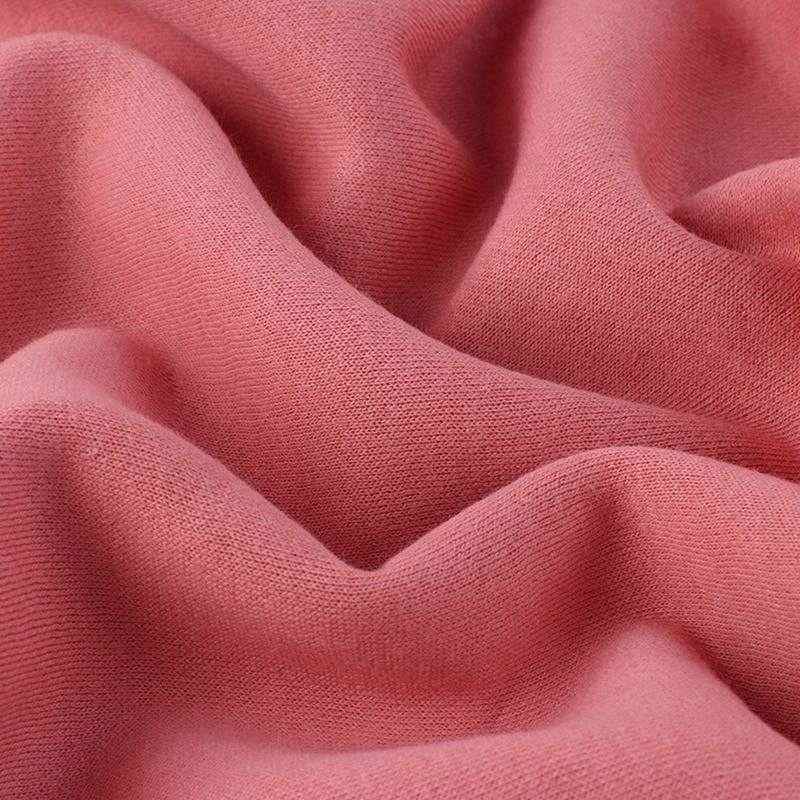
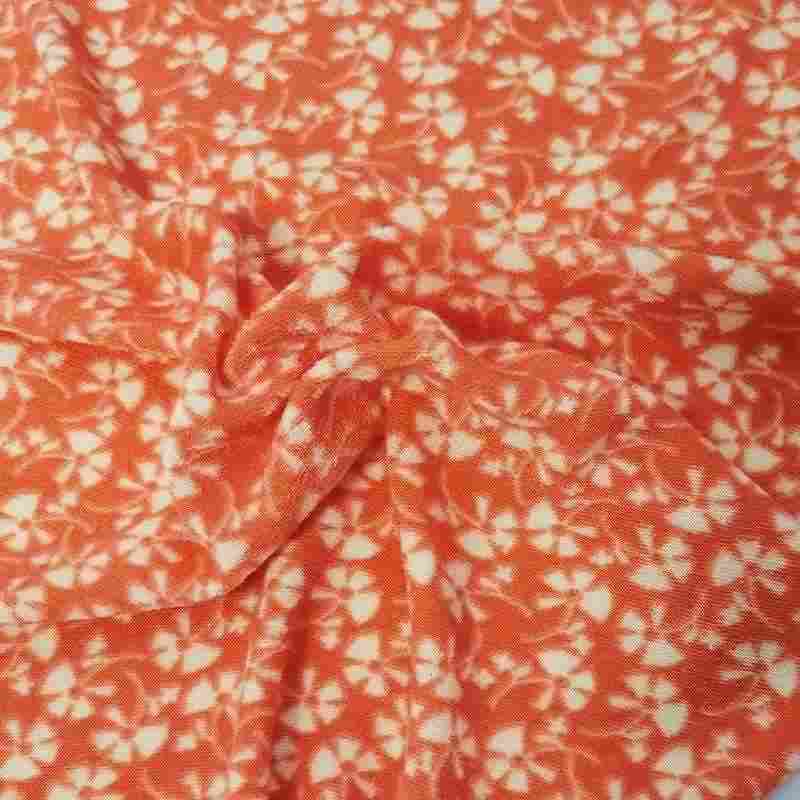
The visual and tactile qualities of a fabric can significantly influence a consumer’s choice. Jersey fabric is known for its smooth surface and clear lines, which are more pronounced on the front side than the back. This fabric boasts a fine texture and a soft feel, making it comfortable against the skin. One of the standout features of jersey is its excellent elasticity; it stretches well both longitudinally and transversely, with the latter being more pronounced. This characteristic makes jersey an ideal choice for garments that require a snug fit.

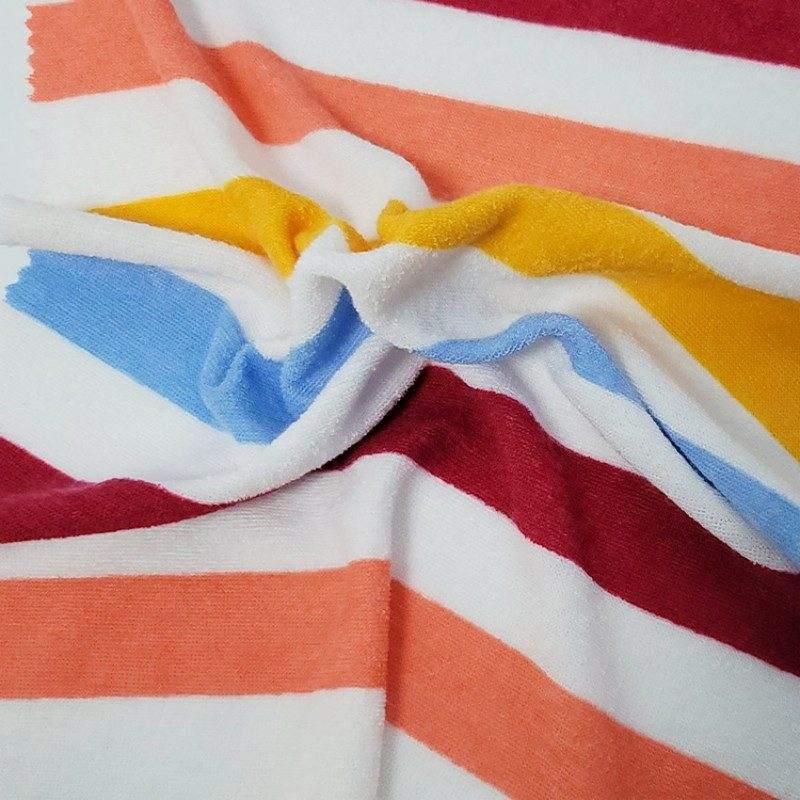
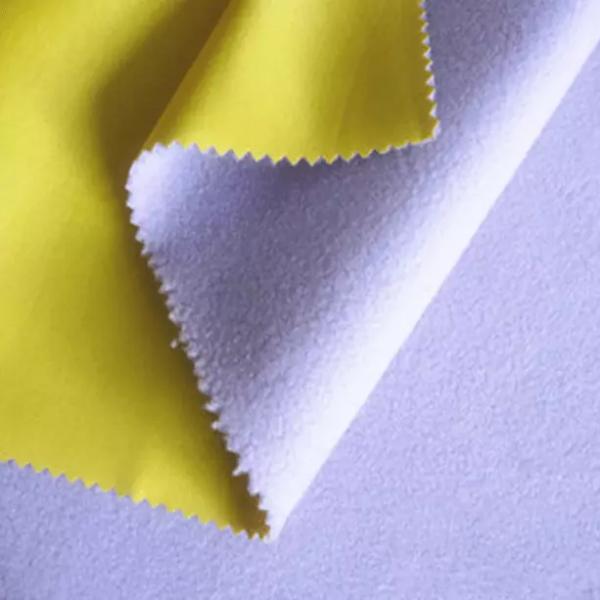
In contrast, pique mesh fabric presents a different aesthetic and tactile experience. Its surface is characterized by a unique honeycomb pattern, featuring sparsely placed pores that create a textured feel. While pique mesh may feel rougher than jersey, it excels in air permeability and moisture absorption, making it a popular choice for activewear. The concave and convex textures of pique mesh not only enhance its visual appeal but also contribute to its functionality in sports and outdoor activities.

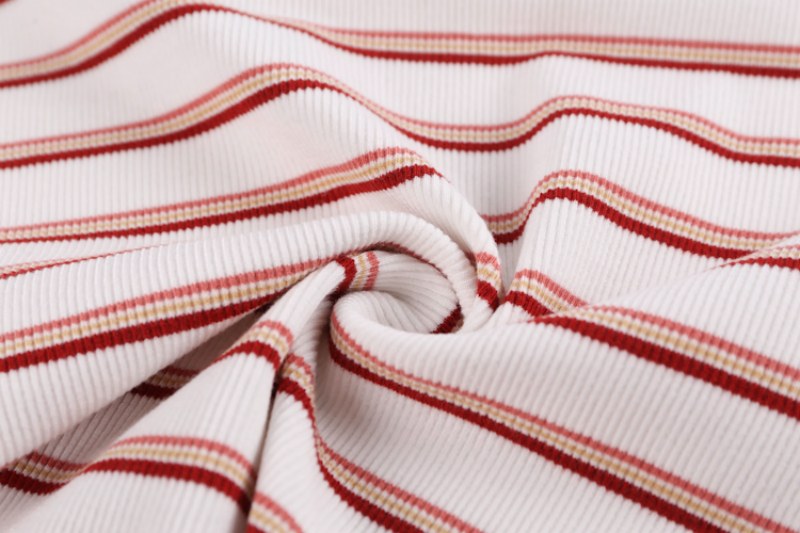
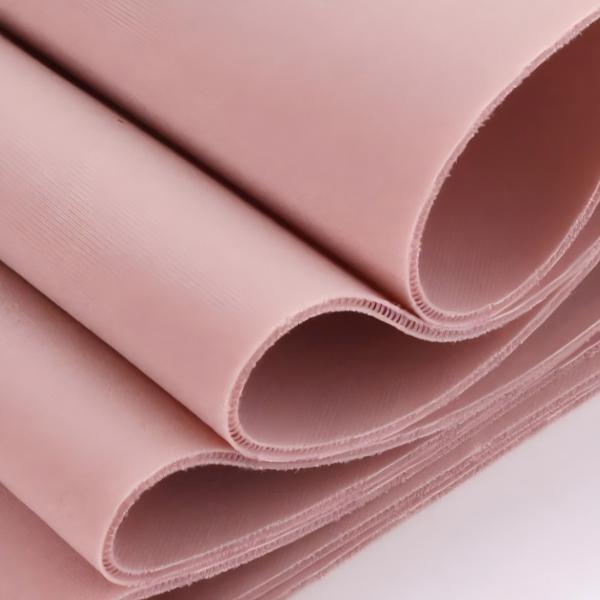
Roman cloth, on the other hand, offers a more sophisticated look with its slightly irregular horizontal stripes. This fabric is not as smooth as typical double-sided cloth, and it has a rougher texture reminiscent of linen. However, Roman cloth is soft and breathable, providing comfort while maintaining a stylish appearance. Its unique texture and thickness make it a versatile option for various fashion-forward garments.

Uses of Each Fabric

The applications of these fabrics vary significantly based on their properties. Jersey fabric is widely used in the production of T-shirts, home clothes, and base layers. Its moisture-absorbent and breathable qualities make it an excellent choice for underwear, ensuring comfort throughout the day. The stretchability of jersey also allows for a flattering fit, making it a staple in casual and athletic wear.

Pique mesh is often the fabric of choice for sportswear and polo shirts. Its ability to wick away sweat while retaining shape and resisting pilling makes it ideal for active individuals. Whether worn on the golf course or during a workout, pique mesh garments provide both comfort and style, allowing for ease of movement without compromising on performance.

Roman cloth, with its thickness and good elasticity, is frequently used in the creation of slim dresses and fashionable coats. The fabric’s unique texture adds an element of sophistication to any outfit, making it suitable for both casual and formal occasions. Designers often favor Roman cloth for its ability to hold structure while providing a comfortable fit, making it a popular choice in contemporary fashion.

Conclusion

In summary, while jersey, pique mesh, and Roman cloth may share some similarities, they each possess distinct characteristics that cater to different needs and preferences. Jersey is ideal for casual and athletic wear, pique mesh excels in sports applications, and Roman cloth offers a stylish option for more formal attire. Understanding these differences can help consumers make informed choices when selecting fabrics for their wardrobe, ensuring both comfort and style in their clothing selections.


Post time: Jun-09-2025