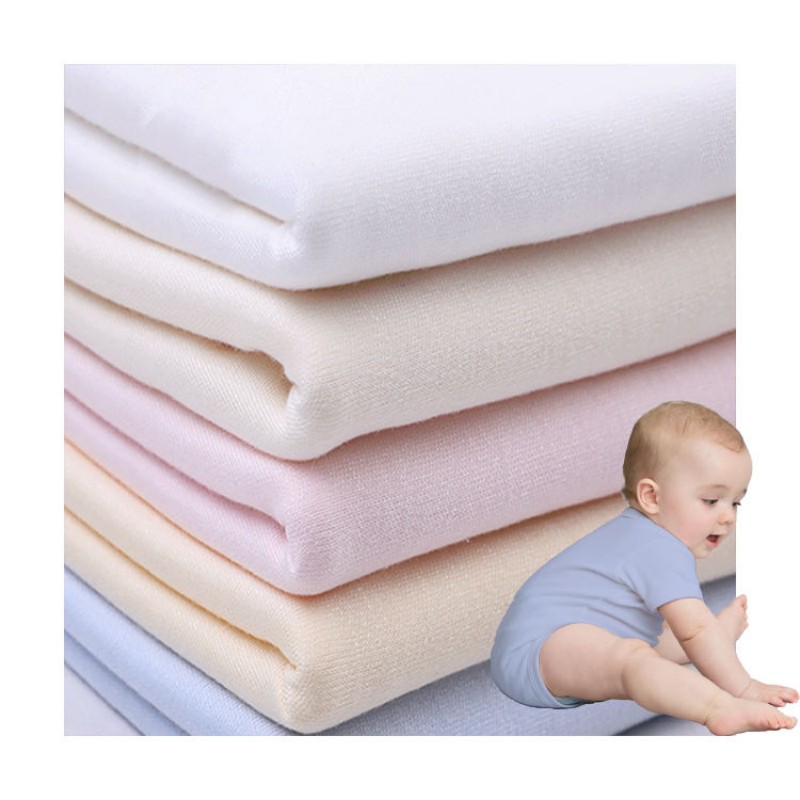
While jersey fabric is celebrated for its soft drape and versatility, its durability can fall short compared to double-knits. To bridge this gap, modern textile manufacturers like Starke offer performance-enhanced jersey fabrics treated with specialized anti-pilling and stabilizing finishes to extend garment lifespan.
- Pilling can happen when the fabric rubs a lot or is used often.
- The edges can curl up, which makes sewing and how it looks harder.
- The fabric can shrink and lose its shape after you wash it.
- Some blends can hold moisture and stay wet longer.
- Jersey fabric does not have as much structure as woven or ponte fabrics.
- Proper care is essential, particularly for natural cotton and delicate viscose jersey knits.
Key Takeaways
- Jersey fabric can get little balls and catch on things. This makes clothes look old fast. Pick fabrics with special treatments to last longer.
- The edges of jersey fabric may roll up. This makes sewing harder and changes how clothes look. Use tighter knits or special finishes to stop rolling.
- Dimensional Instability: Jersey fabric is prone to significant relaxation shrinkage and distortion after laundering. Sourcing pre-shrunk or heat-set knits is critical to maintaining garment measurements and fit.
Jersey Fabric Pilling and Snagging
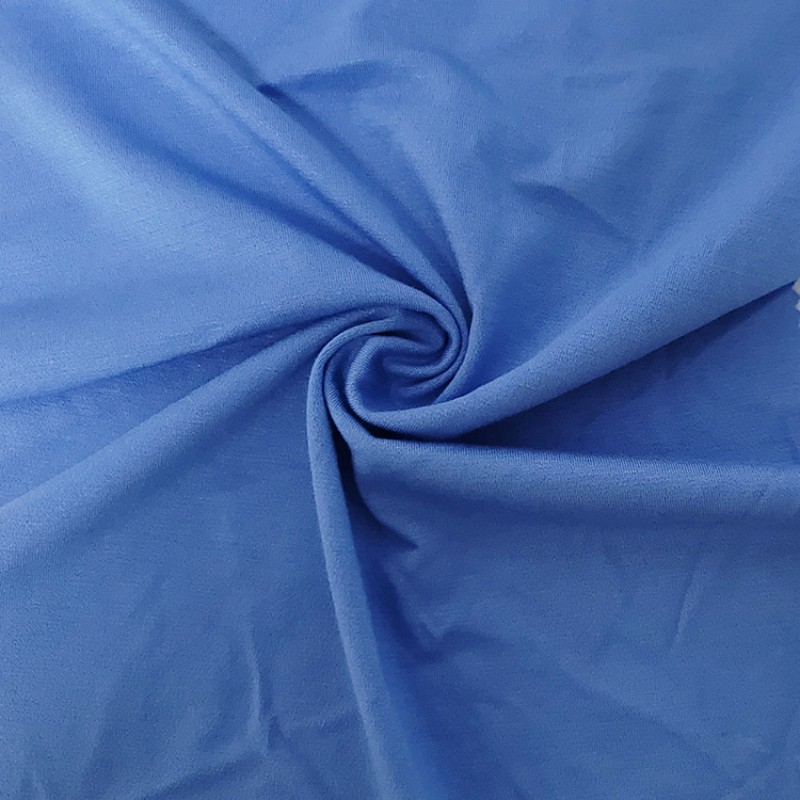
Jersey fabric can get pilling and snagging. This happens a lot where the fabric rubs together. Many companies see that these problems change how clothes look and feel. Pilling means little balls of fiber show up on the fabric. These balls make clothes look old and used, even after a few washes.
Causes of Pilling
Textile research shows there are a few main reasons for pilling in jersey fabric:
- Rubbing and scraping from wearing or washing break fibers and make them tangle.
- Short and weak fibers, like in some viscose knit fabric, pill more easily.
- Loose Knit Structure: Low-gauge or loosely knitted fabrics allow short fibers to migrate easily to the surface, accelerating pill formation under friction.
- Aggressive Laundering: High-temperature washing and harsh chemical detergents weaken surface fibers, causing them to fracture and entangle.
Many factories and buyers try to stop pilling. Starke is a trusted supplier that has anti-pilling treatments. These treatments help jersey fabric stay smooth and last longer. This keeps the fabric looking new, which is important for brands that want good quality.
Snagging Issues
Snagging occurs when the open loops of a single-jersey structure catch on sharp objects, pulling the yarn out of the fabric plane and leaving visible fabric defects. This is particularly prevalent in filament synthetic jersey. Increasing the stitch density (tightness factor) and applying silicone softeners can create a slicker surface, reducing the friction coefficient and minimizing snagging risks during wear.
Edge Curling in Jersey Knit Fabric
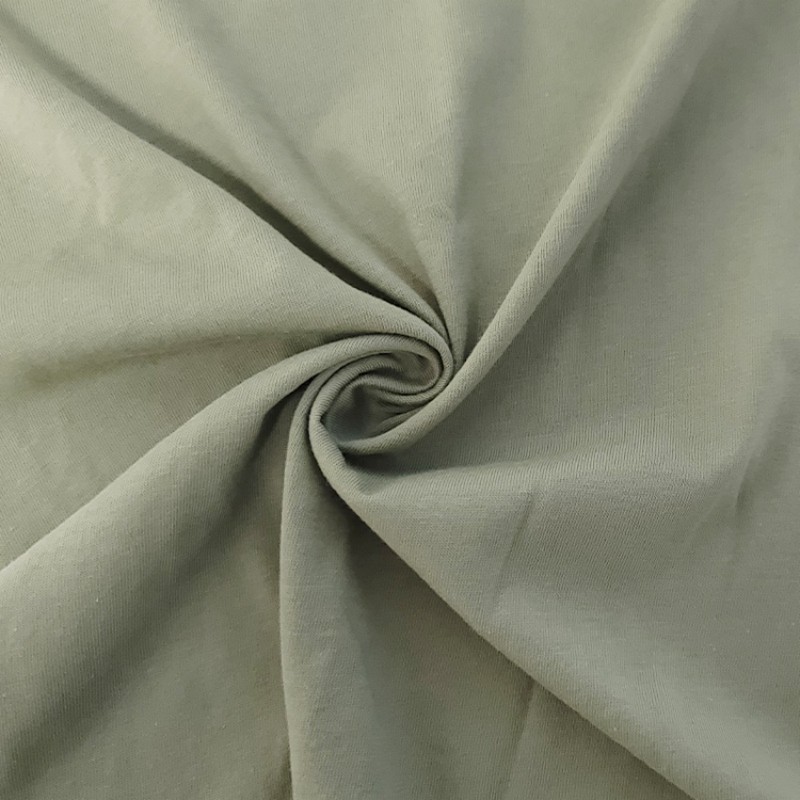
Why Edges Curl
Single jersey fabrics have a natural tendency to curl at the cut edges due to the inherent unbalanced internal stresses of the knit structure.
| Mechanical Factor | Technical Explanation | Manufacturing Impact |
| Residual Yarn Torque | Yarn bends and twists during circular knitting, storing elastic energy that releases at cut edges. | Causes fabric to roll toward the technical face along the courses. |
| Anisotropic Tensile Response | The asymmetrical geometry of the needle and sinker loops reacts unevenly to tension. | Results in edge curling toward the technical back along the wales. |
| Structural Asymmetry | Single knit lack the face-and-back symmetry found in interlock or rib knits. | Makes garment cutting and automated sewing highly inefficient. |
Jersey fabric, especially single jersey knit fabric, curls more than other types. The loops in knit fabric make tension at the edges. This tension causes curling.
Impact on Garment Appearance
Edge curling creates problems for clothing makers and designers. Fashion reports show several issues:
- Sewing Inefficiencies: Curling edges complicate fabric alignment during high-speed overlock sewing, often resulting in distorted seams or uneven hems.
- Reduced Seam Durability: Curled edges create bulkier seams that rub against the skin, increasing friction and accelerating fabric wear at the garment’s critical stress points.
- Diminished Aesthetic Value: In t-shirts and dresses, unaligned hems or twisting necklines immediately signal low quality to consumers, undermining the brand’s perceived value.
Clothes that need careful cutting and stitching, like t-shirts or dresses, have the most trouble with curling edges. Many makers use special ways, like stable knit structures or heat setting, to fix this problem and make their products look better.
Jersey Fabric Shrinkage and Shape Loss
Shrinkage After Washing
Jersey fabric can get smaller after you wash it the first time. The loops in the fabric relax and pull together when they touch water and heat. How much the fabric shrinks depends on the fiber type and if it was pre-treated. Cotton knit fabric and viscose knit fabric shrink a lot. Polyester jersey shrinks less.
Tip: Check if the fabric is pre-treated before you buy clothes. This helps keep the size stable.
The table below shows how much different jersey fabrics shrink after washing:
| Fabric Type | Shrinkage Rate |
|---|---|
| Cotton Jersey | 5-8% |
| Polyester Jersey | <3% |
Tests like AATCC TM135 measure shrinkage after home washing. Pre-treated knit fabric shrinks less than untreated fabric, as shown here:
| Fabric Type | Shrinkage Rate |
|---|---|
| Pre-treated | Less than 3% |
| Untreated | 5% to 10% or more |
Shape Distortion Over Time
Jersey fabric can lose its shape after many washes and wears. The single knit construction stretches easily but does not always go back to its original shape. Over time, clothes may look baggy or twisted. Ribbed knit fabric keeps its shape better than jersey fabric. Jersey fabric changes shape faster. This affects how t-shirts, dresses, and sportswear fit and look.
Manufacturers pick ribbed or ponte fabrics for clothes that need to keep their shape. They may use special finishes to help jersey fabric last longer. Knowing these differences helps buyers choose the right knit fabric for what they need.
Jersey Fabric Shedding
Lack of Form in Jersey Knit Fabric
Jersey knit fabric is made by looping yarns together. This makes the fabric stretch and bend easily. Clothes made from jersey fabric fit close to your body. They feel soft and comfortable. But jersey fabric does not keep sharp lines or shapes like woven fabrics. It does not look crisp or neat. Designers say it is hard to make formal clothes with jersey fabric. The fabric works well for casual clothes. It is not good for business or dress outfits.
Shedding and Wrinkling
Jersey knit fabric can shed, especially if the yarns are loose or not high quality. Shedding happens when small fibers break off and stick to other things. The fabric also wrinkles because it does not have much structure. Makers use different ways to stop shedding. They pick yarns that hold fibers together. They use tight knits to make the fabric stronger. They wash the fabric before making clothes to get rid of weak fibers. They add light finishes to keep the surface stable. Sometimes they mix natural and synthetic fibers to make the fabric softer. They teach people to wash jersey fabric gently. These steps help jersey fabric last longer and look nicer. Good care and smart choices make clothes stronger and less likely to shed or wrinkle.
Jersey Fabric Care and Challenges
Special Washing Needs
Jersey fabric needs gentle washing to stop shrinking and wrinkling. Experts say you should use cool or cold water with soft soap. Pick a gentle wash cycle or wash by hand if the item is delicate. Do not use bleach or fabric softener because they can hurt the fibers and turn them yellow. Take clothes out of the dryer when they are still a little wet to help stop wrinkles. Dry on low heat or let them air dry to keep them from shrinking and fading. If you need to iron, use medium heat while the fabric is still a bit damp. These tips help jersey fabric keep its shape and stop the edges from curling. Viscose knit fabric needs even more care because it can snag and shrink easily. Makers tell people to follow these steps so their clothes last longer.
Stain and Wrinkle Removal
It is hard to get stains out of jersey fabric. The fabric soaks up spills fast, so stains are tough to clean. Jersey fabric also wrinkles easily because it is soft and stretchy. Some brands let you pick special features to make the fabric easier to care for and stronger. For example, Starke lets customers choose things like anti-pilling, moisture-wicking, and different fabric weights. The table below shows how jersey fabric compares to pique fabric:
| Feature | Jersey Fabric | Pique Fabric |
|---|---|---|
| Breathability | Moderate | Enhanced due to textured surface |
| Moisture-wicking | Limited | Superior |
| Clinging | Tends to cling to the body | Holds its form better |
| Durability | Prone to pilling and wear | Engineered for durability |
| Structure | Single layer, less stable | Stable structure with flexibility |
Picking custom options helps companies fix shrinking and wrinkling. This makes knit fabric work better for many uses.
Jersey fabric has problems like pilling, curling, shrinking, and losing shape. The table below lists important things to think about when picking knit fabric:
| Fabric Type | Disadvantages |
|---|---|
| Cotton | Not very strong, shrinks, lets air through |
| Synthetic | Can bother skin, can affect how you grow |
Starke gives special finishes for knit fabric. These finishes help sportswear and casual clothes work better.
FAQ
What causes jersey fabric to pill?
When you wash or wear jersey fabric, it rubs a lot. This rubbing breaks the fibers in the fabric. The broken fibers turn into little balls on top. These balls are called pills. Some treatments can help stop pilling from happening.
How can manufacturers reduce edge curling in jersey fabric?
Factories can make the knit tighter to help the edges stay flat. They can also use heat to set the fabric. These ways make clothes look neater and help the edges not curl.
Is jersey fabric suitable for business or formal wear?
Jersey fabric does not hold its shape well. It is better for casual clothes or sportswear. For business or formal outfits, woven or ponte fabrics work better. These fabrics keep their shape and look more formal.