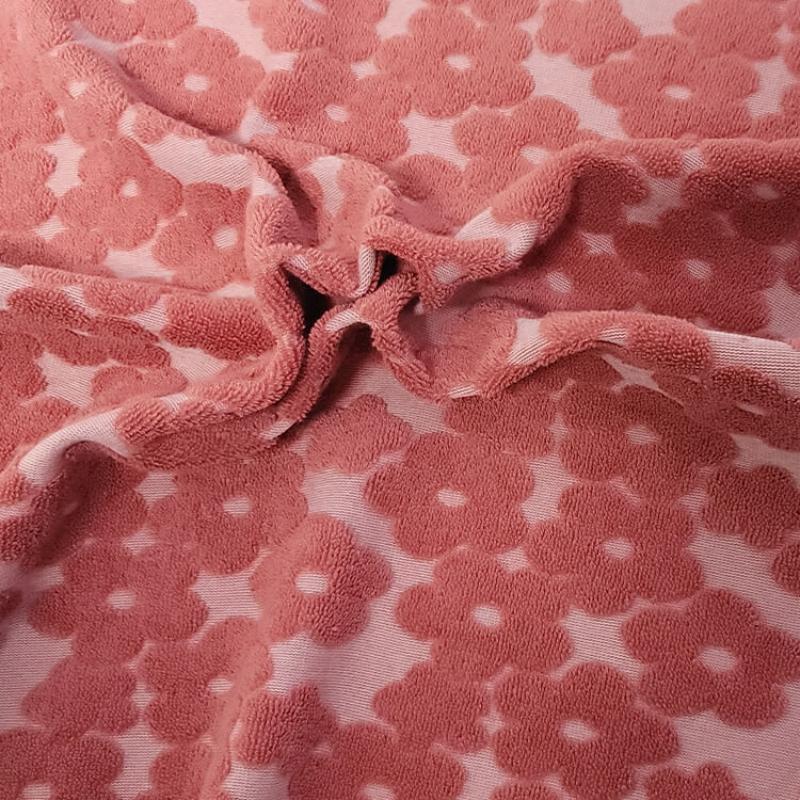
Jacquard fabrics are characterized by their intricate woven patterns. These patterns are not printed on the fabric surface but are woven into the fabric fibers. Jacquard fabrics are not made from a single fiber but are blends of various fibers. Commonly used fibers include cotton, silk, wool, and polyester. Some jacquard fabrics use blends, such as cotton-polyester or silk-velvet blends. These blends enhance the texture of the jacquard fabric, giving it an elegant appearance while providing a soft or textured feel. Jacquard fabrics are known for their durability because the patterns are woven into the fabric fibers, ensuring the fabric’s longevity. People choose jacquard fabrics because they are strong, durable, and versatile, making them suitable for both clothing and home décor.
Key Takeaways
- Jacquard fabrics feature intricate and complex patterns woven into the fabric itself. This type of fabric is more durable than printed fabrics.
- Jacquard fabrics typically use fibers such as cotton, silk, wool, and polyester. Each fiber has unique properties suitable for different applications.
- The jacquard weaving process allows for the creation of delicate patterns, making it ideal for clothing and home décor.
- When caring for jacquard fabrics, wash gently. Avoid direct sunlight to maintain the fabric’s beauty and strength.
- Choosing jacquard fabrics helps protect the environment. Many jacquard fabrics use recycled materials and safe dyes.
What type of material is jacquard
Definition of Jacquard Fabric
The unique feature of jacquard fabric lies in its manufacturing process. Jacquard fabrics feature intricate raised patterns that are integrated into the fabric through a weaving process; these patterns can be flowers or various shapes. Jacquard fabrics are strong and durable, and the patterns remain clear and distinct over time.
Jacquard fabrics can use a variety of fibers. Some common fibers include cotton, silk, linen, wool, and polyester. Cotton jacquard fabrics are soft and breathable, often used for clothing and home furnishings. Silk jacquard fabrics have a luxurious, lustrous feel and are often used for high-end clothing and accessories. Polyester jacquard fabrics are strong, durable, and easy to clean, making them ideal for furniture and coats. Sometimes, multiple fibers are blended for optimal performance.
Starke produces a variety of jacquard fabrics, including cotton jacquard, silk jacquard, and various blends to meet diverse needs. High-grade herringbone jacquard fabrics are ideal for coats. Brushed jacquard knit fabrics are soft and comfortable, making them ideal for garment construction. Starke allows designers to choose the desired fibers, weights, and patterns.
The Difference Between Jacquard Fabric and Other Fabrics
Jacquard fabric differs from other fabrics in many ways. Its pattern is part of the weaving process, not just printed on the surface. This gives jacquard fabric its textured, uneven feel and makes the pattern durable and long-lasting.
| Feature | Description |
|---|---|
| Complex Patterns | Jacquard weaving can make very detailed designs. |
| Three-Dimensional Texture | Patterns are woven in, so you can feel them. |
| Superior Durability | Jacquard patterns stay bright and do not wear off. |
| Versatile Material Options | Jacquard can be made from silk, cotton, wool, and more. |
The Jacquard loom can make harder designs than regular looms. The patterns do not fade or peel because they are part of the fabric. This makes jacquard strong and long-lasting.
Here are the main ways jacquard is not like printed fabric:
- Patterns are woven in, not just on the surface.
- Woven designs last longer and do not peel or fade.
- Jacquard can be used for many things, like clothes and home items.
The jacquard loom revolutionized the way fabrics are made. It made creating exquisite fabrics like brocade and tapestries easier and more accessible to a wider audience. Furthermore, the use of perforated cards to create patterns inspired early computer inventors.
Starke specializes in jacquard fabrics. They offer a variety of jacquard fabrics, including cotton jacquard, silk jacquard, and blends. Designers can choose the right fabric to create beautiful and durable products. With its versatility, Starke can provide the perfect fabric for any project.
How jacquard fabric is made
Jacquard Weaving Technique
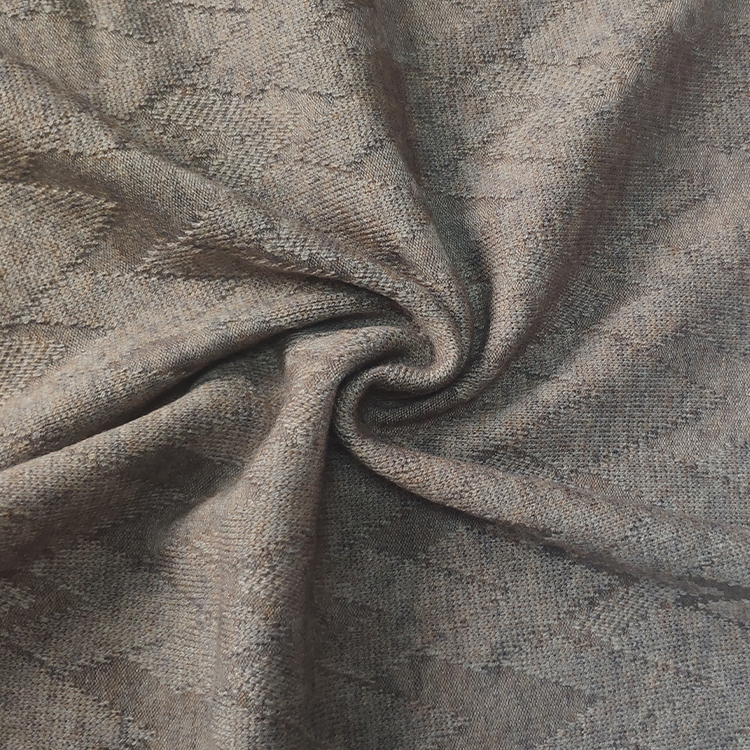
Jacquard weaving is renowned for its intricate craftsmanship. Beautiful patterns are woven onto fabric using a jacquard loom. First, materials such as cotton, silk, wool, or synthetic fibers are prepared. Workers twist these fibers into yarn. The yarn can be dyed to enhance its strength. Next, the designer tells the jacquard loom what pattern to weave. The loom places the yarn in the correct positions to form the pattern. Each yarn is carefully woven. After weaving, the fabric may undergo further treatments. These treatments include dyeing or adding chemicals to improve its appearance and durability.
- Get the textile material.
- Twist fibers into yarn.
- Set the jacquard loom with the pattern.
- Put yarn into the loom.
- Treat the fabric after weaving.
Making jacquard fabric requires more time and effort than conventional weaving. Jacquard looms can create intricate patterns that other looms cannot achieve. This special weaving method makes jacquard fabrics strong, elastic, and stable. The pattern is an integral part of the fabric, not just a surface decoration. Designers can use jacquard looms to control every detail, making each piece of jacquard fabric unique.
Jacquard looms have revolutionized the way fabrics are made. They enable the creation of durable and beautiful patterns. Jacquard fabrics can maintain their beauty for many years.
Common Materials for Jacquard Fabrics
Jacquard fabrics can be made from a variety of fibers. Some common fibers include cotton, silk, wool, polyester, and nylon. Each fiber gives jacquard fabrics different properties. Cotton fabrics are soft and breathable, suitable for making home furnishings and everyday clothing. Silk has a luxurious, shiny feel and is often used in high-end clothing. Wool is thick and warm, suitable for cold weather. Polyester and nylon are strong, durable, and easy to clean. They are often used in sportswear and inexpensive fashion. Blended fabrics combine multiple fibers to achieve optimal performance. This makes jacquard fabrics versatile.
| Fiber Type | Description | Common Uses |
|---|---|---|
| Cotton | Soft, lets air through, good for home and casual wear. | Upholstery, curtains, dresses |
| Silk | Fancy feel, shiny, used in nice clothes. | Evening dresses, luxury upholstery |
| Wool | Thick, keeps you warm, good for cold weather. | Suits, coats, blankets |
| Polyester | Cheap, strong, keeps its shape, used in home decor. | Mass-market fashion |
| Nylon | Light, does not wear out fast, good for sports clothes. | Sports fabrics |
| Blends | Mixes fiber features for balance. | Luxury garments (like cotton-silk) |
Starke allows customers to choose the composition of their jacquard fabrics. You can select the desired fibers, weight, and pattern. Designers will select fibers based on the fabric’s appearance and ease of care. Silk jacquard fabrics have excellent drape and dyeing properties. Cotton jacquard fabrics are soft and breathable. Polyester jacquard fabrics are wrinkle-resistant and easy to wash. Wool jacquard fabrics have durable patterns and good warmth retention. Choosing the right fiber combination ensures the fabric meets the project’s requirements.
Jacquard characteristics and types
Texture and durability
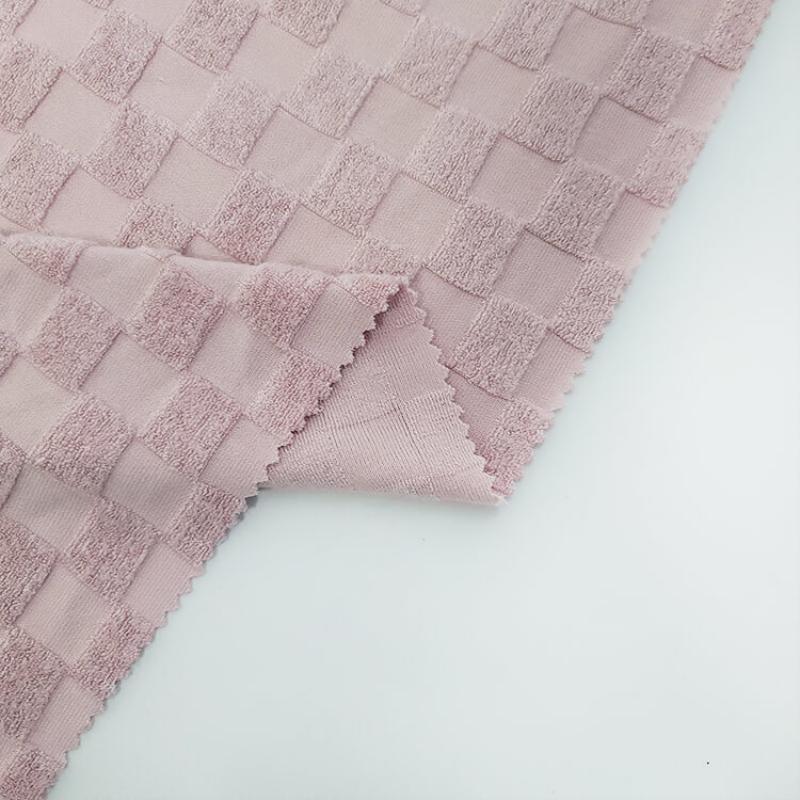
Jacquard fabric is special because it feels different and is strong. The patterns are part of the fabric, not just printed on top. This way of weaving makes the fabric bumpy and easy to feel. You can see and touch the designs. The patterns do not come off or fade. This helps jacquard last a long time. People like to use jacquard for things that need to look nice and stay strong. Some examples are bedding, towels, and upholstery.
- Jacquard fabric does not stretch or wear out as fast as printed fabrics.
- The way jacquard is made makes it strong for daily use.
- Raised designs, like brocade or matelassé, last a long time.
Jacquard fabric also keeps its colors well. The woven threads help the colors stay bright after many washes. This makes jacquard a good pick for clothes and things for your home.
Types of jacquard fabric
There are many kinds of jacquard fabric. Each type looks different and has its own use. Some popular types are:
| Type | Description | Common Uses |
|---|---|---|
| Herringbone Jacquard | Has a zigzag pattern, often used for outerwear | Coats, jackets |
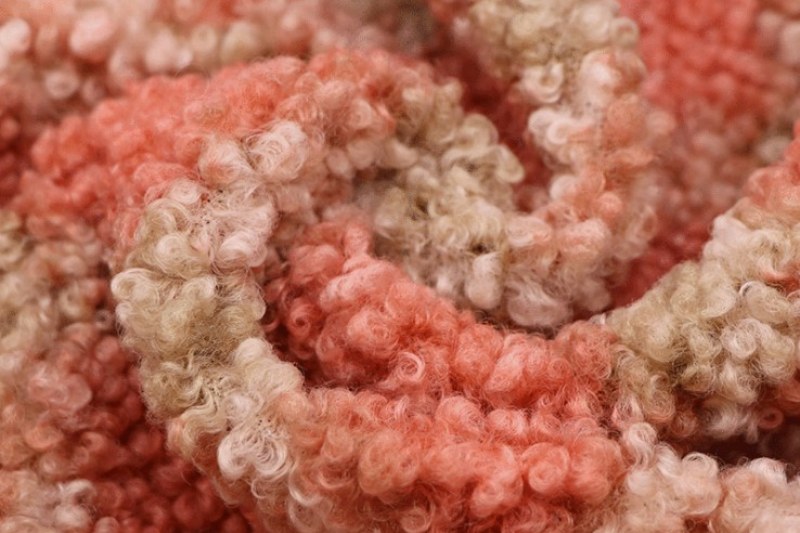
| Brushed Hacci Knit Jacquard | Soft and stretchy, feels cozy | Sweaters, loungewear |
| Terry Jacquard | Has soft loops for texture and soaking up water | Towels, robes |
| Brocade Jacquard | Raised patterns, sometimes with shiny threads | Eveningwear, accessories |
| Damask Jacquard | Patterns on both sides, looks fancy and classic | Table linens, upholstery |
| Tapestry Jacquard | Heavy and has detailed designs | Upholstery, wall hangings |
| Digital Jacquard | Uses weaving and digital design for custom looks | Fashion, interiors |
Starke has many jacquard fabric choices. Designers can pick the fiber, weight, and pattern they want. This makes jacquard a top choice for fashion and home design.
Common uses of jacquard
Jacquard fabric can be used in many ways. People like it because it is pretty and strong.
- Dresses
- Skirts
- Jackets
- Evening gowns
- Blazers
- Wedding dresses
- Upholstery
- Curtains
- Cushion covers
- Bedspreads
- Tablecloths
- Wall hangings
- Furniture covers: Jacquard fabric helps keep sofas and chairs safe from stains and scratches.
- Clothing: Jackets and dresses made from jacquard keep their shape and color after many washes.
- Accessories: Bags and wallets made with jacquard fabric still look new, even when used a lot.
Starke’s jacquard fabric line has choices for clothes and home décor. Their fabrics help designers make stylish and strong items for any place.
Benefits, care, and comparison of
Pros and cons of jacquard
Jacquard fabric has many good points. It is strong and looks fancy. There are lots of design choices. The patterns are woven in, so they last a long time. They do not fade like printed designs. Some types, like damask, can be used on both sides. This gives you more ways to use them. The table below shows the main good things about jacquard compared to other fabrics:
| Advantage | Description |
|---|---|
| Durability | Stronger than other woven fabrics due to complex structure. |
| Texture and Depth | Provides depth and texture, adding a luxurious look to the fabric. |
| Design Variety | Allows for unlimited design possibilities, from geometric to floral motifs. |
| Reversibility | Some types, like Damask, are reversible, offering versatility in use. |
But jacquard can cost more because it is harder to make. It might also need special care. You may have to wash it gently or take it to the dry cleaner to keep it nice.
Care tips for jacquard fabric
Taking care of jacquard helps it stay pretty and last longer. Here are some simple tips:
- Always read the care label before washing.
- Wash delicate jacquard by hand in cold water with gentle soap.
- If you use a washing machine, put it in a mesh bag and use the gentle cycle.
- Lay jacquard flat to dry and keep it out of the sun.
- Do not use a dryer.
- Iron on low heat and use a cloth to protect the pattern.
- Keep jacquard out of sunlight and hang heavy pieces to stop wrinkles.
Tip: Be gentle with jacquard and keep sharp things away so it does not snag.
Jacquard vs other materials
Jacquard fabric lasts longer than many other fabrics. The patterns do not fade or wear out because they are part of the weave. The table below shows how jacquard is different from other woven fabrics:
| Feature | Jacquard Fabric | Other Woven Fabrics |
|---|---|---|
| Durability | Stronger due to complex structure | Generally less durable |
| Resistance to Fading | Patterns woven in, not printed | Designs can fade or wear out |
| Longevity | Retains looks through wear and tear | May lose appearance over time |
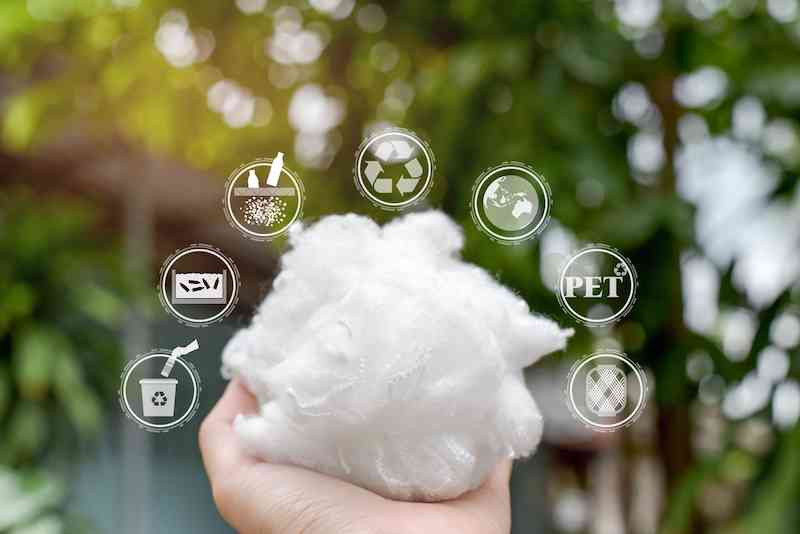
Starke’s jacquard fabrics are safe and environmentally friendly. OEKO-TEX® certification means the jacquard fabric is free of any harmful chemicals and is safe to use. GRS certification indicates that Starke uses recycled materials and produces fabrics in a fair manner. These certifications help consumers trust the high quality and environmentally friendly properties of Starke jacquard fabrics.
Jacquard fabric is a woven fabric with patterns. These patterns make the fabric beautiful and durable. People love jacquard fabrics because they are beautifully designed and comfortable to the touch. They are durable and resistant to wear. Jacquard fabrics have a wide range of uses, such as in clothing and home décor. Designers love jacquard fabrics because they can be used to create various shapes or floral patterns. With the increasing demand for environmentally friendly and smart fabrics, jacquard fabrics are becoming increasingly popular. Starke allows customers to choose the look and feel of their jacquard fabrics, creating fabrics that best suit their creative needs.
FAQ
What makes jacquard fabric unique?
The special feature of jacquard fabric is that its pattern is formed through a weaving process. This method gives jacquard fabric its textured, uneven surface. The pattern retains its beauty for a long time. People choose jacquard fabric because it is both beautiful and durable.
Can jacquard fabric be used for clothing and home décor?
Yes, jacquard fabric has a wide range of uses. Designers use jacquard fabric to make dresses, coats, and skirts. It is also commonly used for curtains, furniture covers, and tablecloths. Jacquard fabric is chosen for these uses because it is durable and beautiful.
How to care for jacquard fabric?
People should check the care label before washing jacquard fabric. Hand washing in cold water helps protect the fabric. If using a washing machine, select a gentle cycle and use a laundry bag. Let the jacquard fabric air dry to keep it looking new.
Is jacquard fabric environmentally friendly?
Many jacquard fabrics now use recycled fibers and safe dyes. Starke’s jacquard fabrics meet OEKO-TEX® and GRS standards. These certifications demonstrate that jacquard fabrics are a good choice for environmentally conscious individuals.
What patterns can be woven into jacquard fabrics?
Jacquard fabrics can be woven into a variety of patterns, such as floral, geometric, and classic designs. The jacquard weaving process allows for the creation of diverse styles. Therefore, jacquard fabrics are ideal for creative designs.