A bonded fabric joins two or more layers into a single material through lamination, adhesive, or heat. Common examples include bonded leather, bonded fleece, bonded jersey, softshell jackets, and the bonded non-woven used in medical gowns.
Starke’s bonded fabrics take this further, pairing knitted base fabrics with fleece, scuba, and jersey layers, with OEKO-TEX Standard 100 and GRS certified production. This post names each example, explains how it is made, and shows where it is used.
Key Takeaways
- Bonded fabrics hold layers together using glue, heat, or pressure instead of sewing.
- Common examples include bonded leather, bonded fleece, bonded jersey, softshell jackets, and medical gowns.
- Each bonded fabric has a certain purpose, like keeping you warm, stretching, or giving protection.
- Before ordering, buyers should check the bonding method, layer composition, and certifications.
- Samples help you check how the fabric feels and performs before full-scale production.
Quick List of Bonded Fabric Examples
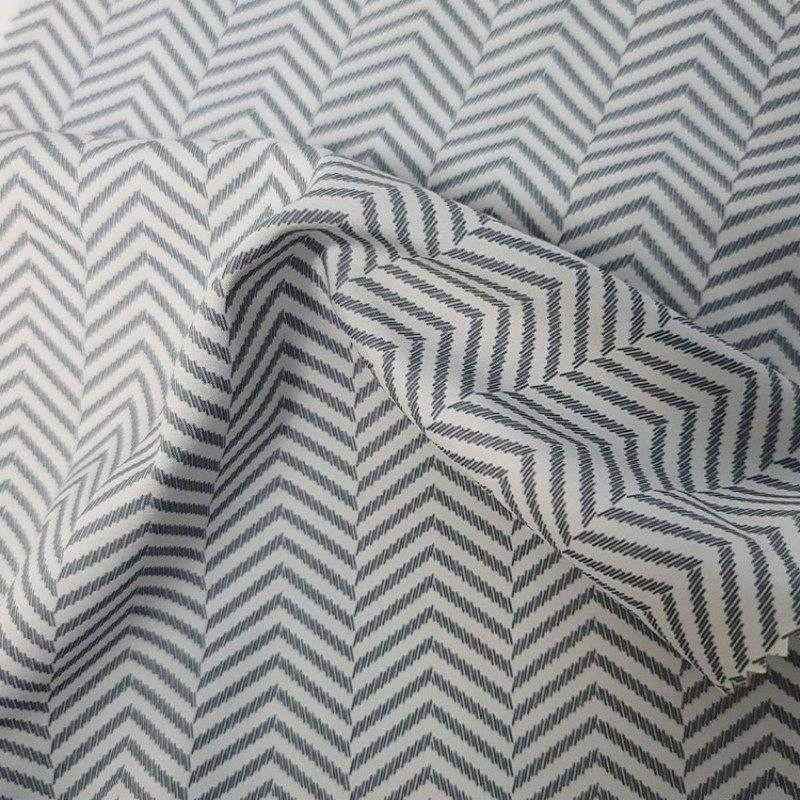
Everyday and Apparel Examples
Bonded leather joins a leather-fiber surface to a backing layer. It works well for belts, bags, and low-cost shoes where a even look and easy cutting are most important. The backing gives the material body, so it keeps a clean edge during assembly. Suppliers often keep it in rolls for cut-and-sew shops. It also takes embossing well for branded finishes.
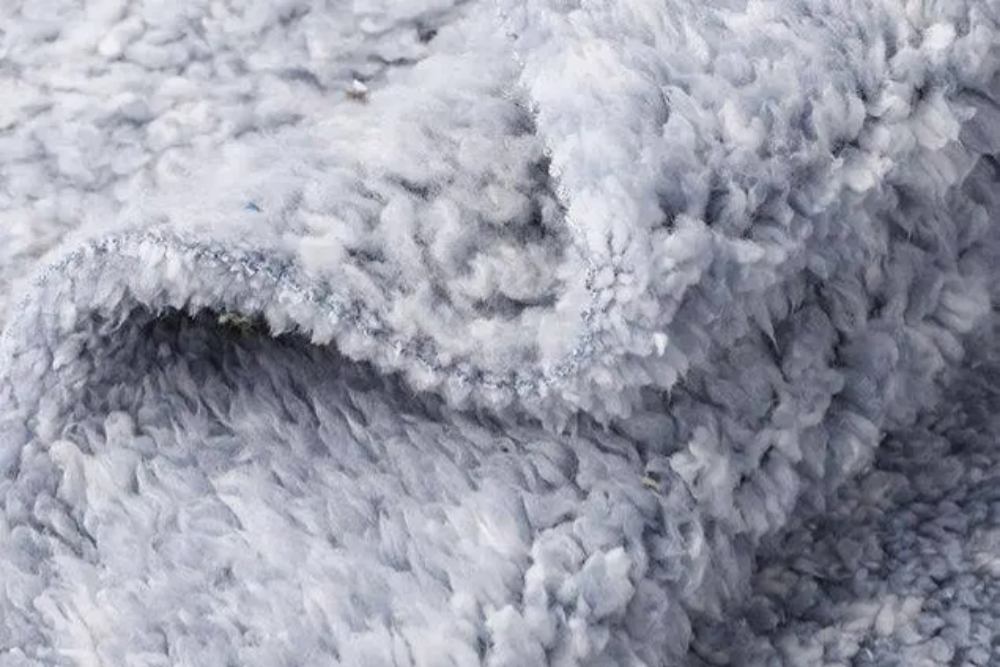
Bonded fleece fuses a soft pile to a support layer. Jackets, hoodies, and blankets use it for warmth without a lot of bulk. The bond stops the pile from shifting during wear and washing. Outdoor brands use it in linings and mid-layers. It also works well for cold-weather accessories.
Bonded jersey joins a knit face to a second layer. T-shirts, dresses, and leggings gain stability while keeping their stretch. The garment keeps its shape after repeated washing. Sportswear makers like the smooth face for printing. It works for both casual and activewear lines.
Softshell jackets build a shell, membrane, and lining through lamination. Hikers and cyclists pick them for wind and water resistance with freedom of movement. The bonded layers move together instead of rubbing apart. The membrane blocks rain while letting vapor escape. These jackets work for three-season wear in mixed weather.
Rainwear uses bonded fabric to block moisture at the seams. Insulated coats trap air between bonded layers for cold-weather wear. Windproof garments depend on a tight bond to cut airflow. Structured fashion items hold their shape through fused layers. Sports jackets, running shorts, and hiking leggings use bonded constructions for stretch and recovery. Each option fits a different climate and activity level. A supplier can advise on the right build for each garment type.
Branded examples include Gore-Tex, Permatex, and Sympatex. Each brand uses its own bonding process to reach specific performance goals. Each one fits a different price point and use case. Buyers compare them on breathability and cost. A sample test shows how each one performs in real conditions.
Common material types include nylon, polyester, cotton, twill, and viscose. Factories also bond cotton with other materials to balance comfort, durability, and cost. Weight, color, and finish are common custom options. A buyer can ask for a swatch to compare hand feel before ordering. A factory can also apply functional treatments during production.
Medical and Industrial Examples
Medical gowns use bonded non-woven fabric for barrier protection. The bond holds fibers together without weaving, which gives the gown a consistent surface. Hospitals specify these gowns for single-use protection. The fabric resists tearing under normal handling. Suppliers test each lot for consistent barrier performance.
Protective products such as masks and drapes also depend on bonded fabrics. Footwear, bags, and upholstery use bonded materials for shape retention. Automotive interiors apply bonded fabric to door panels and seating. Each use sets its own strength and finish requirements. A supplier can recommend the right grade for each product.
A wholesale supplier can match each example to its best use. A manufacturer weighs performance, application fit, and cost before choosing a bonded fabric. A factory sample confirms the choice before bulk production begins. Clear specs reduce waste and rework. Early testing saves time on the production line.
What Is a Bonded Fabric
A bonded fabric joins two or more layers using glue, heat, or pressure instead of stitching. The term also includes non-woven fabrics made by bonding fibers together. Both meanings share one idea: the material holds together through a chemical or thermal bond, not a needle and thread.
Bonding Methods and Adhesive Lamination
Factories use several methods to make these materials. Heat bonding melts a resin or a low-melt fiber between the layers. Adhesive lamination spreads glue on one surface and presses the layers together. Ultrasonic bonding uses high-frequency vibration to soften fibers where they touch. Flame bonding briefly melts a foam surface and presses it onto a knit.
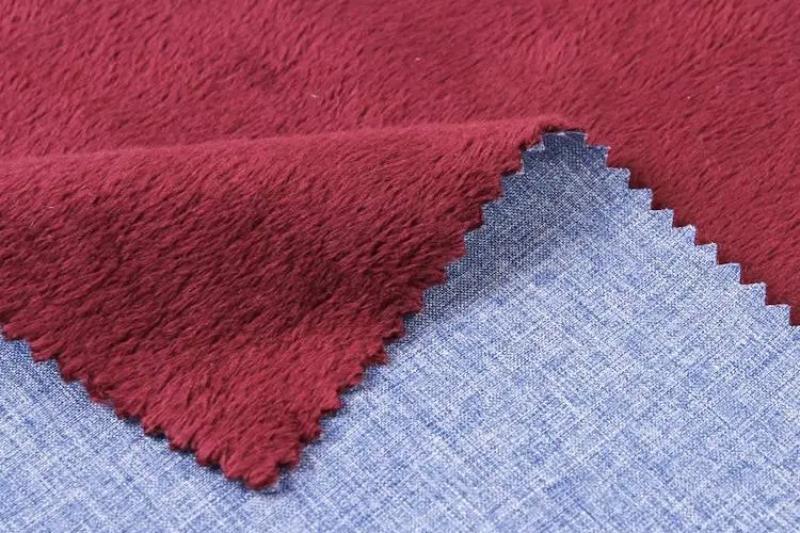
Adhesive lamination works well for a fabric-to-film laminate, where a polyurethane film sits between two textiles or on a single backing. A fabric-to-fleece composite often uses flame or adhesive bonding. A two-layer bonded knit pairs a face fabric with fleece for warmth. A three-layer laminate adds a membrane for weather protection. Each bonding process leaves a different hand feel, so a supplier matches the method to the end use.
How Fabric Layers Work Together
Each layer does a job. A shell fabric joined to a film blocks rain while letting vapor pass. A fashion fabric joined to an interlining holds a tailored shape. A fabric-to-foam build adds cushioning for bags and seating. A fabric-to-fabric bond gives a stack of two or more different fabrics a stable hand.
The finished bonded layers can deliver waterproof, breathable, windproof, anti-pilling, quick-dry, moisture-wicking, and anti-static performance. A factory can adjust these traits through the film, the glue, and the finish. Buyers should confirm the build before ordering, because the bond decides how the fabric layers act in washing and wear.
The term also describes fabric with double-sided adhesive attached. Home crafters use it as fusible interfacing, adhesive sheets, and a Cricut bonded fabric blade for clean cuts.
Bonded Fabrics by Category
Apparel and Outerwear Layers
Outerwear depends on bonded fabrics more than almost any other type of product. Jackets that resist weather join a face shell to a membrane through lamination. This keeps rain out while sweat vapor escapes. Rainwear uses the same method with sealed seams. Softshell jackets bond a stretch woven face to a light fleece backing, which gives warmth without weight. Insulated coats and winter outerwear trap air between bonded layers for comfort in cold weather. Windproof garments rely on a tight fabric-to-film bond to block airflow.
Structured fashion items take a different path. A fashion face joined to an interlining holds a tailored shape through dry cleaning and wear. Sports jackets, running shorts, and hiking leggings use bonded fabric for stretch and recovery. The bond keeps the layers from shifting during repeated motion. A fabric-to-fabric build lets a designer combine two different surfaces in one stable cloth.
Each construction suits a different climate and activity level. A wholesale buyer compares performance, application fit, and cost before committing. A factory sample confirms hand feel and stretch before bulk orders begin.
Home, Medical, and Industrial Uses
Home and industrial products use bonded fabrics where shape retention matters. Footwear uppers, bags, and upholstery apply a fabric-to-foam build for cushioning and structure. Automotive interiors bond fabric to door panels and seating for durability under daily use. Medical items such as gowns, masks, and drapes use bonded non-woven material for consistent barrier protection. Protective products follow the same logic, with each grade set by its own strength and finish requirements.
A knitted and bonded fabric manufacturer since 2008 can supply many of these builds from one source. Starke runs knitting, dyeing, and bonding under one roof, which keeps quality stable across large orders. The range covers scuba, bonded, ponte roma, jersey knit, pique knit, terry cloth, terry fleece, polar fleece, sherpa fleece, jacquard knit, rib, interlock, tricot, flannel fleece, teddy fleece, de velvet, and coral fleece. Custom options include weight, color, pattern, finish, and functional treatments such as anti-pilling, quick-dry, moisture-wicking, waterproof, breathable, and anti-static.
Certification matters for regulated categories. OEKO-TEX Standard 100 supports skin-contact and medical-adjacent products, and GRS covers recycled content claims. A supplier that holds both certifications reduces compliance risk for the buyer.
The table below compares the main categories on the factors that decide a purchase.
| Category | Key Performance Need | Typical Build | Compliance Focus |
|---|---|---|---|
| Apparel and outerwear | Weather resistance, stretch recovery | Three-layer lamination, fabric-to-film | Functional claims testing |
| Footwear and bags | Shape retention, cushioning | Fabric-to-foam | Durability and abrasion |
| Upholstery and automotive | Strength, finish consistency | Fabric-to-fabric, laminated textile | Flammability and finish specs |
| Medical and protective | Barrier protection | Bonded non-woven | OEKO-TEX Standard 100, GRS |
No single build wins every category. A buyer weighs performance, application fit, regulatory compliance, and cost together. Sample development takes about 7 days, and production lead times run 20–45 days, so a buyer can test a candidate before placing a large order.
Using and Buying Bonded Fabrics
Sewing and Handling Tips
The tools you cut with matter for these materials. A bonded fabric blade makes clean edges on fused layers. An adhesive backing holds stretchy pieces steady before you cut. If you use fusible interfacing, test it on a swatch first. That test shows how the glue reacts to the face fabric under an iron.
Heat control protects the bond. Pressing a bonded seam too much can soften the adhesive. This can cause bubbling or delamination. A pressing cloth and a low setting lower that risk. Sewers should also follow the care label for washing and drying. Hot water and high dryer heat wear down the bond over time.
Buying Checklist
A buyer should confirm the bonding process before placing an order. Heat bonding, adhesive lamination, and flame methods each leave a different hand feel and durability profile. Next, the buyer checks layer composition, weight, and finish against the garment or product spec. Functional treatments like anti-pilling, quick-dry, moisture-wicking, waterproof, breathable, and anti-static should be written down.
Certifications matter in regulated categories. OEKO-TEX Standard 100 supports skin-contact claims, and GRS backs recycled content. A wholesale supplier should give both documents when asked. The buyer also asks about sample development and lead times. A factory that returns samples in about 7 days and ships in 20–45 days keeps a production calendar on track.
Cost belongs in the same talk as performance. A fabric-to-fabric build may cost more than a simple two-layer laminate. Yet it can replace a separate lining step. The right choice balances technical performance, application fit, regulatory compliance, and price. A supplier who explains each trade-off helps the buyer avoid over-specifying or under-specifying the order.
Bonded leather, bonded fleece, bonded jersey, softshell jackets, and medical gowns show how common bonded fabrics are in daily life. Branded options like Gore-Tex, Permatex, and Sympatex add proven performance for outdoor and protective gear. Each example fits a specific use. Before choosing a build, a buyer weighs performance, application fit, regulatory compliance, and cost. The bonding method and the number of layers shape how the finished material acts, and lamination is still the most common route for weather-resistant outerwear. A supplier can confirm the right bonded fabric with a sample. Readers can go back to the quick list above to match each example to its best application.
FAQ
How do factories join the layers in a bonded fabric?
Factories use heat, glue, ultrasonic vibration, or flame to join the layers. Each method gives the fabric a different feel. A supplier picks the method that fits the end use, and a sample confirms the result before bulk production.
Which bonded fabric suits outdoor jackets best?
A three-layer laminate works well for weather-resistant jackets. This build pairs a face shell, a membrane, and a backing. Softshell versions bond a stretch woven face to a light fleece. A manufacturer can customize weight, finish, and waterproof or breathable treatments.
Do bonded fabrics pass skin-contact and recycling checks?
Many do. OEKO-TEX Standard 100 covers skin-contact claims, and GRS backs recycled content. A buyer should ask the supplier for both documents. Certification lowers compliance risk in medical, apparel, and protective categories.
How fast can a buyer get samples and bulk orders?
Sample development takes about 7 days. Production lead times run 20–45 days after the specs are confirmed. A factory with in-house knitting, dyeing, and bonding keeps quality steady across large wholesale orders.
Can a buyer customize weight, color, and finish?
Yes. Custom options include weight, color, pattern, finish, and functional treatments such as anti-pilling, quick-dry, moisture-wicking, waterproof, breathable, and anti-static. A buyer confirms each spec on a swatch before placing the order.