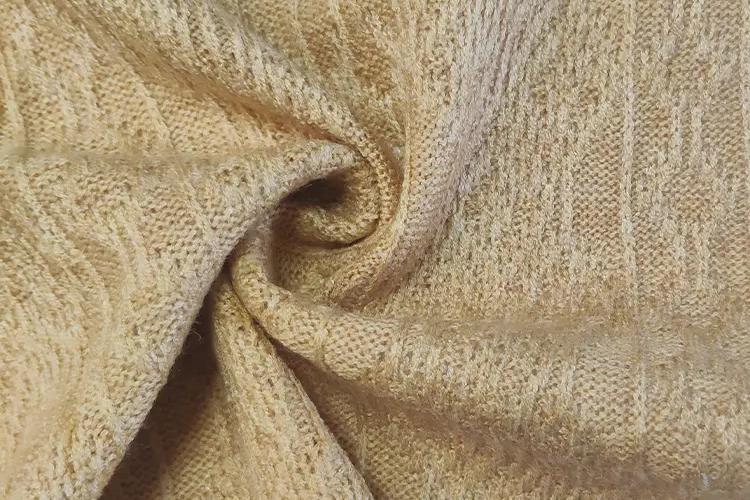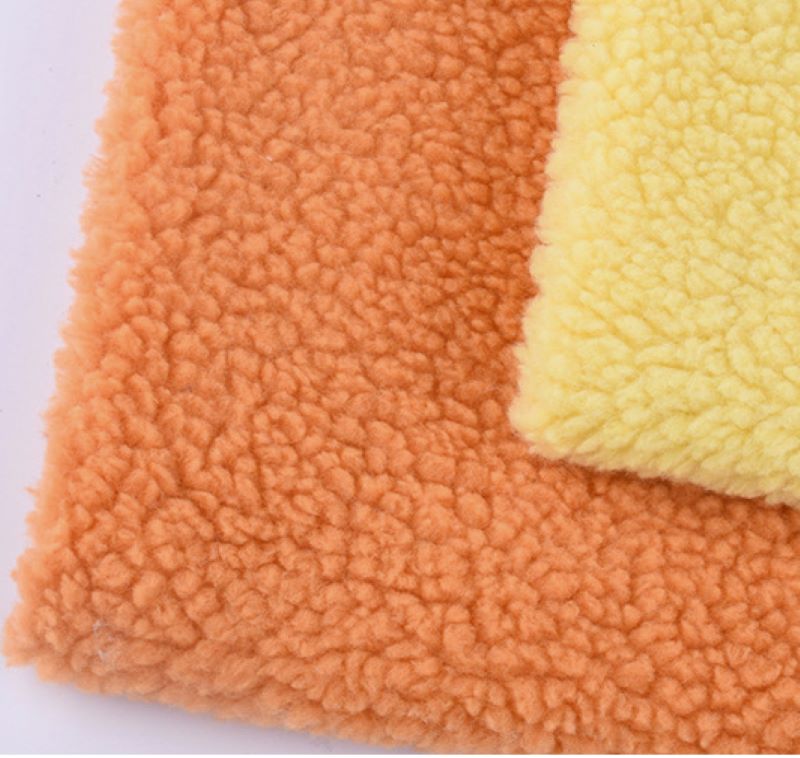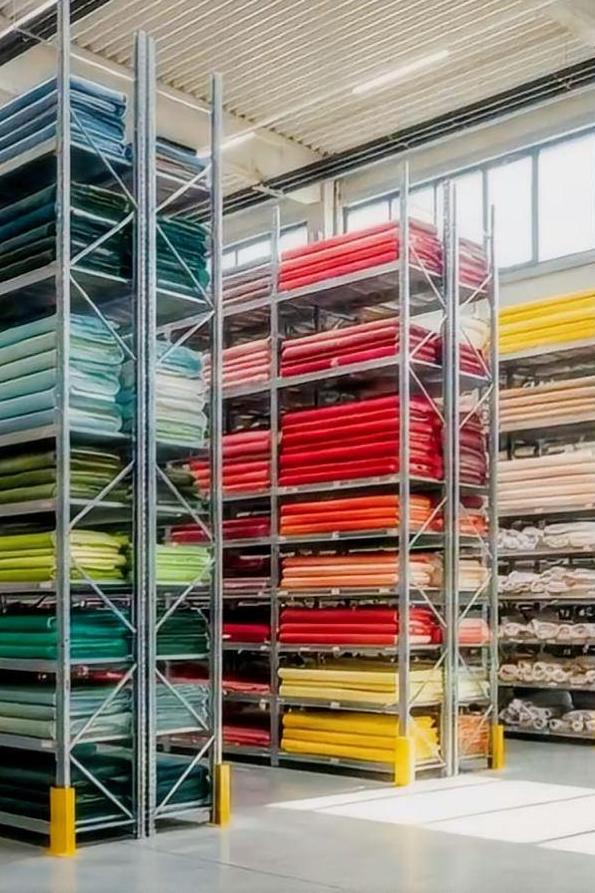
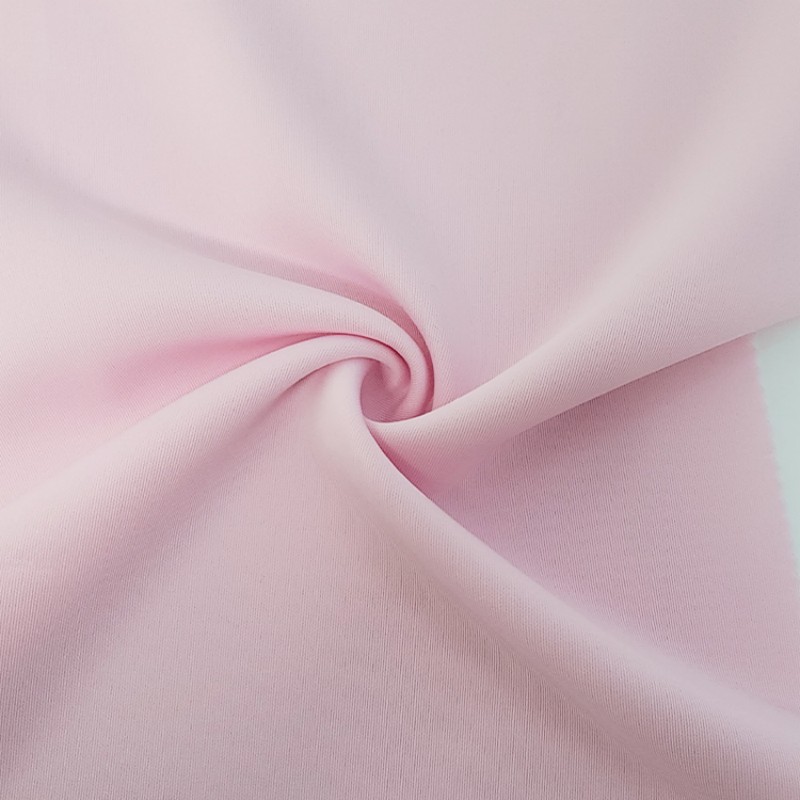
Scuba fabric is a popular structured double-knit textile for apparel. Its most common alternatives are ponte roma, techno fabric, double-knit jersey and scuba crepe. Apparel manufacturers choose these substitutes to tailor stretch, weight and hand feel for different production and design needs. All these fabrics have distinct performances and are widely used in mass garment production.
Key Takeaways
- Scuba fabric is a structured, elastic and durable double-knit fabric, well-suited for fitted clothing and outerwear.
- Primary alternatives: ponte roma, techno fabric, double-knit jersey and scuba crepe. They differ greatly in hand feel and drape, fitting various apparel styles.
- Professional fabric suppliers offer customized services on color, specifications and surface finishes to meet diverse purchasing demands.
Scuba Fabric Overview
Key Features
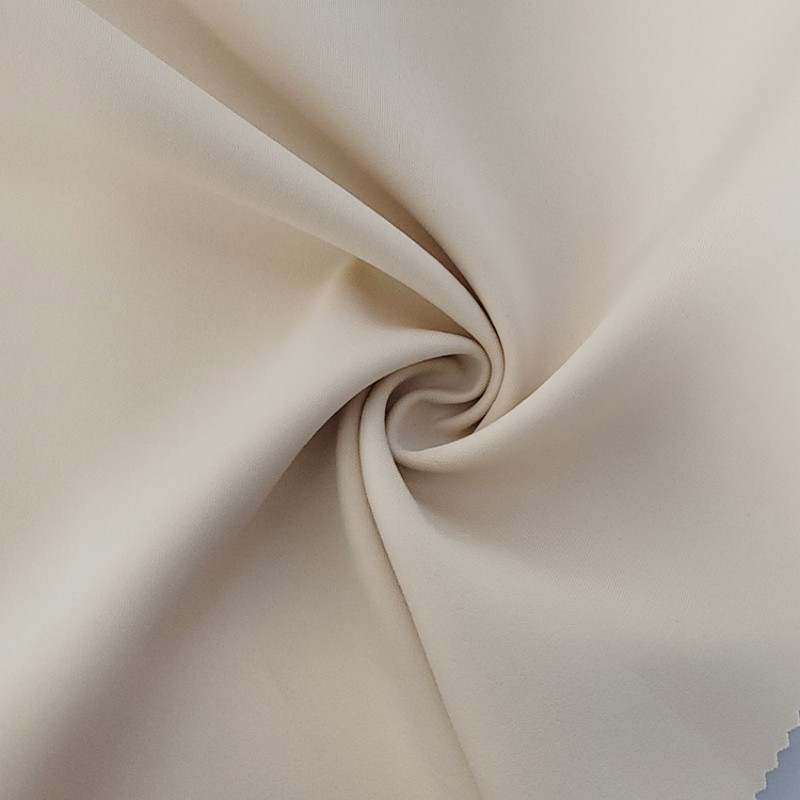
Scuba fabric (also known as scuba knit) is a mainstream structured double-knit fabric for fashion apparel. Its standard grammage ranges from 220GSM to 380GSM with a compact, firm texture and stable physical properties.
It features high elasticity and outstanding shape retention, perfect for tailored and fitted garments. The fabric has moderate warmth retention, but its breathability and moisture-wicking capacity are relatively weak. With a smooth surface and good moldability, it can create a neat three-dimensional silhouette for clothing.
Common Uses
- Outerwear: Jackets and casual coats. It locks garment shape and provides mild wind resistance.
- Active & Sportswear: Yoga pants, fitted tops, sports dresses and slim skirts, thanks to its elasticity and comfort.
- Fashion Apparel: Dresses, formal skirts and suits. It delivers a sleek, structured look.
- Accessories: Bags, backpacks and pouches. The sturdy texture offers good abrasion resistance and slight water repellency.
- Footwear: Casual slip-ons and sandals, for both comfort and styling.
Combining aesthetic and practical merits, scuba fabric is a top choice for mass garment manufacturing.
How Is Scuba Fabric Made?
Apparel-grade scuba fabric is primarily a double interlock knit blended with polyester and spandex. Different from neoprene rubber for diving wetsuits, it is lightweight and flexible for daily wear.
It is woven on double-knit machines to form a compact double-layer interlock structure, delivering a smooth surface, stable stretch and excellent rebound. After knitting, the fabric goes through dyeing, heat setting and softening finishing to optimize hand feel, elasticity and long-term shape retention.
Fabrics Similar to Scuba Fabric
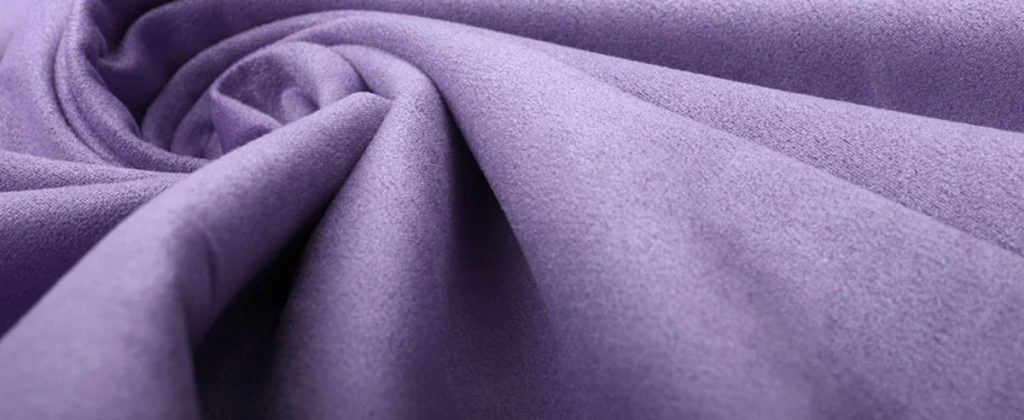
Garment manufacturers switch between alternative fabrics to adjust elasticity, fabric weight and hand feel for fashion and activewear production. Most professional fabric suppliers support customization for scuba knit, ponte roma and double-knit jersey. Fabrics certified with OEKO-TEX Standard 100 and GRS (Global Recycling Standard) meet international safety and eco-friendly requirements.
Ponte Roma vs. Scuba Fabric
Both ponte roma and scuba fabric belong to double-knit textiles. Ponte roma is preferred for garments requiring softness and natural drape, while scuba knit stands out for its smooth, firm and structured surface. Their fiber compositions and tactile properties differ greatly:
| Fabric Type | Fiber Composition | Texture Description |
|---|---|---|
| Ponte Roma | Rayon, nylon, spandex | Softer, more natural drape resembling woven suiting |
| Scuba | Finely spun polyester, high spandex | Smooth, springy, almost spongy feel like a wetsuit |
Ponte roma has two-way stretch and medium-to-heavy weight, commonly used for jackets, trousers and dresses. Scuba fabric has a firmer hand feel and superior moldability, perfect for fitted dresses and shape-retaining apparel. Both fabrics resist edge curling and pilling, and ponte roma has better air permeability.
Techno Fabric vs. Scuba Fabric
Techno fabric shares similar elasticity and durability with scuba fabric. Both are double-knit materials. Techno fabric is lighter and smoother, designed for activewear that requires great freedom of movement.
Techno fabric is widely made into leggings and athletic tops. Scuba fabric is the top choice for structured dresses and outerwear. Techno fabric prioritizes mobility, while scuba knit excels at shaping garments with a neat silhouette.
Double-Knit Jersey vs. Scuba Fabric
Double-knit jersey and scuba fabric both have good elasticity and durability, but they differ significantly in texture, appearance and structure. Double-knit jersey adopts interlock stitch with two fabric layers, resulting in a thick and stable structure. Scuba fabric is a dense polyester-spandex double knit with a smooth, structured surface.
| Feature | Double-Knit Jersey | Scuba Fabric |
|---|---|---|
| Structure | Made of two layers of fabric with interlock stitches, resulting in a dense, stable fabric. | Smooth-textured, double-knit fabric with polyester and spandex, resembling thin neoprene. |
| Thickness | Approximately twice the thickness of single-knit fabrics. | Generally thinner than double-knit jersey but offers remarkable stretch and recovery. |
| Feel | Highly durable and comfortable, with a solid structure that resists curling. | Flexible with a full-body drape and low-luster shine, favored for its body-giving properties. |
| Common Uses | Heavy-wear outfits like jackets, hoodies, and upscale T-shirts. | Popular in fashion for its ability to provide structure and flexibility in clothing design. |
Double-knit jersey is elastic, comfortable and breathable for hoodies, jackets and premium T-shirts. Scuba fabric has excellent shape retention for structured dresses. Overall, double-knit jersey is lighter and more breathable, while scuba knit offers better fit and shaping effect.
| Fabric Type | Pros | Cons |
|---|---|---|
| Scuba | Holds shape well, Insulating, Structured fit, Supportive, Stretchy, Weather-resistant | Can feel hot in warmer climates |
| Jersey | Stretchy, Versatile, Wrinkle-resistant, Lightweight yet durable | Prone to pilling, May snag |
Scuba Crepe vs. Scuba Fabric
Scuba crepe is another fabric like scuba fabric. It has a special texture and drape. Factories use scuba crepe for clothes that need to look fancy and flow nicely. Scuba crepe has a textured front and smooth back. This gives it a grainy but sleek look. Scuba fabric is smooth, spongy, and heavier.
| Property | Scuba Crepe | Scuba Fabric |
|---|---|---|
| Texture | Textured front, smooth backside | Smooth, spongy texture |
| Weight | Medium weight, elegant drape | Heavier, more structure |
| Elasticity | Excellent stretch and recovery | Good stretch, but less vertical give |
| Unique Features | Grainy yet sleek appearance | Thin neoprene-like feel |
Scuba crepe does not wrinkle and stays neat after wearing. Its drape makes clothes flow and look nice. The textured surface adds style and interest. Scuba crepe keeps bright colors after washing. Scuba fabric is liked for its scuba gear look and strong fit.
Comparison Table
This table shows the main differences and similarities between scuba fabric and other fabrics:
| Fabric Type | Structure & Feel | Stretch | Thickness | Common Uses | Care Requirements | Price per Yard |
|---|---|---|---|---|---|---|
| Scuba Fabric | Smooth, spongy, structured | High | Medium-Heavy | Dresses, jackets, bags | Gentle wash, avoid high heat | $16.99-$18.99 |
| Ponte Roma | Soft, natural drape, tailored | Bi-directional | Medium-Heavy | Pants, jackets, dresses | Gentle wash, line dry | $22.99-$24.99 |
| Techno Fabric | Smooth, flexible, lightweight | Excellent | Light-Medium | Leggings, athletic tops | Gentle wash, avoid high heat | Varies |
| Double-Knit Jersey | Dense, stable, comfortable | Moderate-High | Medium | Hoodies, jackets, T-shirts | Forgiving, may stretch out | $22.99 |
| Scuba Crepe | Textured, elegant drape | Excellent | Medium | Dresses, skirts, blouses | Gentle wash, wrinkle-resistant | Varies |
| Customization Options | Details |
|---|---|
| Fabric Categories | Knitted fabrics, Bonded/laminated fabrics, Selected woven fabrics |
| Fiber Composition Options | Cotton, Polyester, Rayon/Viscose, Nylon, Modal |
| Color Customization | Pantone TPX/TCX or sample matching |
| Width Customization | 140–180 cm |
| Density & Yarn Specifications | Lightweight (20D/30D/50D/75D), Regular (100D/150D), Heavy (300D/600D/1200D) |
| Optional Fabric Finishing | Dyeing, Raising, Foil printing, Digital printing, Embroidery, Flame retardant, etc. |
| Certifications | HIGG, OEKO-TEX® STANDARD 100, GRS |
Normally, sample delivery takes 3 to 7 working days, and bulk production lead time ranges from 20 to 45 days. Strict quality control and environmental management are standard requirements for qualified fabric suppliers.
Manufacturers and suppliers look at scuba fabric and its alternatives. They check texture, weight, and how much the fabric stretches. The table below lists the main things to compare:
| Factor | Scuba Fabric | Scuba Crepe Fabric |
|---|---|---|
| Texture | Smooth, spongy texture | Unique, crepe-like texture |
| Weight | Heavier, provides more structure | Lighter, suitable for drape and flow |
| Elasticity | Excellent stretch and recovery | Higher vertical stretch percentage |
| Care Requirements | Relatively easy to maintain | Requires gentle handling to avoid pilling |
People in the industry like scuba fabric because it is strong and comfy. Scuba fabric provides garments with excellent shape retention and flexibility. Scuba crepe does not pill and keeps its shape after washing. Qualified fabric suppliers offer customizable materials to match diverse production demands.
FAQ
Why do factories like scuba fabric?
Scuba fabric is strong and stretches well. It lasts a long time. Factories use it for sportswear and outerwear. It also works for accessories. These items look smooth and modern.
Can factories change scuba fabric alternatives?
Yes. Suppliers such as Starke let buyers pick colors. They can choose the width and density too. Buyers can also select how the fabric is finished. This works for ponte roma, jersey knit, and other fabrics.
How do suppliers check fabric quality and safety?
Suppliers use certifications like OEKO-TEX Standard 100 and GRS. These show the fabric is safe and good for the environment.