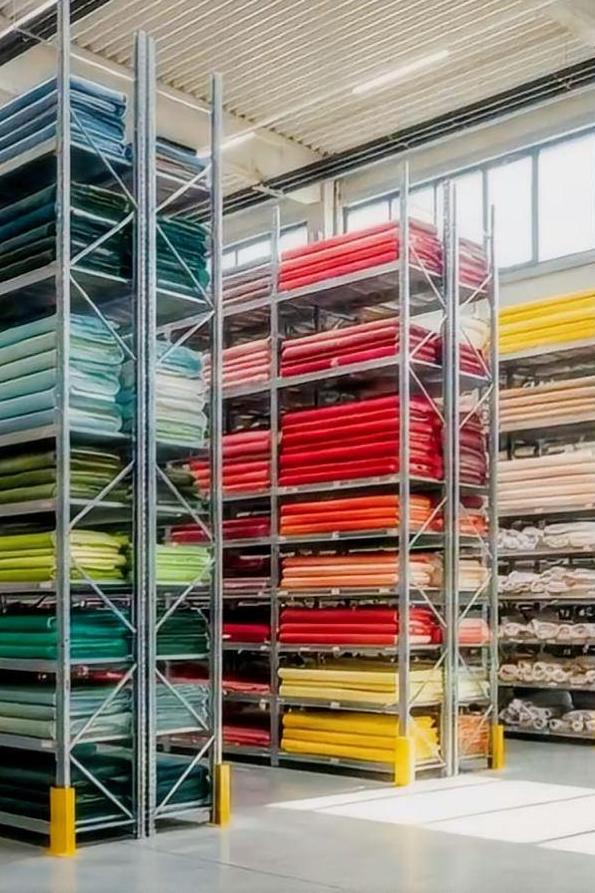
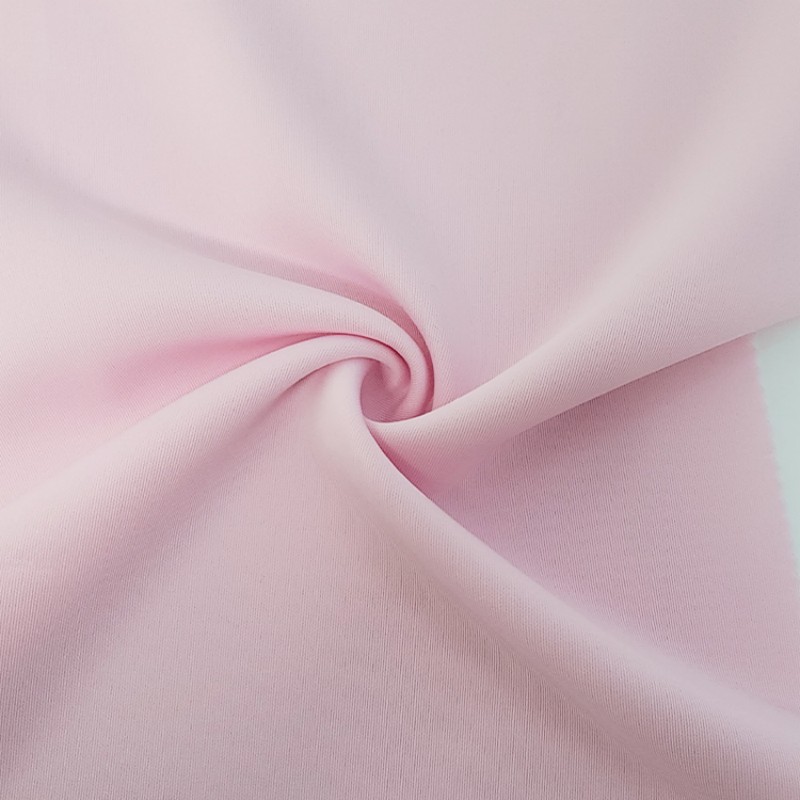
Crepe scuba fabric is a synthetic double-knit textile that combines the textured, pebbled surface characteristic of crepe with the firm, elastic structure of scuba knit. This blend gives the fabric a matte, textured appearance and a soft, comfortable feel. Highly versatile, it is a favorite among both fashion designers and home sewing enthusiasts for creating modern-style garments.
Key Takeaways
- Crepe scuba fabric blends a textured look with four-way stretch, offering both style and comfort.
- This fabric holds its shape well, resists wrinkles, and works for dresses, tops, and athletic wear.
- Easy care and simple sewing make crepe scuba fabric a great choice for beginners and experts.
What Makes Crepe Scuba Fabric Unique?
Texture and Structure of Scuba Crepe
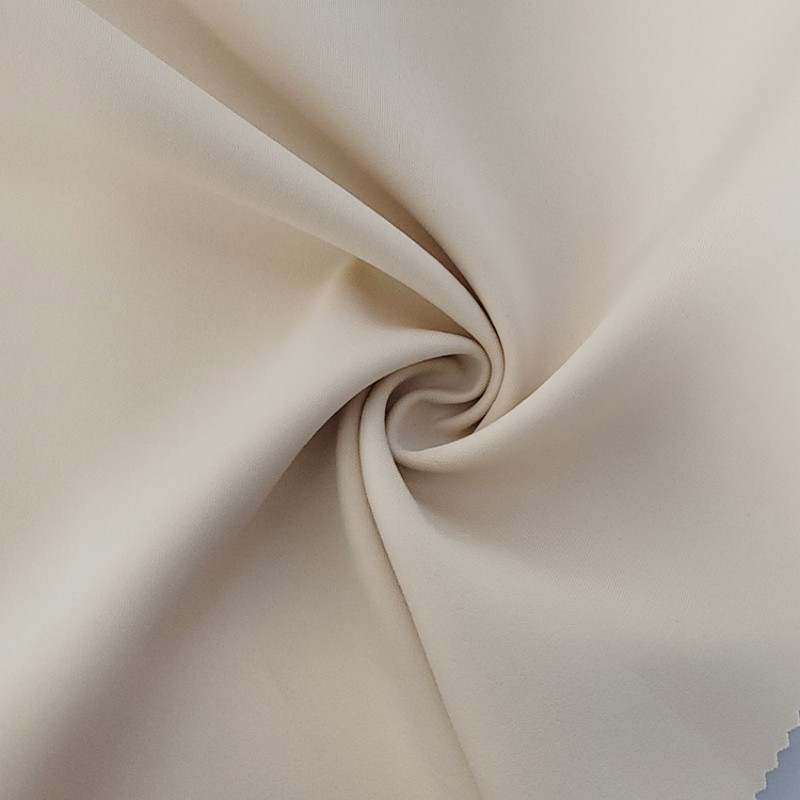
The name “Scuba Crepe” reveals the fabric’s dual nature: “crepe” refers to the textured, slightly uneven surface that softly catches the light, while “scuba” alludes to the substantial double-knit structure of the base. Despite the name, this fabric is not neoprene; rather, it is a knit blend of polyester and spandex that offers both heft and flexibility.
The double-knit construction gives Scuba Crepe a structured silhouette. The two layers are tightly bonded, creating a stable fabric with edges that do not easily curl or fray, which simplifies the sewing process. Its textured surface adds visual interest without overpowering the garment’s shape. Designers often favor this understated elegance, frequently utilizing the fabric for high-fashion pieces or professional attire.
Fiber compositions vary by manufacturer. Common blends include polyester and spandex, high-cotton mixes, or combinations involving viscose. The fabric typically ranges in weight from 220 to 420 grams per square meter. Heavier weights provide greater structure, making them ideal for fitted jackets, while lighter weights offer better drape, making them suitable for flowing dresses.
| Fiber Composition | Weight (gsm) |
|---|---|
| 52% cotton, 48% polyester | 380 |
| 75% viscose, 15% nylon, 10% spandex | 360 |
| 72% cotton, 21% polyester, 7% spandex | 360 |
| 34% cotton, 61% polyester, 5% spandex | 360 |
| 74% viscose, 13% nylon, 13% spandex | 420 |
| 65% modal, 30% polyester, 5% spandex | 400 |
| 57% nylon, 36% viscose, 7% spandex | 400 |
| 5% wool, 31% modal, 58% polyester, 6% spandex | 400 |
Stretch, Recovery, and Drape Properties
Scuba crepe material works very well when moving. The spandex gives four-way stretch, so the fabric moves with your body. A common mix of 95% polyester and 5% spandex gives 15% vertical stretch and 5% horizontal stretch. Adding more spandex makes the fabric much stretchier.
| Blend Ratio (Polyester/Spandex) | Stretch & Recovery Effect |
|---|---|
| 95/5 | Standard four-way stretch: 15% vertical, 5% horizontal |
| 88/12 | More stretch than 95/5 |
| 80/20 | More stretch than 95/5; fabric can stretch up to 400% of its original size |
Higher spandex amounts let the fabric stretch further and return to its original shape. This recovery stops sagging and bagging while you wear it. A piece of clothing made from scuba crepe material keeps its shape even after hours of use.
The drape of this fabric finds a good middle ground. It falls with structure rather than sticking flat to the body. Yet it moves smoothly enough to create nice lines. This mix makes scuba crepe fabric perfect for fitted dresses that need to hold shape. The fabric also resists wrinkles, staying neat all day.
The springy feel sets scuba crepe material apart from other knits. It feels smooth on the skin while giving gentle support. This touch adds comfort in sports clothes and everyday wear alike. The fabric’s thickness also gives moderate coverage, so you often do not need a lining in many designs.
Uses and Care for Scuba Crepe Material
Common Applications in Fashion and Apparel
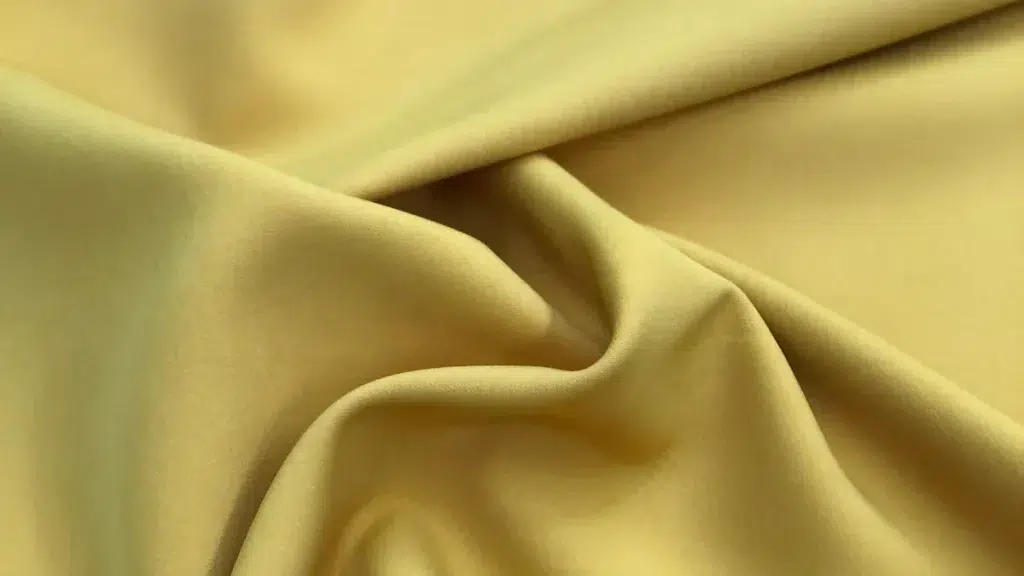
Designers frequently select “scuba crepe” for garments that require a structured, crisp silhouette. Form-fitting dresses, tailored skirts, structured tops, and cropped jackets effectively showcase the fabric’s firm, substantial texture. The fabric offers multi-directional stretch for ease of movement, while its dense knit structure prevents the garment from losing its shape or sagging.
Market data indicates strong demand for specific garment styles made from this material. Recently, women’s wide-leg culottes made of scuba crepe sold over 1.2 million units on TikTok at a price point of $12.75 each. Manufacturer catalogs list dresses and matching sets as primary applications. Additionally, the fabric is favored for activewear and functional clothing due to its suitability for athletic activities.
Its moisture-wicking capability stems from its polyester content. Polyester possesses natural water-repellent properties that draw sweat away from the skin, keeping the body dry during exercise. The fabric offers 30% to 50% horizontal stretch, ensuring freedom of movement for the wearer. Form-fitting garments made from scuba crepe can also help enhance athletic performance and aid in physical recovery.
Scuba Crepe vs. Other Knit Fabrics
While standard scuba knit features a smooth, flat surface, scuba crepe has a textured finish that creates soft light-and-shadow effects. Traditional crepe is typically a woven fabric with limited elasticity; in contrast, scuba crepe combines the aesthetic texture of crepe with the superior stretch of a knit fabric. This combination offers garment makers an ideal choice that leverages the best qualities of both materials.
| Care Category | Recommended Instructions |
|---|---|
| Washing | Wash in cold water on gentle cycle with similar colors. Use mild soap. Do not use bleach. |
| Drying | Tumble dry on low heat. Take out right away to avoid wrinkles. Air drying is safe but slower. |
| Ironing | Use very low heat (synthetic setting). Always use a pressing cloth. Steam can relax wrinkles, but direct high heat will melt fibers and crush the crepe texture. |
A key sewing tip for scuba crepe involves needle choice. A ballpoint needle stops snags on the knit structure. The fabric’s edges stay flat and do not curl, which makes cutting and sewing easier. These features make scuba crepe fabric a good choice for both beginners and experienced makers.
Crepe Scuba combines the textured finish of crepe with the structural stretch of scuba fabric. Offering excellent shape retention, wrinkle resistance, and comfort, it is a favorite among designers for creating dresses, tops, and activewear. Easy to care for and lending a premium look to finished garments, it is an ideal choice for home sewing—perfect for beginners and experienced enthusiasts alike. With its enduring quality and reliable performance, it is always a smart choice.
FAQ
Does scuba crepe fabric wrinkle easily?
No. The double-knit build and polyester content naturally resist wrinkles. Clothes stay neat all day without ironing. This makes the fabric great for travel and busy schedules.
How should someone sew with scuba crepe material?
Use a ballpoint needle to avoid snags. The fabric’s edges do not curl or fray, making cutting easier. Sewers can work with this material without special tools.
Can scuba crepe fabric work for athletic clothing?
Yes. The spandex blend gives four-way stretch and strong recovery. Companies like STARKE Textile offer moisture-wicking and quick-dry finishes. These features fit training wear and team uniforms well.