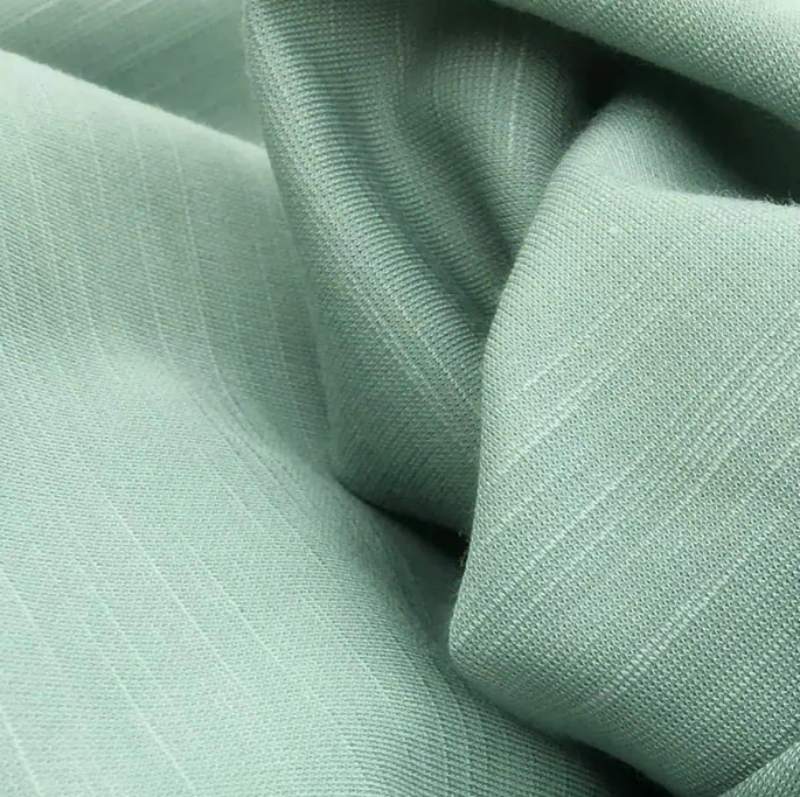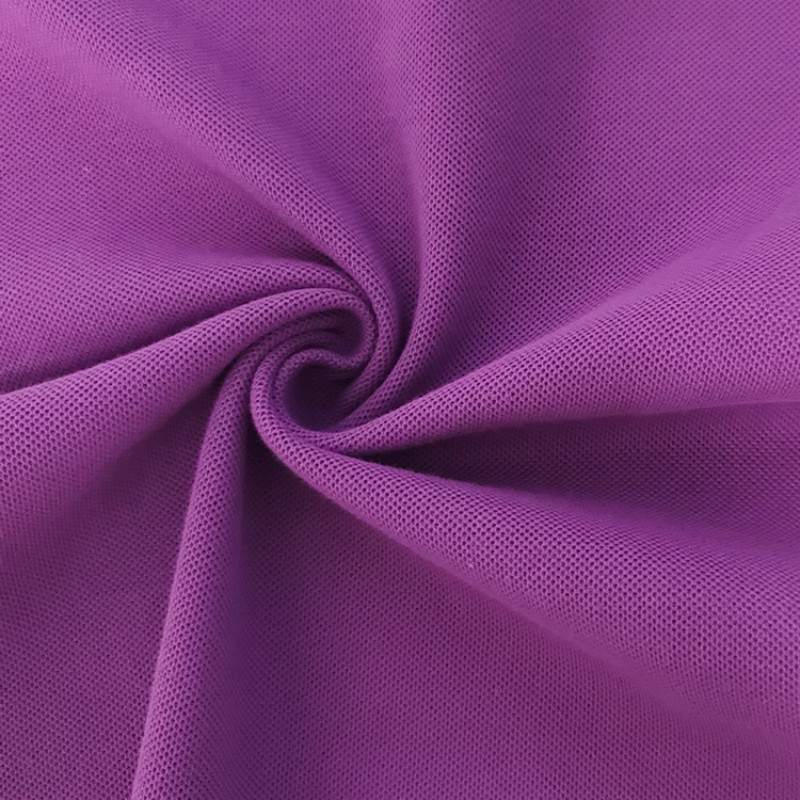
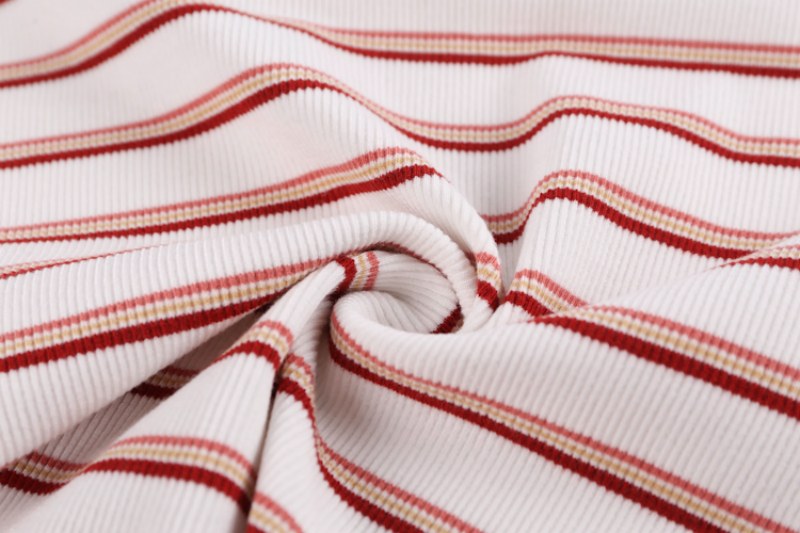
Jersey knit fabric is a soft, stretchy, and light material. It works well for t-shirts, dresses, loungewear, activewear, baby clothes, and bedding.
People often ask what jersey fabric is good for. The answer starts with how it is made. Makers create jersey knit by looping yarns together instead of weaving them. This looped structure gives the fabric natural stretch and a gentle drape, so it moves with the body.
That same quality makes jersey fabric a favorite for tight-fitting clothing. It feels smooth against the skin and resists wrinkles. Different fiber blends and weights change how the material performs, which is why one jersey fabric suits a summer top and another suits winter pajamas.
Key Takeaways
- Jersey knit fabric is soft, stretchy, and lets air through, so it works great for t-shirts, dresses, and activewear.
- The looped structure gives jersey fabric natural stretch and drape, so it moves with your body and resists wrinkles.
- Different jersey fabrics, like single jersey and interlock, do different jobs, from light summer tops to warm winter pajamas.
- Jersey fabric is simple to take care of: wash it in cold water, skip fabric softeners, and let it air-dry to keep it looking new.
- Jersey fabric is soft and stretchy, great for everyday items like baby clothes and bedding.
What Is Jersey Knit Fabric?
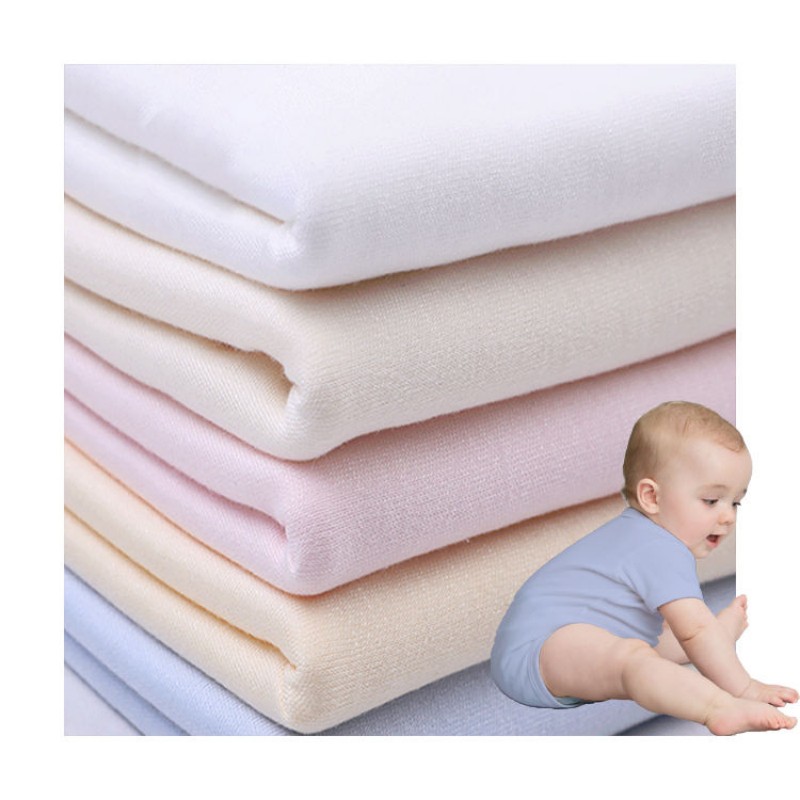
Jersey knit fabric is a knit material, not a woven one. A knit makes fabric from loops. A woven fabric crosses threads at right angles on a loom. That one difference explains almost everything about how jersey acts.
Jersey is part of a family called weft knitting. One yarn moves sideways across the fabric and makes rows of connected loops, one course at a time. The loop is the basic building block. Since loops can open and close, the fabric moves easily. Woven fabric locks its yarns into a stiff grid, so it hardly gives.
| Jersey knit (weft knit) | Woven fabric |
|---|---|
| One yarn loops sideways across the width | Warp and weft yarns cross at right angles |
| Loops grow and shrink, so the fabric stretches | Crossing limits movement, so stretch is very small |
| The loop is the structural unit | The crossing point is the structural unit |
This looped structure also makes drape. Drape means how a fabric hangs and folds under its own weight. Jersey falls in soft, flowing folds instead of standing stiff. That quality works well for close-fitting clothes.
What Is Jersey Fabric Made Of?
Manufacturers make jersey fabric from many different fibers. The fiber you pick changes how the finished fabric feels, breathes, and lasts.
Cotton is the most common choice. Cotton jersey fabric feels soft against the skin and works well in warm weather. Wool was the first fiber for jersey, and it still shows up in warmer knits. Bamboo, linen, and silk also work. Synthetic choices include polyester, nylon, acrylic, and spandex. Many mills add spandex or elastane to boost stretch.
Blends are common in wholesale production. A 50/50 cotton-polyester mix balances softness with durability. An 80/20 cotton-poly blend keeps a natural hand feel and shrinks less than pure cotton. Suppliers often use the term polycotton for cotton-polyester blends, typically in the 65/35 or 60/40 range.
Why It Stretches and Drapes
The stretch comes from shape, not from fiber alone. Each loop can shift and recover, so the fabric follows the body without resistance. This is why a jersey knit t-shirt moves with the wearer instead of pulling tight across the shoulders.
Drape follows the same idea. Loose loops let the fabric bend easily, so it molds to curves and hangs softly. Heavier weights drape with more body. Lighter weights float and cling. Buyers who ask what is jersey fabric good for usually find the answer in this mix of stretch and soft fall.
Key Properties of Jersey Fabric
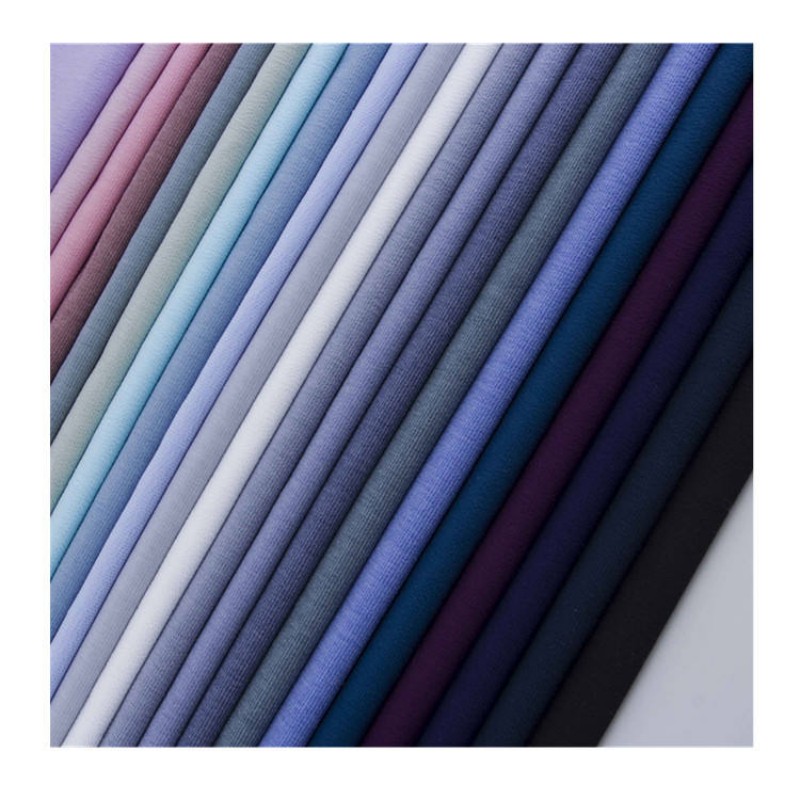
Jersey fabric is a common choice for many closets because of a few key traits. Each trait helps the wearer or the maker solve a real problem.
Soft, Breathable, and Wrinkle-Resistant
The loops make jersey fabric smooth and soft to the touch. This softness matters most in clothes that stay against the skin all day. In summer heat, a cotton jersey tee feels nice. On a cold morning, a brushed jersey pullover feels cozy.
Air moves easily between the loops, so the fabric breathes. During exercise or warm weather, this light, breathable fabric keeps the body cool. For that reason, wholesale suppliers often suggest jersey for summer collections.
Wrinkles also go away fast. After folding or packing, the loops go back into shape. Travelers see this benefit right away, because a jersey dress or top doesn’t need much ironing after a long trip.
- Softness makes t-shirts and undergarments comfortable against the skin.
- Breathability works well for summer tops, gym clothes, and kids’ clothing.
- Wrinkle resistance helps travel clothes and everyday basics.
Stretch and Ease of Movement
Jersey stretches from side to side and then goes back to its shape. This stretchy fabric follows the body when you sit, reach, or bend. Activewear brands rely on it for leggings, yoga tops, and training shirts.
This stretch also explains why the fabric drapes easily. With each step, a light, stretchy jersey skirt flows instead of fighting the legs. Makers balance stretch, breathability, and durability by blending cotton with a little spandex.
Comfort when moving is not just for sports. Office workers stay comfortable in jersey blazers and knit trousers all day. A factory can change the fiber blend and weight, so the final fabric fits the needs of the garment. That flexibility keeps jersey a steady favorite for retail and wholesale programs.
Types of Jersey Fabric
Factories make several kinds of jersey fabric, and each one fits a different use. Buyers who understand the differences pick better materials for their projects.
Single Jersey, Interlock, and Stretch Jersey
Single jersey is made with one set of needles. It has knit loops on one side and purl loops on the other. This light fabric curls at the edges and works well for t-shirts, underwear, and sportswear. A wholesale supplier often keeps it in 120–150 GSM for summer tops.
Interlock is made with two sets of needles. It feels thicker and stays smooth on both sides. The fabric is stable and can be worn on either side, so it suits activewear and baby clothes. A dense interlock can reach around 260 GSM, which keeps it from being see-through even when stretched. Yoga leggings and sports bras often use this heavier version.
Stretch jersey fabric adds spandex or elastane to the mix. This stretch jersey fabric moves in every direction and springs back to its shape. It fits close to the body without sagging.
| Fabric Type | Construction | Weight | Best For |
|---|---|---|---|
| Single Jersey | One set of needles | Lightweight | T-shirts, underwear, sportswear |
| Interlock | Two sets of needles | Thick | Activewear, baby clothes |
| Stretch Jersey | Fiber blend with spandex | Varies | Leggings, fitted tops |
Fabric weight controls drape and structure. Lightweight knits run 140–200 GSM and suit flowing garments. Medium-weight knits run 200–280 GSM for structured tops and dresses. Heavy knits reach 280+ GSM for jackets and sweaters. Even at the same weight, a bamboo jersey and a cotton interlock can drape in different ways.
Brushed and Slub Jersey
Brushed jersey goes through a finishing process that lifts fibers on one side. The surface feels soft and warm. This type works well for winter loungewear, pajamas, and cozy pullovers. Manufacturers often use cotton jersey fabric or a cotton-poly blend as the base.
Slub jersey has thick and thin spots in the yarn on purpose. The texture gives the fabric a casual, natural look. Designers pick it for relaxed tees and summer dresses.
Custom fabric manufacturers can adjust jersey knit fabric’s fiber blend, weight, and finish to meet a buyer’s project needs. A factory with strong quality and sustainability practices gives buyers confidence in the finished material.
What Is Jersey Fabric Used For?
Jersey fabric shows up in almost every kind of clothing. Factories and brands pick it because it is soft and stretches. The question of what jersey fabric is used for covers both clothes and home items. This section explains how jersey fabric is used in both areas.
The fabric has many uses that depend on the fiber and weight. A light cotton single jersey works for summer tops. A heavy interlock holds up structured dresses.
How Is Jersey Fabric Used in Clothing?
Manufacturers depend on single jersey for basic t-shirts.
Cotton is the most common jersey material, and single jersey is a standard fabric for basic t-shirts.
Cotton jersey fabric breathes well and feels smooth on the skin. Blends with elastane add stretch. Single jersey also works just as well for t-shirts, dresses, skirts, and leggings.
Dresses and tops gain from the material’s natural drape. A light viscose jersey works for flowy summer dresses, while a heavier interlock holds up structured shapes.
Sportswear and activewear need stretch that bounces back. Jersey knit fabric does this job well. The loop structure gives it natural stretch and recovery, while woven fabric stretches very little. A cotton and elastane blend makes stretchier material that keeps its shape during exercise.
The table below shows the main clothing types that use jersey fabric:
| Apparel Category | Usage Description |
|---|---|
| T-Shirts | Most popular use because it lets air through and feels soft |
| Dresses | Natural drape makes it good for casual and fitted garments |
| Sportswear | Stretch jersey used for leggings, gym shirts, and sportswear |
| Loungewear | Soft and comfortable, great for home and leisure wear |
| Undergarments | Silky feel makes it perfect for clothes worn next to the skin |
Undergarments are another big use for jersey fabric. Clothes worn close to the body have a large effect on how warm you feel. Underwear acts as the body’s “second skin.” It must let air pass through and soak up sweat. Single jersey and interlock cotton knit offer breathability and keep their shape.
Casualwear also depends on jersey fabric. A manufacturer or wholesale supplier can change fiber blends and weights, making many clothing items possible from one base material.
Home, Baby, and Bedding Uses
Beyond clothing, jersey fabric also works well for home textiles. Jersey crib sheets hug a mattress tightly without slipping. This gentle stretch helps create a safe sleep setup for infants. The fabric breathes well and gives stretchy comfort that works for cooler months.
Baby clothes gain from jersey’s gentle traits. Interlock jersey is thick and stable, making it great for childrenswear. Cotton jersey fabric gives comfort while letting kids move easily during play.
Jersey bed sheets feel soft right away. Knit loops create natural loft and texture, so sheets feel comfortable from the start. Woven cotton sheets often feel stiff at first. Jersey gets even softer with each wash. The knit texture traps small air pockets for moderate warmth. This makes jersey sheets great for cold sleepers and creates comfortable clothing items.
Use a cold or gentle cycle and tumble dry low to stop shrinkage. Avoid fabric softeners because they break down the knit structure. Buyers should look for a custom jersey fabric manufacturer with strong quality and sustainability practices.
Pros, Cons, and Care Tips
Advantages and Limitations
Jersey fabric has clear good points that explain why it is so popular in many products. The interlocking loops stretch and bounce back, so clothes fit your body without feeling tight. A smooth loop structure makes the material soft on your skin, which works well for tight clothes and kids’ clothing. Tiny holes between loops let air and moisture pass through, helping your body control its temperature. Loops also go back to their shape after pressure, so the fabric resists wrinkles and hangs in a smooth flow with little ironing. Manufacturers can change weight, fiber, and finish for sportswear, casual wear, luxury items, and cold-weather layering.
Some limits matter for certain projects. Cut edges curl inward, especially on single jersey, and this curling causes uneven stitches when you sew. Stretchiness lowers crisp shape retention, so necklines and cuffs may stretch over time. Loose loops and natural fibers cause pilling or shrinkage unless the fabric gets careful treatment. Interlock jersey cuts down on edge curling and gives more stability than single jersey, which makes it a better pick when structure matters. A wholesale supplier can help buyers match the right jersey type to each end use.
Sewing and Washing Guidelines
Sewing jersey fabric starts with the right needle. A ball point or jersey needle passes between fibers instead of piercing them, which stops snagging and skipped stitches. A stretch needle works well for knits with high spandex content. For seams, a narrow zig-zag lets the stitch stretch with the fabric. A walking foot feeds fabric evenly and stops wavy seams. Pressing with an iron after sewing reduces waviness and curling.
Care practices make any jersey garment last longer. Follow these steps:
- Sort laundry by color and fabric type to stop color bleeding.
- Wash in cold water for most colors and delicate items.
- Avoid overloading the machine so clothes clean well with less friction.
- Use a mild liquid detergent and skip chlorine bleach.
- Air-dry items prone to shrinking, or tumble-dry on the lowest heat.
- Remove clothes from the dryer quickly to prevent wrinkles.
Hot water swells cotton fibers and causes shrinkage over time. A custom fabric manufacturer can advise on specific care needs for each blend.
Jersey knit fabric works well for t-shirts, dresses, loungewear, activewear, baby clothes, and bedding. Its stretchy looped structure makes it a great pick for comfortable clothing. Retail brands and wholesale suppliers count on this material for softness and breathability.
Different kinds of jersey fabric fit different jobs. Single jersey works for light summer tops. Interlock adds stability for baby garments and fitted dresses. Brushed jersey warms winter pajamas. A custom manufacturer can adjust fiber blend and weight to match each project.
Buyers should pick the best jersey fabric for their needs. They must check weight, stretch, and care requirements. The natural drape and easy movement keep you comfortable. Every garment moves freely with the right type. This versatile knit earns a spot in any collection.
FAQ
What makes jersey fabric different from woven fabric?
Jersey fabric is made from loops, not threads that cross each other. One yarn loops sideways to form rows. This structure lets the material stretch and hang softly. Woven fabric locks threads in a grid, so it hardly moves. That difference explains why jersey works for fitted clothes and woven works for crisp shirts.
How is jersey fabric used in everyday clothing?
A maker uses jersey fabric for t-shirts, dresses, leggings, and underwear. The soft loops feel smooth on the skin. The natural stretch follows the body as you move. A wholesale supplier often keeps single jersey for summer tops and interlock for baby clothes. Home items like sheets also use this material.
Which types of jersey fabric work best for specific projects?
Single jersey works for light t-shirts and underwear. Interlock adds thickness and stability for activewear and childrenswear. Brushed jersey warms winter loungewear. A custom fabric supplier can change weight and fiber blend. Each option changes how the final garment performs.
Why does stretch jersey matter for activewear?
Stretch jersey has spandex or elastane in it. This blend lets the fabric move in every direction and spring back. Leggings and yoga tops keep their shape during exercise. The fabric follows the body without sagging. Factories balance stretch with breathability for comfort.