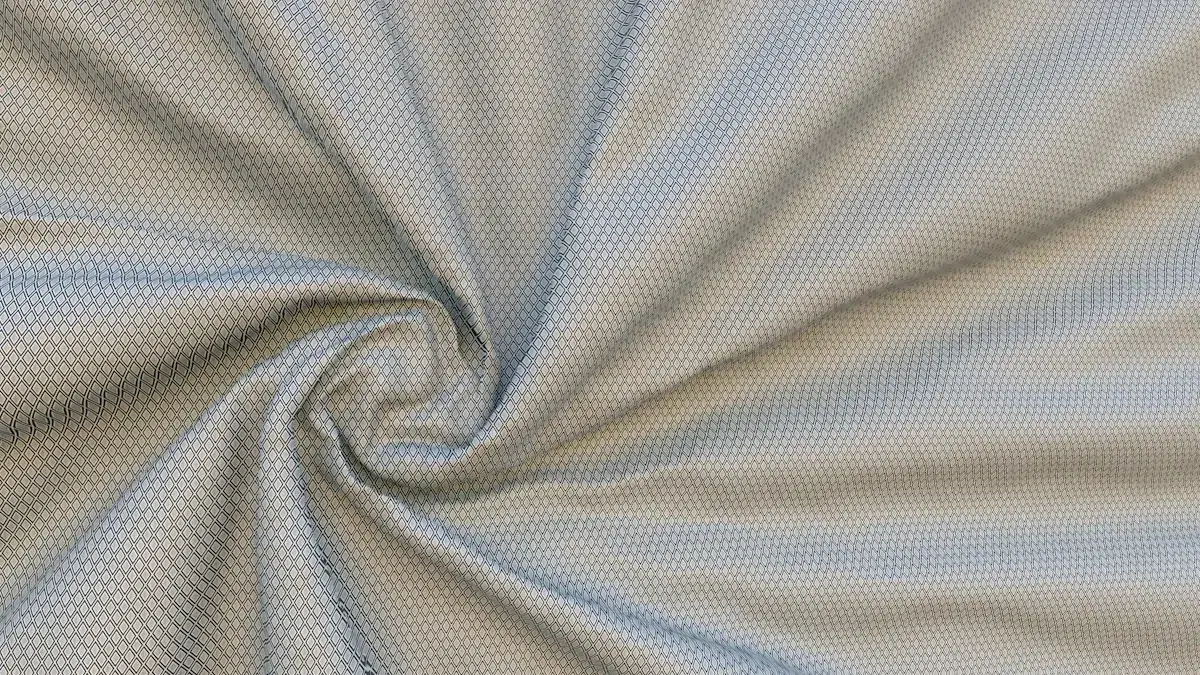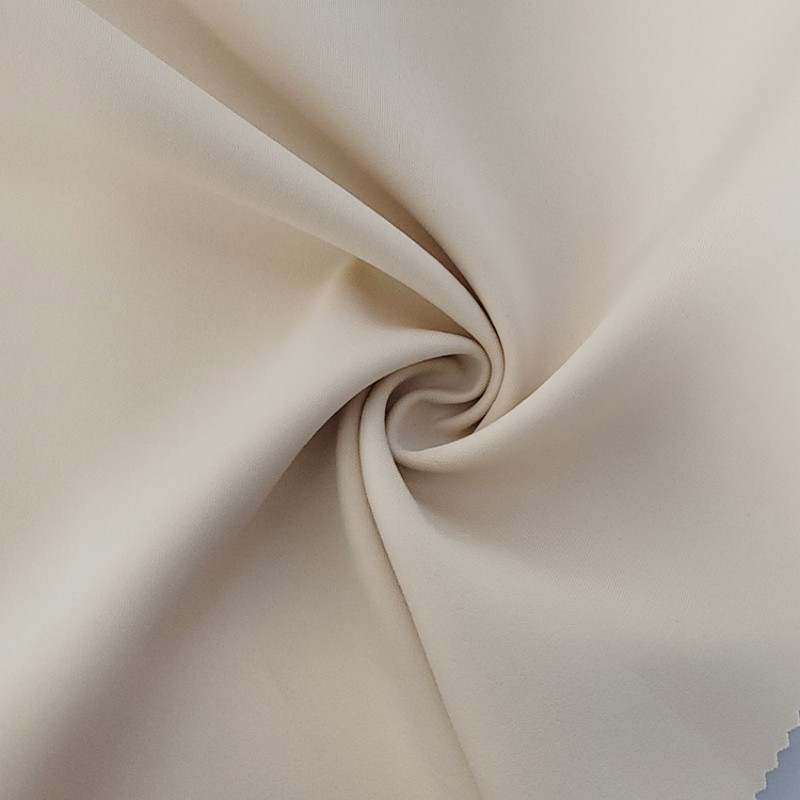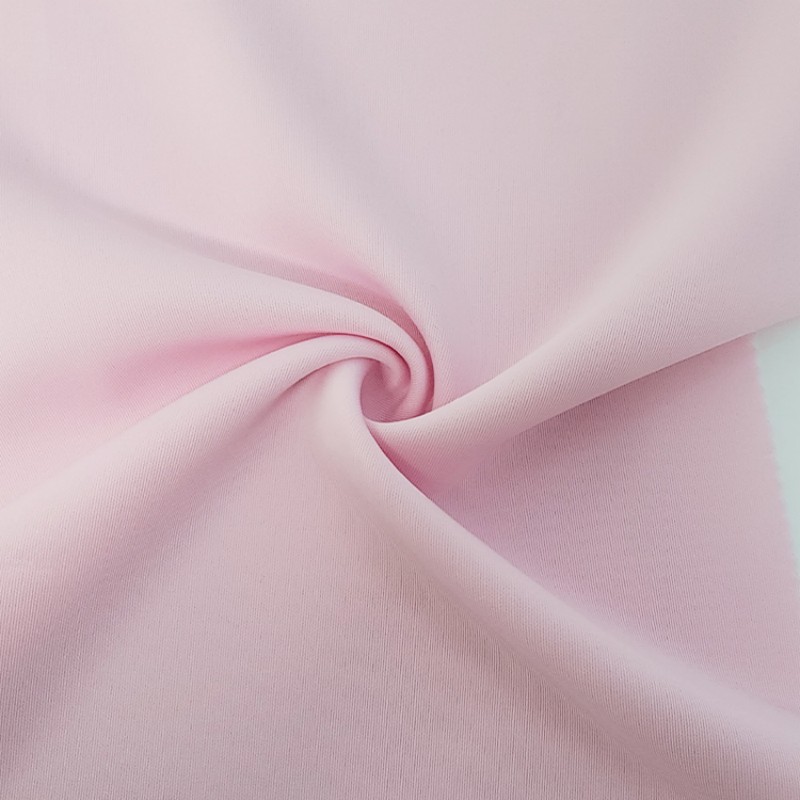
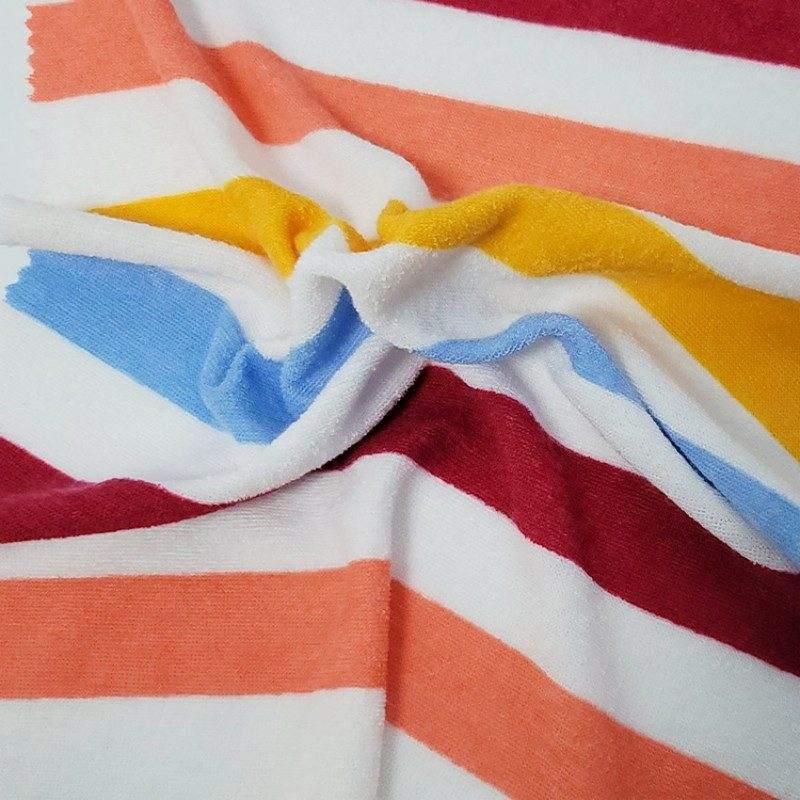
Polyester French terry is a knit fabric made from polyester fibers. It has a smooth front and a looped back. This article explains what french terry is, how makers produce it, its main features, common uses, and care tips. The fabric is soft, breathable, and durable for many clothing uses. Readers will learn how polyester french terry is different from other knits and why it works for activewear, loungewear, and everyday clothes. The guide also covers washing and drying methods that protect the looped back and stop pilling over time.
Key Takeaways
- Polyester French terry is a soft, breathable knit fabric. It has a smooth front and a looped back.
- It does not shrink easily, dries fast, and pulls sweat away from your skin. This makes it great for workout clothes and everyday wear.
- Use cold water and a gentle cycle when you wash it. Skip fabric softener to stop pilling and damage.
- Flip clothes inside out before you wash them. This keeps the smooth side safe and lowers rubbing.
- If you take good care of it, polyester French terry will stay in shape and feel soft for many seasons.
What Is French Terry Fabric?
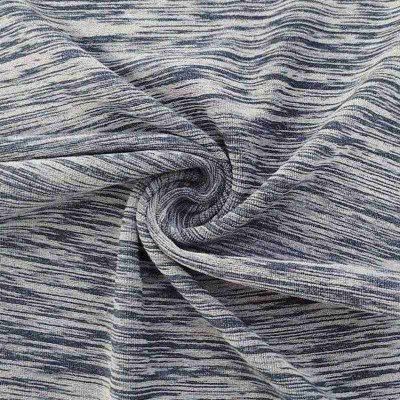
French terry fabric is a knit with a smooth front and a looped back. This structure separates it from jersey or fleece. When people ask what is french terry, the answer starts with those two distinct surfaces. One side stays flat and tidy. The other side carries soft loops that touch the skin. Polyester french terry uses polyester fibers instead of cotton. Those fibers can come from virgin sources or from recycled plastic. Both types produce a durable cloth with the same basic structure.
Polyester Fiber Basics
Polyester fibers give this material several useful traits. The fiber is strong, resists shrinking, and dries quickly. A manufacturer can make the fabric made out of polyester alone. Many mills also create blends to improve feel and movement. A common blend of cotton and polyester uses 80% cotton and 20% polyester. This mix adds softness from the cotton and strength from the synthetic side. Spandex often joins the recipe for stretch. Most everyday cotton-spandex fabrics, including French terry knits, have spandex content under 10%. Rayon is another option. It improves drape and gives the cloth a smoother hand. Each blend changes how the final fabric behaves.
Most everyday cotton-spandex fabrics, including French terry knits, have spandex content under 10%.
The typical blend for French terry (Cotton-Poly) is 80% cotton and 20% polyester.
Looped Back, Smooth Face
The looped back defines this fabric. A circular knitting machine forms the cloth. It creates loops on one side only. The other side stays flat. This design gives the material its name. The smooth and soft surface faces outward on most garments. The looped side rests against the body. That inner texture feels gentle and absorbs moisture. The structure also traps a little air. This adds warmth without much weight. The result is a midweight fabric. It is heavier than cotton t-shirt jersey but lighter than fleece. A french terry knit with this build works across seasons. The loops on one side give comfort. The flat face gives a clean look. Together, they make a cloth that suits many styles. The inside of the garment stays cozy. The outside stays presentable. This dual nature explains why the material appears in so many products. Designers value the balance it offers. Wearers value the comfort it delivers. The looped structure also helps the fabric breathe. Air moves through the spaces between the loops. That keeps the wearer from overheating. The flat face resists snags better than a fully looped surface. This combination of features makes the cloth practical for daily wear.
How Polyester French Terry Is Made
Knitting and Looping
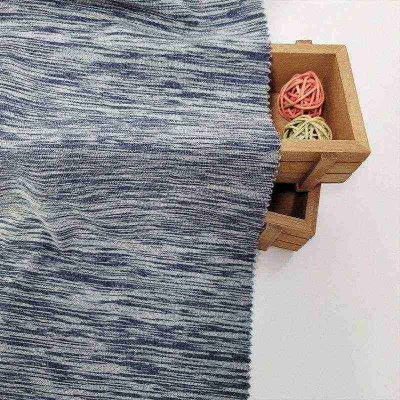
A terry circular machine makes the fabric. The machine uses a gauge between 16G and 24G. This gauge range works well for loop formation and heavier GSM. The process creates soft piles of yarn on one side. The other side stays smooth. A circular knit machine forms these loops with special sinkers. The sinkers pull yarn into loops during knitting. This action creates the looped back. The flat face forms at the same time. The machine can make 280 to 400 kg per day. This output shows the heavier weight of french terry compared with plain jersey.
Dyeing and Finishing
Dyeing gives polyester french terry its color. Disperse dyeing with high-temperature high-pressure exhaust at 130°C is the most common method. This technique gives deep penetration and good colorfastness. Factories also use jet, beam, or jigger exhaust methods for deep shades and small lots. Continuous methods like pad-dry, pad-steam, and thermosol work well for bulk production. Carrier-free high-temperature dyeing offers uniform shade depth and lower energy consumption.
Finishing treatments can add function to the fabric. These options are common customization choices. A factory that owns its knitting, dyeing, and finishing plants can offer stable quality and timely delivery.
Key Properties of French Terry Fabric
Softness, Stretch, and Breathability
Polyester french terry feels soft on your skin. The looped back makes a gentle surface that soaks up moisture and adds comfort. This fabric also traps air inside the loops. That setup gives warmth without a lot of weight. Wearers feel good in every season. The smooth face fights off snags and stays neat. These features make it a top pick for everyday clothes.
Stretch comes from the knit build and fiber mixes. Spandex under 10% lets the cloth bend and move. Breathability comes from the open loop design. Air flows through the gaps between loops. This airflow stops you from getting too hot when you move. The fabric moves with your body and lets heat out. You can stay active without feeling wet or held back.
Durability and Moisture Wicking
Polyester fibers make this french terry fabric strong and lasting. It resists shrinking more than cotton types. It also keeps its shape after many washes. Moisture control makes it stand out from cotton french terry. Polyester pulls sweat off your body and dries fast. Cotton tends to hold water and dries slowly. This gap matters for activewear and outdoor gear. A garment stays lighter and drier as you wear it.
Recycled polyester gives another plus. This kind cuts the need for new plastic. Mills can make the same tough cloth from recycled sources. The fiber structure handles repeat wear and washing. French terry shrink resistance comes from the synthetic content. Blends with cotton still work well when you care for them right. The result is a soft but strong material that fits many needs. Buyers get great breathability and steady performance in one fabric.
Common Uses
Activewear and Athleisure
Polyester french terry is great for activewear and athleisure. Brands use it to make hoodies, joggers, sweatshirts, and warm-up sets. The looped back pulls sweat away during workouts. The smooth face looks clean for casual wear. French terry sweatshirts work well for gym time and weekend errands. French terry joggers give you stretch and comfort for running or relaxing. A wholesale supplier can make these items in large amounts for sportswear brands.
The fabric moves with your body and resists shrinking after washing. Athletes stay dry and comfortable while training. The midweight build gives warmth without being bulky. This makes it great for cool-weather runs or outdoor workouts. French terry sweatshirts also work for team uniforms and promotional clothing. Custom choices like weight, color, and finish let brands reach casual, outdoor, and professional sportswear markets. A trusted supplier can meet these needs with steady quality and on-time delivery.
Everyday Clothing and Home Textiles
French terry clothing goes beyond the gym. People wear loungewear, baby items, blankets, and throw covers made from this material. The soft loops feel gentle on your skin. This makes it perfect for relaxing at home or working from home. The fabric holds warmth while letting air flow. It gives comfort without getting too hot during downtime.
| Property | Performance for Loungewear |
|---|---|
| Heat Retention | Moderate |
| Breathability | High |
| Softness | Gentle against skin |
| Moisture-Wicking | Effective |
| Weight | Lightweight |
The table above shows why french terry works so well for loungewear. It is breathable and flexible. Its mid-weight design is lighter than fleece but more breathable during activity. The loopback structure traps warmth while letting air flow. It resists wrinkles and works for travel and cool-weather layering. Custom fabric options let manufacturers create blankets and baby items with specific colors and patterns. A wholesale supplier can deliver these products at scale for retailers.
Care Tips
Washing and Drying
Cold water keeps the looped back of french terry safe. A gentle cycle cuts down rubbing on the soft loops. Hot water can shrink fibers and make colors fade over time. You should turn clothes inside out before you wash them. This easy step guards the smooth face from rubbing. Tumble drying on low heat works fine for most items. Air drying is even safer for the looped structure. High heat can harm the loops and make them go flat. A dryer sheet may leave a film that hurts moisture control. For the best results, take items out right when the cycle ends. This habit stops wrinkles and keeps the shape in good form.
Preventing Pilling and Damage
Pilling occurs when loose fibers rub together and form small balls. Turning clothes inside out while washing helps a great deal. Fabric softener leaves a residue that catches lint and weakens fibers. Skipping softener keeps the material strong and smooth. Washing similar fabrics together lowers friction from zippers or rough textures. A mesh laundry bag gives delicate items another layer of protection. Polyester french terry is durable and keeps its shape through repeated wear and washing. With the right care, garments keep their soft feel and neat look for years. Following the care label is still the best guide for any specific piece.
Polyester French terry is a midweight knit fabric. It has a smooth face and a looped back. Makers use virgin or recycled polyester fibers. This fabric gives you several key benefits. It stays soft and breathable on your skin. It resists moisture and shrinking after washing. The material holds up through repeated wear without losing shape. These qualities make french terry great for activewear and loungewear. French terry clothing works for everyday use too. Shoppers should follow care labels to keep garments looking new. Proper washing and drying methods protect the looped back. They also stop pilling over time. With the right care routine, this fabric keeps its look for many seasons.
FAQ
Will french terry keep you warm?
Yes. The looped back holds in body heat. Polyester french terry still lets air through. That makes it great for cool weather activity. It gives light warmth without making you too hot.
Is polyester French terry breathable?
Yes. The looped knit lets air move through. Wearers stay dry while they move. Moisture leaves your skin. This makes it good for activewear in any season.
Can polyester French terry shrink?
Polyester naturally fights shrinking. Blends with cotton might shrink a little. Wash in cold water and dry on low heat to protect it. Follow the care label to keep the fit the same.
Does polyester French terry pill?
Turning clothes inside out helps reduce rubbing. Good care keeps the fabric looking smooth longer.