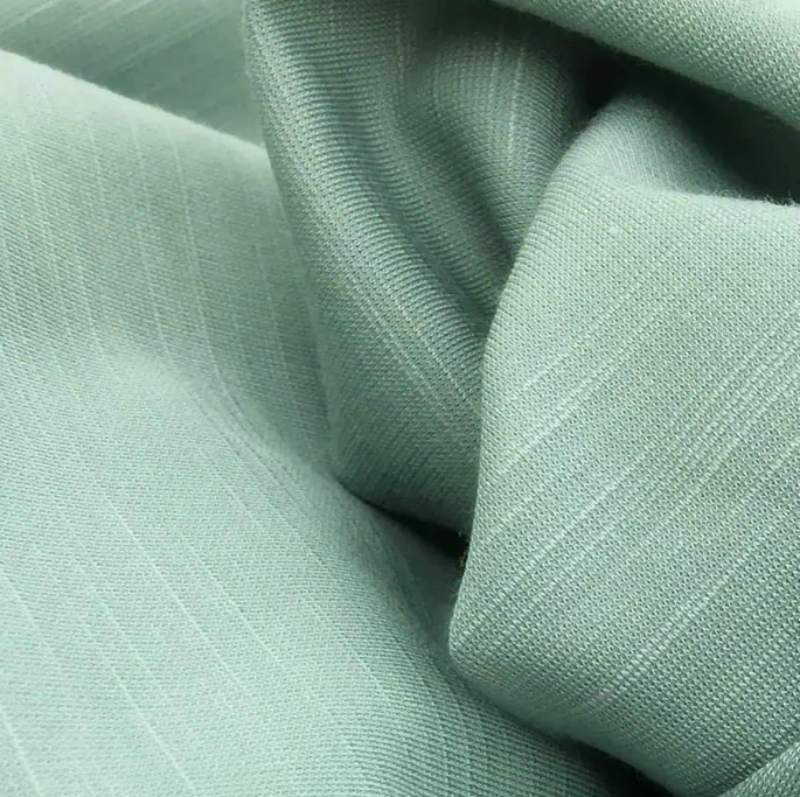
Ponte de Roma knit is a strong, heavy double-knit fabric that stretches both ways. Its double-knit construction gives it a smooth face on each side and a firm hand that holds its shape through daily wear.
Shoppers find this fabric under several labels: Ponte, Ponte di Roma, and Ponte Roma knit. All four names describe the same family of fabric, as do related double knits such as interlock, scuba knit, and jacquard double knit. The name alone is insufficient to understand the fabric’s performance. Fiber content, weight, and finish decide how a given roll behaves. Starke’s Ponte de Roma takes this further, pairing a stable double-knit structure with consistent weight and finish from run to run. This guide explains what each name means, how to read a spec sheet, and what to check before you buy
Key Takeaways
- Ponte de Roma is a strong, stretchy double-knit fabric with a smooth face on both sides.
- Most Ponte blends combine rayon, nylon, and spandex for softness, strength, and stretch.
- The fabric holds its shape and resists wrinkles, making it great for tailored clothes.
- Use Ponte for dresses, pants, blazers, and leggings that need structure and comfort.
- Wash Ponte in cold water and air dry to protect the stretch and keep its shape.
Fabric Composition
Common Fiber Blends
Fiber content decides how a roll of Ponte acts on the cutting table and on the body. Most mills build the fabric around three fibers: a soft plant-based fiber, a strong synthetic, and a small amount of stretch fiber. A typical spec sheet might read 65% viscose, 29% nylon, and 6% spandex. The spandex gives the stretch. The nylon adds strength and helps the fabric hold its shape. The rayon makes the cloth soft and dry against the skin.
Buyers see many variations on that theme. The table below shows blends that appear in wholesale listings, along with the weight each one produces.
| Fiber Blend | Fabric Weight (gsm) | Notes |
|---|---|---|
| 63.2% viscose / 29.2% nylon / 7.2% spandex | 210 | Common blend for stretch and durability |
| 53% nylon / 42% viscose / 5% spandex | 350 | Heavier weight, nylon-emphasized blend |
| 95% viscose / 5% spandex | 250 | High viscose content, lighter weight |
| 32% viscose / 60% nylon / 8% spandex | 240 | Nylon-dominant for strength and flexibility |
| 65% viscose / 29% nylon / 6% spandex | 220 | Balanced blend for durability, stretch, comfort |
Cotton and polyester blends also exist. A cotton-rich Ponte feels cooler and less shiny. A polyester-heavy version costs less and dries faster. Both take dye well, so a supplier can match almost any color standard.
Manufacturers often mix viscose, nylon, and spandex to balance stretch, durability, and comfort in Ponte de Roma knit fabrics.
Some suppliers simply call the fabric a poly-rayon-lycra blend. That shorthand means the same thing: a thicker cloth with moderate stretch and a smooth surface.
Double-Knit Structure
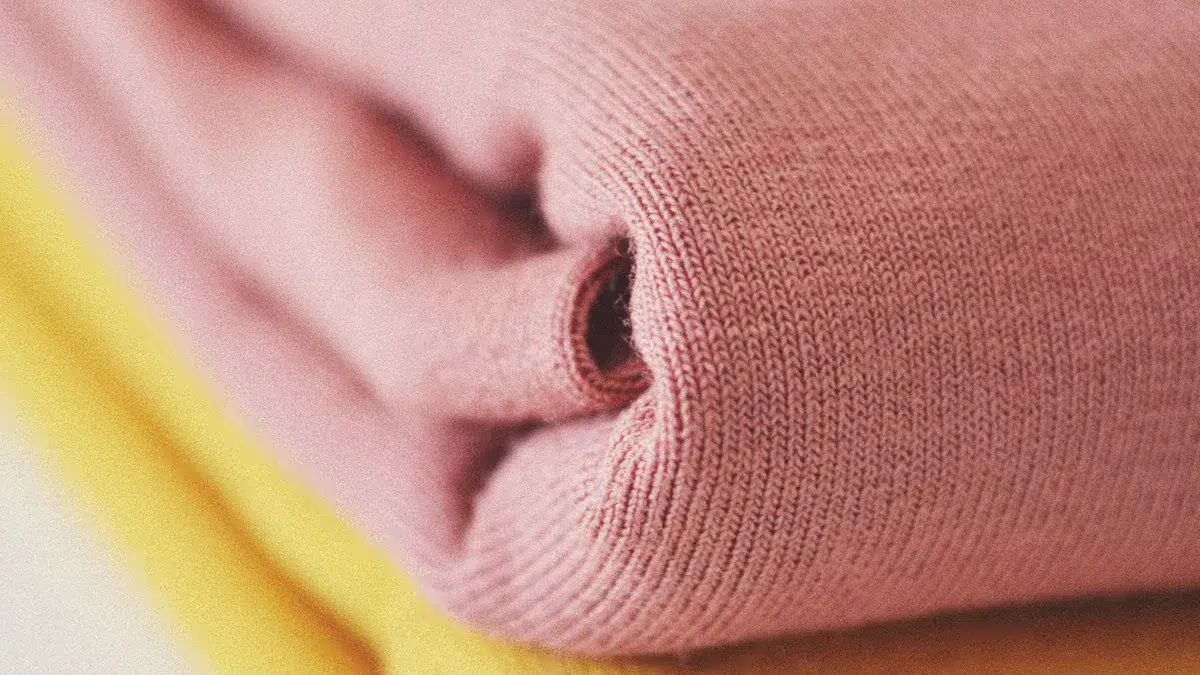
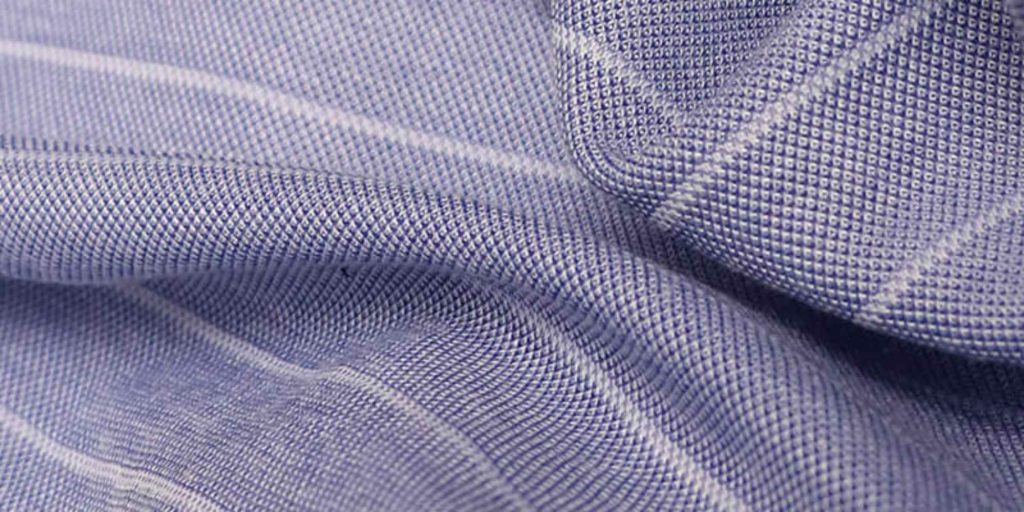
The word “double” refers to the knitting process, not to two separate cloths glued together. Two sets of needles work at the same time. Each set forms its own layer of loops, and the two layers lock together through the middle. The result is a single fabric with a smooth face on both sides. No wrong side shows, so a garment looks finished inside and out.
This structure explains why Ponte is the same thing as double-knit fabric. The interlocking loops give the cloth a firm body that a single jersey cannot match. They also control the stretch. The fabric moves in four directions, yet the give feels more controlled than a jersey knit, which makes the wearer look slimmer.
The structure also drives stability. Two needle sets plus a rayon, nylon, and spandex blend create a fabric with a firm drape. Garments hold their shape without clinging. The surface stays wrinkle-resistant through folding and packing, a useful trait for a manufacturer shipping finished goods.
The name comes from Italy, and the alternate spelling “Ponte di Roma” still appears on European spec sheets. A wholesale supplier may use either form. Both describe the same interlocked double-knit construction.
Key Characteristics of Ponte Roma knit

Ponte Roma knit is a good choice for a wholesale line because of two traits: stretch that stays controlled and real body. A buyer who knows about both can pair the fabric with the right garment.
Stretch and Recovery
Recovery means the fabric springs back after it stretches. A good Ponte Roma knit goes back to its original shape instead of staying stretched out. This trait stops knees and elbows from bagging over a long day of wear. The fabric stretches in four directions, and one common spec lists 70% four-way stretch. That give feels firm rather than loose. A jersey knit stretches easily and can sag. Ponte holds its line.
Recovery also protects the finished garment through repeated washing. A manufacturer should check recovery values against an approved sample before bulk production. Quality checks usually cover stretch recovery, pilling, shrinkage, and colorfastness. A supplier who documents these results gives the buyer a reliable basis for a purchase order.
Weight and Durability
Weight sets Ponte apart from lighter knits. The fabric runs heavier than a typical legging fabric, and that extra body gives it structure. The table below shows the range a buyer may see.
| Weight specification | Value |
|---|---|
| Overall weight range | 150–500 gsm |
| Specific weights cited | 240 gsm, 220 gsm, 210 gsm, 350 gsm, 250 gsm |
| Typical for structured apparel | 300+ GSM |
| Compared to regular jersey knit | Heavier, over 300 GSM |
A mid-to-heavy weight makes the cloth opaque. Buyers pick Ponte Roma knit for trousers when they need better opacity than lighter knits offer. The same weight produces a substantial, structured drape. A garment hangs cleanly and keeps a tailored line.
Durability comes from that build. Ponte is hard to tear, and many in the trade treat it as a heavier, sturdier version of jersey. The dense double-knit surface resists wrinkles through folding and shipping. Shape retention holds through wear, so a factory can promise a garment that looks the same after months of use.
Weight choice depends on the program. A buyer should confirm GSM, stretch, recovery, opacity, and handfeel before asking for a quote. Trouser-friendly opacity calls for a heavier roll. A softer dress-friendly drape may call for a lighter one. Sample approval settles color, weight, and structured appearance in the final garment.
Common Uses
Garments
Ponte Roma knit works well for clothes that need a clean shape and comfort all day. A wholesale buyer will see it used in many types of clothing:
- Pencil skirts
- Dresses
- Blazers
- Structured tops
- Cardigans
- Pants
- Leggings
- Workwear and travel wear
The fabric keeps a neat, tailored shape while still feeling comfortable. That mix makes it a popular pick for professional, feminine clothes in modern and business casual stores. A maker can cut a jacket or structured pants from Ponte when the pattern allows careful tailoring. The heavier double-knit body gives these pieces enough support to hold their shape.
The same stretch works for athletic and leisurewear too. A supplier can use Ponte in a travel outfit or a simple leggings line without losing structure. Buyers often see the cloth as a bridge between office clothes and casualwear. One roll can serve a workwear line and a weekend line at the same time.
Other Applications
Ponte also works for simple home items. A stable stretch fabric is good for cushion covers, table runners, and basic storage bins. These projects benefit from a cloth that does not fray easily and holds a flat seam. A factory that already runs Ponte for apparel can offer small home collections with little extra setup.
Craft projects make up the second group. Sewers use Ponte for headbands, pouches, and simple bag linings. The firm hand keeps small pieces from stretching out of shape while you build them. A custom order for a craft kit can use the same weight as an apparel run, which makes sourcing simpler for the buyer.
Care Instructions
Washing and Drying
Ponte Roma knit holds its shape well when you wash it regularly. A few easy habits protect the spandex and the double-knit surface. The table below sums up the main routine.
| Care Instruction | Purpose |
|---|---|
| Wash in cold or lukewarm water | Heat is the main cause of fiber shrinking |
| Turn garments inside out first | Protects surface fibers from rubbing and wear |
| Use a gentle cycle | Reduces stress on the knit structure |
| Air dry flat or hang gently | Prevents distortion |
| Tumble dry on low heat only | Too much heat can shrink synthetic and natural fibers |
Cold water matters most. A manufacturer should tell buyers to skip hot water completely. Cold water plus a gentle wash helps the fabric keep its stretch and shape. A garment that has stretched out from long wear often recovers after a cold-water dip. The fabric then starts to return to its original size.
Long-Term Care
Fabric softener does real harm to stretch fabrics. It coats the fibers and blocks their moisture-wicking channels. A mild detergent or a sport-specific formula works better. The core rule is simple: protect the spandex. That fiber supplies stretch and recovery, and it is easily harmed by heat, harsh detergents, and certain chemicals. Damage to it permanently ruins the garment. A wholesale buyer should confirm whether a softener suits a specific blend before recommending one.
Storage also affects shape. Heavy pieces such as trousers and blazers hold their line better when folded rather than hung. Hanging pulls on the shoulders and adds tension over time. Low-heat ironing with a pressing cloth smooths wrinkles without shrinking the cloth. Avoid overstretching during washing, drying, or storage, since too much tension can cause subtle size changes.
Sourcing context helps here. Mills like Starke produce Ponte Roma knit with OEKO-TEX Standard 100 and GRS certification. The same supplier offers custom weight, color, and finish, so a factory can match care needs to the final garment program.
Ponte de Roma knit is a stable, heavyweight double-knit fabric with stretch in both directions. Buyers also know it as Ponte, Ponte di Roma, or Ponte Roma knit.
Most rolls blend rayon, nylon, and spandex, and some use cotton or polyester. Two interlocked layers of loops create a smooth face on both sides. The fabric springs back after stretching, so knees and elbows resist bagging. Its mid-to-heavy weight stays opaque and holds a tailored line. Dresses, trousers, blazers, and leggings all suit it, and simple cold washing protects the spandex.
Sewers and manufacturers value this Ponte Roma knit for the same reason: it cuts and sews like a stable woven yet wears like a comfortable knit. A supplier can confirm weight and certification before bulk orders.
FAQ
Does Ponte Roma knit stretch in both directions?
Yes. The double-knit structure gives the cloth four-way stretch. One common spec lists 70% four-way stretch. The spandex content supplies the give, and the interlocked loops keep that give firm rather than loose.
How does Ponte differ from jersey knit?
Jersey knit has a single layer of loops and stretches easily. Ponte uses two interlocked layers, so it feels heavier and holds a tailored line. A manufacturer can cut structured garments from Ponte that would sag in jersey.
Can a factory use Ponte for trousers?
Yes. The mid-to-heavy weight stays opaque, and the firm hand holds a crease-free line. Buyers often choose a roll above 300 GSM for trousers. A supplier should confirm weight and opacity against an approved sample first.
Does Ponte Roma knit pill?
The dense double-knit surface resists pilling better than a loose jersey. Quality checks still cover pilling, shrinkage, and colorfastness. A buyer should request test results before placing a wholesale order.
Does Ponte shrink in the wash?
Heat causes shrinkage, so cold water and low heat protect the fabric. Air drying flat works best. A supplier can confirm shrinkage values for a specific blend before bulk production.