Designers use diving fabric to create structured fashion pieces such as A-line skirts and sportswear. They also use it to make protective gear and party decorations. So, how is diving fabric made? Manufacturers blend polyester and spandex to create this smooth, double-knitted fabric. This process mimics that of real neoprene wetsuits.
Key Takeaways
- Designers use scuba fabric for shape-holding clothes.
- It works well for A-line skirts and coats.
- It also makes very sharp trousers.
- Sportswear makers love this fabric for activewear.
- It stretches four ways to fit nicely.
- It keeps you warm and resists ugly wrinkles.
- Crafters make protective laptop sleeves with thick scuba.
- Event planners use it for smooth table covers.
- These covers stay totally free of wrinkles.
Best Uses for Diving Fabric
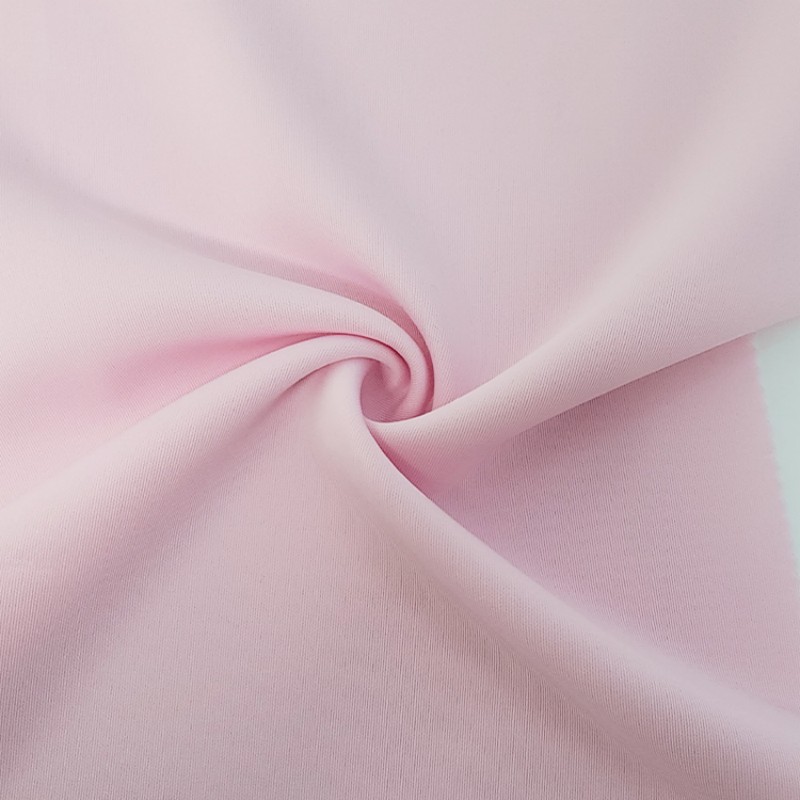
Apparel manufacturers love this vibrant fabric. It perfectly blends functionality and style. Its special double-knit construction gives it greater resilience, providing both strong support and good elasticity. Craftsmen prefer it over heavy rubber fabrics because of its superior feel and consistently lightweight nature.
| Feature | Scuba Fabric | Traditional Neoprene | Traditional Knits |
|---|---|---|---|
| Weight | Lighter / Reduced weight | Heavier | Standard |
| Structure | Maintains high shape/structure | Rigid structure | Less structured |
| Fashion Suitability | High (versatile double-knit) | Low (designed for diving) | Variable |
Structured Fashion and Custom-Made Apparel
Fashion brands are using heavy synthetic fabrics to create bold, structured fashion pieces. The double-knit construction gives the fabric excellent structure without being bulky. This fabric holds its shape better than traditional crepe. It doesn’t shrink and prevents unsightly sag over time.
Understanding the use of scuba fabrics in haute couture helps designers choose the right fabric weight to create fluid silhouettes.
- A-Line Skirts and Shift Dresses: The smooth surface keeps flared shapes crisp.
- Blazers and Boxy Coats: Tailored jackets keep sharp shoulders without padding.
- Structured Trousers: Creases stay sharp every single day. Knees do not bag out.
The high spandex content provides excellent elasticity. The fabric can be easily stretched in four directions and quickly returns to its original shape. Raw edges are less prone to fraying after cutting. Manufacturers can trim neat hems, avoiding heavy seams.
Sportswear and Casual Wear
The inner air layer effectively locks in heat. The knitted fabric on both sides effectively traps warm air. This structure provides light insulation. Casual wear manufacturers are researching the application of diving fabrics in sportswear. The durable polyester fibers prevent pilling and effectively prevent wrinkles and abrasions.
| Performance Metric | Scuba Fabric Characteristic | Functional Benefit in Activewear |
|---|---|---|
| Stretch & Shape Recovery | Spandex-infused double-knit structure with four-way stretch | Offers high elasticity and superior shape retention, ideal for form-fitting athletic wear |
| Durability | High-density polyester blend | Resists pilling, creasing, and shrinking through ongoing use and laundering |
Historically, divers wore heavy neoprene wetsuits in the deep sea. Today, swimwear manufacturers are opting for lightweight new fabrics to create stylish athletic gear. These fabrics are quick-drying, waterproof, and dries sweat rapidly. Footwear manufacturers use this elastic fabric in athletic shoe linings for a snug, comfortable fit that resists wrinkles.
Protective Accessories and Event Accessories
Thick padding makes diving fabric ideal for everyday items. The double-knit construction easily absorbs minor impacts and effectively repels external moisture. Accessory brands cut this fabric into foam-like sheets for various practical gadgets, such as:
- Electronics Cases: Laptop sleeves protect fragile gear from hard hits.
- Headwear and Bands: Smooth headbands hold hair back safely. They press gently on your head.
Different Types of Diving Fabrics and Their Applications
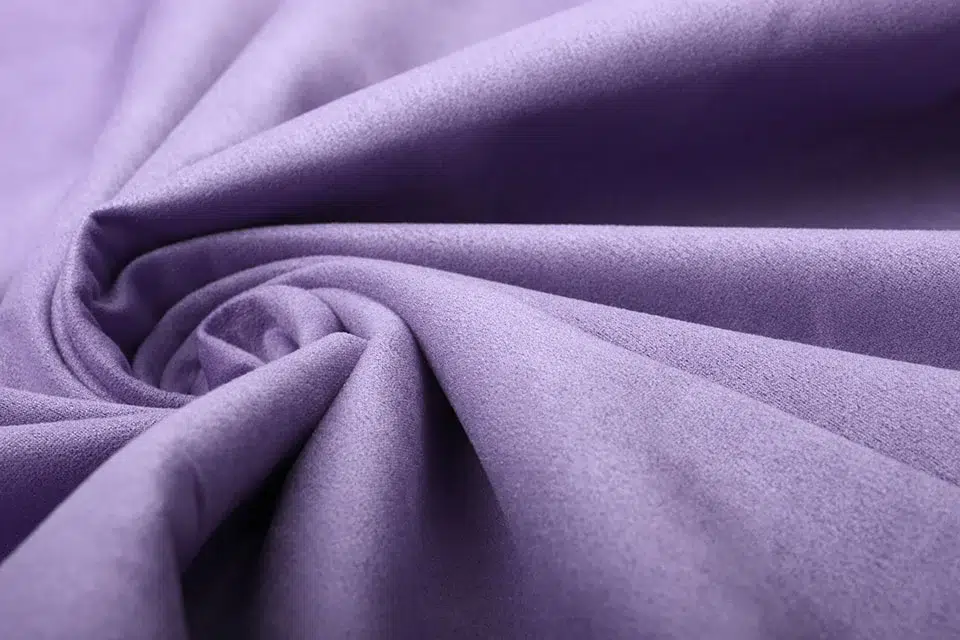
Designers carefully select diving fabrics. Apparel requires good fit and functionality. Understanding the manufacturing process of diving fabrics helps in choosing the right material. Factories use precision machines to weave synthetic fibers.
Classic Double-Knit Diving Fabric
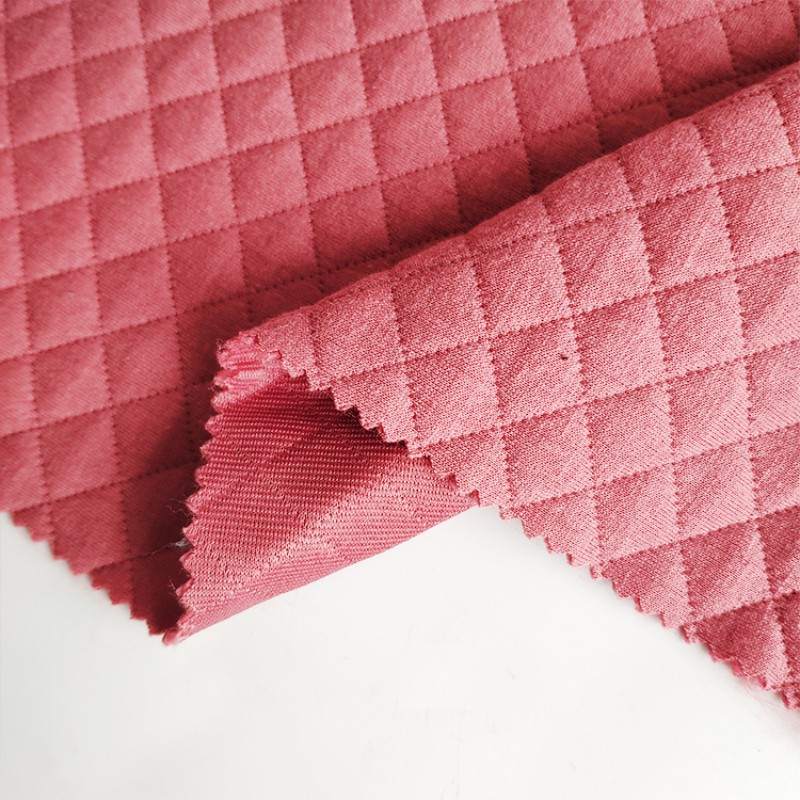
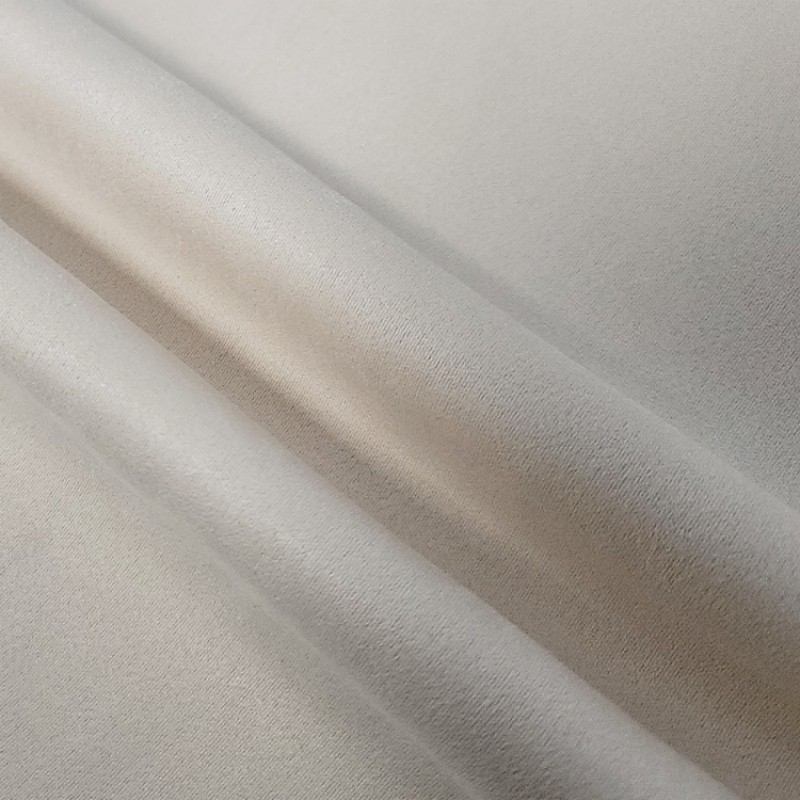
Classic double-knit diving fabric features a clean and simple style. The weight is typically between 300 and 400 grams per square meter. This fabric is best suited for making dresses and professional diving equipment. Manufacturers appreciate its unique characteristics:Double-Knit Build: Fine yarns create smooth, medium-weight textures.
- Firm Body: Spongy threads hold cool shapes cleanly.
- Four-Way Flex: Stretchy strands allow easy movement every day.
- Sleek Surface: Smooth sides bring a high-end feel.
- Easy Sewing: Stable edges make sewing very simple.
- No Fraying: Cut edges never unravel at all.
Heavyweight Bonded Diving Fabric
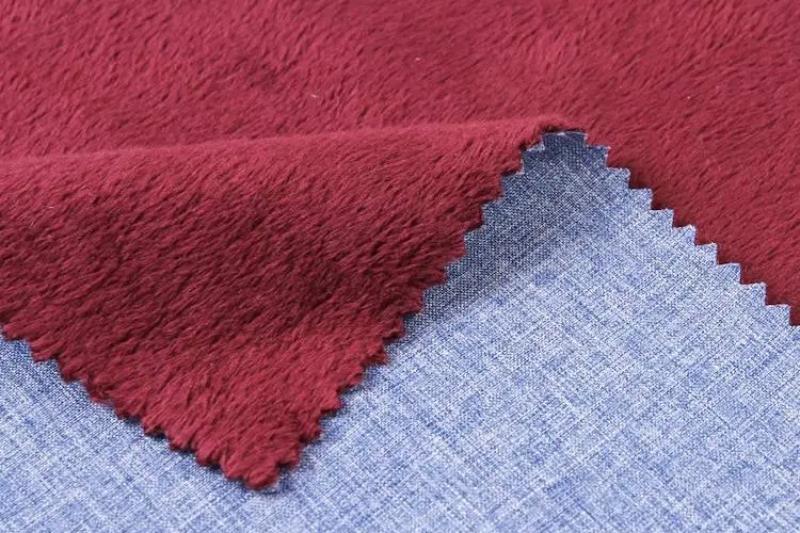
Heavyweight bonded diving fabric perfectly combines two different fabrics. Starke bonds a soft fleece layer to the outer knit fabric. Factory finishing processes add warmth to the jacket.
High-Performance Treated Diving Fabric Blend
Modern factories use advanced finishing processes to enhance protective properties.
| Performance Treatment | Enhancement to Scuba Fabric | Functional Benefit |
|---|---|---|
| Moisture-Wicking Finish | Pulls sweat away | Keeps wearers dry during physical exercise |
| Anti-Pilling Treatment | Stops surface fuzz | Maintains clean aesthetics through washes |
When Not to Use Scuba Fabric
Hot Weather and Summer Clothing
Standard scuba fabric traps body heat. Dense knits block good airflow.
| Structural Feature | Operational Impact in Hot Weather | Thermal Consequence |
|---|---|---|
| Dense composition | Restricts natural ventilation | Traps body heat |
| Low air permeability | Inhibits skin breathability | Triggers extra sweating |
| Thick texture | Fits fall and winter conditions | Creates thermal discomfort |
Makers avoid dense synthetic knits now. They build light summer lines. Natural warmth fits cold days well. High heat brings extra sweat.
Garments requiring a smooth drape:
The stiffness of natural fabrics affects the drape of loose-fitting garments. Elastic fibers tend to hold their shape stiffly.
Strong double-knit fabrics hinder natural drape, thus affecting delicate ruffles and bias cuts.
Designers tend to choose lightweight woven fabrics. Nylon fabrics stretch too much outwards, ruining the flowing silhouette of a skirt. Manufacturers typically use them only for coats, rarely for skirts.
Modern clothing brands pick scuba cloth for structured dresses. They also use it for activewear and gear. Buying factory-made fabrics from Starke keeps shapes strong. It builds great quality and market success, too.
FAQ
Is scuba fabric suitable for beginners to sew?
Yes, it’s very easy for beginners to sew this fabric. The edges are neat, the cuts are clean and crisp, and there’s absolutely no frayed seams. Simple stitches allow for quick and neat seams.
How should I wash this garment?
Wash in cold water on a gentle cycle. Hang to dry. Air drying helps preserve the fabric’s elasticity.
Is scuba fabric wrinkle-resistant?
The high-density double-knit construction allows it to quickly return to its original shape. The garment stays flat all day. No ironing required.