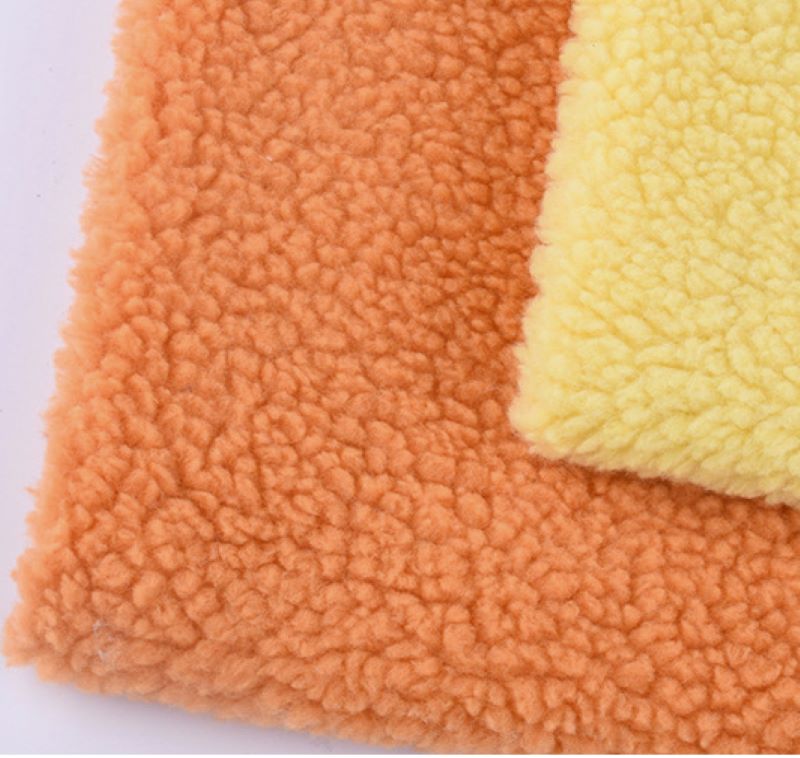
“Sherpa fleece” is a soft, fluffy fabric often used for winter jackets and blankets, offering a warm and cozy feel. This synthetic polyester fabric closely resembles wool in both appearance and texture. Originating from the Himalayan region, it remains a popular choice for cold-weather apparel and home goods. Sherpa fleece not only provides warmth and comfort but is also highly durable.
Key Takeaways
- Sherpa fabric is a soft, warm polyester fabric that mimics wool, perfect for cozy winter wear.
- Sherpa fleece traps more heat than regular fleece, making it ideal for cold-weather lounging.
- Wash sherpa fleece gently in cold water and dry on low heat to keep it fluffy and long-lasting.
What Is Sherpa Fleece Material?
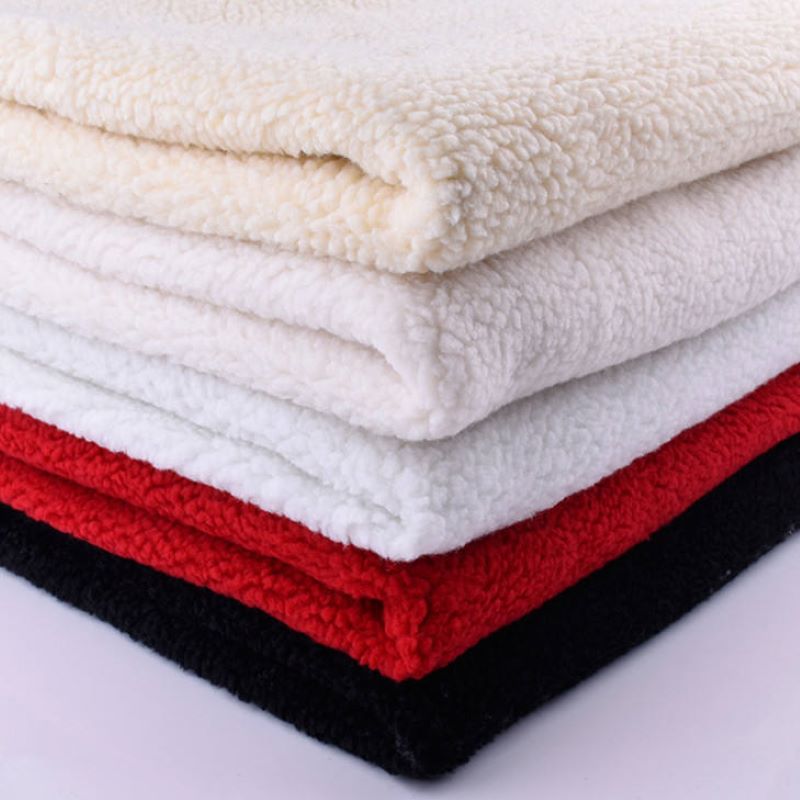
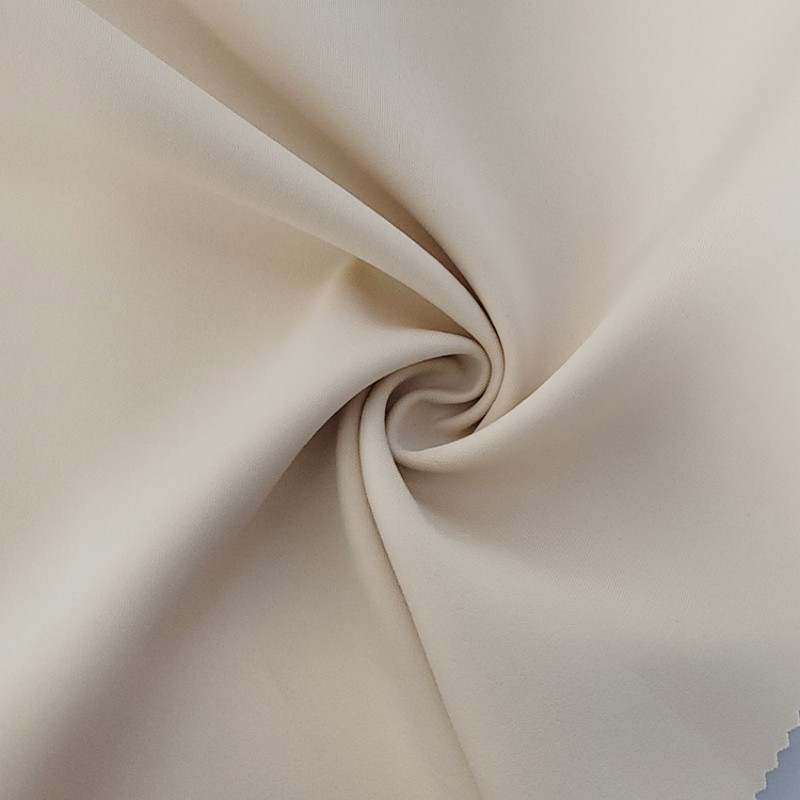
Sherpa fleece material is a fabric made entirely of polyester. It has a curly, fluffy surface that looks like wool. This man-made cloth is light, warm, and very soft. Companies like STARKE make high-quality sherpa fleece for clothing and accessories. They control every step of production to keep quality steady. The fabric’s special texture makes it a top pick for jackets, blankets, and winter gear.
Sherpa Fleece Composition and Origins
Sherpa fabric is primarily made from polyester, though some versions incorporate cotton, acrylic, wool, or bamboo fibers. Polyester is the material of choice due to its durability and ease of care, forming the foundation of Sherpa’s distinctive texture. Chemically, this polyester is known as polyethylene terephthalate (PET). It is widely used thanks to advantages such as high strength, excellent shape retention, and low cost.
The production of Sherpa fleece begins with polyester raw materials and culminates in a soft, voluminous fabric. First, manufacturers select robust polyester fibers to ensure durability. Next, the fibers are knitted into a flexible base layer. Then, through knitting or tufting processes, Sherpa fibers are integrated into the base to create a raised, soft surface. The fibers are combed and arranged into a base fabric, followed by pile height adjustment, brushing, and heat setting. The fabric is then dyed to achieve the desired color. Finally, a brushing process causes the fibers to stand upright, giving the fabric its thick, fluffy texture.
The name “Sherpa” is derived from the Sherpa people of Nepal—an indigenous group inhabiting the high-altitude regions of the eastern Himalayas. Traditionally, they wore fur garments with the soft, hairy side facing inward to trap air and retain warmth, while the smooth suede side faced outward to shield against the wind. Sherpa fabric mimics this design, featuring a smooth outer layer and a textured inner layer that traps warm air, thereby providing excellent thermal insulation.
Key Features of Sherpa Fleece
Sherpa fleece boasts numerous advantages that contribute to its popularity. The fabric traps air between its fibers, creating a natural insulating layer that delivers exceptional warmth—making it an ideal choice for winter apparel and home goods. Its soft, fluffy texture offers a comfortable feel, further enhancing the experience of wearing or using it.
Durability is another key feature. High-quality polyester is abrasion-resistant, maintaining its attractive appearance even with frequent use. Additionally, the fabric is hypoallergenic, making it safe and gentle for allergy sufferers or those with sensitive skin; many Sherpa fleece blankets are crafted from hypoallergenic materials to minimize the risk of skin irritation.
Its faux-wool aesthetic gives Sherpa fleece a distinctive style. The curled, fleecy surface closely resembles genuine wool, offering a look that is both rustic and modern. Beyond its appealing appearance, Sherpa fleece offers practical benefits that make it a versatile choice for various applications. Whether used as a jacket lining or to create a cozy blanket, the fabric perfectly blends style with functionality.
Sherpa Fleece vs. Regular Fleece
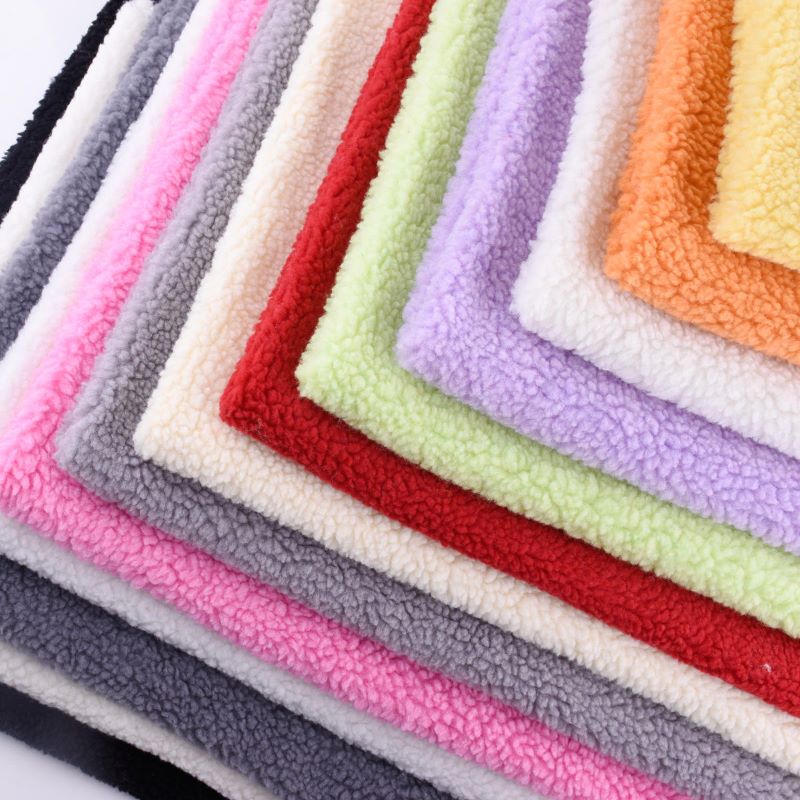
Understanding the difference between sherpa and fleece helps buyers choose the right fabric for their needs. Both materials come from polyester, but they serve different purposes. The table below highlights their main structural differences.
| Structural Feature | Regular Fleece | Sherpa Fleece |
|---|---|---|
| Fur Length | Shorter | Long and fluffy |
| Surface Texture | Smooth | Sheep wool-like texture |
| Density | Denser | Less dense (due to long pile) |
| Weight | Lighter | Heavier |
| Structural Durability | More durable | More easily damaged due to long pile |
Sherpa Fleece Texture and Warmth
Sherpa fleece (faux shearling) is distinguished by its striking texture. Its long pile and curled fibers mimic the characteristics of wool, creating a finish that looks and feels remarkably like shearling. In contrast, standard fleece features a smoother, more uniform surface with shorter fibers; this structural difference directly impacts performance.
The curled fiber structure of Sherpa fabric creates numerous air pockets. These trapped layers of air effectively retain body heat and block out cold air, whereas standard fleece has a shorter, denser pile.
| Material | Air Permeability (CFM at 125 Pa) | Moisture Evaporation Time |
|---|---|---|
| Standard Fleece | 80-150 | 15-20 minutes |
| Sherpa Fleece | 30-60 | 35-45 minutes |
For cold-weather clothing like jackets and coats, sherpa delivers unmatched coziness. For exercise gear or layering pieces, regular fleece performs better. The difference between sherpa and fleece comes down to intended use.
Caring for Sherpa Fabric
Proper maintenance keeps sherpa fleece material fluffy and extends its lifespan. The long pile requires gentler handling than regular fleece. Follow these steps for best results:
- Set the washing machine to a gentle or delicate cycle to prevent fabric damage.
- Use cold water for the wash cycle.
- After washing, dry using a low heat or air-dry cycle to avoid fiber damage.
- Remove the blanket from the dryer as soon as it is dry to prevent heat damage.
Several habits damage sherpa fabric over time. Avoid these common mistakes:
- No Fabric Softener: It coats fibres, reduces softness and holds odours in fleece.
- No high heat: High heat destroys fibers and disintegrates the fabric’s texture for fleece forever.
- Non Rough Cycles: Heavy-duty cycles generate more friction and lead to pilling.
Fabric softener weakens the fiber structure, making the sherpa more susceptible to friction damage. Mild detergent and gentle cycles preserve the fluffy pile. Regular fleece tolerates more aggressive washing, but sherpa demands extra attention. With proper care, sherpa fleece maintains its insulation and comfort for many winters. Manufacturers like STARKE offer custom knit fabrics including sherpa fleece with anti-pilling treatments, which further extends the garment’s usable life.
Sherpa fleece material is a synthetic wool-like fabric prized for warmth and comfort. Sherpa fabric differs from other fabrics in texture and care. Proper maintenance keeps sherpa fabric fluffy. Sherpa fleece offers versatility, making sherpa fleece a great choice for clothing and home. Considering this fabric? Explore our selection of cozy sherpa fleece products and feel the difference. Share your experiences in the comments.
FAQ
Can sherpa fleece go in the dryer?
Yes, you can put sherpa fleece in the dryer, but use low heat. High heat harms the fibers and ruins the soft, fluffy feel. Take items out as soon as they are dry.
Does sherpa fabric pill over time?
Sherpa fabric resists pilling if makers use anti-pilling treatments. Regular sherpa may get small fuzz balls from heavy use. Washing gently stops most pilling.
Is sherpa fleece warmer than wool?
Sherpa fleece holds air between its curly fibers, giving warmth like wool. This synthetic material stays light but keeps you very warm. Many people like sherpa more because it is softer.