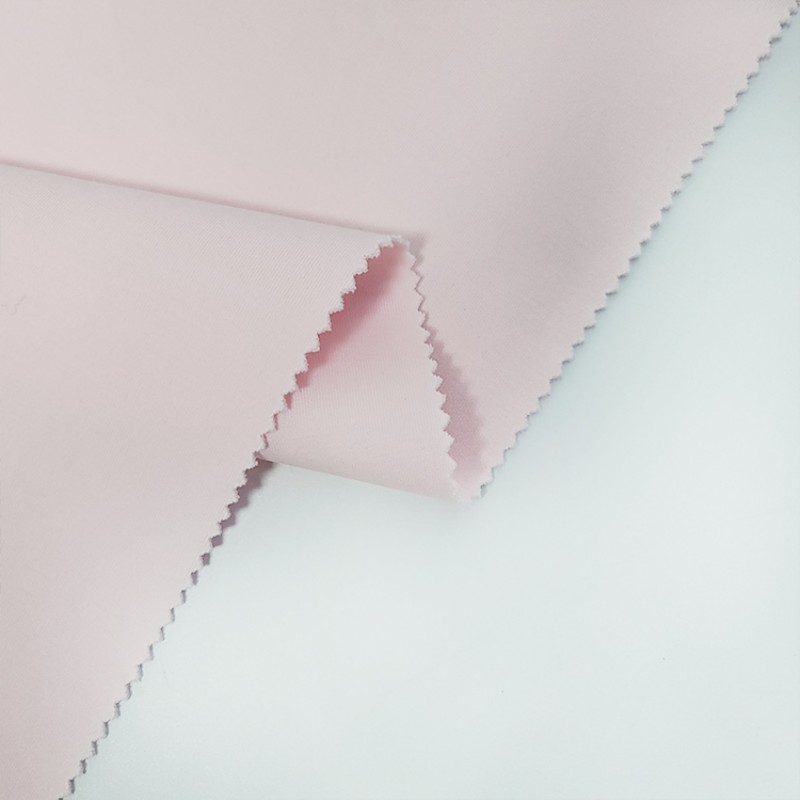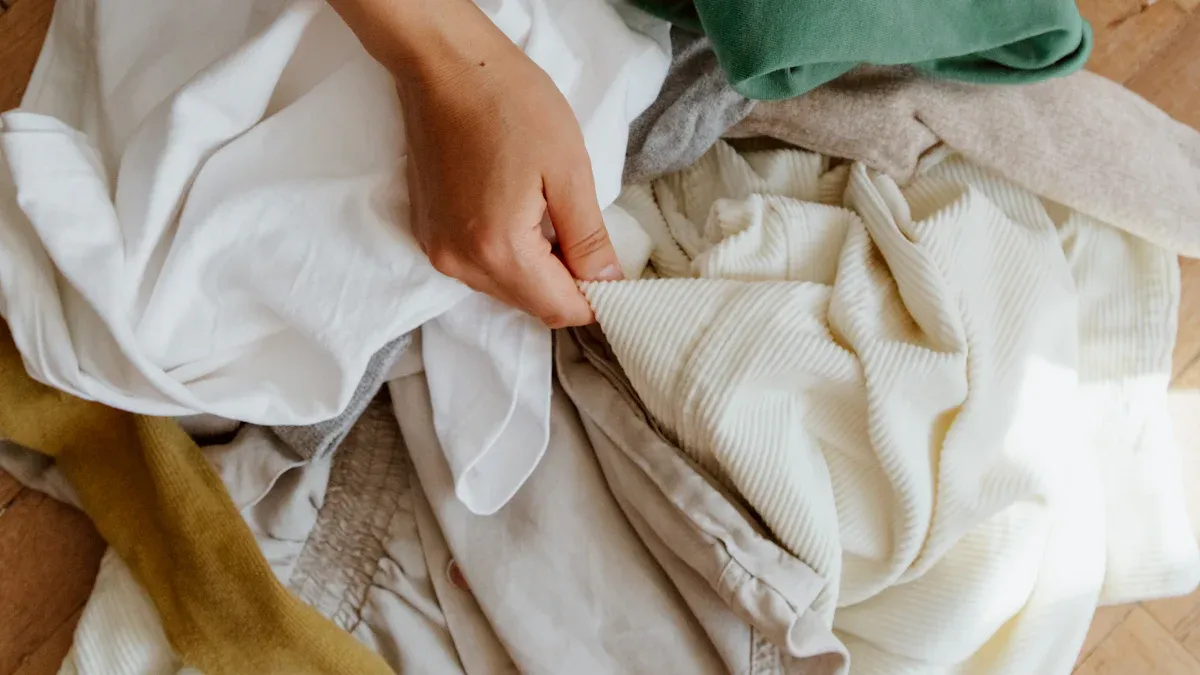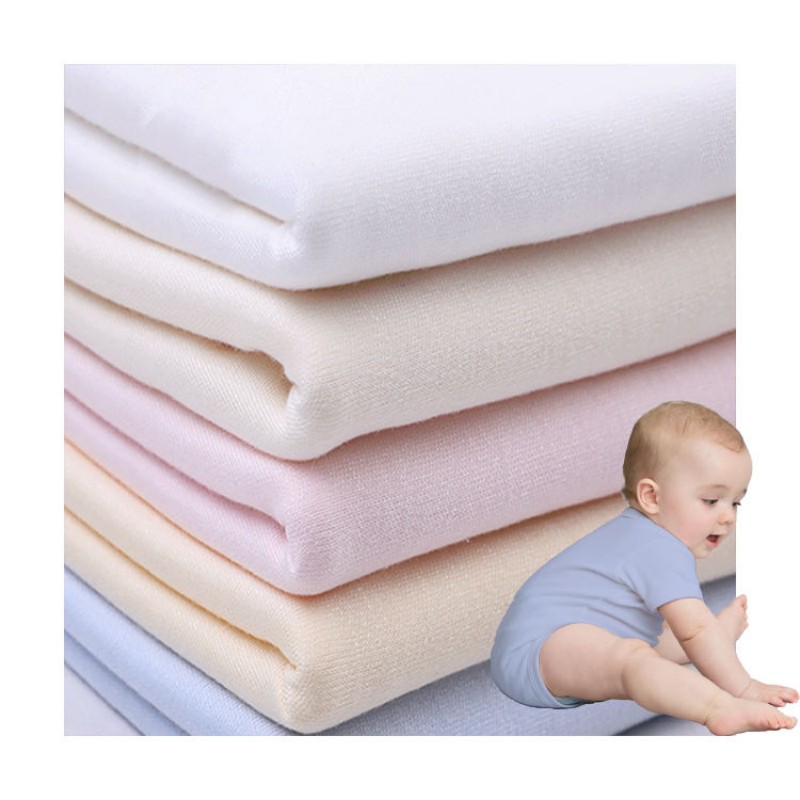
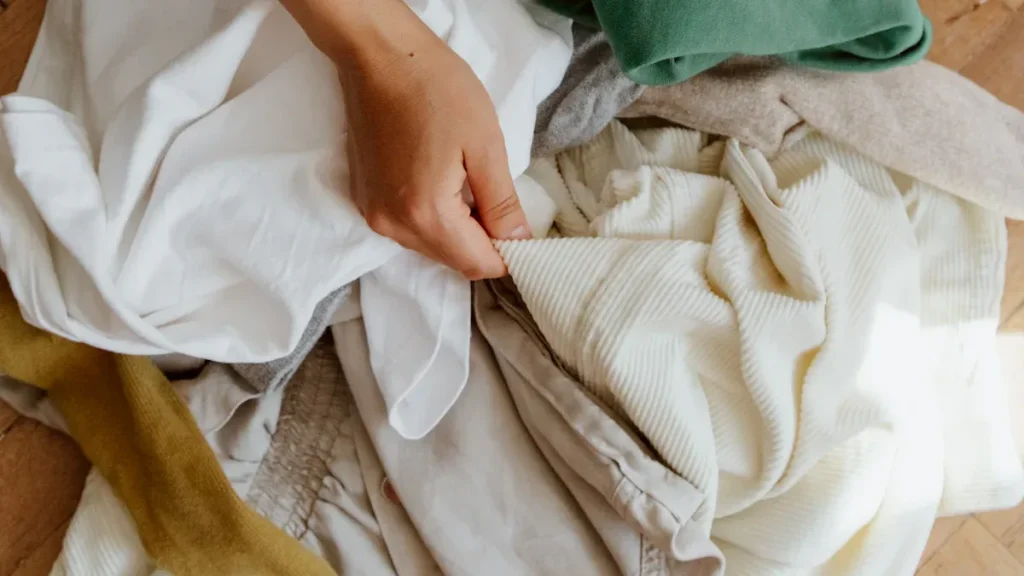
Spandex French terry is a knit fabric that blends classic French terry with spandex (elastane) to add four-way stretch, softness, and shape retention. It keeps the smooth jersey face and looped back of traditional French terry, then gains the ability to stretch both across and along the grain. Because it moves with the body and bounces back after washing, it has become a go-to for leggings, hoodies, joggers, and baby clothes. If you want the technical baseline on the base cloth first, our French terry fabric guide explains how the looped knit is built before spandex is introduced. This article covers what it is made of, how it compares with other knits, and how apparel brands can source it reliably.
Key Takeaways
· Built from French terry plus 2-5% spandex; a 95% cotton / 5% spandex mix is the everyday retail ratio.
· Typical cloth is about 60 inches wide and ~250 GSM – light enough for year-round wear.
· Four-way stretch reaches 30-50%, versus almost no give in plain French terry.
· Custom runs from a knitted-fabric manufacturer usually need ~7 days for samples and 20-45 days for bulk.
What Is Spandex French Terry Fabric Made Of?
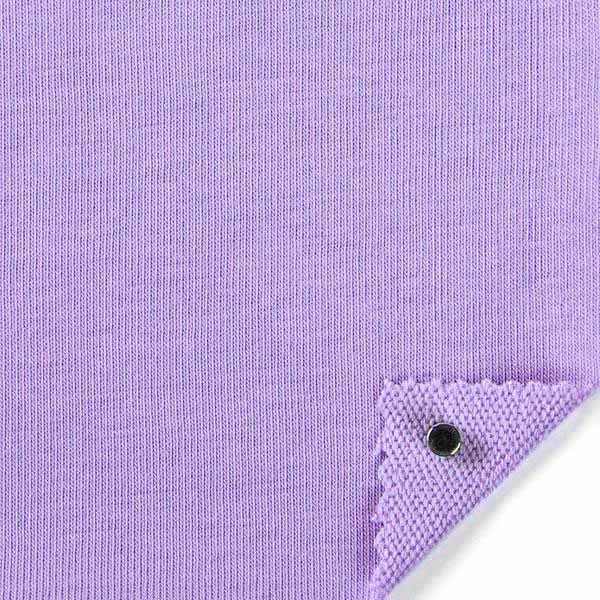
French terry itself is a knitted textile with a smooth front and a looped back; the loops sit on only one side, which sets it apart from terry cloth that loops on both faces. For contrast, a plain jersey knit fabric has a smooth, even surface with no loops at all – French terry is essentially that smooth base plus a back loop. When a knitting line adds elastane during production, the result is spandex French terry: the soft looped interior stays, but the cloth now stretches in every direction and recovers its shape.
The spandex percentage decides the hand feel and performance. Lifestyle basics often use 2-5% elastane for subtle recovery, cotton-spandex jersey typically runs 5-10%, and high-compression activewear can reach 15-25%. A standard spandex French terry measures about 60 inches wide and weighs roughly 250 GSM – specs that suit leggings, hoodies, and loungewear. Longer loops make a heavier, more absorbent cloth, while shorter loops keep it thin and light; polyester in the blend lifts durability and cuts pilling and shrinkage, so the fabric stays presentable through many wash cycles.
How Spandex French Terry Stacks Up Against Jersey and Fleece
Buyers often confuse French terry with jersey and fleece, but the three behave quite differently. polar fleece fabric is a brushed polyester knit that traps heat and feels fuzzy on the surface; French terry keeps its loops whole, so it stays smoother, lighter, and more breathable. Plain jersey, by comparison, is a soft smooth knit with no loops and only mild natural stretch; French terry adds medium warmth from its back loops and, once spandex is added, true four-way recovery. The table below sums up where each one fits.
French terry (with spandex) versus the two knits buyers mix it up with:
| Attribute | French terry (with spandex) | Jersey knit | Polar fleece |
| Stretch | 4-way, 30-50% | Mild natural | Low (unless spandex-blended) |
| Warmth | Medium, breathable | Light | High, insulating |
| Texture | Smooth face, looped back | Smooth both sides | Brushed, fuzzy |
| Best for | Leggings, hoodies, joggers | Tees, dresses, loungewear | Jackets, blankets, mid-layers |
Where French Terry With Spandex Is Used and How to Source It
Spandex French terry fits a wide range of garments. Activewear and leggings use its four-way stretch for freedom of movement; hoodies and joggers rely on the soft looped back for breathable warmth; parents choose it for baby onesies because it is soft yet durable. Home sewers like it for loungewear sets that keep their shape after washing, and casual dresses or skirts mix its comfort with an easy drape.
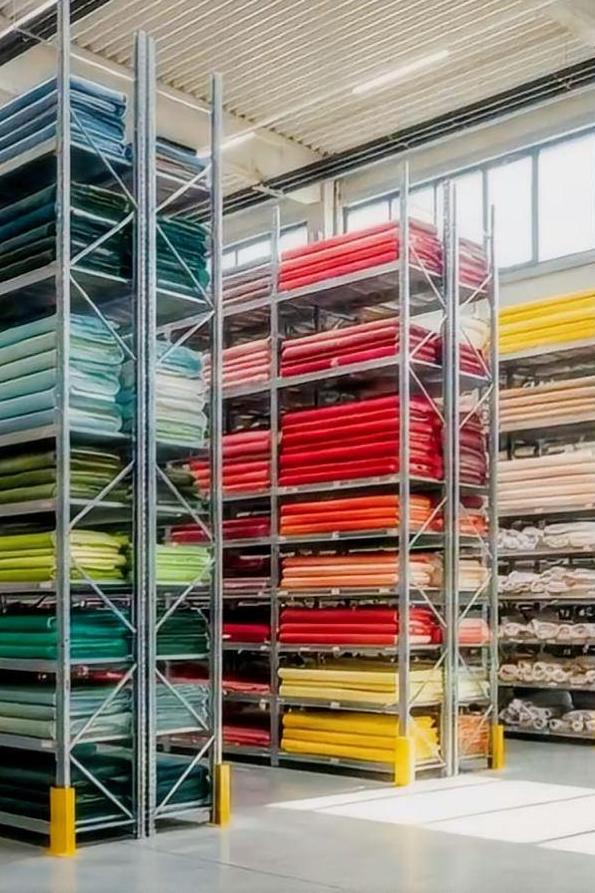
For brands, the practical question is sourcing. A knitted-fabric manufacturer that runs its own knitting, dyeing, and bonding factories can hold specifications steady from sample to bulk. STARKE, for example, has specialized in knitted and bonded fabric since 2008, operates 150+ staff across three plants, and holds OEKO-TEX Standard 100 and GRS certifications for safer, traceable material. Sample development typically takes about 7 days, with bulk production and delivery on a 20-45 day window – a cadence that lets small and mid-size labels move from prototype to shelf without a long wait.
Customization is where these mills add the most value: weight, color, pattern, and finish can all be adjusted, and functional options such as anti-pilling, moisture-wicking, or quick-dry treatments tailor the cloth to a target market. Buyers should request swatches, confirm the spandex ratio against the end use, and validate shrinkage and color fastness before committing to a wholesale order. A reliable custom fabric supplier will also share lab reports so the specification matches what arrives at the dock.
Frequently Asked Questions
What is the typical spandex percentage in French terry?
Most retail blends use 2-5% spandex for comfortable recovery, while compression wear can reach 15-25%. A 95% cotton / 5% spandex mix is the common everyday ratio.
Does spandex French terry breathe better than fleece?
Yes. Because its loops stay intact rather than being brushed into fuzz, it feels lighter and more breathable than polar fleece, while still offering medium warmth from the looped back.
Can brands order custom spandex French terry?
Yes. A custom fabric supplier can adjust GSM, color, spandex ratio, and finish; sample runs are usually ready in about 7 days and bulk in 20-45 days.