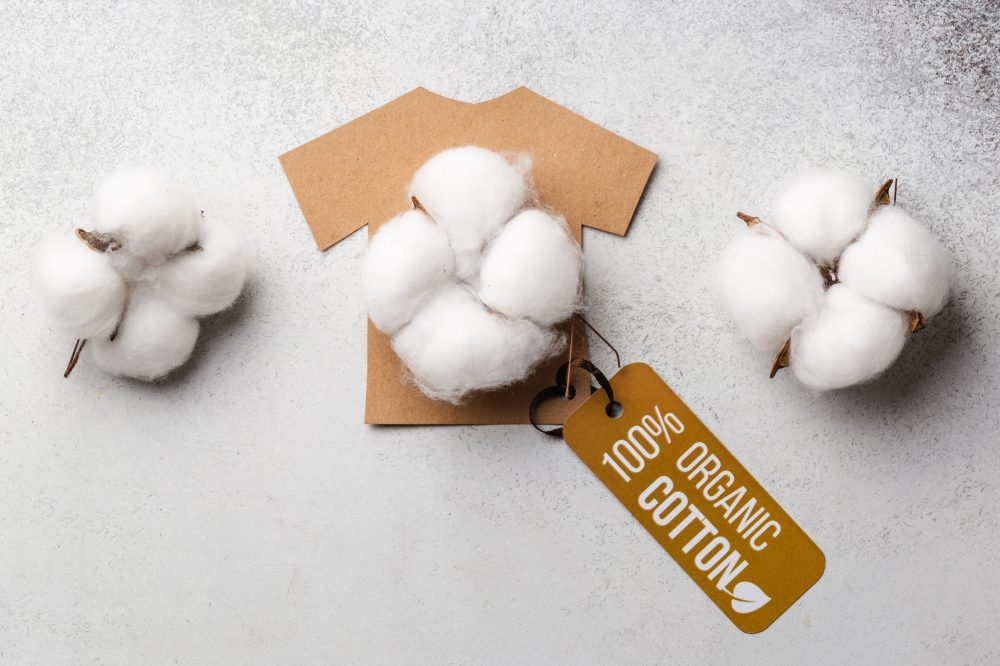
Cotton is a fiber, while terry is a fabric construction, and the shared word is where most of the confusion starts. Terry cloth is built from cotton, yet a 100% cotton label describes fiber content only, not how a finished textile will act. Construction, yarn, weight, weave or knit structure, and finishing all change the result.Terry stands apart through extra warp threads left as large, uncut loops, and those loops turn the surface into a sponge.
Starke’s terry fabrics take this further, covering cotton terry and french terry with controlled loop structure and consistent finishing. This post compares absorbency, durability, softness, drying time, best uses, care, and cost, and explains where french terry fits.
Key Takeaways
- Cotton is a natural fiber. Terry cotton is a fabric made from cotton with loops that make it absorbent.
- Terry cloth has loops on both sides. It soaks up water well and works great for towels and bathrobes.
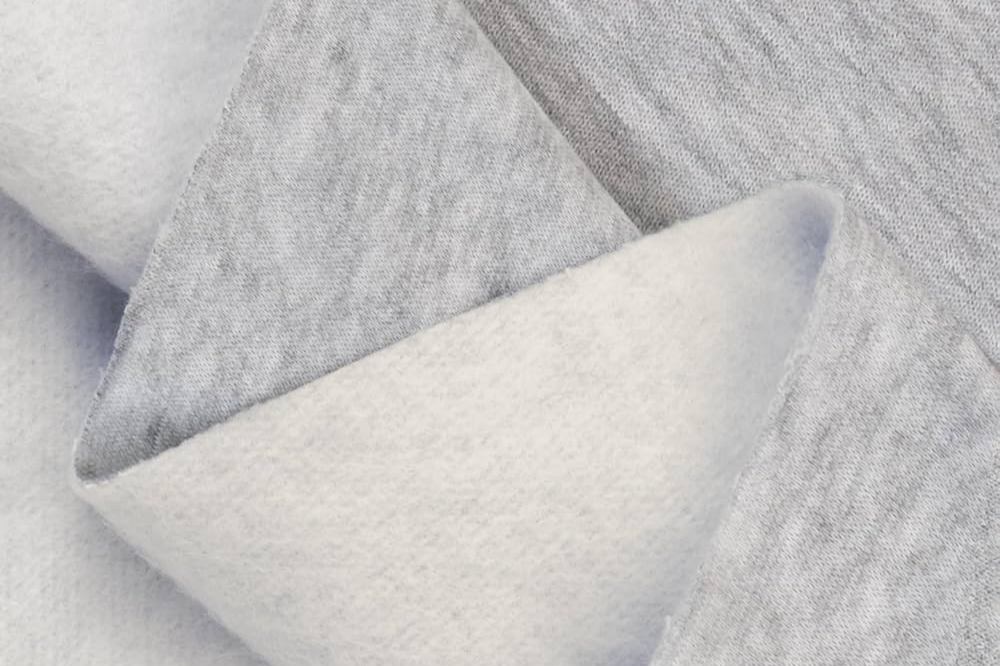
- French terry has loops on one side only. It stretches and feels smooth, making it perfect for hoodies and joggers.
- Terry cloth is thicker and takes longer to dry. French terry is lighter and dries faster.
- Choose terry cloth for drying things. Choose french terry for comfortable clothing.
The Difference Between Cotton and Terry Cotton

The difference between cotton and terry cotton comes down to group. One is a raw material. The other is a built structure. Keeping that split in mind makes every later comparison easier to follow.
Cotton as a Fiber
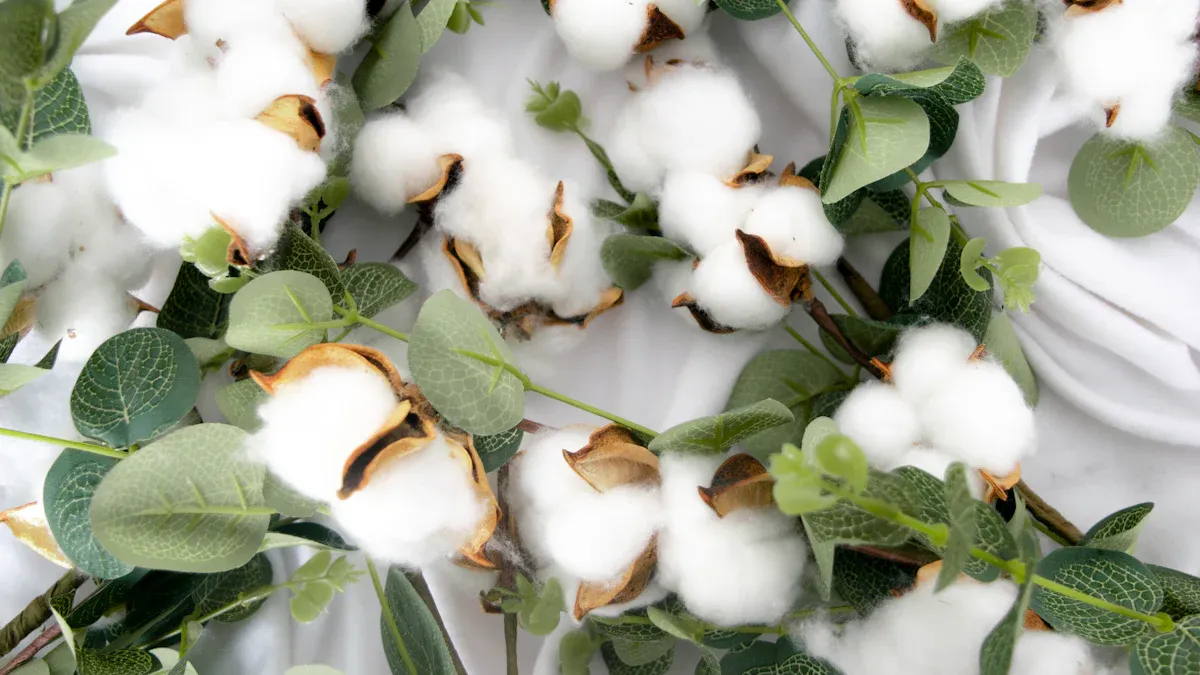
Cotton is a natural, soft, fluffy staple fiber taken from the seedpods of the cotton plant, according to Textile Engineering. Cellulose makes up about 91% of the fiber. This long chain of glucose units gives cotton its strength, resilience, and flexibility. The degree of polymerization runs very large, between 2000 and 4000 repeating units. Single fibers usually measure about 1 to 1.5 inches long. The fiber is breathable, absorbent, soft, and hypoallergenic, and it carries low lint. Manufacturers spin it into yarn, then knit or weave that yarn into many textiles. Wellfabric lists 100% cotton, 65/35 blends, Egyptian cotton, corduroy, satin, and four-way stretch cotton as common examples. The fiber is a starting point, not a finished fabric.
Terry Cotton as a Fabric Construction
Terry cloth is a woven fabric built for absorbency. It runs two warp systems at once: a tightly tensioned ground warp that forms the base and a loosely tensioned pile warp that rises into standing loops. Ifactoryapp describes the cycle in four steps.
- Ground picks beat firmly at full reed force, locking the base structure.
- The pile warp beam releases slack yarn under deliberately low tension.
- The reed under-beats the pile pick and stops short of the fell.
- A final full beat snaps the slack yarn into an upright loop.
The ground cloth is usually a simple plain weave, picked for strength and stability. Textile School reports that 3-pick terry is the most common setup, that pile can show on one or both faces, and that pile warp length per 10 cm of fabric usually falls between 20 and 100 cm. Mills draft warps in a 1:1 or 2:2 order of pile and ground ends. Density commonly sits between 15 and 25 picks per centimeter and 20 and 30 ends per centimeter. Most terry is cotton, though some mills blend in polyester. The thick, uncut loops raise surface area, and Hellosewing explains that this extra contact area drives the absorbency people expect from towels and bathrobes. Terry also serves as a versatile knit fabric in some apparel and spa items. French terry takes a different path, with a smooth face and loops only on the back.
The difference between cotton and terry cotton is structural, not a matter of quality. One names a fiber. The other names a looped construction that usually uses that fiber.
Cotton French Terry Fabric vs. Terry Cloth Fabric
The comparison between cotton french terry fabric vs. terry cloth fabric starts with structure. Woven terry forms loops on both sides during weaving, as Capyhome explains. These loops make the fabric absorbent, soft, and thick, with a firm structure that does not stretch. Knitted terry, also called french terry, forms short loops on the inside while the outside stays flat and smooth. This knitted structure feels flexible, light, and comfortable. Unlike terry cloth, french terry has two different sides: one smooth and flat, the other with the classic looped texture. Terry cloth fabric is used for bathrooms and cleaning, while french terry fabric is used for clothing. French terry is not a towel fabric.
Absorbency and Drying Time
Absorbency clearly separates these two materials. Regular terry soaks up more moisture, according to Runtangtex, and it works better in humid places. Terry cloth is more absorbent than french terry by design, because its standing loops on both sides create much more surface contact area. French terry still offers good absorbency, especially for active and leisure wear, but it cannot match the superior absorbency of woven terry. The looped inside of french terry wicks moisture well enough for clothing, yet it is not built for heavy toweling.
Drying time follows the same logic. Terry cloth is thicker and heavier than french terry, so it holds more water and takes longer to dry. Weight drives this relationship directly. Capyhome groups terry by weight:
| Weight Range | Category | Typical Uses | Drying Behavior |
|---|---|---|---|
| Under 450 GSM | Lightweight | Hand towels, kitchen towels, sports towels, travel towels | Thin, lightweight, and quick-drying |
| 450-600 GSM | Medium-weight | Everyday bath towels, hand towels, guest towels | Good balance of softness, absorbency, and drying time |
| 600-800 GSM | Heavyweight | Premium bath towels, hotel and spa towels | Thicker, heavier, plusher, and more absorbent |
| 800+ GSM | Extra-heavyweight | Luxury hotel and spa towels, premium bath towels | Extra-thick, highly plush, and luxurious, but takes longer to dry |
French terry fabrics usually sit at the lighter end of this spectrum. That lower weight helps them dry faster than a heavy bath towel.
Durability and Softness
Durability and softness show another difference. Terry cloth fabric has a firm woven structure that does not stretch. That build resists pulling and holds up to repeated washing at hotter temperatures. Runtangtex notes that regular terry can handle hotter wash and dry cycles. French terry, by contrast, is a knit. It stretches and recovers, and it keeps its shape well in garments. Care matters here. Runtangtex advises washing french terry in cold water and air-drying it to prevent shrinkage, and turning it inside out to protect color. These steps help maintain french terry over time.
Softness favors each material in different ways. Terry cloth feels plush and cozy against skin, and its looped surface gives towels their classic cushion. French terry feels smoother on the face and softer overall, with a breathable knit that lets air flow better. Runtangtex describes french terry as comfy and breathable for any kind of weather. Terry may not breathe as well, but it soaks up more moisture. Neither option wins universally. French terry is not ideal for heavy toweling, while terry cloth remains the classic bath towel choice. Each fits a distinct need.
Key Differences: French Terry vs. Terry Cloth
The Difference Between French Terry and Terry Cloth
The difference between french terry and terry cloth comes down to where the loops sit. Terry cloth has loops on both sides. French terry has them on just one side. Outletshirts.com says the outside of french terry is a smooth, flat knit, more like a jersey t-shirt than a towel. Collectivestudioltd.com puts it well: a sweatshirt stays smooth on the outside and soft against your skin. That one design choice explains everything else.
| Attribute | Terry cloth | French terry |
|---|---|---|
| Loop placement | Loops on both sides | Loops on the inside only |
| Absorbency | High, because loops add surface area | Made to be worn, not to dry things |
| Bulk | Bulky | Light enough to let air through |
| Stretch | Not very stretchy | Knit, so it moves with you |
The table shows why terry cloth soaks up more water. Loops standing on both sides put much more fiber in touch with water. French terry keeps its soft, looped inside against your skin instead. Naksewing.com confirms the split: terry is a woven fabric with many raised loops, while french terry is a knit with a soft, looped back and a smooth face. One is looped inside and smooth outside. The other is looped all through.
Best Uses for Each
Each material has a clear job. Terry cloth works for anything that meets water. National Sewing Circle lists towels, robes, washcloths, bath accessories, and spa wraps as its natural home. Longer loops mean a cloth soaks up more, so bath products do best with that looped inside.
Cotton french terry fabric works for clothes instead. Sewguide.com names hoodies, joggers, sweatshirts, athleisure, and loungewear as its best fits, and it notes the fabric does not make towels. Thefabricofourlives.com adds sweatpants, pullovers, and shorts. Allieolson.com mentions cozy cardigans, knit dresses, and cold-weather workout clothing. The plush textured back loops give shape without weight, and the smooth face takes prints and hangs well.
A mill such as Starke makes both terry cloth and cotton french terry, so buyers can match the material to the end use. There is no universal winner here. The difference between cotton and terry cotton, and between these two constructions, comes down to purpose.
Cotton is the fiber itself. Terry cotton is a looped fabric that mills make from it. French terry is the smoother relative of terry cloth, with loops on just one side. That one design choice explains the whole difference between cotton and terry cotton.
The practical split is easy to see. Terry cloth gives you absorbency and softness for towels, robes, and spa items. Cotton french terry gives you smoothness, shape, and everyday comfort for hoodies, joggers, and loungewear. Shoppers get the best result when they match the material to a specific use. No single option wins everywhere.
FAQ
What is french terry?
French terry is a knit fabric. It has a smooth outer face and short loops on the inside. Mills knit it for clothing rather than toweling. The looped back feels soft against skin, and the flat face holds prints well.
Does terry cloth fabric shrink?
Terry cloth fabric can shrink after washing. Hot water and high dryer heat relax the loops and pull the weave tighter. A cold wash and low heat drying help the fabric keep its size over time.
Which fabric suits workout clothing?
French terry fabric suits workout clothing well. The knit stretches and recovers with movement. Its smooth face slides under layers, and the looped back wicks moisture. Terry cloth stays too bulky and heavy for training wear.
How should buyers care for french terry?
Buyers should wash french terry in cold water. They should turn the garment inside out to protect its color. Air drying prevents shrinkage and keeps the looped back soft. Hot dryer cycles wear down the loops faster.
Can terry make towels and apparel?
Terry makes excellent towels, robes, and washcloths. Its standing loops soak up water fast. The same fabric feels heavy for clothing. French terry covers apparel needs instead, so each construction serves its own purpose