The primary difference between fleece (brushed knit) and terry fleece (French terry) lies in their fabric construction and performance characteristics. Fleece features a deeply napped, sheared surface that maximizes thermal insulation, while terry fleece retains its signature uncut yarn loops on the technical back for enhanced moisture management. Understanding these structural differences in weight, air permeability, and fiber composition is essential for sourcing the right material for activewear, loungewear, or performance outdoor gear.
| Property | Fleece (Brushed Knit) Characteristics | Terry Fleece (French Terry) Characteristics | Comparison Notes |
| Warmth | High thermal retention; napped fibers trap a large volume of still air. | Moderate insulation; ideal for transitional weather and layering. | Fleece provides a higher clo-value (thermal resistance) at equivalent weights. |
| Breathability | High air permeability in low-wind conditions, but drops if tightly knitted. | Excellent localized airflow due to the loop structure on the back. | French terry allows faster heat dissipation during high-intensity movement. |
| Durability | Good dimensional stability, but low-quality synthetics may experience surface pilling. | High structural integrity; loops resist shedding but can catch on sharp objects. | Durability is highly dependent on fiber blending (e.g., adding polyester or nylon to cotton). |
Key Takeaways
- Fleece is warmer and ideal for cold weather. It is perfect for jackets and blankets.
- Terry fleece is lighter and allows better airflow. It is great for activewear and casual clothing.
- Both fabrics are durable and long-lasting. Proper care keeps them looking good for years.
Key Differences Between Fleece and Terry Fleece
Material & Construction
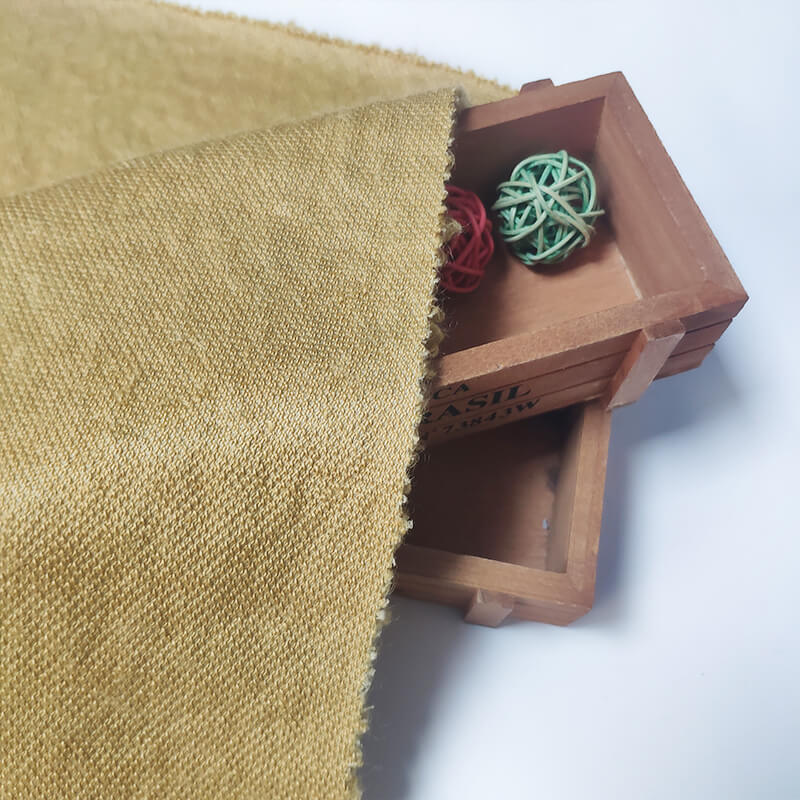
Both fabrics can be engineered using various fiber compositions, including cotton, polyester, rayon, or eco-friendly blends. Standard fleece achieves its loft through a mechanical brushing and shearing process, which raises the fiber ends to create a plush, heat-trapping pile. Conversely, terry fleece (French terry) is a jersey knit with unbrushed loops on the technical back and a smooth face. At Starke Textile, we custom-engineer both fabric structures in various yarn counts and weight ranges to meet specific brand performance requirements.
| Material | Properties | Impact on Performance |
|---|---|---|
| Polyester | Durable, moisture-wicking | Suitable for outdoor activities |
| Recycled Polyester | Eco-friendly alternative, maintains quality | Offers sustainability without sacrificing quality |
| Microfiber | Ultra-fine fibers, luxurious softness, exceptional warmth | Ideal for cozy blankets and loungewear |
| Cotton (Terry) | Soft, absorbent, breathable | Comfortable for casual wear, good moisture absorption |
Texture & Feel
Fleece feels soft and smooth on both sides. It is gentle and cozy on your skin. Terry fleece is different. The outside is smooth, but the inside has small loops. These loops make tiny air pockets. The air pockets help keep you cool and pull sweat away.
| Feature | Cotton Fleece | French Terry Fleece |
|---|---|---|
| Hand-feel | Soft, breathable, natural, absorbent | Smooth face, soft looped interior, moderate stretch |
| Pilling | Prone to pilling | Less prone to pilling |
| Apparel Uses | Hoodies, sweatpants, loungewear | Hoodies, joggers, lightweight jackets |
The loops in terry fleece help keep you warm and soak up sweat. This makes it good for sweatshirts and hoodies. Fleece, with its brushed finish, is very warm and feels fancy. People like it for cold weather clothes. The way each fabric feels is important when picking which one to use.
Warmth & Weight
Fleece is great at keeping you warm. Its brushed fibers make a thick layer that holds in heat. This is why fleece is used for winter jackets, blankets, and outerwear. Fleece usually weighs between 200 and 500 gsm. This makes it medium to heavy and good for insulation.
Terry fleece is lighter than fleece. It weighs about 220 to 350 gsm. This makes it better for clothes that need to be light and let air in, like spring hoodies or activewear. Terry fleece keeps you warm, but not as much as fleece.
- Fleece weight: 200–500 gsm (medium to heavy)
- Terry fleece weight: 220–350 gsm (light to medium)
- Fleece is best for cold weather because it keeps heat in.
- Terry fleece is better for lighter, airy clothes.
If you want to stay very warm, pick fleece. If you want something lighter and cooler, choose terry fleece.
Moisture Control
Moisture management depends heavily on the fiber blend rather than just the fabric structure:
- Synthetic Fleece (Polyester): Utilizing hydrophobic fibers, synthetic fleece excels at moisture-wicking. It pushes liquid water away from the skin through capillary action and dries rapidly, making it ideal for aerobic activities in cold weather.
- Cotton-Rich Terry Fleece: Cotton is inherently hydrophilic, meaning it absorbs moisture efficiently. While it offers superior next-to-skin comfort for casual wear, 100% cotton terry can retain moisture and dry slowly during heavy sweating. To optimize performance, we frequently blend cotton with polyester or moisture-wicking synthetic yarns.
- Fleece with polyester dries quickly and pulls sweat away better.
French terry lets air flow, so it works well for activewear and light hoodies. Fleece traps heat, so it is best for winter clothes and loungewear. Starke makes both types with special features to help with moisture control.
Tip: Think about what you will do and the weather before choosing. Fleece is best for cold days and when you need to stay dry. Terry fleece is good for mild weather and casual wear because it is light and lets air in.
Applications of Fleece and Terry Fleece
Fleece Applications
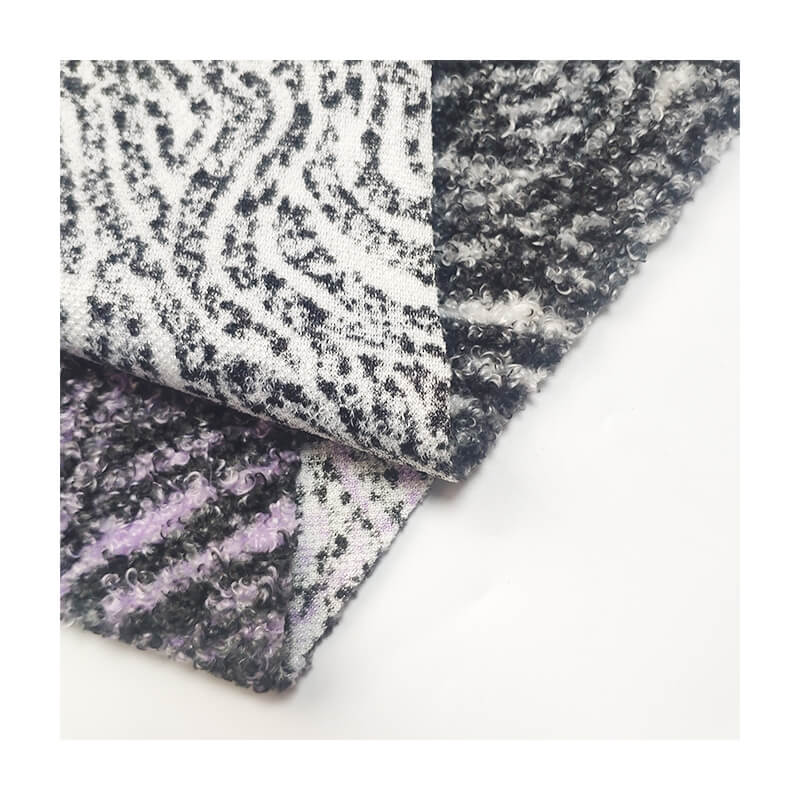
Fleece is popular for clothes and home items because it is warm and comfy. People like fleece for jackets, sweatshirts, and hoodies. The fabric holds air, so it keeps you warm in cold weather. Outdoor fans use fleece for winter gear since it keeps heat in but is not heavy. Many brands put fleece in outerwear, joggers, and activewear. Its soft feel makes it great for kids’ clothes and babywear.
At home, fleece is used in blankets, throws, and bedding. These things feel cozy and help make your room comfortable. Fleece is also good for cushion covers and other soft items. It lasts long and dries fast, so it works well for sportswear, workwear, and uniforms. New types of fleece help manage sweat, so athletes stay dry and comfy when they move.
Tip: Fleece hoodies and jackets are great for layering in winter or for outdoor trips.
Terry Fleece Applications
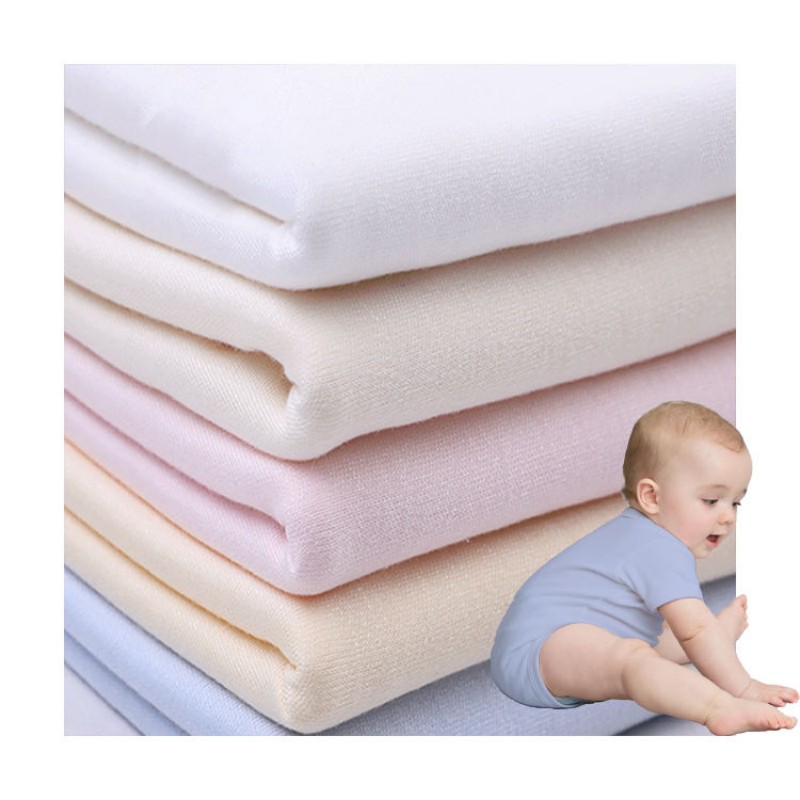
Terry fleece is used in fashion and home items. Its softness and ability to soak up water make it perfect for towels, bathrobes, and baby things. Terry feels comfy and stretches, so people wear terry sweatpants and hoodies for casual days. Terry lets air in, so it is good for mild weather and active lives.
French terry is lighter and works well for spring and fall clothes. It is found in light jackets, joggers, and loungewear. At home, terry fleece adds softness to bedding, sheets, and duvet covers. Many parents pick terry for baby towels and clothes because it is gentle on skin. The inside of terry fleece is brushed, so it feels warm and cozy. This makes it a top choice for winter clothes.
Note: Terry fleece mixes comfort and usefulness, so it is common in both clothes and home items.
Fleece or Terry Fleece: When to Choose
Choose Standard Fleece for
Standard Fleece: Typically ranging from 200 to 450 gsm, standard fleece excels in cold-weather insulation by trapping body heat within its napped structure. However, because of its open knit construction, standard fleece has high air permeability and does not inherently block wind or rain unless bonded with a windproof membrane or treated with a Durable Water Repellent (DWR) finish. It serves as an exceptional mid-layer under a technical shell.
Terry Fleece: Generally lighter, ranging from 200 to 350 gsm, French terry is designed for transitional seasons. Its loops increase the fabric’s surface area, allowing it to absorb moisture and dissipate excess heat, making it the preferred choice for premium streetwear hoodies and activewear.
| Climate/Activity | Fleece |
|---|---|
| Cool & Dry | Great for keeping heat in |
| Cold | Best for staying very warm |
| Freezing | Needed for safety in the cold |
Fleece lasts a long time and stays warm if you take care of it. Good fleece does not get fuzzy and can last for years.
Choose Terry Fleece for
Terry fleece is good for mild, warm, or wet weather. The loops inside let air move, so you stay cool and dry. Terry soaks up sweat fast and moves it to the outside to dry. This stops you from feeling sticky when it is humid. People like terry for spring and fall jackets, joggers, and light hoodies.
Terry stays soft even after many washes, so it is good for things you wear a lot. It is nice for layering and lets your body breathe when you are active. Terry is used for casual clothes, sportswear, and baby outfits.
| Climate/Activity | Terry |
|---|---|
| Hot & Humid | Best for letting air in and drying sweat |
| Mild | Good for layers and letting air move |
| Cool & Dry | Helps control body heat |
- Terry gives some warmth, so it is better for layers or not-so-cold days.
- Terry is light, so you do not get too hot, and you feel comfy when it is warm.
Key Differences at a Glance
A simple chart helps people pick the right fabric. It is useful for buyers and designers. The table below shows how fleece and terry fleece are not the same. They are different in material, warmth, breathability, durability, and what they are used for. Starke makes both fabrics with eco-friendly materials. These include recycled polyester and organic cotton. This is good for brands that care about the planet.
| Technical Feature | Standard Fleece (Brushed) | Terry Fleece (French Terry) |
| Fabric Structure | Double-sided or single-sided mechanical nap/pile | Smooth jersey face with technical looped back |
| Common Weight Range | 200 – 500 gsm (Medium to Heavyweight) | 180 – 350 gsm (Light to Mediumweight) |
| Thermal Insulation (Clo) | High (Excellent loft-to-weight ratio) | Moderate (Best for layering or cool climates) |
| Moisture Transport | High wicking (when using polyester/microfiber) | High absorption (when using cotton blends) |
| Surface Stability | Prone to pilling if not treated with anti-pilling finishes | Low pilling on the face; loops resist shedding |
| Best Applications | Technical mid-layers, outdoor jackets, winter blankets | Premium hoodies, streetwear joggers, loungewear |
| Decoration Compatibility | Optimized for high-density embroidery and patches | Exceptional surface for screen printing, DTG, and puff print |
Brands can pick fleece or terry fleece based on weather, what you do, and style. Starke lets you order small or big amounts. Their fabrics are easy to change and good for the environment. This helps businesses that want to be green.
- Fleece is warmer and softer. It works well for cold days and outdoor clothes.
- French terry lets air move better. It is good for sports and mild weather.
- Both fabrics last a long time. Fleece does not fade or get fuzzy easily.
- Starke makes fabrics in a way that is good for the planet. They help people pick fabrics that are safe and responsible.
FAQ
Why is fleece warmer than terry fleece?
Fleece traps heat through its thick fibers. Terry fleece, on the other hand, uses its loop structure to allow air to circulate. Therefore, fleece is warmer in cold weather.
Is terry fleece suitable for sportswear?
Terry fleece is excellent for sportswear. The loop structure helps wick away sweat, keeping the fabric comfortable during exercise.
Which is better for sensitive skin, fleece or terry fleece?
Terry fleece is typically made from cotton. Cotton is soft and gentle on the skin. People with sensitive skin often prefer terry fleece.