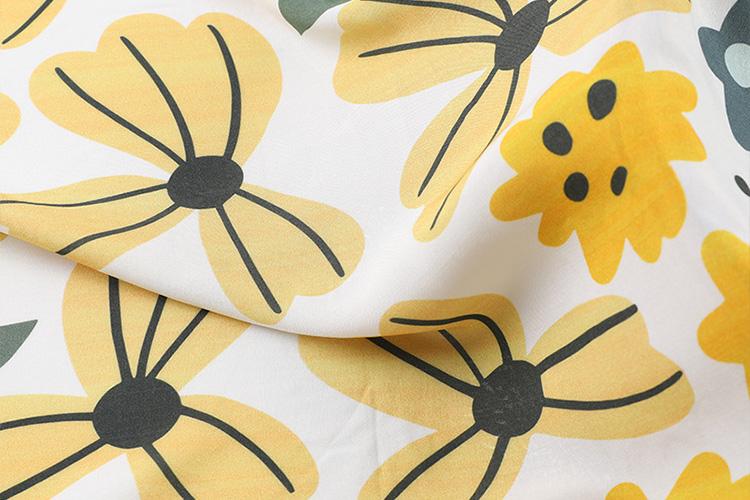
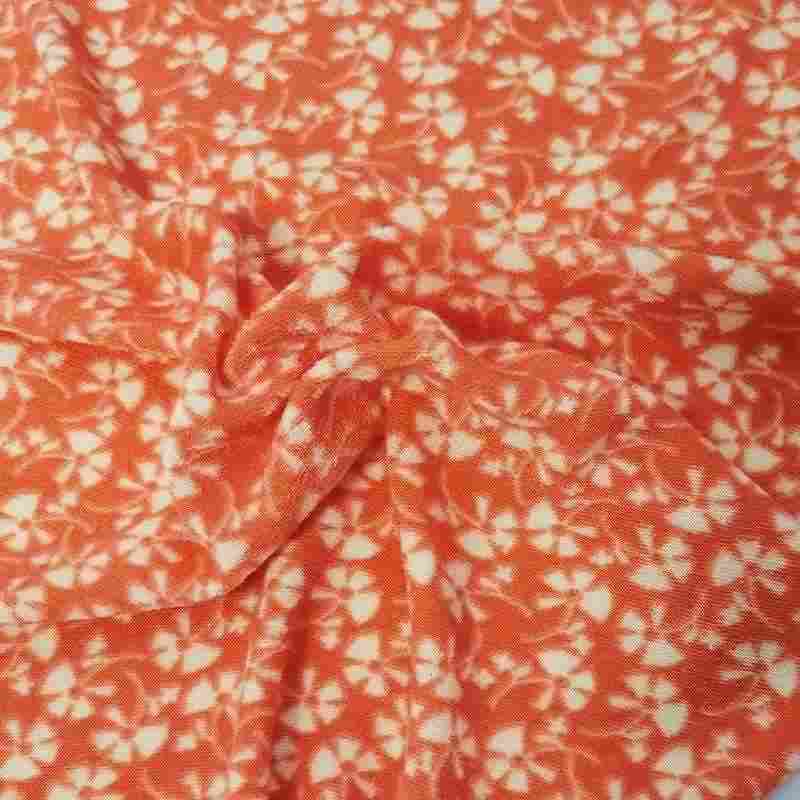
The difference between print and jacquard comes down to one question: is the pattern built into the cloth, or applied on top of it? With print, the fabric is knitted or woven in a solid color first, then the pattern is applied to its surface. With jacquard, the pattern is formed while the fabric is being made, thread by thread. That single difference shapes durability, cost, design freedom, and how a garment or a furnishing behaves over years of use. The double-rub rating often matters more than the category. For manufacturers, picking the right type ensures the product performs well and lasts. Surface designs let you change patterns quickly. The next sections look at woven and applied options, and compare both to help you choose.
Key Takeaways
- Jacquard fabric builds patterns right into its weave, so the designs hold up well and do not fade or wear out over time.
- Printed fabric adds color to the surface, which lowers costs and allows fast design changes.
- Pick jacquard for items that get a lot of wear, like upholstery. Pick print for projects that are cheaper or follow trends.
- Always check the double-rub rating, because it matters more than fabric type for durability.
Jacquard fabric: Woven patterns
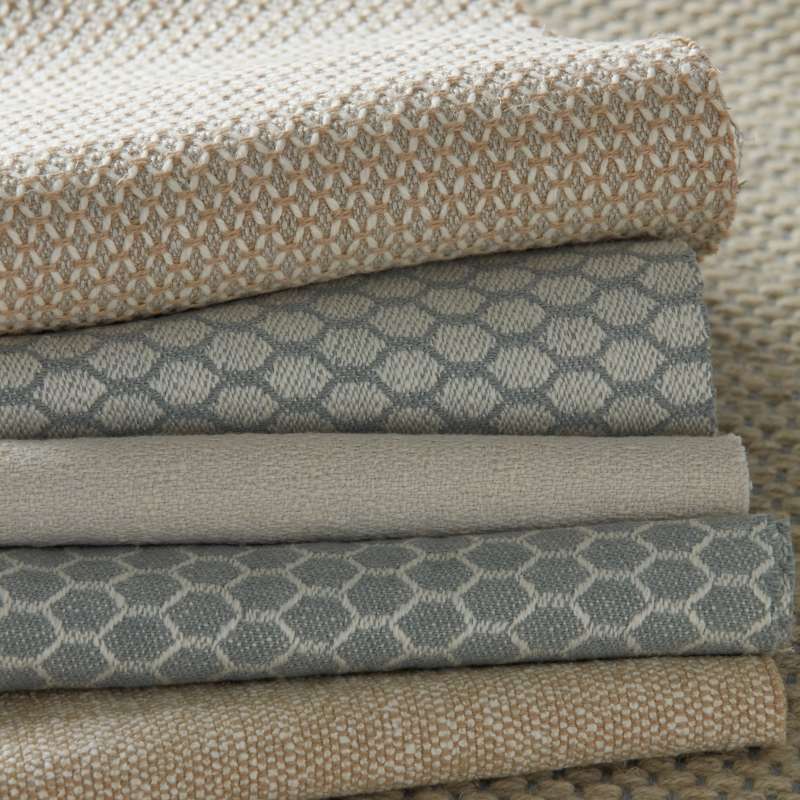
How jacquard fabric is made
Jacquard is a construction method, not a single fabric. The name comes from Joseph Marie Jacquard, who patented a punched-card mechanism in 1804 that allowed a loom to control individual warp threads. Modern machines perform the same task electronically, and the same principle now applies to knitting as well.
Knit Jacquard
On a jacquard knitting machine, individual needles are selected stitch by stitch, so the pattern is knitted into the structure itself. We run this process on circular knitting machines, which is why jacquard knit fabric keeps natural stretch and recovery — an advantage for sweatshirts, dresses, and activewear. Single knit jacquard gives lighter, sharper patterns, while double knit jacquard builds more depth and body.
Woven Jacquard
On a jacquard loom, warp threads are lifted individually to build the design into the weave. Woven jacquard is firmer and holds crisper pattern edges, which suits structured jackets, upholstery, and heavier home textiles. Brocade, damask, and matelassé are all woven jacquard structures.
Common uses for jacquard fabric
Jacquard fabric serves upholstery, curtains, and high-end apparel. The choice of fiber determines each application.
| Fiber Type | Upholstery Application |
|---|---|
| Cotton | Provides a soft or structured feel depending on the blend |
| Silk | Contributes to a soft, fluid drape for decorative pieces |
| Wool | Offers natural warmth and texture |
| Polyester | Creates durable fabric suitable for high-traffic upholstery |
Cotton and silk jacquard work well for lighter uses like curtains or formalwear. Polyester fits heavy-duty needs in commercial upholstery. Structured polyester gives durability for furniture used every day. The woven pattern resists fading and wear, so it is a reliable choice for custom products. Factories that make jacquard fabric through vertical integration keep quality consistent from knitting to finishing.
Printed fabric: Applied patterns
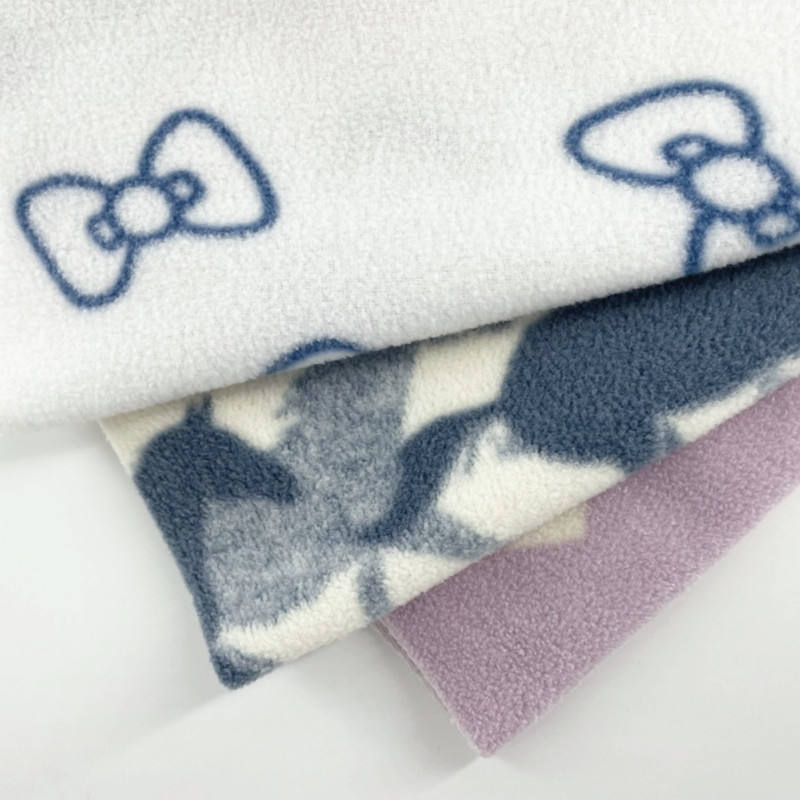
How printed fabric is made
Printing puts color on the surface of fabric after it is made. Manufacturers use different methods, and each one fits different materials and production sizes.
| Printing Technique | Key Characteristics |
|---|---|
| Screen Printing | Uses a stencil and mesh screen; durable and vibrant; ideal for large runs and simple graphics |
| Dye Sublimation | Uses heat and pressure to bond inks into synthetic fibers; permanent and detailed; mainly for polyester |
| Pigment Printing | Applies dyes to localized areas; popular for cellulose and natural fabrics; bright and cost-effective |
| Reactive Printing | Heat-activated process that bonds dye to fabric; works well on natural textiles; vibrant and wash-fast |
Reactive printing bonds dye right to the fiber molecules. This method makes bright colors that resist washing and light. Pigment printing puts color on the surface with a binder. It costs less and works on many fiber types. But pigment printing can leave a stiff hand without softener. A manufacturer can change the finish to improve drape and feel.
Digital printing allows small to medium runs on cotton, silk, and blends. Screen printing handles medium to large runs on cotton and canvas. Roll-to-roll printing supports large-scale production on cotton, polyester, linen, and blends. Each method gives brands flexibility for fashion, bedding, and accent decor.
Durability and care of print fabric
How long printed fabric lasts depends on the printing method and how people care for it. Because jacquard patterns are part of the structure, they do not fade or rub away with use: the yarn wears, not the pattern. Print is far more variable. Reactive prints on cotton hold up well to repeated washing, while pigment prints can lose depth after several cycles. In both cases, the base construction matters as much as the pattern itself.
Reactive printing can have a higher environmental impact if wastewater and chemicals are not properly treated. The process uses more water and energy, though modern factories can reduce this with advanced treatment systems.
That is why we test rather than assume. Our in-house laboratory runs Martindale abrasion and pilling tests, color fastness checks for washing, rubbing, and perspiration, plus moisture permeability and water repellency testing. On key programs, fabric passes 100% inspection before shipment, and inspection reports travel with the goods.
Comparing print and jacquard fabric
Picking between these two fabric types really depends on how each one deals with wear, cost, and design plans. A woven pattern turns into part of the material itself. An applied pattern just sits on top. That one difference shapes everything else.
| Attribute | Jacquard Fabric | Printed Fabric |
|---|---|---|
| Texture | Rich, three-dimensional effect woven into the structure | Flat effect; touch matches the base fabric |
| Durability | Color sits in the fiber; resists fading and abrasion | Color sits on the surface; fades with friction and UV light |
| Cost | Higher due to complex weaving process | Lower; faster production and easier pattern changes |
| Design Flexibility | Limited; pattern changes require loom reprogramming | High; supports florals, watercolor washes, and subtle blends |
Jacquard weaves are tighter than plain weaves. Top-quality fabric has a high picks-per-inch count, which builds a protective grid that guards fibers from mechanical stress. This tightness stops the thinning you often see in light printed silks. In lifecycle studies, a garment that lasts 30 years has a carbon footprint about 90% lower than 15 cheaper garments that each last two years.
When to choose print fabric
Printing gives brands speed and flexibility. A maker can create florals, scenic toiles, tropical prints, watercolor washes, and geometric overprints without changing the loom. Digital printing works for small to medium runs on cotton, silk, and blends. Screen printing handles bigger runs on cotton and canvas.
Budget counts here. Cotton and polyester blends give versatile, affordable choices for buyers watching costs. Synthetic upholstery fabrics like polyester, rayon, viscose, and nylon copy natural fabrics while offering better stain resistance at a lower price. A wholesale supplier can ship printed bedding or accent decor fast.
Durability depends on the method. Reactive printing bonds dye to fiber molecules and holds up well in the wash. Pigment printing costs less but fades after several washes. A well-made printed cotton with a high double-rub rating and a factory stain-resistant finish can outlast a poorly built jacquard. Buyers should check the double-rub rating instead of assuming the category guarantees performance.
When to choose jacquard fabric
Jacquard fits high-wear uses. Upholstered furniture like sofas, sectionals, dining chairs, and bench seats gain from its abrasion resistance. Heavy-duty commercial settings prefer it for the same reason. The design is part of the fabric’s physical structure. It cannot rub off and stays intact as long as the fabric lasts.
“As the pattern is woven and has the same lifespan as the fabric, it is extremely wear-resistant and not prone to fading. Even after long-term use or cleaning, the pattern remains as it was originally, because what is worn is the yarn itself rather than the surface coating.”
Luxury perception also helps jacquard. Consumers see custom-woven patterns, especially those with subtle branding, as higher quality. This lets brands charge a higher retail price. A custom weave belongs to one brand alone, building a moat that makes designs harder for fast-fashion copiers to clone. Manufacturers like Starke offer both types, letting customers pick based on project needs. Heavy-use items favor jacquard, while budget-friendly or changeable designs favor print.
The fundamental difference between print and jacquard fabric remains clear: woven patterns versus surface-applied designs. Printed fabric offers versatility and affordability through quick design changes at a lower production cost. Jacquard fabric provides longevity and rich texture because the pattern lives directly within the yarns themselves. Selecting the right fabric requires evaluating the intended use, budget, and desired pattern permanence. Heavy-use household items like upholstery benefit from jacquard’s durability against friction and fading. Budget-conscious or trend-driven projects suit print, which supports frequent style updates without major investment. A clear understanding of these construction methods allows businesses to make informed choices. Each method serves various specific needs and meets different application requirements for manufacturers.
FAQ
Which fabric lasts longer?
Jacquard fabric usually lasts longer. The pattern is woven into the structure, so it resists fading and rubbing. Printed fabric can also last well if it uses reactive printing and has a high double-rub rating. Buyers should check the rub rating instead of assuming one type always wins.
Can printed fabric look as good as jacquard?
Yes. Digital and screen printing create detailed florals, geometrics, and watercolor effects. The surface stays flat, so it lacks the three-dimensional texture of a woven design. For visual impact at a lower cost, print works well. For rich texture, jacquard wins.
Which option costs less?
Printed fabric costs less. The production process is faster, and pattern changes do not require loom reprogramming. Jacquard fabric costs more because the weaving process is complex and slower. A wholesale supplier can offer both, letting buyers match the fabric to the budget.
How should someone care for each type?
Care depends on the printing method and fiber. Reactive prints hold color well through washing. Pigment prints fade faster, so cold water and mild detergent help. Jacquard fabric handles regular cleaning because the pattern is part of the yarn. Both types do better with limited sunlight and proper storage.
Which type suits heavy-use items?
Jacquard fabric suits heavy-use items like upholstery and commercial seating. The woven pattern cannot rub off. Printed fabric works for accent decor, bedding, and fashion where design changes matter more than long-term wear. A manufacturer can help match the fabric to the project.