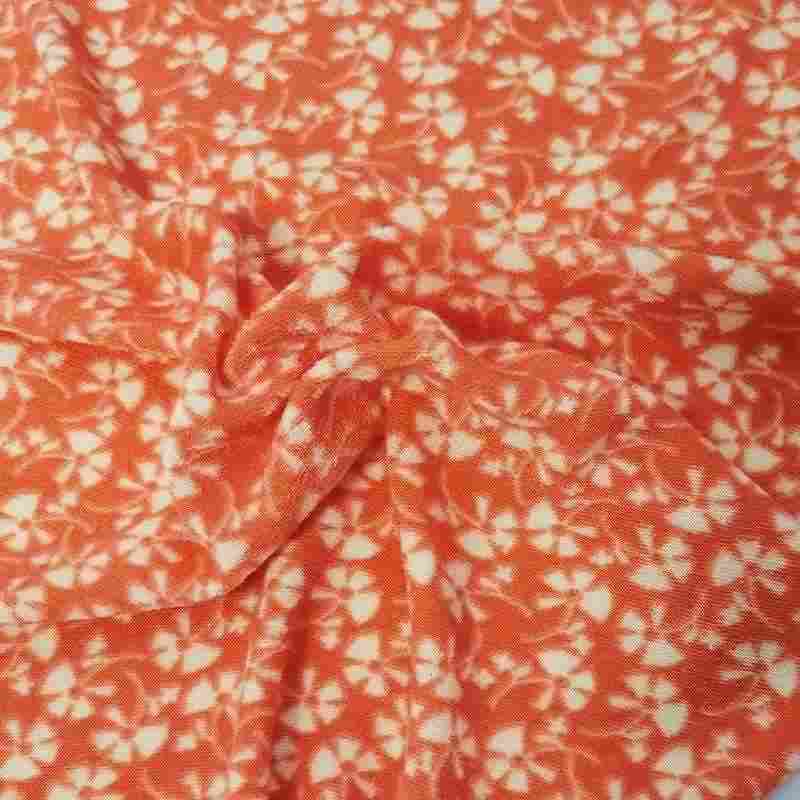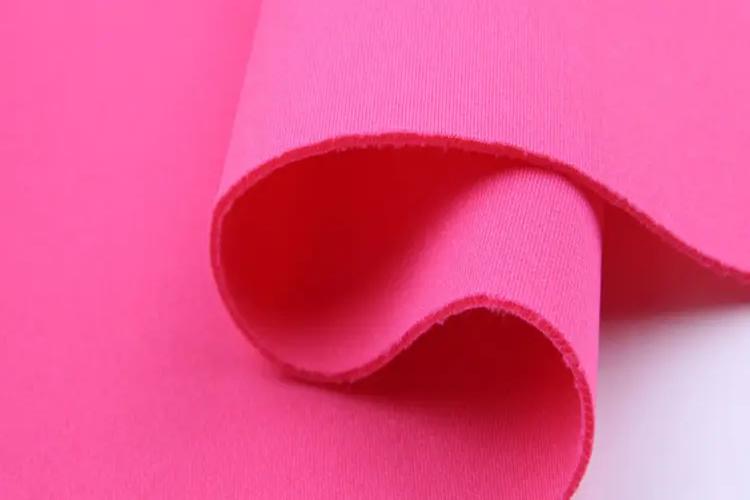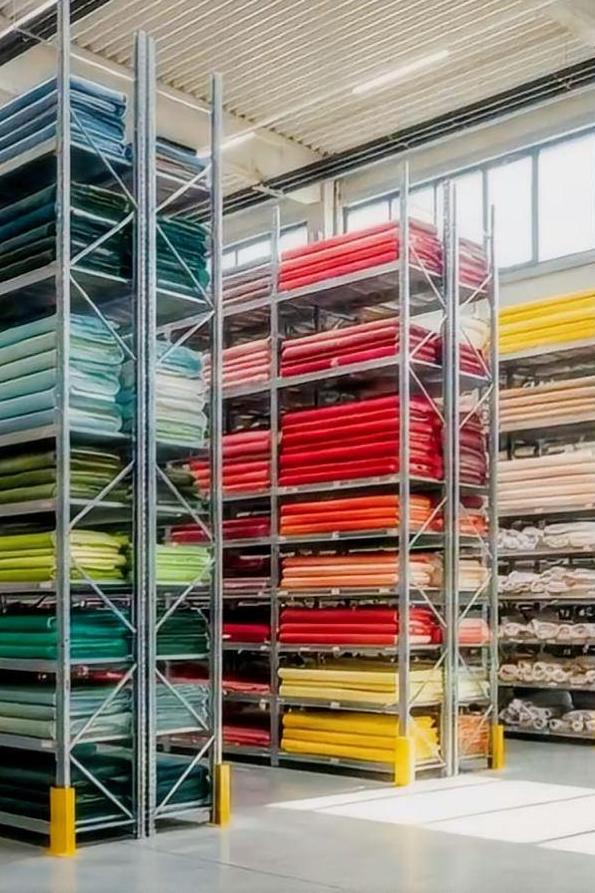
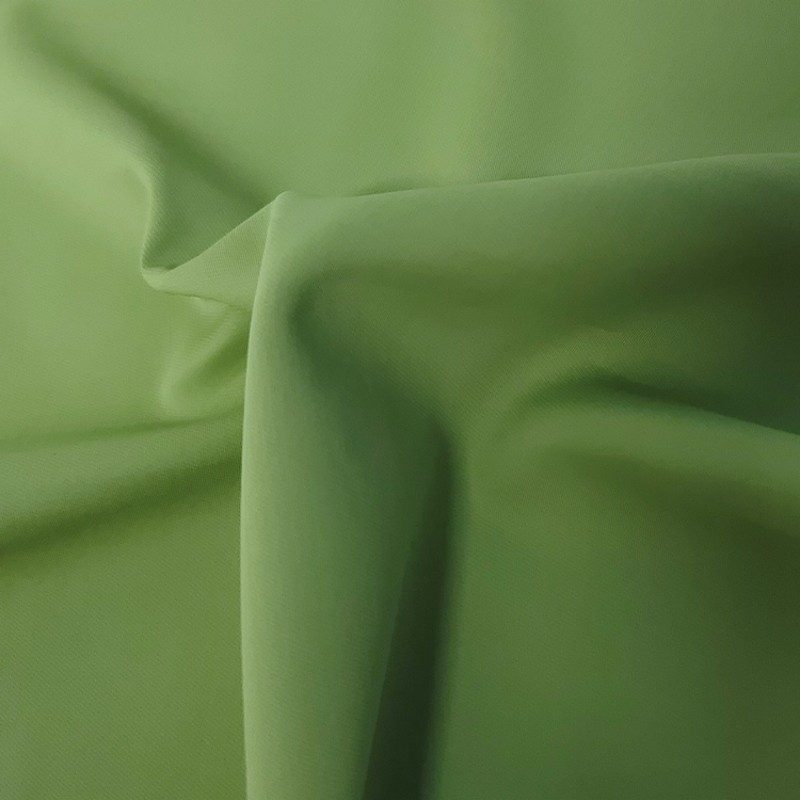
Composite fabrics are created by combining two or more layers of material. The layers are bonded together using adhesives, heat treatment, or other methods. These fabrics are durable and retain their shape well, making them ideal for sewing and crafting, as well as for use in a wide range of textile products. Many industries utilize composite fabrics to manufacture specialized products. The table below lists their areas of application:
| Industry | Applications |
|---|---|
| Fashion | Clothes, jackets, coats, sports clothes |
| Outdoor Apparel | Jackets for bad weather, warm coats |
| Sportswear | Athletic gear that lets air in and keeps sweat away |
| Automotive Interiors | Seat covers, roof liners, door panels |
| Home Furnishings | Furniture covers, curtains, drapes |
| Healthcare | Medical clothes and protective wear |
| Construction | Special textiles for work and building |
Key Takeaways
- Bonded fabric sticks layers together with glue, heat, or sound waves. This makes it stronger and lasts longer than normal fabric.
- Many industries use it, like fashion, outdoor clothes, and car seats. People like it because it keeps its shape and resists water.
- When you use bonded fabric, use sharp tools. Cut only one layer at a time. Always follow care instructions to keep it nice.
Bonded Fabric Production
.jpg)
Bonding Methods
Manufacturers make bonded fabric by joining layers without sewing. They use different ways to connect the layers. Each way changes how the fabric turns out. Adhesive bonding uses glue to hold the layers together. Heat bonding melts fibers so they stick. Ultrasonic bonding uses sound waves to join the materials. These ways make smooth seams and strong joins. The process makes the fabric last longer and look better. Sportswear and outdoor clothes use these methods a lot. The seams stay strong even when used often. Making bonded fabric often starts with cleaning. Then, workers put on heat-sensitive tape. Next, they use heat and pressure to bond the layers. Cooling the fabric helps keep the bond stable.
Note: Making bonded fabric can save time and money. Factories can make a lot of fabric fast. This is good for big and custom orders.
| Bonding Method | Advantages | Disadvantages |
|---|---|---|
| Stitch Bonding | Very strong, hard to tear, lets air pass | Can only be used for some things |
| Thermal Bonding | Makes fabric quickly | Only works with some fiber types |
| Chemical Bonding | Good price for large orders | Might leave some chemicals behind |
Starke is a trusted supplier with its own factories. They do bonding, knitting, and dyeing. They let customers pick how they want their bonded fabric. Starke cares about the environment and meets world standards.
Materials Used
Factories pick materials based on what the fabric needs to do. Spandex and polyester are used for stretch and comfort. Microfiber and oxford cloth are good for water resistance and strength. Nylon and polyester do not wear out fast and are easy to clean. These materials help make bonded fabrics for sports, bags, and furniture.
| Material Combination | Advantages |
|---|---|
| Spandex and Polyester | Stretchy, soft, and comfortable |
| Microfiber and Oxford Cloth | Keeps water out, lasts a long time |
| Nylon and Polyester | Hard to damage, easy to wash |
Starke lets clients choose the weight, color, and finish of their fabric. Their factories make samples in seven days. Big orders take twenty to forty-five days. They help with custom and big orders, so many businesses trust them.
Bonded Fabric Properties & Uses
Key Properties
Bonded fabric is special because of how it is made. Manufacturers join two or more layers to give it unique features. These features make it useful in many industries.
- Bonded fabric is stronger than regular fabric. It does not tear or stretch easily.
- It lasts longer, even if you use it a lot.
- Many bonded fabrics keep water out. This makes them good for jackets and bags.
- Bonded fabric keeps its shape. It does not sag or wrinkle much.
- The layers help keep warmth inside coats and jackets.
- Most bonded fabrics do not fray at the edges. This makes cutting and sewing easier.
- Some bonded fabrics have treatments that fight germs. These help stop bad smells and keep things fresh.
Bonded fabric has some limits. It is not good for seams that get a lot of stress, like armholes or crotch seams. Heavy fabrics that are always pulled may not work well with bonded fabric. Some designers like the look of stitches, but bonded fabric cannot always give that look.
Uses of Bonded Fabric
Bonded fabric is used in many ways. Its strength, water resistance, and easy care make it a top pick for people and businesses. The table below shows where it is used:
| Application Area | Specific Uses |
|---|---|
| Outerwear and Apparel | Jackets, coats, athletic wear with breathability and moisture-wicking |
| Accessories | Bags, backpacks, belts for strength and water resistance |
| Home Furnishings | Upholstery, curtains for resilience and ease of cleaning |
Sportswear brands use bonded fabric for jackets and pants. These clothes stay dry and comfy because the fabric moves sweat away and lets air in. Bags and backpacks made from bonded fabric keep water out and hold their shape. Upholstery and curtains use bonded fabric because it is easy to clean and lasts a long time.
Starke sells many kinds of bonded and knitted fabrics. Their products are good for sportswear, bags, and home items. Clients can pick the weight, color, and finish they want. Starke’s bonded fabric meets world standards and helps businesses be eco-friendly.
Handling & Sewing Tips
You need to follow special steps when working with bonded fabric. These tips help you get the best results:
- Cut one layer at a time. This stops snagging or stretching.
- Use a sharp rotary cutter with a new blade. This gives clean edges.
- Pattern weights are better than pins. They keep the fabric flat and do not leave marks.
- Pick the right glue for your fabric and project. Use a thin, even layer and press hard.
- Make sure the fabric is clean and dry before bonding. Let the glue dry fully before washing or using the item.
- Stabilizers like tear-away or dissolvable sheets help when sewing delicate bonded fabrics. Spray starch can also stop slipping.
Cricut machines make cutting bonded fabric simple. The Cricut Maker and Explore Air 2 have settings for bonded fabric. These machines use a bonded fabric blade for neat cuts. The double-sided adhesive on bonded fabric lets you stick it quickly without sewing or extra glue.
To keep bonded fabric looking good, follow these care tips:
- Wash in cold water to protect colors and fibers.
- Do not use dryers or hot irons, especially on prints.
- Turn items inside out and use a mesh laundry bag to stop wear.
- Use pH-neutral detergents to keep colors bright.
- Store clean, dry fabric away from sunlight and rough surfaces.
If you follow these steps, you can enjoy bonded fabric in many projects. Businesses that buy bonded fabric from Starke get high-quality materials that work well for tough jobs.
Bonded Fabric Uses
.jpg)
Bonded fabric is used in many industries. It is strong and can be made in different ways. Companies like it because they can pick custom options. In clothing, brands use bonded fabric for jackets and coats. Athletic gear also uses bonded fabric. These items stay dry and keep their shape. They are comfortable to wear. Fashion designers like bonded fabric for its special feel. It also holds prints well. One brand made clothes with stitch bond fabrics. People liked the style and print quality. Jacket makers use soft-touch bonded fabric for linings. This makes jackets last longer and cost less. Companies earn more money because of this.
Home decor brands use bonded fabric for furniture and curtains. It is easy to clean and lasts a long time. Busy families like these features. Cars use bonded fabric for seats and panels. It makes them comfortable and strong.
Sustainability is important for bonded fabric now. Many factories use recycled or biodegradable materials. Designers and buyers want eco-friendly choices. This makes more people ask for sustainable bonded fabric. Stitch bonding uses less energy. This helps the environment.
Note: The textile industry makes 3.9 billion tons of CO2 every year. Choosing sustainable bonded fabric helps lower emissions.
Factories have some problems with bonded fabric. They need to set machines for each fabric type. They must test if bonded cotton stays strong after washing. They also need certified adhesive tapes to keep bonds strong.
| Challenge | Description |
|---|---|
| Machine calibration | Bonding presses must match fabric weight and type. |
| Wash durability testing | Bonded cotton needs extra testing to ensure it holds up after washing. |
| Adhesive tape sourcing | Certified tapes help maintain strong bonds. |
Starke checks every custom order at important steps. They give clear details about their products. This helps businesses trust their bonded fabric for jackets and clothes.
Bonded fabric puts layers together to make it strong and comfy. It also lets people create many designs. If buyers know about bonded fabric, they can pick better for their needs. The table below explains why lots of industries use bonded fabric. They like it because it saves time and helps the planet.
| Benefit | Description |
|---|---|
| Improve production efficiency | Bonding makes things faster to make. It helps factories work quickly, especially when making a lot. |
| Enhance comfort | Bonded seams are smooth and flat. They do not rub or bother your skin like sewing sometimes does. |
| Environmental protection | Bonding makes less waste. It also uses less water and energy, so it is better for the Earth. |
| Enhanced design flexibility | Bonding lets people try new styles and effects. They can use different glues to make cool designs. |
FAQ
How do composite fabrics differ from standard fabrics?
Composite fabrics are made by bonding two or more layers of material together, making them stronger and more resistant to deformation; in contrast, standard fabrics consist of a single layer. Additionally, composite fabrics offer water resistance and are less prone to fraying at the edges.
Can composite fabrics be processed using cutting machines like Cricut?
Yes, composite fabrics are fully compatible with Cricut cutting machines. The bonded layers facilitate clean, precise cuts, making the material ideal for a wide range of crafting and commercial projects.
How does Starke handle custom composite fabric orders?
Starke allows customers to select specific fabric weights, colors, and surface finishes. By leveraging its own manufacturing facilities to produce samples quickly and ensure consistent quality, the company helps businesses rapidly obtain the fabrics they need.