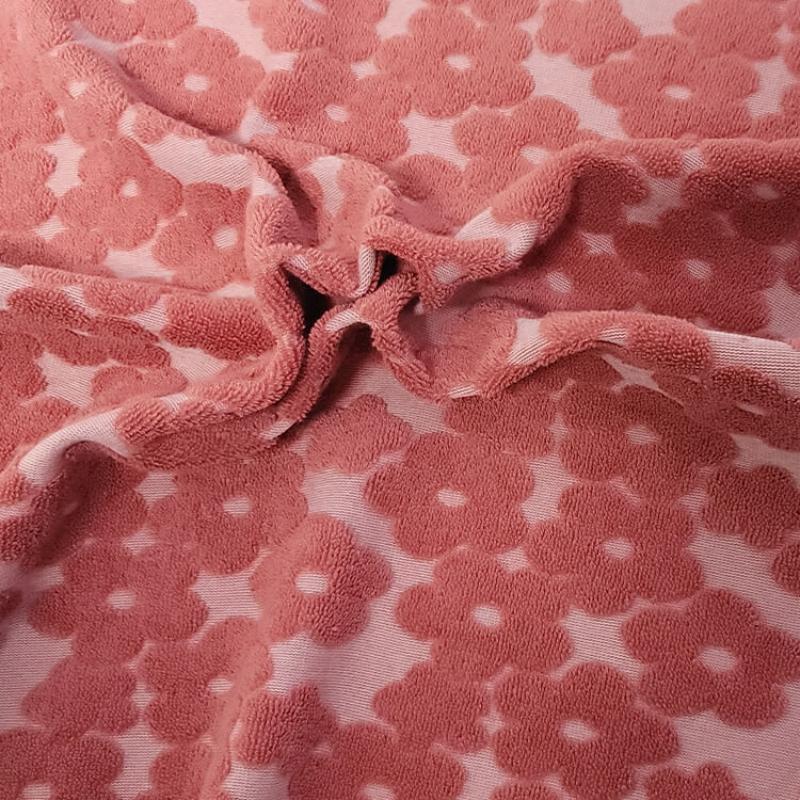
The definition of jacquard fabric is not based on a single raw material fiber, but rather on the weaving or knitting technique employed by workers. Craftsmen use specialized looms to weave various patterns directly into the fabric. Commonly used base yarns include soft cotton, lustrous silk, and strong polyester. Today, modern factories produce advanced knitted jacquard fabrics. Starke Textile offers high-quality knitted jacquard fabrics for everyone.
Key Takeaways
- Special looms weave detailed patterns right into jacquard fabric to build strong, long-lasting quality.
- Crafters use sturdy woven jacquard for home furniture covers and stretchy knitted jacquard for cozy athletic clothing.
- Washing jacquard fabrics in cold water and drying them flat keeps the patterns safe from stretching and damage.
Understanding Jacquard Fabric and Its Construction
What Is Jacquard Fabric?
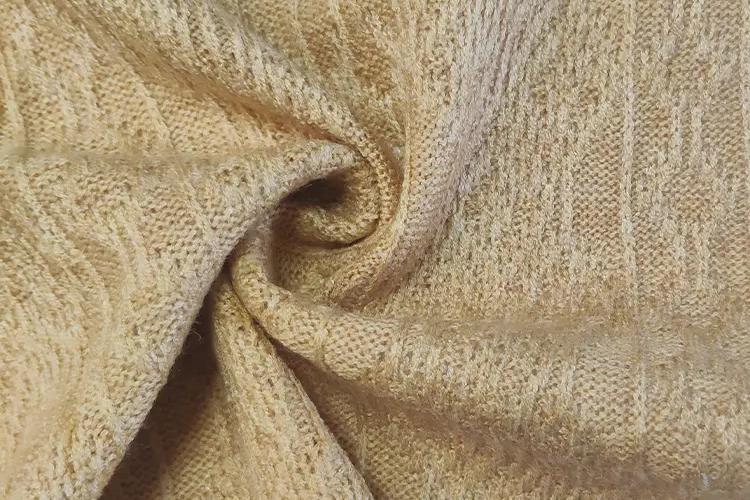
Fabric experts group jacquard by its special creation method. People frequently question, what is jacquard fabric?
Custom tools direct each strand throughout the making process. A mechanical machine relies on hooks and needles to raise picked vertical threads. Moving blades grab targeted hooks, while unchosen hooks remain still. This smart lifting forms a detailed design right inside the cloth. Learning how jacquard fabric is made shows why this raised design stays strong longer than printed patterns.
Base Fibers and Weave Structure
Makers build jacquard fabrics using natural or human-made threads. Silk, cotton, and wool create rich, soft cloth. Synthetic threads like polyester offer great durability. Starke Textile crafts custom knitted jacquard with high-tech functional traits. The plant adds sweat-sweeping coatings and quick-drying care to modern jacquard knits.
| Attribute | Woven Jacquard | Knitted Jacquard |
|---|---|---|
| Durability | High; dense thread interlacing prevents deformation under repeated tension | Lower; loop structure risks pilling and loss of elasticity over time |
| Shape retention | Excellent; maintains width and form under stress | Moderate; may permanently stretch if elastic quality is poor |
| Load-bearing stability | Strong; suitable for heavy-duty use | Weak; flexible but not rigid enough for heavy loads |
| Failure mode | Resists deformation; motif integrated into structure | Prone to bagging out or unspooling if a loop breaks |
Woven jacquard keeps its form during heavy pulls because crossed threads clamp tight. Knitted jacquard relies on looped threads instead. These open loops bring flex and give for cozy sportswear. So, what is jacquard fabric? In the end, jacquard stays a handy pick for everyday clothing.
Main Types of Jacquard Fabric and Uses
Popular Types of Jacquard Fabric
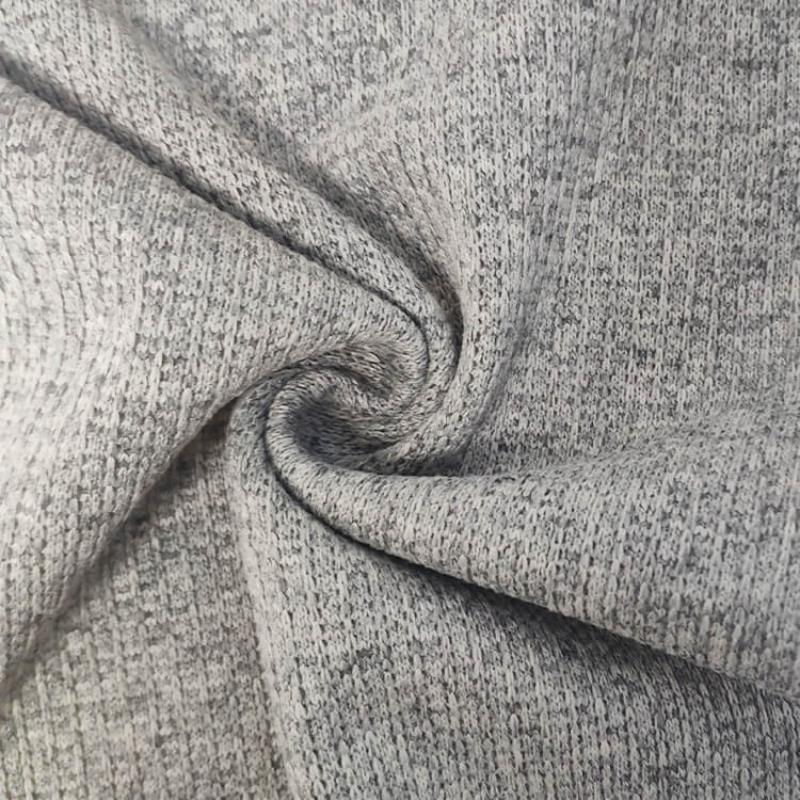
Textile mills create different types of jacquard fabric to satisfy specific design needs. Traditional weavers produce damask, brocade, and matelassé. Reversible damask uses contrasting weaves to form a flat motif pattern. Fancy brocade showcases raised threads for ornate luxury. Heavy chenille matelassé weighs 300–600 gsm and forms a raised, quilted surface pattern. Modern factories also knit dynamic options. Shoppers select these different types of jacquard fabric for both home items and apparel.
Each style displays a unique surface feel. Looped construction gives functional knits soft flex and comfort. Woven styles keep sharp edges, clear structural lines, and high thread density. Learning how mills build these materials helps designers pick the right cloth. Every distinct jacquard pattern adds real visual depth to finished products.
Practical Applications of Jacquard Fabrics
Makers use versatile jacquard fabrics across many industries. Fashion brands turn luxury woven cloth into evening gowns, coats, and formal suits. Car plants place durable jacquard upholstery on vehicle seats and door panels. Home decor projects rely on sturdy jacquard upholstery to cover sofas and cushions. Heavy jacquard upholstery resists daily wear in busy rooms. Activewear makers choose soft knits for sports clothing. Outdoor gear makers pick functional jacquard upholstery for decorative indoor-outdoor cushions.
Starke Textile provides high-tech performance options for custom jacquard knits. The full-service plant applies anti-pilling, wind-resistance, and anti-static treatments to top-grade material. Responsible modern factories hold GRS and OEKO-TEX Standard 100 certifications. These green badges guarantee safe, eco-friendly, and recycled material choices. Designers pick suitable jacquard fabrics to combine lovely visual pattern appeal with lasting daily strength.
Maintenance and Care for Jacquard
Washing and Drying Best Practices
Proper cleaning protects delicate thread structures. Owners must check care labels first because different raw fibers require distinct cleaning methods. Natural fibers like cotton or silk demand gentle hand washing or dry cleaning. Synthetic fibers like polyester offer easier care and strong wear resistance.
Washing machines can damage detailed weave structures through aggressive movements.
Tumble drying causes severe dimensional distortion across changing design zones. Heat relaxes yarn twist and compresses loose threads. Flat-drying on mesh racks preserves original pattern relief without distortion.
Preserving Jacquard Quality Over Time
Long-term care extends material lifespan significantly. Vacuuming jacquard upholstery with a soft brush attachment removes surface dust safely. Prompt spot cleaning prevents deep stains. Owners should blot spills immediately using a clean white cloth without rubbing. Diluted mild detergent cleans light spots effectively after testing on hidden areas.
| Fiber Type | Maintenance Focus | Key Advantage |
|---|---|---|
| Natural | Hand washing or dry cleaning | Soft, luxurious texture |
| Synthetic | Easy washing routine | Strong resistance to wear |
| Blended | Moderate maintenance routine | Balanced performance and care |
Proper storage methods shield structured garments from permanent harm. Heavy jacquard garments stretch on hangers. Storage teams fold garments neatly with acid-free tissue paper between folds. Breathable garment bags protect stored items from light and dust. Careful handling keeps jacquard upholstery and clothing looking fresh for years. Every properly treated jacquard fabric maintains long-term structural beauty. Modern jacquard fabrics retain rich textures through careful maintenance. Owners protect each unique jacquard pattern with proper washing.
Jacquard fabric delivers great elegance and high durability through its unique pattern weave or knit structure. Selecting reliable manufacturers like Starke Textile guarantees easy access to customized, high-performance, eco-friendly jacquard fabrics. Ultimately, simple and proper care preserves this high-quality fabric, protecting each special jacquard material for long-lasting structural integrity and beauty.
FAQ
What is jacquard fabric?
Special looms weave detailed patterns right into this cloth. Makers create high-quality jacquard fabrics using silk, cotton, or polyester strands to give the material long-lasting strength.
Is knitted jacquard suitable for sportswear?
Soft knitted jacquard fabrics stretch easily, making them great for activewear. Starke Textile crafts performance jacquard with sweat-wicking finishes to keep you comfortable during tough workouts.
How do owners clean high-grade jacquard?
You can wash synthetic jacquard clothes in cool water at or below 30°C. Drying the items flat protects the special raised patterns, but delicate natural fibers require professional dry cleaning.